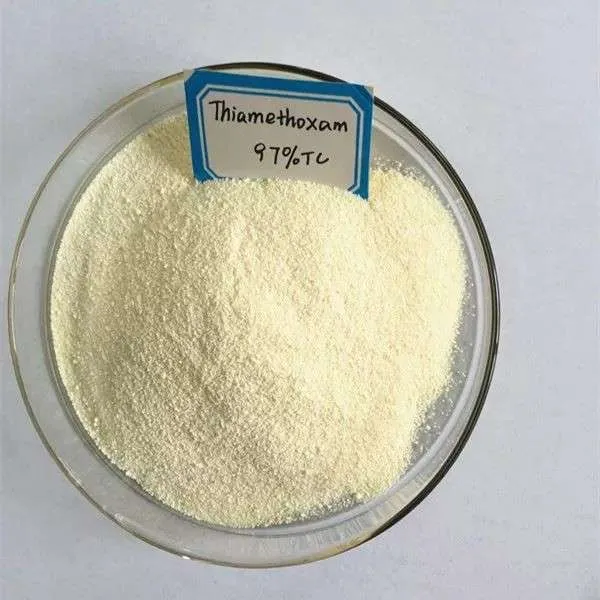
High Purity Pyraclostrobin from water soluble fertilizer manufacturer
Effective crop protection requires a precise balance between potent antifungal activity and physiological plant support. Pyraclostrobin, a key strobilurin fungicide, represents a significant advancement in agricultural chemistry by offering more than simple pathogen control. Beyond its role as a mitochondrial cytochrome-bc1 complex inhibitor, this compound induces a "greening effect," delaying leaf senescence and extending the grain-filling period, which directly correlates to increased biomass and higher crop yields.
For agricultural distributors and large-scale farm operators, sourcing a high-purity active ingredient is critical to ensure formulation stability and field efficacy. Whether utilized as a standalone SC (Suspension Concentrate) or as part of a complex mixture with Difenoconazole or Tebuconazole, the quality of the technical material determines the ultimate success of the crop protection strategy. Understanding the technical nuances of Pyraclostrobin allows for optimized application schedules and better resistance management in food crops and seed grasses.

The Biochemical Mechanism of Pyraclostrobin and its Systemic Efficacy
Pyraclostrobin operates primarily by inhibiting the mitochondrial cytochrome-bc1 complex, effectively shutting down the energy production of fungi. This targeted action is devastating to a wide array of plant pathogens, including Septoria tritici and Puccinia spp.. Unlike traditional contact fungicides, the chemical structure of Pyraclostrobin allows for superior adherence and penetration, ensuring that the active ingredient remains effective even under challenging environmental conditions.
One of the most distinctive characteristics of this compound is its ability to prime the plant's own defense systems. Research indicates that Pyraclostrobin can stimulate the accumulation of antimicrobial PR-1 defense proteins. This priming effect ensures that the plant is better prepared for subsequent attacks by viruses, bacteria, and even abiotic stresses such as drought. By modulating the plant's internal response, it transitions from a purely curative tool to a proactive health management agent.
From a formulation perspective, the off-white to light yellow solid form of the technical grade material requires precise handling to maintain its melting point range of 63.7-65.2°C. Ensuring stability during the emulsification or suspension process is vital for the final product's solubility and distribution across the leaf surface.

Analyzing the Greening Effect and Yield Enhancement Outcomes
The "greening effect" is a phenomenon where strobilurin fungicides like Pyraclostrobin delay the natural aging process of the foliage. By reducing ethylene production and slowing the degradation of chlorophyll, the plant maintains an active photosynthetic capacity for a longer duration. This extended period of energy production is particularly critical during the grain-filling stage of cereals, where every additional day of nutrient transport can lead to a measurable increase in total yield.
Beyond the quantitative increase in biomass, the physiological benefits include:
- Enhanced Stress Tolerance: Priming the plant against drought and temperature fluctuations.
- Optimized Nutrient Absorption: Healthier root and leaf systems allow for more efficient uptake of soil nutrients.
- Improved Grain Quality: Longer filling periods often result in heavier, more nutrient-dense seeds.
For the end-user, this means that the application of Pyraclostrobin does not merely prevent loss from disease but actively adds value to the harvest. This dual-action capability makes it a preferred choice for high-value food crops and ornamental plants where aesthetic quality and weight are paramount.
Strategic Formulation Options for Diverse Pathogen Control
Because different crops and pathogens require different delivery mechanisms, Pyraclostrobin is rarely used in a single form. The choice between an Emulsifiable Concentrate (EC), a Suspension Concentrate (SC), or a Water Dispersible Granule (WDG) depends on the intended application method—whether it be foliar spray, seed treatment, or drip irrigation. For example, Pyraclostrobin 250 g/L EC provides rapid penetration for acute infections, while SC formulations offer better stability and lower volatility.
Combination products are frequently employed to broaden the spectrum of activity and prevent the development of fungal resistance. Integrating Pyraclostrobin with other active ingredients creates a synergistic effect:
- With Difenoconazole: Enhances control over a wider range of ascomycetes and basidiomycetes.
- With Tebuconazole: Provides a powerful shield against rusts and leaf spots in cereal crops.
- With Copper Oxychloride: Combines systemic fungal inhibition with a broad-spectrum contact protectant.
Selecting the correct mixture requires an understanding of the target pathogen's life cycle and the crop's sensitivity. Technical support from the manufacturer is essential to ensure that the concentration levels—such as the 15% + 25% SC blend—are optimized for the specific regional climate and soil type.
Technical Specifications and Formulation Compatibility Matrix
| Formulation Type | Active Ingredient Blend | Primary Target | Application Method |
|---|---|---|---|
| SC (Suspension) | Pyraclostrobin 30% | Broad-spectrum Fungi | Foliar Spray |
| EC (Emulsifiable) | Pyraclostrobin 250 g/L | Acute Pathogen Outbreak | Systemic Injection/Spray |
| EW (Emulsion) | Bromothalonil 20% + Pyraclostrobin 10% | Complex Fungal/Bacterial | Seed Treatment |
| WDG (Granule) | Pymetrozine + Dinotefuran + Pyraclostrobin | Integrated Pest/Fungus | Soil/Foliar Application |
| FS (Seed Dressing) | Pyraclostrobin + Thiophanate-methyl 41% | Seed-borne Pathogens | Direct Seed Coating |
Procurement Considerations for High-Purity Technical Material
When sourcing Pyraclostrobin, the purity of the technical grade material is the most significant factor affecting the stability of the final formulation. Impurities can lead to precipitation in SC formulations or unpredictable phytotoxicity in the field. Professional buyers should prioritize suppliers who maintain strict control over the synthesis process, particularly in the production of the carbamate ester and the pyrazole ring structures.
A reliable supply chain for this material involves verifying the following technical parameters:
- Solubility: Ensuring consistency in DMSO (typically around 250 mg/mL) to facilitate efficient mixing.
- Physical State: Maintaining the off-white to light yellow solid form without degradation.
- Storage Stability: Adherence to strict temperature controls (0-6°C) to prevent chemical breakdown.
Furthermore, the ability of a manufacturer to provide a diverse range of pre-mixed formulations allows distributors to react quickly to market demands. Whether the need is for a 20% WG or a complex triple-blend WDG, the consistency of the active ingredient across these different delivery systems is what defines a high-quality supplier.
Future Trends in Sustainable Crop Protection and Integrated Management
The trend in modern agriculture is moving toward "Integrated Pest Management" (IPM), where chemical interventions are minimized and targeted. The role of Pyraclostrobin is evolving from a routine spray to a strategic tool. By utilizing the priming effect of the compound, farmers can reduce the overall frequency of applications while maintaining high levels of plant immunity.
Innovation is now focusing on "smart" delivery systems. We are seeing a rise in the development of slow-release formulations and nanocarriers that allow the active ingredient to be released only when specific fungal enzymes are detected. This not only reduces the environmental footprint but also prevents the fungi from developing resistance to the strobilurin chemistry.
Ultimately, the goal is to combine the powerful antifungal properties of Pyraclostrobin with biological stimulants and water-soluble nutrients. This holistic approach ensures that the plant is not just protected from disease, but is physiologically optimized for maximum productivity, aligning with global goals for food security and sustainable chemical usage.
Technical FAQ on Pyraclostrobin Applications
What is the primary difference between Pyraclostrobin SC and EC formulations?
The SC (Suspension Concentrate) is an aqueous formulation where the active ingredient is suspended as fine particles, typically offering better safety for the crop and lower volatility. The EC (Emulsifiable Concentrate) uses organic solvents to dissolve the active ingredient, often resulting in faster systemic penetration but requiring more careful handling to avoid phytotoxicity.
How does the "greening effect" actually increase crop yield?
The greening effect delays leaf senescence by inhibiting the breakdown of chlorophyll and reducing ethylene levels. This extends the period of active photosynthesis, allowing the plant to synthesize more carbohydrates and transport more nutrients to the grain or fruit, leading to increased biomass and weight.
Can Pyraclostrobin be mixed with other fungicides to prevent resistance?
Yes, it is highly recommended to mix Pyraclostrobin with fungicides from different chemical classes, such as triazoles (e.g., Difenoconazole or Tebuconazole). This multi-site attack prevents the fungal population from developing a single-point mutation that would lead to resistance against strobilurins.
What are the recommended storage conditions for the technical grade material?
To ensure the chemical stability and purity of the technical grade Pyraclostrobin, it should be stored in a cool, dry environment, ideally between 0°C and 6°C, away from direct sunlight and incompatible oxidizing agents.
Does Pyraclostrobin provide protection against abiotic stresses like drought?
While it is primarily a fungicide, research shows that Pyraclostrobin can prime the plant's internal defense mechanisms, which has been associated with an enhanced tolerance to abiotic stresses, including drought, in various field-grown crops.
Which crops are most suitable for Pyraclostrobin treatment?
It is highly effective for a wide range of applications, including seed grasses, cereal food crops (wheat, barley), tobacco, and various ornamental plants, particularly those susceptible to rusts, leaf spots, and mildew.
Technical References and Industry Resources
- PubChem - Chemical Properties of Pyraclostrobin
- EPA - Pesticide Registration and Safety Standards
- FAO - Global Crop Protection Guidelines
- ScienceDirect - Strobilurin Fungicide Mechanism Research
Selecting the right chemical partner is about more than just purity; it is about ensuring the stability of your entire crop protection program. By leveraging advanced R&D and precise manufacturing, we provide the foundational materials that allow growers to achieve maximum yield and sustainable plant health.
Related Agrochemical Insights