


News
-
 Managing pests in agriculture and urban environments requires a precise approach to ensure both efficiency and safety. Understanding the various types of pesticides is essential for any professional grower or facility manager. Pesticides are not one-size-fits-all; they are specialized chemical or biological agents designed to target specific organisms. Whether you are dealing with invasive weeds, destructive insects, or persistent fungi, selecting the correct agent can mean the difference between a healthy harvest and total crop failure. In this comprehensive guide, we will explore the classifications of these agents and how to choose the right one for your specific needs.Read more
 -
 Maintaining a healthy garden or a commercial farm requires a strategic approach to pest management. The use of high-quality vegetable pesticides is essential to protect crops from devastating insects and fungal diseases that can wipe out entire harvests. Whether you are dealing with aphids, spider mites, or powdery mildew, choosing the right chemical solution ensures that your produce remains healthy and marketable. In this comprehensive guide, we will explore the different types of pesticides, how to apply them safely, and the best practices for sustainable agriculture to ensure long-term soil health and food safety.Read more
 -
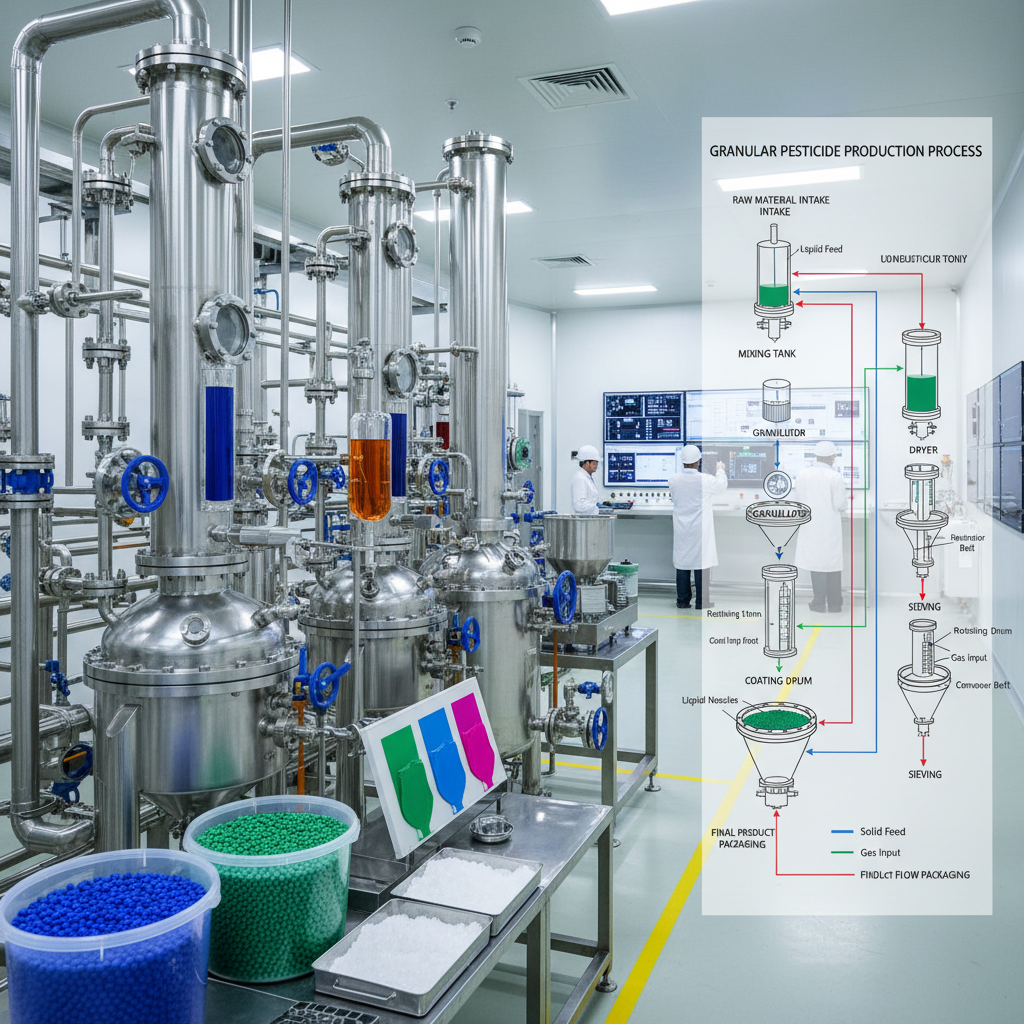 Granular pesticides are a widely used formulation in agriculture, landscaping, and pest control. They offer several advantages over liquid formulations, including targeted application, reduced drift, and extended release. This article provides an in-depth look at granular pesticides, covering their types, applications, benefits, and safety considerations. We'll explore how these formulations contribute to effective pest management and how HBDF ChemPest provides high-quality granular pesticide solutions. Choosing the right pesticide is crucial for both efficacy and environmental responsibility.Read more
 -
 Keeping your indoor plants thriving can be a rewarding experience, but it often comes with the challenge of pest control. While chemical pesticides are readily available, many plant enthusiasts are turning to natural pesticides for indoor plants as a safer and more environmentally friendly solution. This article will explore effective natural pest control methods, helping you protect your plants without harming your home ecosystem or your health. We'll cover various options, from DIY remedies to commercially available products, empowering you to maintain a healthy and beautiful indoor garden.Read more
 -
 In the world of agriculture and pest control, selecting the right pesticide is crucial for protecting crops and maximizing yields. Dragnet pesticide, offered by HBDF ChemPest, stands out as a powerful and effective solution for controlling a wide range of agricultural pests. This article provides a detailed overview of dragnet pesticide, its applications, benefits, safety considerations, and how it compares to other pest control options. We'll explore how choosing the right pesticide can contribute to healthier crops and improved farm productivity.Read more
 -
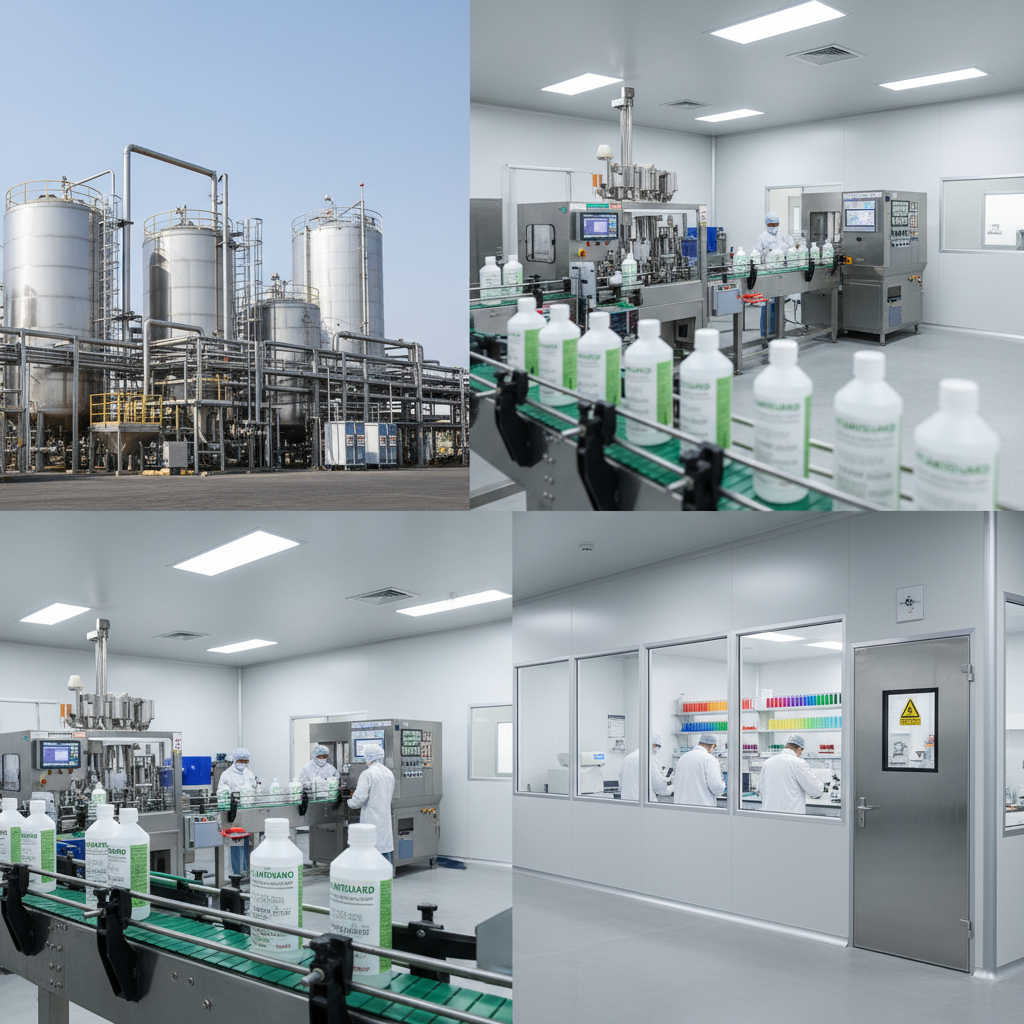 Maintaining healthy houseplants requires more than just sunlight and water. Pests can quickly infest indoor gardens, causing damage and stress to your plants. Selecting the appropriate houseplant pesticide is crucial for effective pest control without harming your plants or your indoor environment. This guide will explore various types of houseplant pesticides, their effectiveness, and how to choose the best option for your needs. Protecting your indoor oasis starts with informed decision-making and proactive pest management.Read more
 -
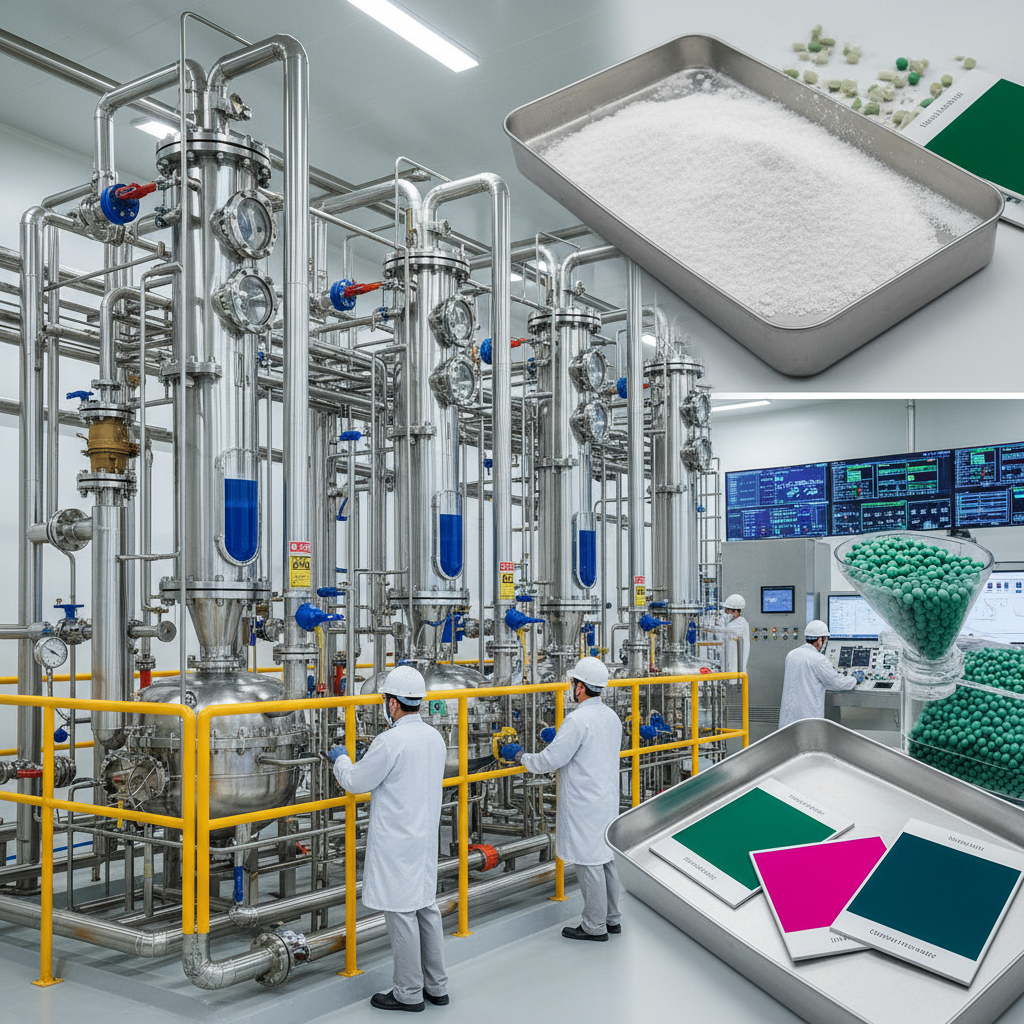 In today’s agricultural landscape, there's a growing demand for environmentally friendly pest management solutions. Bio pesticides offer a compelling alternative to traditional synthetic pesticides, minimizing environmental impact while effectively controlling pests. This article will delve into the world of bio pesticides, exploring their types, benefits, applications, and the role HBDF Chem-Pest plays in providing high-quality, sustainable pest control solutions. Embracing bio pesticides is a crucial step towards a more sustainable and healthy agricultural future. Bio pesticides are naturally occurring pest control substances derived from sources such as plants, bacteria, fungi, viruses, or minerals. Unlike synthetic pesticides, which are typically manufactured chemicals, bio pesticides are often specific to the target pest, reducing the risk to non-target organisms like beneficial insects and wildlife. They generally pose less risk to human health and the environment, making them a preferred choice for sustainable agriculture. HBDF Chem-Pest specializes in sourcing and distributing effective bio pesticide formulations for various agricultural needs.Read more
 -
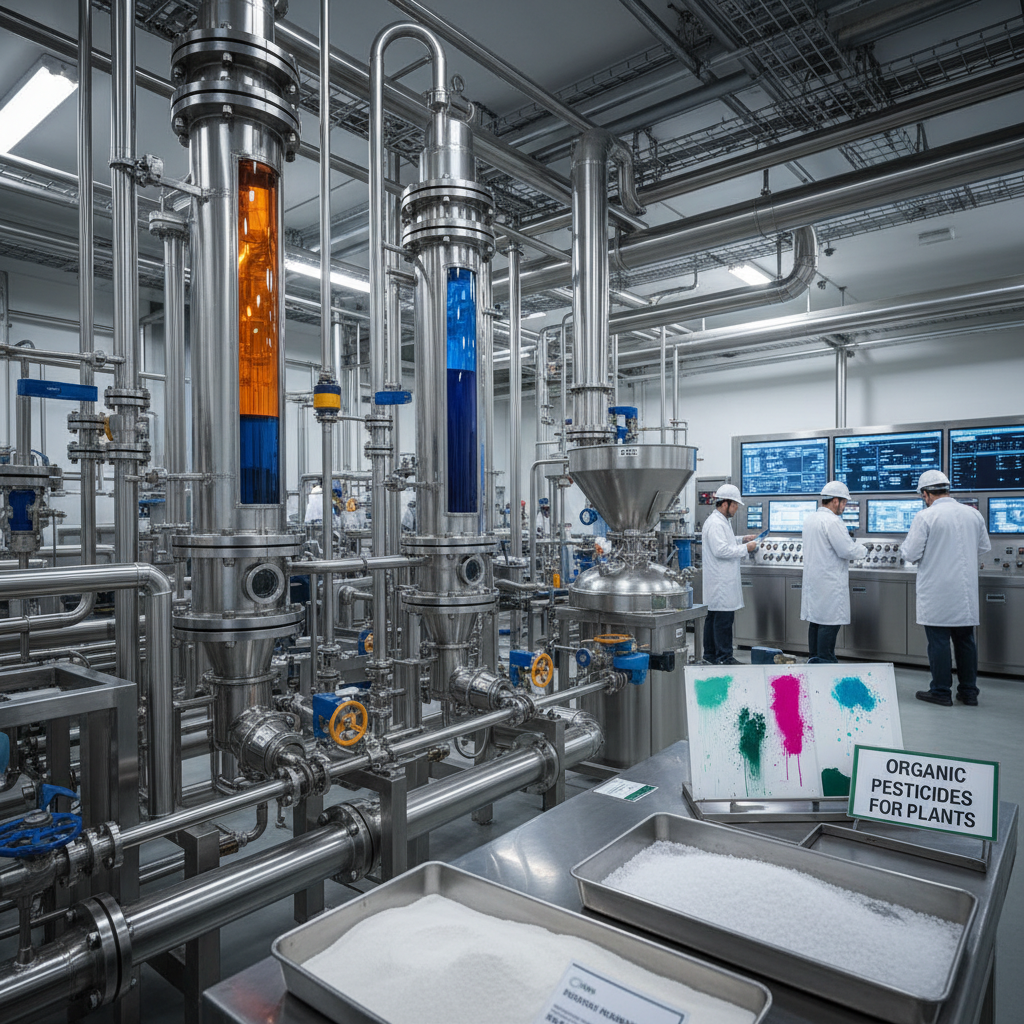 Maintaining healthy plants without resorting to harsh chemicals is a growing concern for gardeners and farmers alike. Organic pesticides for plants offer a sustainable and environmentally friendly solution to pest control. This article will explore the benefits of using organic pesticides, the different types available, and how to choose the right products for your specific needs. Protecting your plants and the environment doesn’t have to be a compromise. HBDF ChemPest provides solutions for a healthy ecosystem. Unlike synthetic pesticides, organic pesticides are derived from natural sources, making them safer for humans, pets, and beneficial insects like bees and butterflies. They break down more quickly in the environment, reducing the risk of soil and water contamination.Read more
 -
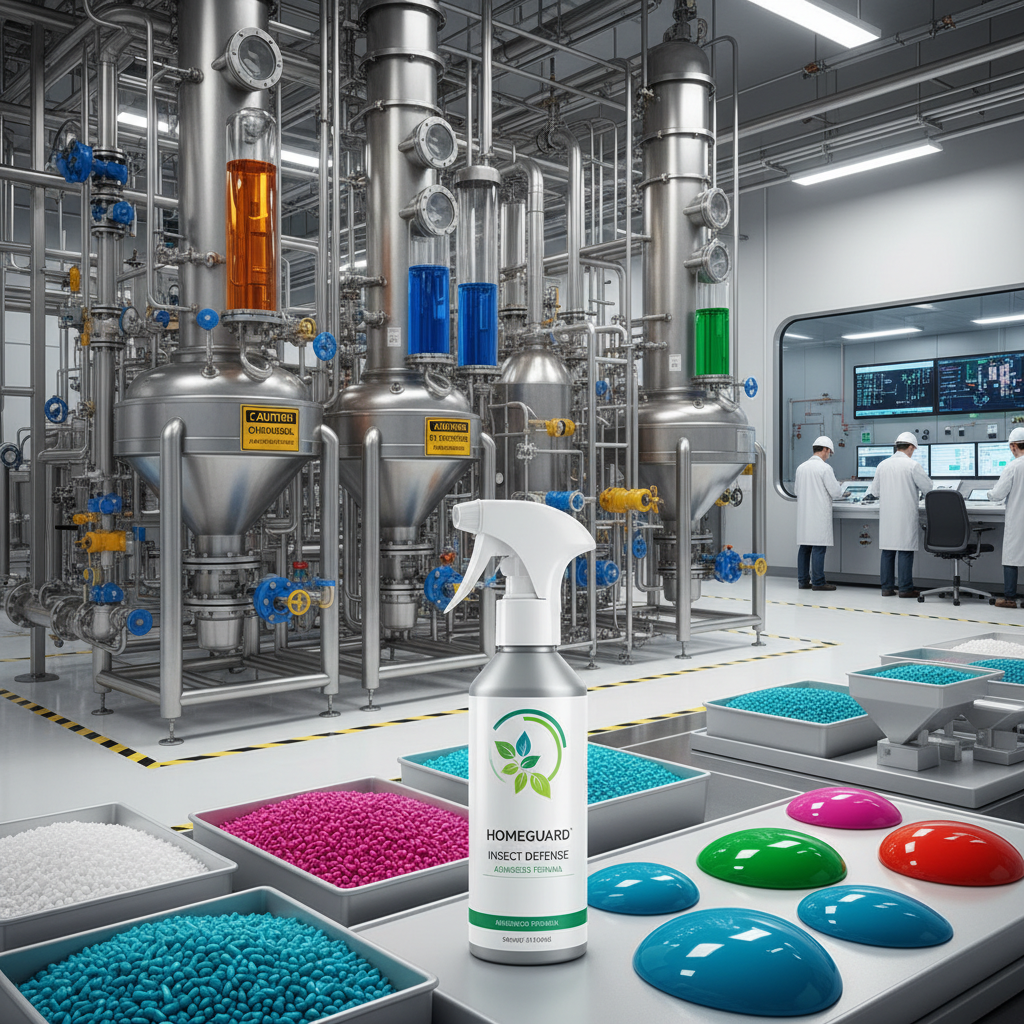 Protecting your home and garden from pests is essential for maintaining a healthy and comfortable living environment. Selecting the right pesticide spray for home use can be overwhelming, given the multitude of options available. This guide will walk you through the key considerations, types of sprays, safety precautions, and how to choose a product that effectively addresses your pest problems while minimizing risks to your family and the environment. We'll cover everything from identifying the pests to understanding the different formulations and application methods, ensuring you can make an informed decision. Before you rush to buy a pesticide spray for home, accurately identifying the pest you're dealing with is crucial. Different pests require different treatment approaches. Are you battling ants, spiders, cockroaches, aphids, or something else? Misidentifying the pest can lead to ineffective treatment and unnecessary chemical exposure. Take a close look at the pest, its behavior, and the areas where you're finding it. Online resources and local pest control experts can assist with identification if you're unsure.Read more
 -
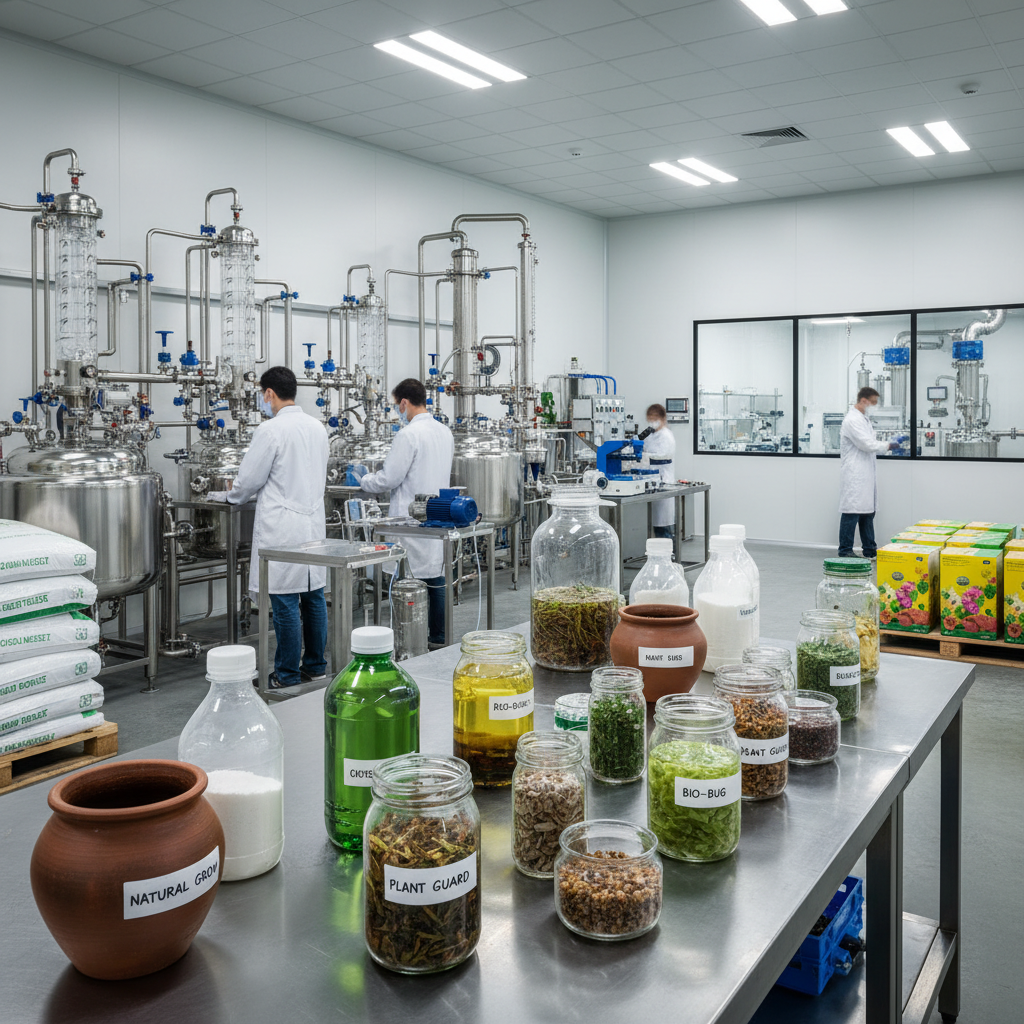 Gardening should be a rewarding experience, but pests can quickly ruin your hard work. Many gardeners are turning to homemade pesticide solutions as a more natural and cost-effective alternative to commercial products. This article will explore the benefits of creating your own pesticides, effective recipes, safety precautions, and when it's best to call in the professionals. Protecting your plants doesn’t have to involve harsh chemicals – discover how to nurture a thriving garden the natural way. There are compelling reasons to consider making your own pesticides. Firstly, it reduces your exposure to potentially harmful chemicals found in many commercial options. Secondly, it's often more affordable, utilizing ingredients you may already have in your kitchen. Thirdly, homemade solutions can be more environmentally friendly, minimizing the impact on beneficial insects and pollinators.Read more
 -
 Maintaining a pest-free indoor environment is crucial for the health and well-being of your family. However, selecting the right indoor pesticides can be a daunting task. This article will guide you through the types of indoor pesticides available, their applications, safety considerations, and how to choose the best solution for your specific needs. We'll also highlight the importance of responsible pesticide use to minimize risks to humans and the environment. Protecting your home from pests doesn't have to mean compromising on safety. Indoor pesticides come in various forms, each with its own advantages and disadvantages. These include sprays, baits, dusts, and foggers. Sprays are generally used for direct application to pests or surfaces they frequent. Baits attract pests to a poisoned food source, while dusts are applied in cracks and crevices. Foggers release a wide-area mist to eliminate pests in enclosed spaces. The effectiveness of each type depends on the specific pest, the extent of the infestation, and the proper application technique.Read more
 -
 Selecting the right pesticides is critical for effective pest control, but it's equally important to prioritize safety. Safe pesticides minimize risks to human health, beneficial organisms, and the environment. This article explores what constitutes a safe pesticide, key considerations for choosing them, and where to find reliable sources, including HBDF ChemPest. Understanding these factors will help you make informed decisions and promote responsible pest management practices. We will also discuss the importance of reading labels and following instructions carefully. The term "safe pesticide" isn't about a product being entirely risk-free. It’s about a pesticide posing the lowest possible risk when used according to label instructions. This includes factors like toxicity to humans and non-target organisms (bees, birds, aquatic life), persistence in the environment, and potential for groundwater contamination. Lower toxicity, rapid degradation, and selective action are hallmarks of safer pesticides.Read more