

News
-
 Maintaining a pest-free indoor environment is crucial for the health and well-being of your family. However, selecting the right indoor pesticides can be a daunting task. This article will guide you through the types of indoor pesticides available, their applications, safety considerations, and how to choose the best solution for your specific needs. We'll also highlight the importance of responsible pesticide use to minimize risks to humans and the environment. Protecting your home from pests doesn't have to mean compromising on safety. Indoor pesticides come in various forms, each with its own advantages and disadvantages. These include sprays, baits, dusts, and foggers. Sprays are generally used for direct application to pests or surfaces they frequent. Baits attract pests to a poisoned food source, while dusts are applied in cracks and crevices. Foggers release a wide-area mist to eliminate pests in enclosed spaces. The effectiveness of each type depends on the specific pest, the extent of the infestation, and the proper application technique.Read more
-
 Selecting the right pesticides is critical for effective pest control, but it's equally important to prioritize safety. Safe pesticides minimize risks to human health, beneficial organisms, and the environment. This article explores what constitutes a safe pesticide, key considerations for choosing them, and where to find reliable sources, including HBDF ChemPest. Understanding these factors will help you make informed decisions and promote responsible pest management practices. We will also discuss the importance of reading labels and following instructions carefully. The term "safe pesticide" isn't about a product being entirely risk-free. It’s about a pesticide posing the lowest possible risk when used according to label instructions. This includes factors like toxicity to humans and non-target organisms (bees, birds, aquatic life), persistence in the environment, and potential for groundwater contamination. Lower toxicity, rapid degradation, and selective action are hallmarks of safer pesticides.Read more
-
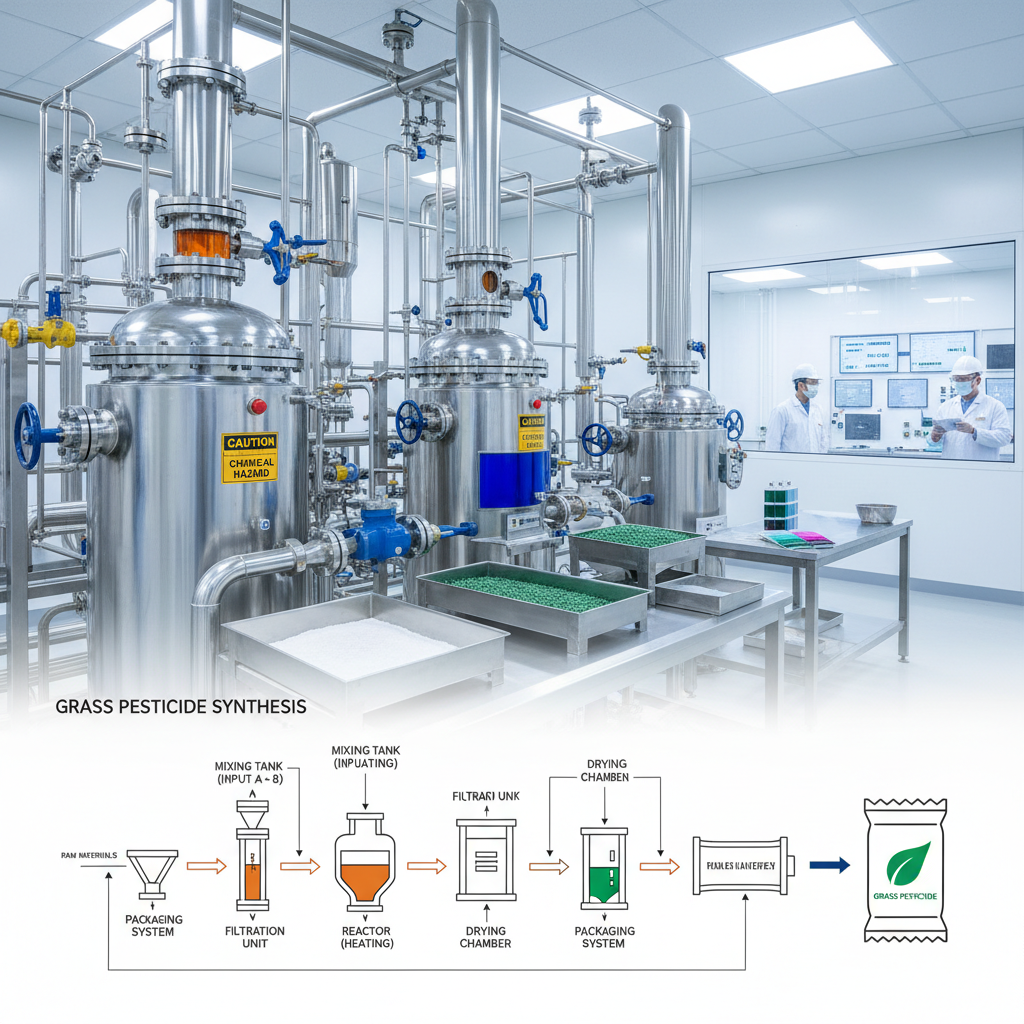 Maintaining a healthy, vibrant lawn often requires the strategic use of grass pesticide. Choosing the right pesticide is crucial not only for eliminating unwanted weeds and pests, but also for ensuring the safety of your family, pets, and the environment. This article delves into the world of grass pesticides, covering types, application methods, safety precautions, and how to select the best solution for your specific needs. We’ll explore options from HBDF ChemPest, a trusted provider of agricultural solutions. Grass pesticides come in various formulations, each with its own advantages and disadvantages. Broadly, they fall into these categories: pre-emergent, post-emergent, and systemic. Pre-emergent pesticides prevent weed seeds from germinating, while post-emergent pesticides target existing weeds. Systemic pesticides are absorbed by the plant and spread throughout its tissues, killing it from within. Understanding the differences is key to effective weed control. HBDF ChemPest offers a diverse range of these formulations to suit various lawn care needs.Read more
-
 Protecting your home and garden from pests is a common concern for homeowners. Selecting the appropriate pesticides for home use requires careful consideration of pest type, safety, and environmental impact. This guide provides a comprehensive overview of available options, application techniques, and safety precautions to help you effectively manage pests while minimizing risks. Understanding the different types of pesticides and their specific applications is crucial for maintaining a healthy and pest-free environment. We’ll explore a variety of solutions from HBDF ChemPest. Pesticides are categorized based on the pests they target. Insecticides control insects, herbicides control weeds, fungicides control fungi, and rodenticides control rodents. Within these categories, you’ll find various formulations – liquids, granules, sprays, and baits – each suited to different applications. Organic pesticides, derived from natural sources, are often favored for their lower environmental impact.Read more
-
 In today’s world, the demand for sustainable and environmentally responsible agricultural practices is increasing. Traditional pesticides, while effective, often come with harmful side effects for both human health and the ecosystem. This has led to a growing interest in non-toxic pesticides – solutions that offer pest control without the damaging consequences. This article will explore the benefits, types, and applications of these safer alternatives, helping you make informed decisions for your farming or gardening needs. Prioritizing non-toxic options safeguards our environment and promotes a healthier future for all. Non-toxic pesticides, also often referred to as biopesticides or natural pesticides, are derived from natural sources and pose minimal risk to humans, beneficial insects, and the environment. Unlike synthetic pesticides which rely on harsh chemicals, these alternatives utilize ingredients like plant extracts, microorganisms, or minerals. They often have a more targeted effect, reducing harm to non-target species. This doesn't mean they are ineffective; many non-toxic pesticides are highly successful at controlling a wide range of pests.Read more
-
 Maintaining a thriving garden shouldn't come at the expense of the environment or your health. Increasingly, gardeners are turning to organic pesticides for garden use, offering effective pest control without harmful chemicals. This article explores the benefits of organic pest control, popular options, application tips, and where to source high-quality products. Discover how to create a healthy, balanced garden ecosystem, naturally. Unlike synthetic pesticides, organic options are derived from natural sources, minimizing risks to beneficial insects, pollinators, wildlife, and human health. Organic pesticides break down more quickly in the environment, reducing long-term contamination. They also contribute to healthier soil, fostering a more resilient garden ecosystem. Choosing organic is a commitment to sustainable gardening practices. These products often target specific pests, leaving beneficial organisms unharmed, which is a crucial aspect of integrated pest management (IPM). A variety of organic pesticides cater to different pest problems. Neem oil, derived from the neem tree, is a broad-spectrum insecticide, fungicide, and miticide. Insecticidal soap effectively controls soft-bodied insects like aphids and whiteflies. Bacillus thuringiensis (Bt) is a bacteria-based insecticide specifically targeting caterpillars. Diatomaceous earth (DE), made from fossilized algae, kills insects by drying out their exoskeletons.Read more
-
 Maintaining healthy indoor plants requires diligent care, and sometimes, dealing with pesky pests. Selecting the appropriate indoor plant pesticide is crucial for effective pest control without harming your plants or your indoor environment. This article will explore the common indoor plant pests, different types of pesticides available, safety considerations, and how to choose the best solution for your specific needs. Protecting your indoor garden is an investment in your well-being and the beauty of your home. We'll delve into eco-friendly options and how to use them effectively. Several pests commonly infest indoor plants. These include aphids, spider mites, mealybugs, fungus gnats, and scale insects. Aphids are small, pear-shaped insects that suck sap from plants, causing stunted growth and distorted leaves. Spider mites are tiny arachnids that create webbing and cause yellowing of foliage. Mealybugs are covered in a white, waxy substance and also feed on plant sap. Fungus gnats are small flies that breed in moist soil and can damage roots. Scale insects are armored insects that attach themselves to stems and leaves, sucking sap.Read more
-
 The use of commercial pesticide is a critical aspect of modern agriculture and public health, enabling effective pest control for increased crop yields and disease prevention. However, selecting the right pesticide requires careful consideration of factors such as target pest, environmental impact, and regulatory compliance. This article provides an in-depth overview of commercial pesticides, their types, applications, safety considerations, and the role of HBDF Chem-Pest in providing high-quality solutions. Choosing the right pesticide is not simply about eradication; it's about responsible and sustainable pest management. Commercial pesticides are categorized based on the pests they target. Insecticides control insects, herbicides control weeds, fungicides control fungal diseases, and rodenticides control rodents. Within these broad categories, there are further classifications based on the pesticide's mode of action – how it kills the pest. This is crucial for preventing pest resistance.Read more
-
 In the world of agriculture and crop protection, selecting the right pesticide is crucial for maximizing yields and ensuring food security. Alpine pesticide, offered by HBDF Chem-Pest, represents a specialized category designed for use in challenging alpine environments. This article will provide a detailed overview of alpine pesticides, their unique properties, applications, and the benefits of choosing HBDF Chem-Pest as your trusted supplier. We'll explore the specific challenges posed by alpine farming and how these specialized pesticides address those needs, guaranteeing effective pest control and optimal crop health. Alpine regions present unique challenges to agriculture. These include shorter growing seasons, cooler temperatures, higher UV exposure, and often, steeper slopes. Traditional pesticides may be less effective due to quicker breakdown in these conditions, or pose a greater risk of runoff into sensitive ecosystems. Alpine pesticides are specifically formulated to overcome these hurdles. They often exhibit enhanced persistence, improved rainfastness, and are designed to minimize environmental impact.Read more
-
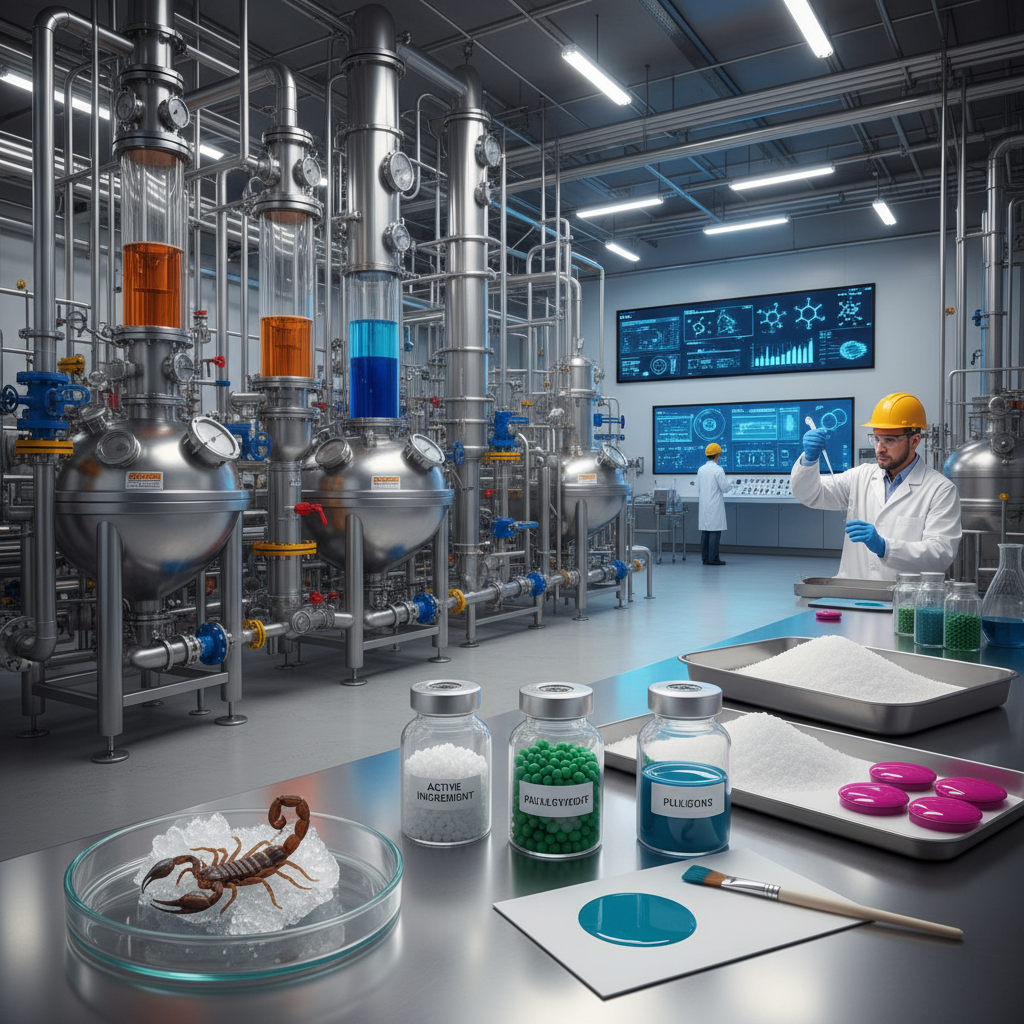 Effective pest control is crucial for protecting crops, preserving public health, and maintaining economic stability. Scorpion pesticide is a widely-used solution for controlling a broad spectrum of pests. This article will delve into the features, benefits, application guidelines, and safety considerations surrounding scorpion pesticide, providing a thorough overview for farmers, pest control professionals, and anyone seeking effective pest management solutions. Understanding how to properly utilize this product can significantly improve the yield and quality of agricultural produce. Scorpion pesticide is a broad-spectrum insecticide formulated to control a wide variety of agricultural and household pests, including aphids, whiteflies, caterpillars, beetles, and more. It typically contains active ingredients that disrupt the nervous system of insects, leading to paralysis and ultimately, death. The pesticide is designed for foliar application, meaning it’s sprayed directly onto plant leaves where pests feed.Read more
-
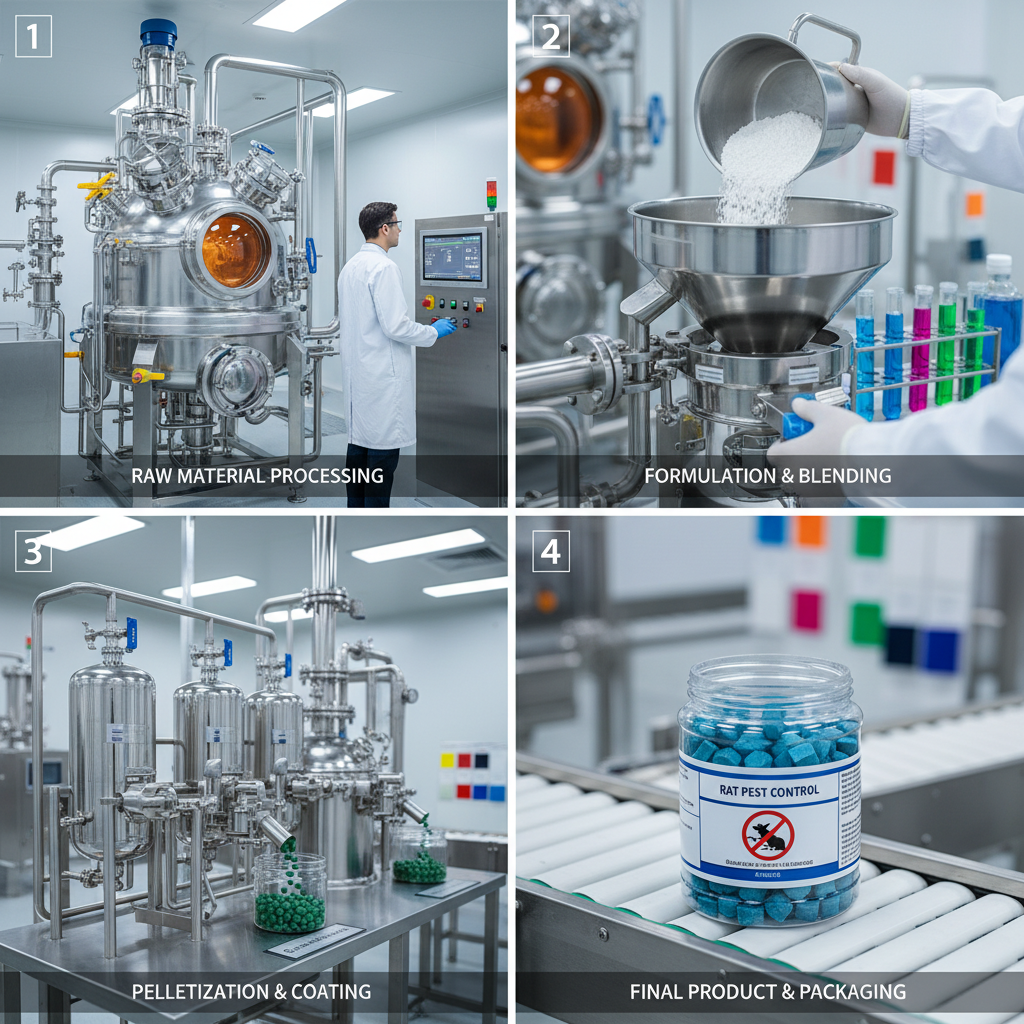 Dealing with a rat infestation can be stressful and damaging. Choosing the right rat pesticide is crucial for effective control and prevention. At HBDF ChemPest, we offer a comprehensive range of rodent control solutions tailored to your specific needs. This article will explore the challenges of rat infestations, different types of rat pesticides, application methods, safety considerations, and why HBDF ChemPest is your trusted partner for a pest-free environment. Protecting your property and health from these pests requires understanding the options available and selecting the most appropriate solution. Rats are highly adaptable and can thrive in various environments, making infestations a common problem for both residential and commercial properties. They contaminate food sources, damage structures through gnawing, and spread diseases. Their rapid breeding rate means a small infestation can quickly escalate into a major problem. Effective control requires a multi-faceted approach that includes sanitation, exclusion, and the strategic use of rat pesticides. Ignoring the issue can lead to significant health risks and property damage, making proactive intervention essential.Read more
-
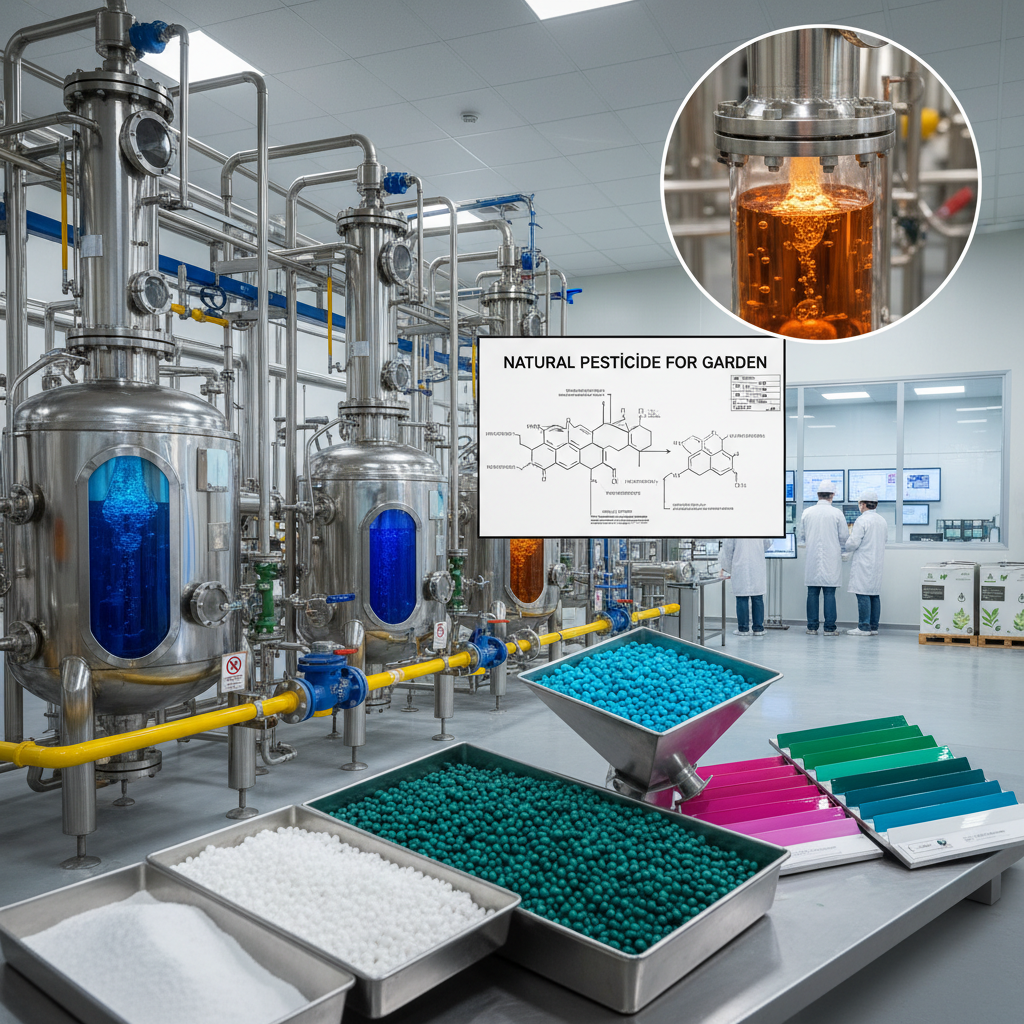 Maintaining a thriving garden shouldn't come at the cost of environmental health. Many conventional pesticides contain harsh chemicals that can harm beneficial insects, wildlife, and even your family. Thankfully, a wide range of effective natural pesticides for garden are available to protect your plants without compromising your values. This guide will explore the benefits of natural pest control, popular options, and how to choose the right solution for your specific garden needs. We’ll help you cultivate a beautiful and healthy garden, naturally. Switching to natural pesticides offers a multitude of advantages. Firstly, they are safer for you, your family, and your pets. Unlike synthetic pesticides, natural options typically have lower toxicity levels. Secondly, they're kinder to the environment, preserving beneficial insects like bees and ladybugs, which play a vital role in pollination and pest control. Finally, many natural pesticides are derived from renewable resources, making them a sustainable choice for gardening. Choosing a natural pesticide for garden is an investment in the long-term health of your ecosystem.Read more


