

Comprehensive Guide to Effective and Safe Commercial Pesticide Use
Commercial Pesticide: A Comprehensive Guide
The use of commercial pesticide is a critical aspect of modern agriculture and public health, enabling effective pest control for increased crop yields and disease prevention. However, selecting the right pesticide requires careful consideration of factors such as target pest, environmental impact, and regulatory compliance. This article provides an in-depth overview of commercial pesticides, their types, applications, safety considerations, and the role of HBDF Chem-Pest in providing high-quality solutions. Choosing the right pesticide is not simply about eradication; it's about responsible and sustainable pest management.
Understanding the Different Types of Commercial Pesticide
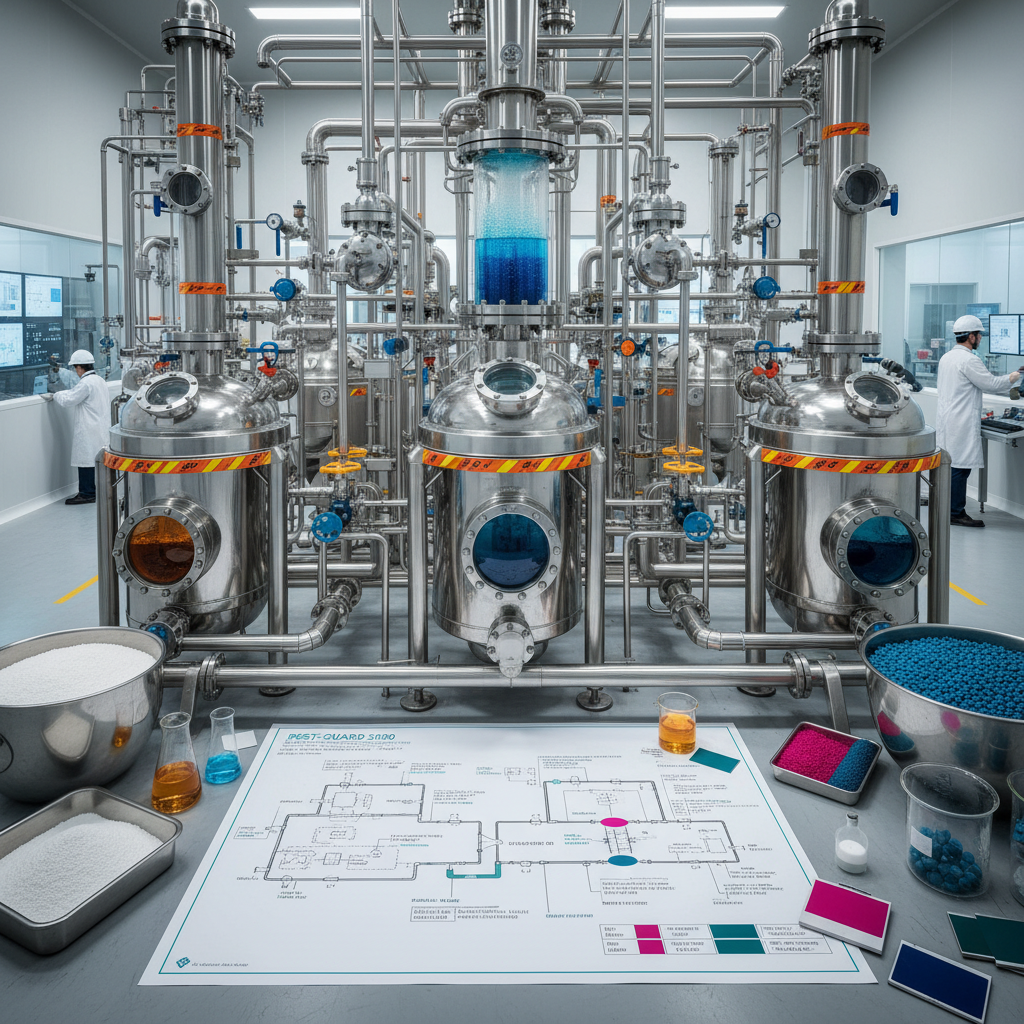
Commercial pesticides are categorized based on the pests they target. Insecticides control insects, herbicides control weeds, fungicides control fungal diseases, and rodenticides control rodents. Within these broad categories, there are further classifications based on the pesticide's mode of action – how it kills the pest. This is crucial for preventing pest resistance. For example, some insecticides disrupt the insect’s nervous system, while others interfere with their growth and development. Understanding these different modes of action is essential for developing effective pest management strategies. HBDF Chem-Pest offers a wide range of pesticides tailored to specific pest challenges.
Key Highlights: Commercial pesticides are categorized by the pest they target. Understanding the mode of action is crucial to prevent pest resistance.
Choosing the Right Commercial Pesticide for Your Needs
Selecting the appropriate commercial pesticide depends on several factors. First, accurately identify the pest you are dealing with. Second, consider the crop or area where the pesticide will be applied. Third, assess the environmental impact and potential risks to non-target organisms. Finally, ensure compliance with local and national regulations. A broad-spectrum pesticide may seem convenient, but it can also harm beneficial insects and disrupt the ecosystem. Targeted pesticides are often a more sustainable and effective solution. HBDF Chem-Pest provides expert guidance to help you make informed decisions.
Key Considerations:
• Accurate pest identification
• Application area and crop type
• Environmental impact assessment
• Regulatory compliance
Commercial Pesticide Comparison: Common Types
Different types of commercial pesticides have varying strengths and weaknesses. The table below provides a comparison of some common types, highlighting their effectiveness, environmental impact, and application considerations. This information can help you choose the pesticide that best suits your specific needs and minimizes potential risks.
Safety Considerations When Using Commercial Pesticide
Handling commercial pesticide requires strict adherence to safety protocols. Always wear appropriate personal protective equipment (PPE), including gloves, masks, and protective clothing. Read and follow the label instructions carefully. Store pesticides in a secure location, away from children and pets. Avoid applying pesticides during windy conditions to prevent drift. Proper disposal of pesticide containers is also crucial to prevent environmental contamination. HBDF Chem-Pest provides detailed safety data sheets (SDS) for all its products.

The Role of HBDF Chem-Pest in Sustainable Pest Management
HBDF Chem-Pest is committed to providing high-quality, effective, and environmentally responsible pesticide solutions. We offer a wide range of products, expert technical support, and comprehensive safety training. Our team works closely with farmers, agricultural professionals, and public health organizations to develop tailored pest management strategies. We prioritize sustainable practices and promote the responsible use of pesticides to minimize environmental impact and protect human health.
Conclusion: Responsible Pesticide Use for a Healthier Future
The responsible use of commercial pesticides is essential for protecting crops, preventing disease, and ensuring a sustainable food supply. By understanding the different types of pesticides, safety considerations, and the importance of integrated pest management, we can minimize environmental impact and protect human health. HBDF Chem-Pest is your trusted partner in achieving these goals.
Frequently Asked Questions (FAQs)
What is integrated pest management (IPM)?
Integrated Pest Management (IPM) is a sustainable approach to pest control that combines multiple strategies to minimize pesticide use. It involves monitoring pest populations, using cultural practices to prevent infestations, employing biological control methods (e.g., beneficial insects), and applying pesticides only when necessary. IPM aims to create a balanced ecosystem where pests are managed effectively without harming the environment or human health. HBDF Chem-Pest supports IPM practices by offering a range of products and services that align with this approach.
How can I prevent pesticide resistance?
Pesticide resistance develops when pests evolve mechanisms to survive exposure to pesticides. To prevent resistance, rotate pesticides with different modes of action. Avoid using the same pesticide repeatedly over extended periods. Implement IPM strategies to reduce reliance on chemical control. Monitor pest populations for signs of resistance and adjust your pest management plan accordingly. HBDF Chem-Pest provides guidance on pesticide rotation and resistance management.
What are the regulations surrounding commercial pesticide use?
Commercial pesticide use is heavily regulated by government agencies to protect human health and the environment. Regulations vary by country and region. Typically, pesticide applicators are required to be licensed or certified. Restrictions may apply to certain pesticides based on their toxicity or environmental impact. Proper record-keeping and reporting are also often required. It’s crucial to stay informed about and comply with all applicable regulations. HBDF Chem-Pest ensures all its products meet regulatory standards and provides information on safe and compliant use.
Where can I find safety data sheets (SDS) for HBDF Chem-Pest products?
Safety Data Sheets (SDS) for all HBDF Chem-Pest products are readily available on our website, www.hbdfchempest.com, under the "Resources" or "SDS" section. These sheets provide detailed information on product hazards, handling precautions, emergency procedures, and other critical safety data. We encourage all users to review the SDS before handling any of our products.
-
Understanding Different Types of Pesticides for Effective Pest ControlNewsApr.16,2026
-
Effective Vegetable Pesticides for Maximizing Crop YieldsNewsApr.09,2026
-
Comprehensive Guide to Granular Pesticide Applications and Effective Pest ManagementNewsApr.07,2026
-
Effective Natural Pesticides for Indoor Plants A Comprehensive GuideNewsApr.04,2026
-
Comprehensive Guide to Dragnet Pesticide for Effective Pest ManagementNewsMar.31,2026
-
Effective Houseplant Pesticide Solutions for a Thriving Indoor GardenNewsMar.28,2026
-
Sustainable Pest Control with Bio Pesticides for a Healthier FutureNewsMar.26,2026