

Effective Indoor Plant Pesticide Choices for Healthy Plant Growth
Choosing the Right indoor plant pesticide for Healthy Growth
Maintaining healthy indoor plants requires diligent care, and sometimes, dealing with pesky pests. Selecting the appropriate indoor plant pesticide is crucial for effective pest control without harming your plants or your indoor environment. This article will explore the common indoor plant pests, different types of pesticides available, safety considerations, and how to choose the best solution for your specific needs. Protecting your indoor garden is an investment in your well-being and the beauty of your home. We'll delve into eco-friendly options and how to use them effectively.
Common Indoor Plant Pests
Several pests commonly infest indoor plants. These include aphids, spider mites, mealybugs, fungus gnats, and scale insects. Aphids are small, pear-shaped insects that suck sap from plants, causing stunted growth and distorted leaves. Spider mites are tiny arachnids that create webbing and cause yellowing of foliage. Mealybugs are covered in a white, waxy substance and also feed on plant sap. Fungus gnats are small flies that breed in moist soil and can damage roots. Scale insects are armored insects that attach themselves to stems and leaves, sucking sap. Identifying the pest correctly is the first step towards effective treatment. Early detection is key to preventing widespread infestations.
Key Highlights: Accurate pest identification is crucial for selecting the right indoor plant pesticide and achieving successful pest control.
Types of Indoor Plant Pesticide
There are several types of indoor plant pesticide available, each with its own advantages and disadvantages. Chemical pesticides are effective but can be harmful to humans, pets, and the environment. Organic pesticides, such as neem oil and insecticidal soap, are less toxic and are a good option for those concerned about environmental impact. Biological control involves using natural predators, like ladybugs, to control pest populations. Choosing the right type depends on the severity of the infestation, your personal preferences, and the type of plant you are treating. Always read and follow the label instructions carefully.
Pesticide Type Benefits:
• Chemical Pesticides: Fast-acting and highly effective.
• Organic Pesticides: Safer for humans, pets, and the environment.
• Biological Control: Sustainable and environmentally friendly.
Comparing Organic Pesticide Options
Organic pesticides offer a safer alternative to harsh chemicals. Let's compare some popular options:
Safety Considerations When Using Indoor Plant Pesticides
Whether you choose chemical or organic indoor plant pesticides, safety is paramount. Always wear gloves and eye protection when applying pesticides. Ensure adequate ventilation in the area. Keep pesticides out of reach of children and pets. Avoid applying pesticides directly to edible plants unless the product is specifically labeled for that purpose. Wash your hands thoroughly after handling pesticides. Proper storage is also crucial; store pesticides in a cool, dry place, away from direct sunlight and extreme temperatures. If you're concerned about the safety of a specific product, consult the product's Material Safety Data Sheet (MSDS).
Choosing the Right Indoor Plant Pesticide from HBDF ChemPest
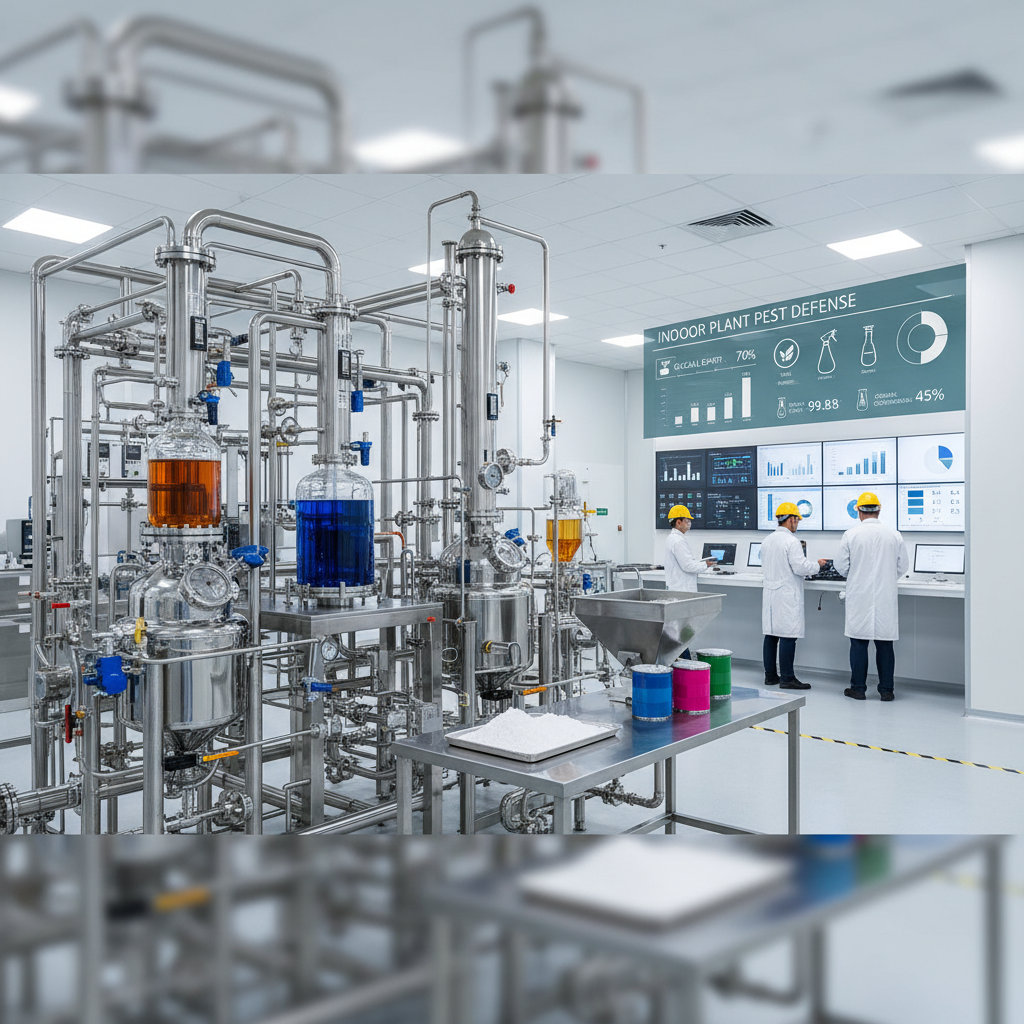
At HBDF ChemPest, we offer a wide range of high-quality indoor plant pesticides to suit your needs. We provide detailed product information, including active ingredients, application instructions, and safety guidelines. Our team of experts is available to assist you in choosing the best solution for your specific pest problem. We prioritize safety and environmental responsibility, offering both conventional and organic options. Browse our selection today and take the first step towards a healthy and thriving indoor garden!
Conclusion: Protecting Your Indoor Oasis
Choosing the right indoor plant pesticide is essential for maintaining the health and beauty of your indoor garden. By understanding the common pests, available pesticide types, and safety considerations, you can effectively control infestations and create a thriving indoor environment. Trust HBDF ChemPest for reliable products and expert advice.
Frequently Asked Questions (FAQs)
How often should I treat my plants with pesticide?
The frequency of treatment depends on the severity of the infestation and the type of pesticide used. For mild infestations, a single application of organic pesticide may be sufficient. For more severe infestations, you may need to repeat the treatment every 7-10 days. Always follow the instructions on the product label. It's also important to monitor your plants regularly for signs of pests, even after treatment, and reapply if necessary. Preventative measures, such as good air circulation and regular inspection, can reduce the need for frequent pesticide applications.
Can I use the same pesticide on all my plants?
Not necessarily. Some plants are more sensitive to certain pesticides than others. Always check the product label to ensure that it is safe for use on your specific plant type. It's also a good idea to test the pesticide on a small area of the plant before applying it to the entire plant. Different pests may also require different pesticides for effective control, so consider the specific pest you are targeting when choosing a product. HBDF ChemPest offers pesticides formulated for various plant types.
What can I do to prevent pest infestations?
Prevention is key! Maintain good air circulation around your plants. Inspect new plants for pests before bringing them indoors. Regularly clean plant leaves to remove dust and potential pests. Avoid overwatering, as moist soil can attract fungus gnats. Isolate infested plants to prevent the spread of pests to other plants. Consider using sticky traps to monitor for pests and catch them early. Providing your plants with the right amount of light, water, and nutrients will also help them stay healthy and resistant to pests.
Are organic pesticides as effective as chemical pesticides?
Organic pesticides are often less potent than chemical pesticides, meaning they may require more frequent applications. However, they are generally effective for controlling mild to moderate infestations, particularly when used early. The effectiveness of organic pesticides also depends on the specific pest and the type of organic pesticide used. For severe infestations, a combination of organic and chemical pesticides may be necessary, but always prioritize safety and follow label instructions carefully. HBDF ChemPest offers a range of organic and chemical options to suit your needs.
-
Understanding Different Types of Pesticides for Effective Pest ControlNewsApr.16,2026
-
Effective Vegetable Pesticides for Maximizing Crop YieldsNewsApr.09,2026
-
Comprehensive Guide to Granular Pesticide Applications and Effective Pest ManagementNewsApr.07,2026
-
Effective Natural Pesticides for Indoor Plants A Comprehensive GuideNewsApr.04,2026
-
Comprehensive Guide to Dragnet Pesticide for Effective Pest ManagementNewsMar.31,2026
-
Effective Houseplant Pesticide Solutions for a Thriving Indoor GardenNewsMar.28,2026
-
Sustainable Pest Control with Bio Pesticides for a Healthier FutureNewsMar.26,2026