

Effective Organic Pesticides for Garden Health and Sustainable Pest Control
Choosing the Right Organic Pesticides for Garden Health
Maintaining a thriving garden shouldn't come at the expense of the environment or your health. Increasingly, gardeners are turning to organic pesticides for garden use, offering effective pest control without harmful chemicals. This article explores the benefits of organic pest control, popular options, application tips, and where to source high-quality products. Discover how to create a healthy, balanced garden ecosystem, naturally.
The Benefits of Organic Pest Control
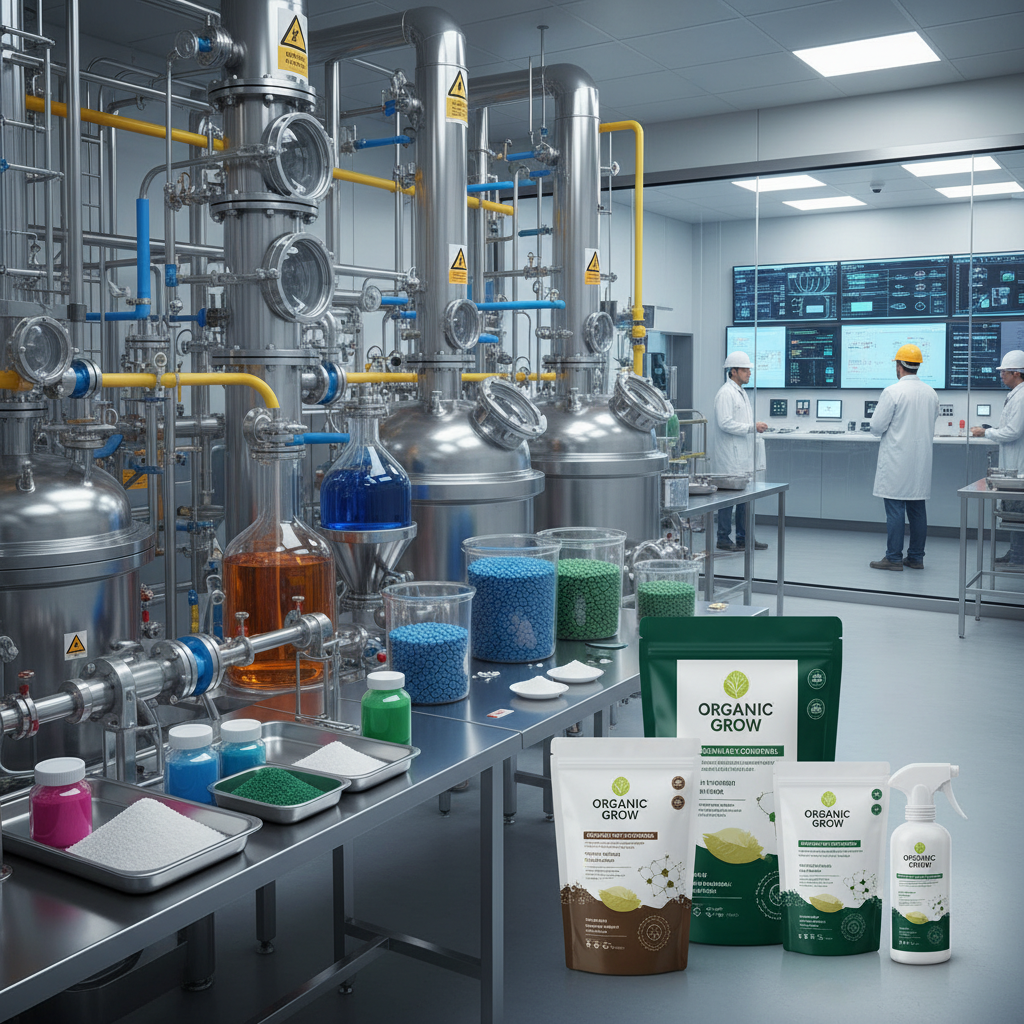
Unlike synthetic pesticides, organic options are derived from natural sources, minimizing risks to beneficial insects, pollinators, wildlife, and human health. Organic pesticides break down more quickly in the environment, reducing long-term contamination. They also contribute to healthier soil, fostering a more resilient garden ecosystem. Choosing organic is a commitment to sustainable gardening practices. These products often target specific pests, leaving beneficial organisms unharmed, which is a crucial aspect of integrated pest management (IPM).
Key Advantages: Minimal environmental impact, safe for pollinators, promotes soil health, reduces risk to human health, supports a balanced ecosystem.
Popular Organic Pesticide Options for Your Garden
A variety of organic pesticides cater to different pest problems. Neem oil, derived from the neem tree, is a broad-spectrum insecticide, fungicide, and miticide. Insecticidal soap effectively controls soft-bodied insects like aphids and whiteflies. Bacillus thuringiensis (Bt) is a bacteria-based insecticide specifically targeting caterpillars. Diatomaceous earth (DE), made from fossilized algae, kills insects by drying out their exoskeletons. Pyrethrin, extracted from chrysanthemum flowers, provides quick knockdown of many pests. Each option has its strengths and is best suited for different situations. Explore the diverse range of organic pesticides available at HBDF Chem Pest.
Organic Pesticide Breakdown:
• Neem Oil: Broad-spectrum, systemic action.
• Insecticidal Soap: Effective against soft-bodied insects.
• Bt: Targets caterpillars specifically.
• Diatomaceous Earth: Physical insecticide, good for crawling insects.
Comparing Common Organic Pesticides
Choosing the right organic pesticide depends on the pest and your gardening goals. Here's a comparison to help you decide:
Application Tips for Organic Pesticides
Effective application is key. Always follow label instructions carefully. Apply pesticides in the early morning or late evening to avoid harming beneficial insects. Ensure thorough coverage of affected plant parts, including undersides of leaves. Consider using a sprayer for even distribution. Repeat applications may be necessary. Monitor your plants regularly for pest activity and adjust your approach as needed. Prevention, such as companion planting and attracting beneficial insects, is always the best strategy.
Where to Buy High-Quality Organic Pesticides
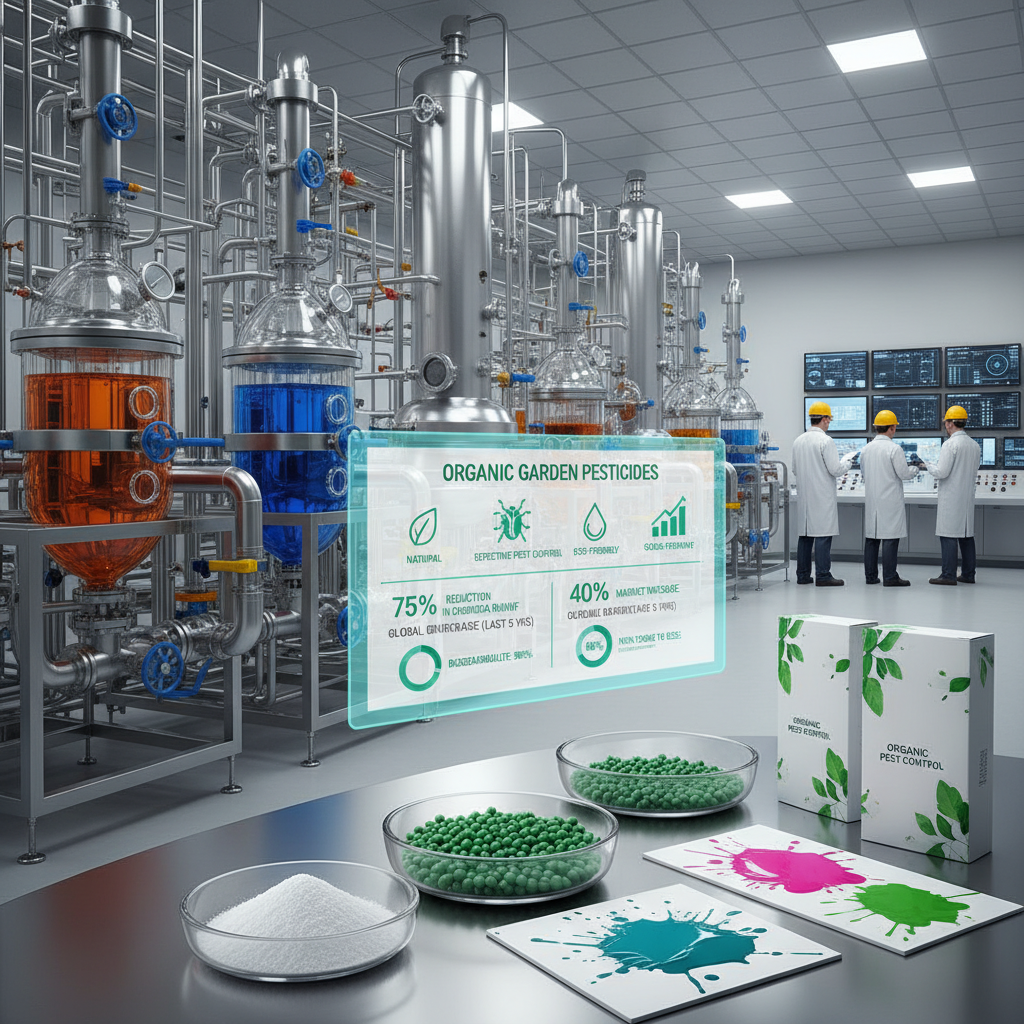
Sourcing from a reputable supplier is essential. HBDF Chem Pest offers a wide selection of certified organic pesticides, ensuring quality and effectiveness. We provide detailed product information and expert advice to help you choose the right solution for your garden. Our commitment to sustainability aligns with the principles of organic gardening. We strive to offer environmentally friendly and effective pest control solutions.
Conclusion: Embrace Organic Gardening for a Healthier Planet
Switching to organic pesticides for garden use is a powerful step towards creating a sustainable and thriving garden. It protects your plants, benefits the environment, and safeguards your health. Explore the range of products available at HBDF Chem Pest and embrace the beauty of organic gardening.
Frequently Asked Questions (FAQs)
Are organic pesticides completely harmless?
While organic pesticides are generally much safer than synthetic alternatives, they are not completely harmless. Some organic pesticides can still be toxic to beneficial insects or aquatic life if not used properly. Always read and follow label instructions carefully, and avoid spraying near waterways. It’s essential to understand that "organic" doesn’t automatically mean "non-toxic," but rather derived from natural sources and generally less harmful to the environment and human health when used as directed. Proper application and targeted use are key to minimizing any potential risks.
How often should I apply organic pesticides?
The frequency of application depends on the specific pesticide, the pest problem, and the severity of the infestation. Generally, organic pesticides need to be reapplied more frequently than synthetic pesticides because they break down more quickly. Always follow the instructions on the product label for recommended application intervals. It’s often best to start with the lowest recommended dose and increase as needed, monitoring your plants regularly for pest activity. Preventative applications can also be helpful in managing pest populations.
Can organic pesticides be used on edible plants?
Yes, many organic pesticides are approved for use on edible plants, but it’s crucial to check the product label to ensure it is specifically listed for that purpose. Look for pesticides labeled for use on fruits, vegetables, and herbs. Always follow the pre-harvest interval (PHI) specified on the label, which indicates the minimum number of days you must wait between the last application and harvest. Washing produce thoroughly before eating is also recommended.
What is the best way to store organic pesticides?
Store organic pesticides in a cool, dry, and well-ventilated area, away from direct sunlight, heat, and moisture. Keep them out of reach of children and pets. Always store pesticides in their original containers with the labels intact. Never transfer pesticides to unlabeled containers. Follow any specific storage instructions provided on the product label. Proper storage helps maintain the effectiveness of the pesticide and prevents accidental exposure.
-
Understanding Different Types of Pesticides for Effective Pest ControlNewsApr.16,2026
-
Effective Vegetable Pesticides for Maximizing Crop YieldsNewsApr.09,2026
-
Comprehensive Guide to Granular Pesticide Applications and Effective Pest ManagementNewsApr.07,2026
-
Effective Natural Pesticides for Indoor Plants A Comprehensive GuideNewsApr.04,2026
-
Comprehensive Guide to Dragnet Pesticide for Effective Pest ManagementNewsMar.31,2026
-
Effective Houseplant Pesticide Solutions for a Thriving Indoor GardenNewsMar.28,2026
-
Sustainable Pest Control with Bio Pesticides for a Healthier FutureNewsMar.26,2026