

News
-
Growing healthy, thriving vegetables requires diligent pest control. However, many traditional pesticides contain harsh chemicals that can be detrimental to your health, the environment, and the beneficial insects that help pollinate your crops. Fortunately, a range of organic pesticides for vegetables offer effective solutions without the harmful side effects. This guide explores the benefits of organic pest control, common types of organic pesticides, and how to choose the right products for your garden. Protecting your harvest and the planet starts with informed choices. Switching to organic pesticides provides numerous advantages. Firstly, you're protecting your health and the health of your family by avoiding exposure to potentially toxic chemicals. Secondly, organic pesticides are generally safer for beneficial insects like bees and ladybugs, which play a vital role in pollination and natural pest control. Thirdly, using organic options contributes to a healthier ecosystem by reducing chemical runoff into waterways and soil contamination.Read more
-
Effective pest control is crucial for maintaining healthy crops, landscapes, and homes. Selecting the right pesticide spray can be a daunting task, given the vast array of options available. This guide will navigate you through the key considerations, types of sprays, application techniques, and safety precautions, helping you make an informed decision for your specific needs. Understanding these factors ensures optimal pest control while minimizing environmental impact. HBDF ChemPest offers a wide range of high-quality pesticide sprays to suit diverse applications. Pesticide sprays come in several forms, each suited for different applications and pest types. Contact pesticides kill pests upon direct contact, offering immediate but shorter-lasting control. Systemic pesticides are absorbed by the plant, providing protection from within, ideal for sucking insects. Residual pesticides leave a film that continues to kill pests for a longer period. Pre-emergent pesticides prevent weed seeds from germinating. Understanding these differences is vital to effectively target the specific pest you're dealing with.Read more
-
Maintaining a lush, healthy lawn requires diligent care, and sometimes, that includes the strategic use of lawn pesticides. However, selecting the appropriate product can be daunting. This guide will explore the types of lawn pesticides, how to choose the right one for your needs, application best practices, and safety considerations, ensuring your lawn thrives while minimizing environmental impact. Understanding your lawn's specific needs and the different types of pesticides available is key to effective pest control. Lawn pesticides come in several categories, each targeting different types of pests. Insecticides control insects like grubs, ants, and chinch bugs. Herbicides manage unwanted weeds, either pre-emergent (preventing seeds from germinating) or post-emergent (killing existing weeds). Fungicides combat fungal diseases like brown patch or dollar spot. Finally, Nematicides target nematodes, microscopic worms that damage root systems. Choosing the right pesticide depends on accurately identifying the pest causing the problem.Read more
-
Plant growth regulators (PGRs) are vital tools for modern agriculture, playing a crucial role in optimizing crop quality and yield. Understanding the plant growth regulator price is just the first step; knowing how to effectively utilize these compounds is paramount. This article will delve into the factors influencing PGR pricing, explore different types of PGRs, and offer guidance on selecting the right products for your agricultural needs. We’ll cover how to get the best value and maximize return on investment when utilizing PGRs. The plant growth regulator price can fluctuate considerably based on several factors. The concentration of the active ingredient is a primary driver; higher concentrations generally command a premium. The type of PGR, with some compounds being more complex and costly to synthesize, also impacts the price. Furthermore, the manufacturer, purity levels, formulation (liquid, powder, etc.), and order volume all contribute to the final cost. Global supply chain dynamics, regulatory requirements, and even seasonal demand can create price volatility. Several classes of PGRs are commonly used in agriculture, each with its unique effects and price point. Auxins, like Indole-3-acetic acid (IAA), promote cell elongation and root development. Gibberellins stimulate stem elongation and flowering.Read more
-
Finding the right insect killer at the right price can be a challenge. With numerous options available, understanding the factors that influence cost and identifying reputable suppliers are crucial. This article will guide you through the landscape of insect killer pricing, exploring different types, key considerations, and how to secure the best value from a trusted source like HBDF ChemPest. We'll cover everything from DIY solutions to professional-grade products, helping you make an informed decision to protect your property from pests. Several factors contribute to the final insect killer price. The type of insecticide is a major determinant. Concentrated formulas generally cost more upfront but offer better value due to dilution capabilities. The target pest also influences the price; specialized insecticides for specific pests (like termites or bed bugs) tend to be more expensive than general-purpose options. Brand reputation, product efficacy, and quantity purchased all play a role, too. Finally, shipping costs and regional regulations can add to the overall expense.Read more
-
In the dynamic world of global trade, sourcing high-quality chem raw material is crucial for manufacturers across various industries. This article provides a detailed overview of navigating the complexities of chem raw material sourcing, focusing on key considerations, reliable suppliers, and best practices for ensuring quality and cost-effectiveness. We’ll explore the crucial aspects of importing, exporting, and the role of specialized chemical suppliers. Effective sourcing directly impacts product quality, production efficiency, and ultimately, your bottom line. “Chem raw material” encompasses a vast category of unprocessed or partially processed chemical substances used as inputs in a wide array of manufacturing processes. These materials form the building blocks for numerous products, ranging from plastics and pharmaceuticals to paints and agrochemicals. The key lies in understanding their purity, specifications, and consistency. Common examples include organic and inorganic chemicals, solvents, acids, bases, polymers, and monomers.Read more
-
Learn about orthene aphids, a common problem in industrial cooling systems. We discuss prevention, treatment, and vendor comparisons.Read more
-
 In the dynamic world of agriculture and industry, the significance of reliable pesticides manufacturers cannot be overstated.Read more
-
 For many homeowners, maintaining a healthy, green lawn is a top priority. Using the right lawn pesticides can help eliminate unwanted pests like grubs, ants, and ticks without damaging the grass or soil.Read more
-
 In today's fast-moving production world, reliable chemical raw materials suppliers are essential to keeping factories and businesses running smoothly.Read more
-
 When seeking a dependable imidacloprid supplier, it's essential to consider factors such as product purity, consistency, and regulatory compliance.Read more
-
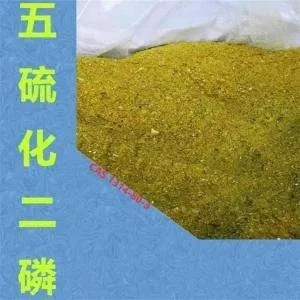 Phosphorus pentasulfide is a fascinating inorganic compound that plays a crucial role in various industrial applications.Read more


