

Comprehensive Guide to Choosing the Right Pesticide Spray for Effective Pest Control
Choosing the Right Pesticide Spray: A Comprehensive Guide
Effective pest control is crucial for maintaining healthy crops, landscapes, and homes. Selecting the right pesticide spray can be a daunting task, given the vast array of options available. This guide will navigate you through the key considerations, types of sprays, application techniques, and safety precautions, helping you make an informed decision for your specific needs. Understanding these factors ensures optimal pest control while minimizing environmental impact. HBDF ChemPest offers a wide range of high-quality pesticide sprays to suit diverse applications.
Understanding Different Types of Pesticide Spray
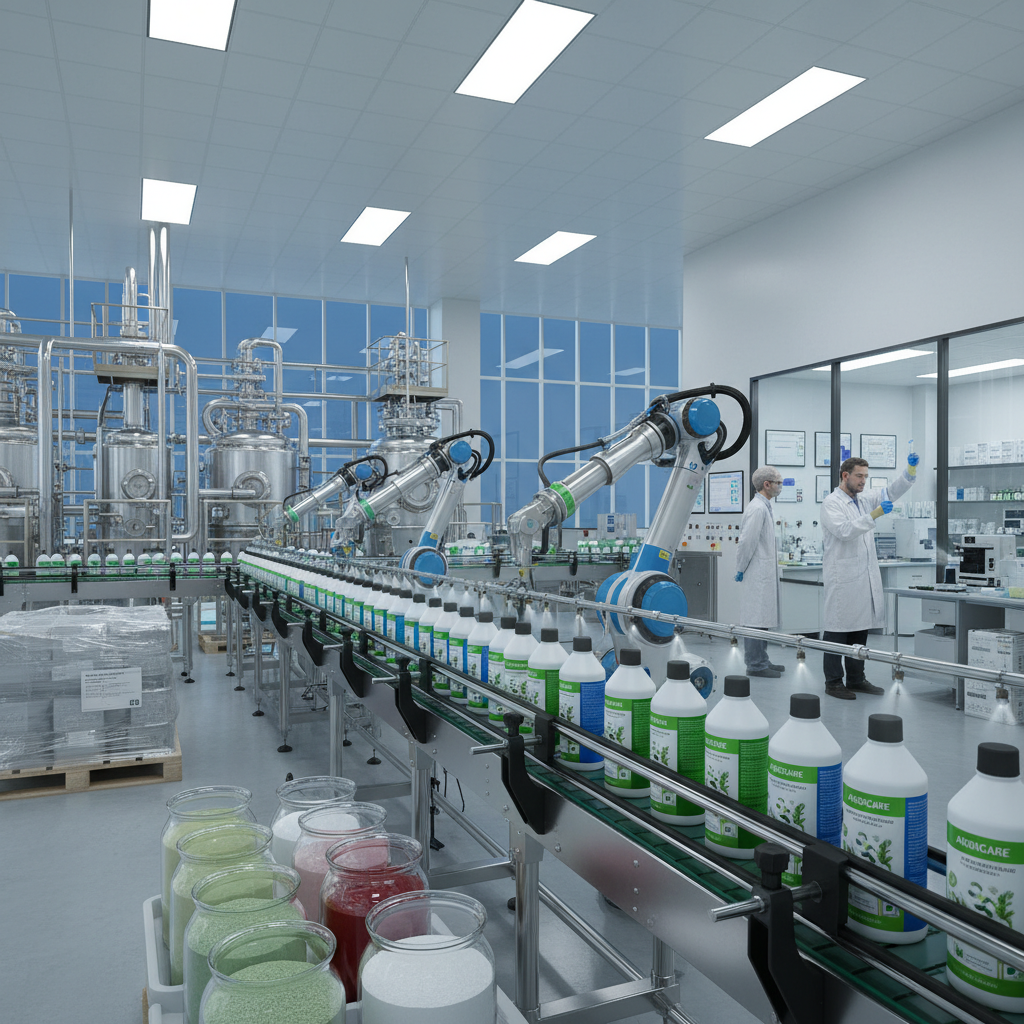
Pesticide sprays come in several forms, each suited for different applications and pest types. Contact pesticides kill pests upon direct contact, offering immediate but shorter-lasting control. Systemic pesticides are absorbed by the plant, providing protection from within, ideal for sucking insects. Residual pesticides leave a film that continues to kill pests for a longer period. Pre-emergent pesticides prevent weed seeds from germinating. Understanding these differences is vital to effectively target the specific pest you're dealing with. HBDF ChemPest provides detailed product descriptions to help you choose the right type for your needs.
Key Highlights: Choosing the right pesticide spray depends on the pest type, application area, and desired duration of control. Consider contact, systemic, residual, and pre-emergent options.
Factors to Consider When Selecting a Pesticide Spray
Several factors influence the choice of pesticide spray. First, identify the specific pest causing the problem. Different pesticides target different pests, so accurate identification is critical. Second, consider the application environment – indoor vs. outdoor, crops vs. ornamental plants. Third, assess the potential impact on beneficial insects and the environment. Always choose a pesticide registered for the intended use and follow label instructions carefully. HBDF ChemPest offers environmentally responsible options.
Key Considerations:
• Accurate Pest Identification
• Application Environment (Indoor/Outdoor)
• Environmental Impact
• Label Registration and Instructions
Comparing Popular Pesticide Spray Options
The market offers a wide variety of pesticide sprays. Here’s a comparison of some popular choices, showcasing their strengths and weaknesses:
Safe Application of Pesticide Spray
Safety is paramount when applying pesticide sprays. Always wear appropriate personal protective equipment (PPE), including gloves, masks, and eye protection. Read and follow the label instructions meticulously. Apply the spray in a well-ventilated area and avoid spraying on windy days. Store pesticides securely, out of reach of children and pets. Dispose of empty containers responsibly. HBDF ChemPest is committed to promoting safe pesticide use.

Conclusion: Choosing the Right Solution for Your Needs
Investing in Effective Pest Control
Selecting the right pesticide spray is a vital component of successful pest management. By carefully considering the pest type, application environment, and safety precautions, you can effectively control pests while protecting your environment and health. HBDF ChemPest offers a comprehensive range of solutions and expert advice to help you achieve optimal results.
Frequently Asked Questions (FAQs)
What are the potential environmental impacts of pesticide use?
Pesticides can have several environmental impacts, including harming beneficial insects, contaminating water sources, and disrupting ecosystems. Choosing selective pesticides, using integrated pest management (IPM) techniques, and following label instructions carefully can minimize these impacts. Opting for products with lower toxicity profiles, like those offered by HBDF ChemPest, can further reduce environmental risks.
How do I properly dispose of empty pesticide containers?
Empty pesticide containers should never be reused. Rinse the container thoroughly with water (following label instructions) and dispose of it according to local regulations. Many areas have designated collection sites for hazardous waste. Never pour leftover pesticides down the drain or into the environment. Always refer to the pesticide label for specific disposal instructions.
What is Integrated Pest Management (IPM)?
Integrated Pest Management (IPM) is a holistic approach to pest control that emphasizes prevention, monitoring, and the use of multiple control methods. It prioritizes non-chemical methods like cultural practices, biological control, and physical barriers before resorting to pesticides. When pesticides are necessary, IPM advocates for using the most selective and least toxic options. HBDF ChemPest supports IPM practices by offering a range of environmentally friendly solutions.
-
Understanding Different Types of Pesticides for Effective Pest ControlNewsApr.16,2026
-
Effective Vegetable Pesticides for Maximizing Crop YieldsNewsApr.09,2026
-
Comprehensive Guide to Granular Pesticide Applications and Effective Pest ManagementNewsApr.07,2026
-
Effective Natural Pesticides for Indoor Plants A Comprehensive GuideNewsApr.04,2026
-
Comprehensive Guide to Dragnet Pesticide for Effective Pest ManagementNewsMar.31,2026
-
Effective Houseplant Pesticide Solutions for a Thriving Indoor GardenNewsMar.28,2026
-
Sustainable Pest Control with Bio Pesticides for a Healthier FutureNewsMar.26,2026