

Understanding Plant Growth Regulator Price for Maximizing Crop Yields and Quality
Understanding Plant Growth Regulator Price and Maximizing Crop Yields
Plant growth regulators (PGRs) are vital tools for modern agriculture, playing a crucial role in optimizing crop quality and yield. Understanding the plant growth regulator price is just the first step; knowing how to effectively utilize these compounds is paramount. This article will delve into the factors influencing PGR pricing, explore different types of PGRs, and offer guidance on selecting the right products for your agricultural needs. We’ll cover how to get the best value and maximize return on investment when utilizing PGRs.
Factors Influencing Plant Growth Regulator Price
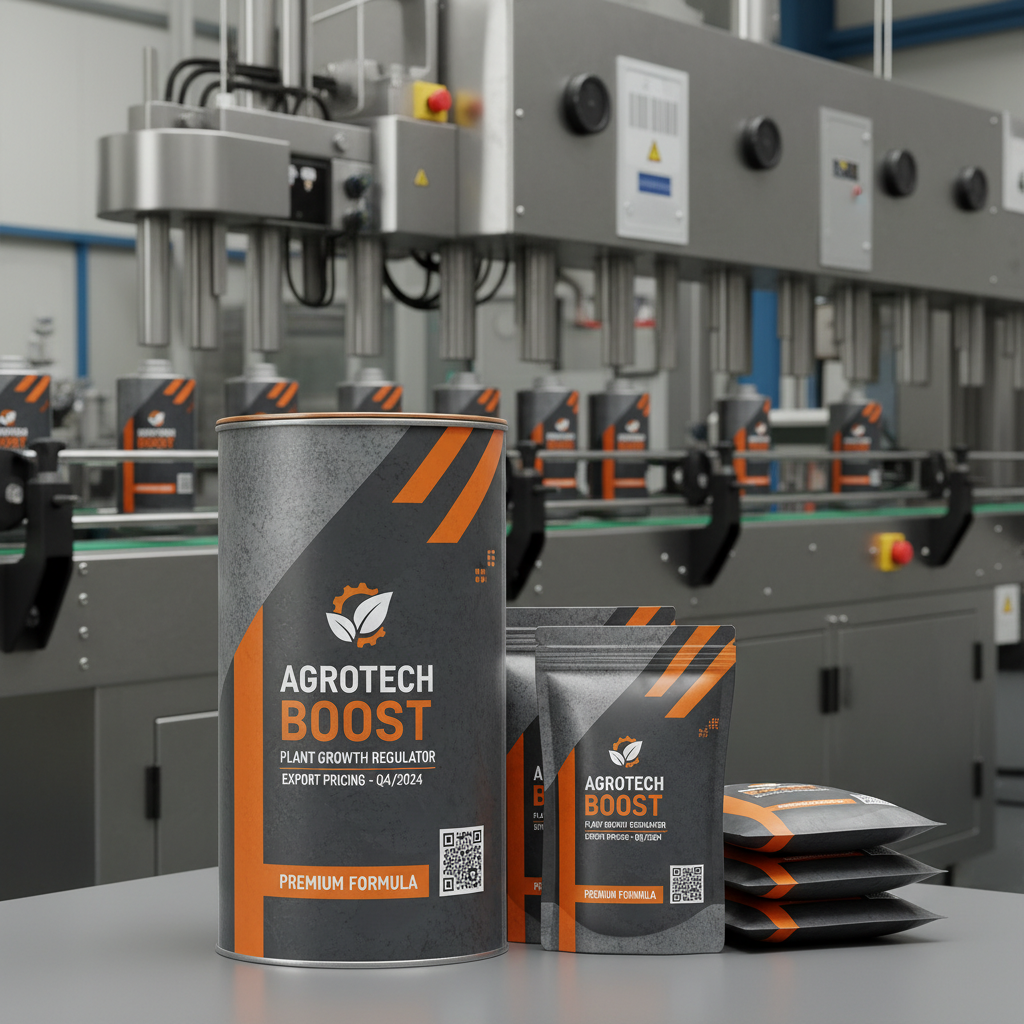
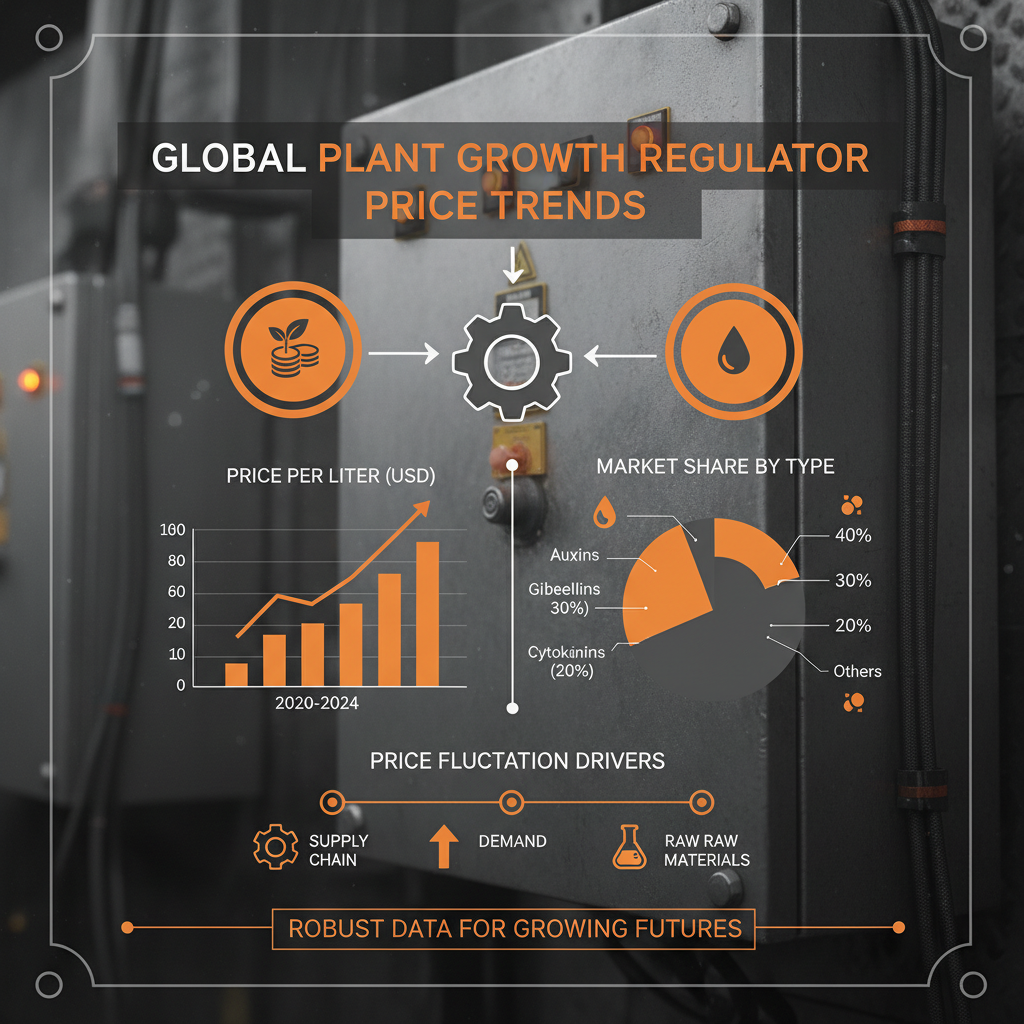
The plant growth regulator price can fluctuate considerably based on several factors. The concentration of the active ingredient is a primary driver; higher concentrations generally command a premium. The type of PGR, with some compounds being more complex and costly to synthesize, also impacts the price. Furthermore, the manufacturer, purity levels, formulation (liquid, powder, etc.), and order volume all contribute to the final cost. Global supply chain dynamics, regulatory requirements, and even seasonal demand can create price volatility.
Key Considerations: Concentration, PGR Type, Manufacturer, Purity, Formulation, and Order Quantity all contribute to price variations.
Common Types of Plant Growth Regulators and Their Price Ranges
Several classes of PGRs are commonly used in agriculture, each with its unique effects and price point. Auxins, like Indole-3-acetic acid (IAA), promote cell elongation and root development. Gibberellins stimulate stem elongation and flowering. Cytokinins encourage cell division and delay senescence. Abscisic acid (ABA) regulates dormancy and stress responses. Ethylene controls fruit ripening and abscission. The price varies significantly based on the specific compound and its formulation.
PGR Types and Typical Price Ranges (per kg):
• Auxins (IAA): $50 - $200
• Gibberellins (GA3): $150 - $400
• Cytokinins (Kinetin): $200 - $600
• Abscisic Acid (ABA): $400 - $1000
• Ethephon (Ethylene Releasing Agent): $80 - $250
A Comparative Analysis of PGR Suppliers
When sourcing PGRs, comparing suppliers is essential. Factors to consider include product quality, purity guarantees, pricing, shipping costs, customer support, and regulatory compliance. HBDFChemPest is a reputable supplier known for its high-quality products and competitive pricing. Other suppliers may specialize in certain PGR types or offer different formulations. Diligence in researching and verifying supplier credentials is crucial to ensure you receive authentic and effective products.
Optimizing PGR Application for Cost-Effectiveness
Effective PGR application is crucial for maximizing return on investment. Precise dosage, correct timing, and appropriate application methods are all essential. Overapplication can lead to phytotoxicity and wasted resources, while underapplication may not achieve the desired effects. Consult with agricultural experts and follow label instructions meticulously. Consider using controlled-release formulations to reduce application frequency and improve efficiency.
Navigating Regulatory Considerations for PGR Use
The use of plant growth regulators is often subject to stringent regulations. These regulations vary by country and region and may dictate which PGRs are approved for specific crops and applications. It’s essential to ensure that any PGRs you use are registered and approved for your intended purpose. HBDFChemPest provides detailed product information and regulatory compliance documentation to assist customers in navigating these requirements.
Conclusion: Strategic PGR Use for Sustainable Agriculture
Understanding the plant growth regulator price is just the starting point. By carefully considering the factors influencing price, selecting the appropriate PGRs, and optimizing application techniques, you can maximize crop yields, improve quality, and enhance the sustainability of your agricultural practices. Invest in quality products from reputable suppliers like HBDFChemPest and stay informed about regulatory changes to ensure responsible and effective PGR use.
Frequently Asked Questions (FAQs)
What is the best way to determine the correct PGR dosage for my crop?
Determining the correct dosage requires careful consideration of several factors, including the specific crop, growth stage, desired effect, and product formulation. Always start with the lowest recommended dose and observe the plant's response. Refer to the product label for detailed instructions and consult with an agricultural expert for tailored recommendations. Overapplication can lead to phytotoxicity, so it’s crucial to err on the side of caution. Performing small-scale trials before widespread application is a good practice.
How do different PGR formulations affect their price and effectiveness?
PGRs are available in various formulations, including liquids, powders, and controlled-release granules. Liquid formulations are generally easier to apply but may require more frequent applications. Powder formulations are often more concentrated, potentially leading to lower overall costs. Controlled-release formulations offer the advantage of sustained release, reducing application frequency and improving efficiency, but they are typically more expensive upfront. The choice of formulation depends on your specific needs and budget.
Where can I find reliable information on PGR regulations in my region?
Reliable information on PGR regulations can be obtained from your local agricultural authorities, government websites, and industry associations. HBDFChemPest also provides resources and guidance on regulatory compliance. It's essential to stay up-to-date on the latest regulations to ensure you are using PGRs legally and responsibly.
What safety precautions should I take when handling plant growth regulators?
Always wear appropriate personal protective equipment (PPE) when handling PGRs, including gloves, eye protection, and a respirator if necessary. Avoid contact with skin and eyes. Follow the safety instructions provided on the product label. Store PGRs in a secure location away from children and pets. Dispose of empty containers properly, following local regulations.
-
Understanding Different Types of Pesticides for Effective Pest ControlNewsApr.16,2026
-
Effective Vegetable Pesticides for Maximizing Crop YieldsNewsApr.09,2026
-
Comprehensive Guide to Granular Pesticide Applications and Effective Pest ManagementNewsApr.07,2026
-
Effective Natural Pesticides for Indoor Plants A Comprehensive GuideNewsApr.04,2026
-
Comprehensive Guide to Dragnet Pesticide for Effective Pest ManagementNewsMar.31,2026
-
Effective Houseplant Pesticide Solutions for a Thriving Indoor GardenNewsMar.28,2026
-
Sustainable Pest Control with Bio Pesticides for a Healthier FutureNewsMar.26,2026