

Choosing Safe Pesticides for Health and Environmental Protection
Choosing Safe Pesticides: A Guide to Protecting Your Health and Environment
Selecting the right pesticides is critical for effective pest control, but it's equally important to prioritize safety. Safe pesticides minimize risks to human health, beneficial organisms, and the environment. This article explores what constitutes a safe pesticide, key considerations for choosing them, and where to find reliable sources, including HBDF ChemPest. Understanding these factors will help you make informed decisions and promote responsible pest management practices. We will also discuss the importance of reading labels and following instructions carefully.
What Makes a Pesticide "Safe"?
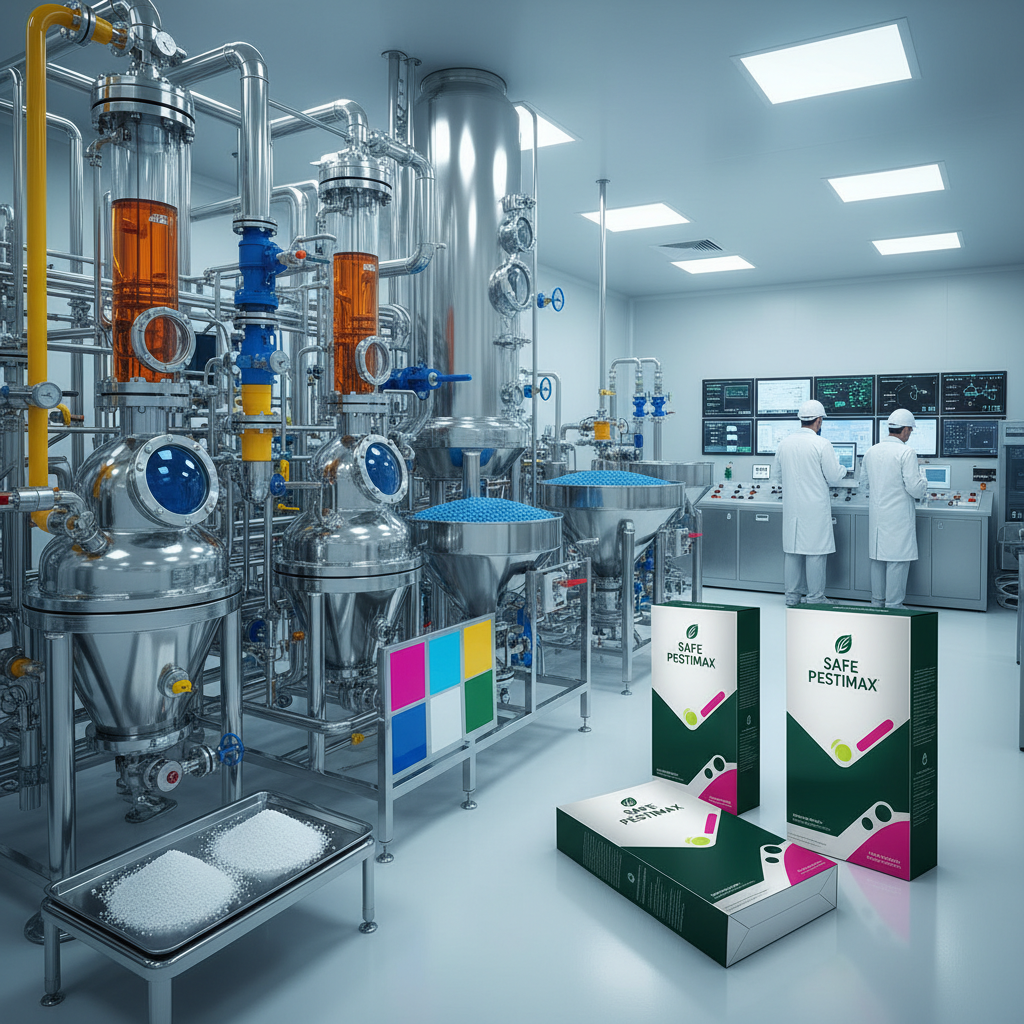
The term "safe pesticide" isn't about a product being entirely risk-free. It’s about a pesticide posing the lowest possible risk when used according to label instructions. This includes factors like toxicity to humans and non-target organisms (bees, birds, aquatic life), persistence in the environment, and potential for groundwater contamination. Lower toxicity, rapid degradation, and selective action are hallmarks of safer pesticides. Choosing products with these characteristics is crucial for sustainable pest management. Furthermore, the formulation of the pesticide can impact its safety; for example, granular formulations often pose less drift risk than sprays.
Key Considerations for "Safe" Pesticides: Lower toxicity, rapid degradation, selective action, appropriate formulation, and adherence to label instructions.
Types of Safer Pesticides: A Comparison
Not all pesticides are created equal. Several categories are generally considered safer than others. These include: Biopesticides, derived from natural sources like bacteria, fungi, viruses, or plants. Insecticidal soaps and horticultural oils disrupt insect physiology. Botanical insecticides, such as pyrethrins (derived from chrysanthemum flowers), offer relatively low toxicity. Finally, Reduced-risk pesticides, as designated by the EPA, undergo a rigorous review process demonstrating their lower risk profile.
Safer Pesticide Options:
• Biopesticides (bacteria, fungi, viruses)
• Insecticidal soaps & Horticultural oils
• Botanical Insecticides (Pyrethrins)
• Reduced-Risk Pesticides (EPA designated)
Understanding Pesticide Labels and Safety Data Sheets (SDS)
The pesticide label is the law. It contains vital information regarding proper use, safety precautions, first aid instructions, and environmental hazards. Always read the entire label before using any pesticide. Pay close attention to the signal word (Danger, Warning, Caution) which indicates the product’s toxicity. Safety Data Sheets (SDS), formerly Material Safety Data Sheets (MSDS), provide more detailed information about the chemical properties of the pesticide and potential hazards. Both label instructions and SDS information are crucial for responsible application. HBDF ChemPest provides comprehensive information and SDS documents for all its products.
Protecting Pollinators and Beneficial Insects when Using Safe Pesticides
Even safe pesticides can pose risks to pollinators like bees and other beneficial insects. Minimize these risks by applying pesticides during the evening or early morning when pollinators are less active. Avoid spraying directly on flowering plants. Consider using targeted application methods to deliver the pesticide only to the pest. Promote pollinator habitat by planting pollinator-friendly flowers and providing nesting sites. Remember, a healthy ecosystem relies on the presence of these vital creatures. HBDF ChemPest offers products specifically designed to minimize impact on beneficial insects.

Finding Reliable Sources for Safe Pesticides: HBDF ChemPest
Choosing a reputable supplier is crucial when sourcing pesticides. HBDF ChemPest is dedicated to providing high-quality, carefully vetted products, and comprehensive technical support. We offer a wide range of solutions, including biopesticides and reduced-risk options, alongside detailed product information and SDS. Our team is committed to helping you select the most appropriate and safest pesticide for your specific needs. We prioritize environmental responsibility and promote sustainable pest management practices.
Conclusion: Prioritizing Safety in Pest Control
Choosing safe pesticides is an investment in your health, the environment, and the long-term sustainability of your pest management efforts. By understanding the factors that contribute to pesticide safety, carefully reading labels, and selecting reputable suppliers like HBDF ChemPest, you can effectively control pests while minimizing risks.
Frequently Asked Questions (FAQs)
What are the long-term health effects of pesticide exposure?
Long-term exposure to certain pesticides has been linked to various health problems, including neurological issues, reproductive problems, immune system suppression, and increased cancer risk. The severity of these effects depends on the type of pesticide, the level and duration of exposure, and individual susceptibility. Choosing safer pesticides and minimizing exposure through proper handling and protective equipment are crucial steps in mitigating these risks. It's also important to follow recommended pre-harvest intervals to ensure pesticide residues in food are within safe limits. Consult a healthcare professional if you suspect pesticide-related health issues.
How can I reduce my exposure to pesticides in everyday life?
Reducing pesticide exposure involves several strategies. Wash fruits and vegetables thoroughly before consumption, even if they are organically grown. Consider buying organic produce whenever possible. Remove shoes before entering your home to avoid tracking in pesticides. Use Integrated Pest Management (IPM) techniques in your garden, focusing on prevention and natural pest control methods. Be mindful of pesticide application in public spaces and avoid areas being treated. Prioritize non-toxic cleaning products and personal care items.
What is Integrated Pest Management (IPM)?
Integrated Pest Management (IPM) is a comprehensive approach to pest control that prioritizes prevention, monitoring, and the use of least-toxic methods. It involves identifying pests, understanding their life cycles, and implementing strategies to minimize their impact. IPM techniques include cultural controls (e.g., crop rotation, sanitation), biological controls (e.g., beneficial insects), physical controls (e.g., traps), and, as a last resort, the judicious use of pesticides. IPM aims to create a sustainable and environmentally responsible pest management system. HBDF ChemPest supports IPM principles by offering a range of products suitable for use within an IPM program.
-
Understanding Different Types of Pesticides for Effective Pest ControlNewsApr.16,2026
-
Effective Vegetable Pesticides for Maximizing Crop YieldsNewsApr.09,2026
-
Comprehensive Guide to Granular Pesticide Applications and Effective Pest ManagementNewsApr.07,2026
-
Effective Natural Pesticides for Indoor Plants A Comprehensive GuideNewsApr.04,2026
-
Comprehensive Guide to Dragnet Pesticide for Effective Pest ManagementNewsMar.31,2026
-
Effective Houseplant Pesticide Solutions for a Thriving Indoor GardenNewsMar.28,2026
-
Sustainable Pest Control with Bio Pesticides for a Healthier FutureNewsMar.26,2026