

Effective Strategies for Choosing the Right Pesticides for Home Use
Choosing the Right Pesticides for Home Use
Protecting your home and garden from pests is a common concern for homeowners. Selecting the appropriate pesticides for home use requires careful consideration of pest type, safety, and environmental impact. This guide provides a comprehensive overview of available options, application techniques, and safety precautions to help you effectively manage pests while minimizing risks. Understanding the different types of pesticides and their specific applications is crucial for maintaining a healthy and pest-free environment. We’ll explore a variety of solutions from HBDF ChemPest.
Understanding Different Types of Pesticides
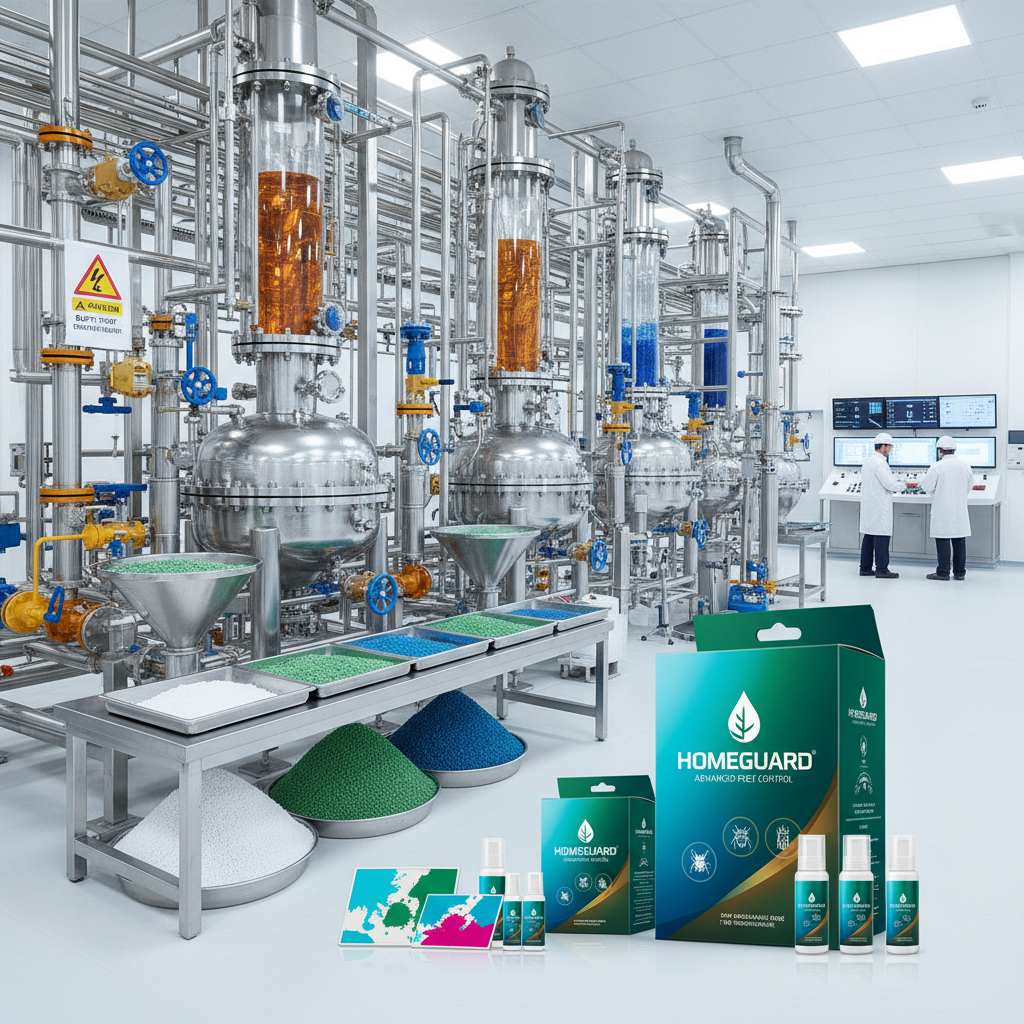
Pesticides are categorized based on the pests they target. Insecticides control insects, herbicides control weeds, fungicides control fungi, and rodenticides control rodents. Within these categories, you’ll find various formulations – liquids, granules, sprays, and baits – each suited to different applications. Organic pesticides, derived from natural sources, are often favored for their lower environmental impact. Synthetic pesticides, while more potent, require careful handling and adherence to safety guidelines. Choosing the right type depends on the specific pest problem and your preference for natural or synthetic solutions. HBDF ChemPest offers a comprehensive range of both options.
Key Highlights: Understanding pesticide categories – insecticides, herbicides, fungicides, and rodenticides – is crucial for effective pest control.
Targeting Common Household Pests with Pesticides for Home
Different pests require different approaches. For ants, baits are often effective, allowing them to carry the poison back to the colony. Cockroaches may require a combination of sprays and baits, targeting both visible pests and hidden breeding areas. Termites necessitate professional treatment due to the potential for extensive structural damage. Mosquitoes can be controlled with sprays or mosquito dunks in standing water. Proper identification of the pest is the first step in selecting the most effective pesticide. HBDF ChemPest provides specialized solutions for a wide range of common household pests.
Pest-Specific Solutions:
• Ants: Baits
• Cockroaches: Sprays and Baits
• Termites: Professional Treatment
• Mosquitoes: Sprays and Mosquito Dunks
Comparing Organic vs. Synthetic Pesticides for Home
Organic pesticides, such as those derived from neem oil or pyrethrins, offer a more environmentally friendly approach. They generally have lower toxicity to humans and pets but may require more frequent application. Synthetic pesticides are more potent and provide longer-lasting control but necessitate stricter safety precautions. Consider your personal preferences, the severity of the infestation, and the presence of children or pets when choosing between organic and synthetic options. HBDF ChemPest offers both organic and synthetic solutions to meet diverse needs.
Safety Precautions When Using Pesticides for Home
Always read and follow the label instructions carefully. Wear protective clothing, including gloves and a mask, when applying pesticides. Keep children and pets away from treated areas until they are completely dry. Store pesticides in a secure location, out of reach of children and animals. Avoid spraying on windy days to prevent drift. Dispose of empty containers properly according to local regulations. HBDF ChemPest provides detailed safety information with all its products.
Product Spotlight: HBDF ChemPest Solutions
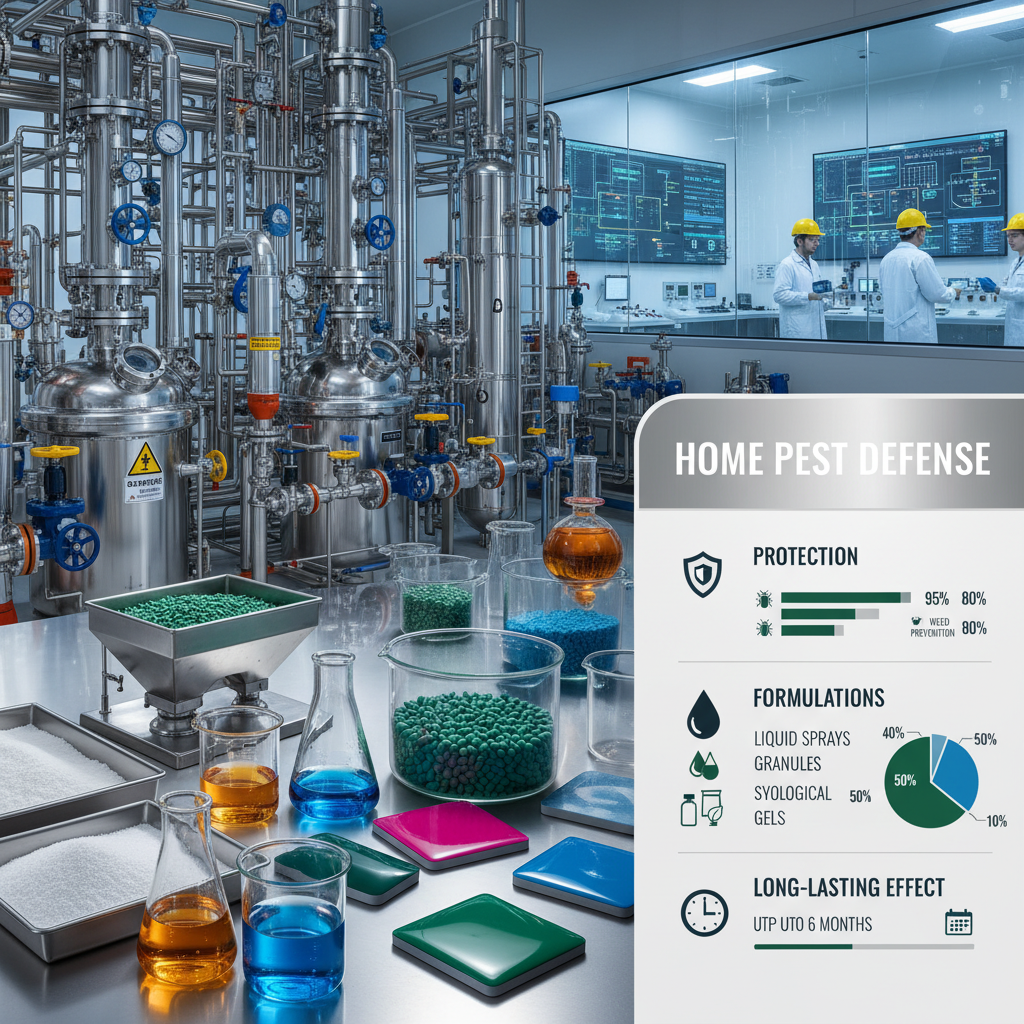
HBDF ChemPest offers a wide array of pesticides for home, including targeted insecticides, effective herbicides, and preventative solutions. Our products are formulated to deliver maximum effectiveness while minimizing environmental impact. We prioritize safety and provide clear instructions for responsible use. From eco-friendly options to powerful synthetic solutions, we have a product to address your specific pest control needs.
Conclusion: Protecting Your Home with Informed Pest Control
Choosing the right pesticides for home requires understanding pest types, safety precautions, and available options. HBDF ChemPest provides effective, safe, and environmentally conscious solutions for all your pest control needs. By following these guidelines and selecting the appropriate products, you can protect your home and family from unwanted pests.
Frequently Asked Questions (FAQs)
How often should I apply pesticides?
The frequency of pesticide application depends on the specific product, the severity of the infestation, and the type of pest. Always follow the instructions on the product label, as over-application can be harmful to the environment and potentially dangerous to humans and pets. Some products are designed for one-time use, while others require periodic reapplication. Preventative treatments may be applied less frequently than treatments for active infestations.
Are organic pesticides always safer?
While organic pesticides are generally considered less harmful than synthetic options, it’s important to remember that “organic” doesn’t automatically mean “safe.” Some organic pesticides can still be toxic to humans, pets, and beneficial insects. Always read the label and follow safety precautions, even with organic products. The key difference lies in their source and breakdown rate in the environment.
What should I do if I accidentally ingest pesticide?
If you suspect you or someone else has ingested pesticide, immediately contact your local poison control center or emergency services. Do not induce vomiting unless specifically instructed by a medical professional. Bring the product label with you to provide information about the ingredients and concentration. Prompt medical attention is crucial in such cases.
How can I reduce my reliance on pesticides?
Preventative measures are key to reducing pesticide reliance. Seal cracks and crevices in your home’s foundation, keep food stored in airtight containers, and maintain a clean environment. Encourage natural predators like birds and beneficial insects in your garden. Utilize non-chemical pest control methods such as traps and barriers. Regularly inspect your property for early signs of pest activity.
-
Understanding Different Types of Pesticides for Effective Pest ControlNewsApr.16,2026
-
Effective Vegetable Pesticides for Maximizing Crop YieldsNewsApr.09,2026
-
Comprehensive Guide to Granular Pesticide Applications and Effective Pest ManagementNewsApr.07,2026
-
Effective Natural Pesticides for Indoor Plants A Comprehensive GuideNewsApr.04,2026
-
Comprehensive Guide to Dragnet Pesticide for Effective Pest ManagementNewsMar.31,2026
-
Effective Houseplant Pesticide Solutions for a Thriving Indoor GardenNewsMar.28,2026
-
Sustainable Pest Control with Bio Pesticides for a Healthier FutureNewsMar.26,2026