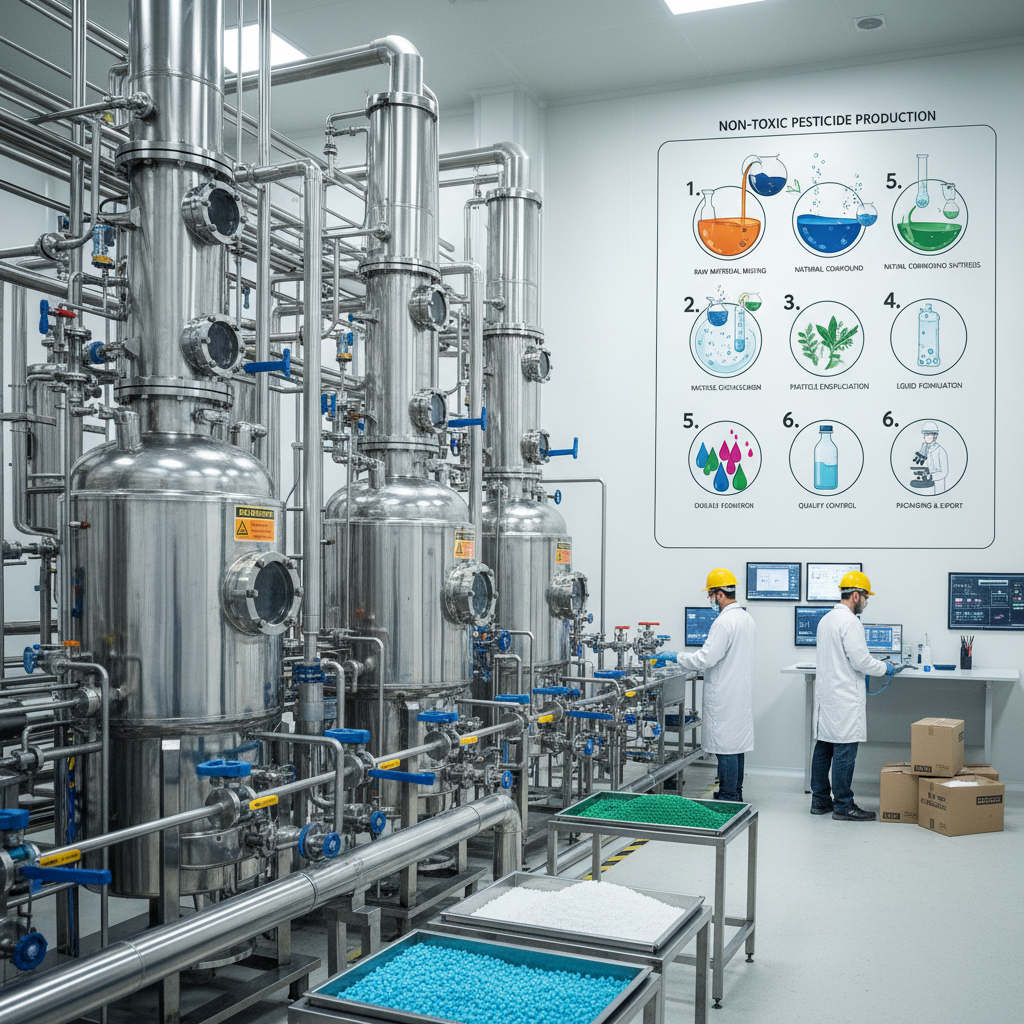
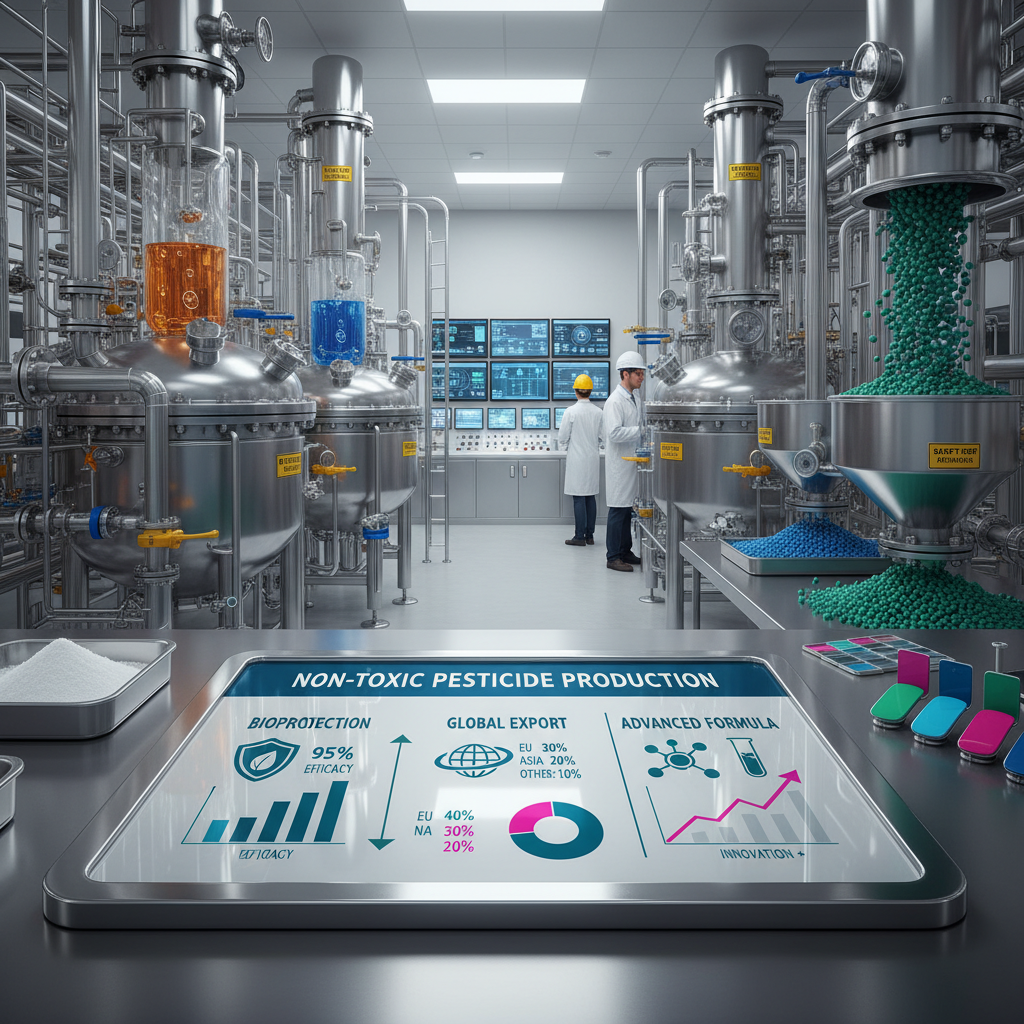
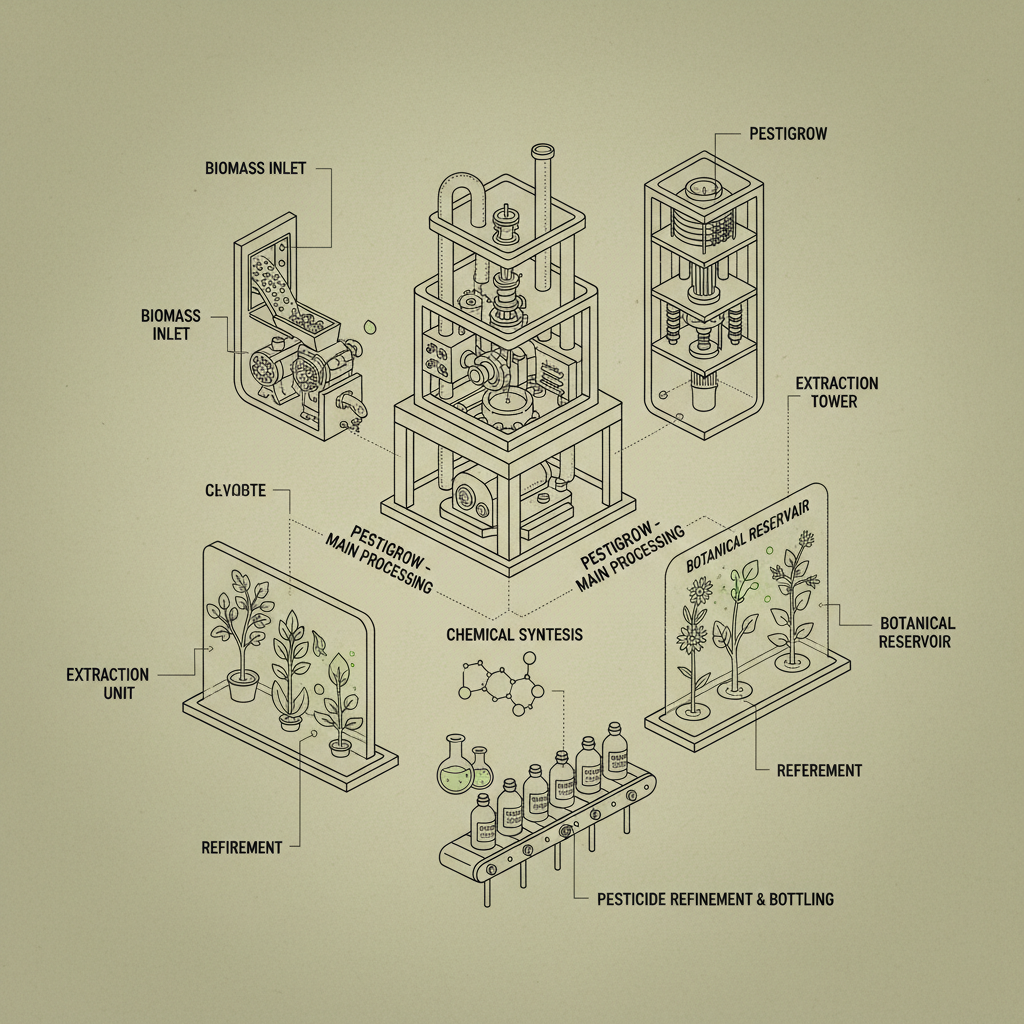
The global need for sustainable pest control is paramount, driven by increasing concerns over human health and environmental impact. Conventional pesticides, while effective, often carry significant risks, leading to a growing demand for non toxic pesticide solutions. Understanding these alternatives is crucial for protecting ecosystems, ensuring food safety, and promoting public wellbeing. This exploration delves into the core principles, applications, and future of non toxic pesticide, providing insights for professionals and individuals alike.
The shift towards non toxic pesticide isn’t simply a trend; it’s a necessary evolution in agricultural practices and public health strategies. Global organizations like the UN and the World Health Organization increasingly advocate for integrated pest management (IPM) and reduced reliance on harmful chemicals. This demand is fueled by growing consumer awareness and stricter regulations surrounding pesticide use, creating both challenges and opportunities for innovation within the pest control industry.
Embracing non toxic pesticide offers a multifaceted approach to pest management, reducing ecological disruption while still delivering effective results. This paradigm shift enhances biodiversity, minimizes human exposure to harmful substances, and supports long-term sustainability in both agricultural and urban environments.
The Global Relevance of non toxic pesticide
The urgency for globally adopting non toxic pesticide stems from the widespread adverse effects of conventional pesticides on human health and ecosystems. According to the World Health Organization, pesticides cause approximately 20,000 deaths annually and contribute to a range of chronic illnesses. This necessitates a rapid transition to safer alternatives that minimize risk while maintaining agricultural productivity.
The escalating challenges of pesticide resistance further exacerbate the need for innovative approaches. Pests are evolving at an accelerated rate, rendering many traditional pesticides ineffective. This prompts a re-evaluation of pest management strategies, emphasizing preventative measures and environmentally friendly solutions like non toxic pesticide, which promote biodiversity and resilience within agricultural systems.
Defining non toxic pesticide
Non toxic pesticide refers to pest control methods and substances that pose minimal risk to human health, beneficial organisms, and the environment. This encompasses a diverse range of techniques, including biological controls, botanical pesticides, insect growth regulators, and targeted application technologies. It’s not simply about eliminating all pesticides, but about selecting and implementing those with the lowest possible impact.
The concept is deeply connected to the principles of integrated pest management (IPM), which prioritizes preventative measures, monitoring, and the use of multiple control tactics. IPM aims to create sustainable pest control solutions that minimize reliance on synthetic chemicals and promote ecological balance. The growth of non toxic pesticide is essential for meeting the rising demands for environmentally sustainable agricultural practices.
Unlike conventional pesticides that often have broad-spectrum effects, non toxic pesticide strategies frequently target specific pests, minimizing harm to beneficial insects, pollinators, and other wildlife. This targeted approach is vital for preserving biodiversity and maintaining the health of ecosystems.
Core Components of Effective non toxic pesticide
One of the foundational elements of effective non toxic pesticide is biological control, which involves utilizing natural enemies – predators, parasites, and pathogens – to regulate pest populations. This approach can range from introducing ladybugs to control aphids to utilizing beneficial nematodes to target soil-dwelling pests.
Botanical pesticides, derived from plants, offer another critical component. Substances like pyrethrum (from chrysanthemums) and neem oil possess insecticidal properties but are generally considered less harmful than synthetic alternatives. Proper formulation and application are crucial to maximize their effectiveness and minimize any potential non-target effects.
Insect growth regulators (IGRs) disrupt the development of insects, preventing them from reaching reproductive maturity. These are often highly specific to target pests and have minimal impact on other organisms, making them a valuable tool in non toxic pesticide strategies. Effective monitoring and early intervention are also key components, allowing for timely application of control measures before pest populations reach damaging levels.
Application and Practicality of non toxic pesticide
The practicality of implementing non toxic pesticide methods often hinges on a thorough understanding of the pest's life cycle and the specific environmental conditions. This knowledge enables the selection of the most appropriate control tactics and ensures their effectiveness. For example, introducing a biological control agent requires careful consideration of its compatibility with the local environment and the availability of suitable habitat.
Effective application also demands proper timing and technique. Botanical pesticides, for instance, often require multiple applications to maintain control, particularly in areas with high pest pressure. Understanding the optimal application window and utilizing appropriate equipment are essential for maximizing efficacy and minimizing waste.
Effectiveness Comparison of non toxic pesticide Methods
Global Applications and Use Cases of non toxic pesticide
In post-disaster relief operations, non toxic pesticide solutions are increasingly prioritized to protect vulnerable populations from disease vectors while minimizing environmental disruption. For example, the use of larvicidal bacteria (like Bacillus thuringiensis israelensis or Bti) to control mosquito breeding in floodwaters is a common practice.
Organic farming operations worldwide rely heavily on non toxic pesticide methods to comply with certification standards and meet consumer demand for sustainably produced food. This includes the use of cover crops to suppress weeds, crop rotation to disrupt pest cycles, and biological control agents to manage insect infestations.
Advantages and Long-Term Value of non toxic pesticide
The most immediate benefit of non toxic pesticide is the reduction of human and environmental health risks associated with conventional pesticides. This translates to lower healthcare costs, improved worker safety, and a more sustainable food supply. Moreover, it safeguards the intricate web of life by preserving biodiversity and promoting ecosystem resilience.
From an economic standpoint, embracing non toxic pesticide can also prove advantageous in the long run. While initial investment may sometimes be higher, the reduced need for expensive synthetic pesticides, coupled with the potential for improved soil health and crop yields, can lead to significant cost savings over time. This contributes to enhanced farm profitability and greater food security.
Beyond the tangible benefits, adopting these methods fosters a sense of trust and responsibility within communities. Promoting ecologically sound pest control practices aligns with a growing consumer preference for sustainable and ethically produced goods, enhancing brand reputation and market value.
Future Trends and Innovations in non toxic pesticide
The future of non toxic pesticide is poised for substantial innovation, driven by advancements in biotechnology, nanotechnology, and data analytics. Research into novel biopesticides derived from microorganisms and natural compounds is yielding promising results, offering even more targeted and effective control options.
Digital technologies, such as precision agriculture and remote sensing, are also playing an increasingly important role. These tools enable farmers to monitor pest populations in real-time, apply control measures only when and where needed, and optimize resource utilization. The integration of AI and machine learning can further enhance predictive modeling and pest management strategies.
Policy changes and increased investment in research and development are crucial to accelerate the adoption of non toxic pesticide globally. Government incentives, educational programs, and stricter regulations on harmful pesticides can create a more favorable environment for sustainable pest control practices.
Summary of Factors Influencing non toxic pesticide Implementation
| Pest Type |
Environmental Factors |
Cost-Effectiveness |
Implementation Difficulty |
| Aphids |
Moderate Temperature, High Humidity |
7/10 |
3/10 |
| Mosquitoes |
Standing Water, Warm Climate |
6/10 |
5/10 |
| Weeds |
Sunlight, Soil Moisture |
8/10 |
4/10 |
| Fungal Diseases |
High Humidity, Poor Ventilation |
5/10 |
6/10 |
| Caterpillars |
Host Plant Availability, Mild Climate |
7/10 |
4/10 |
| Nematodes |
Warm Soil, Moist Conditions |
4/10 |
7/10 |
FAQS
The primary difference lies in their impact on the environment and human health. Traditional pesticides often have broad-spectrum effects, harming beneficial organisms and posing health risks. Non toxic pesticide, conversely, are designed to be more targeted and less harmful, utilizing biological controls, botanical extracts, or other environmentally friendly methods. They often break down more quickly in the environment, minimizing long-term pollution. While some non toxic pesticide might require more frequent application, the reduced risk profile makes them a preferable choice for sustainable pest management.
Effectiveness varies depending on the specific pest, the environment, and the chosen non toxic pesticide method. While some conventional pesticides offer rapid knockdown, non toxic pesticide strategies often focus on long-term control through disruption of pest life cycles or the creation of unfavorable conditions. When implemented correctly within an integrated pest management framework, non toxic pesticide can be highly effective, often achieving comparable results to chemical alternatives.
The initial costs of transitioning to non toxic pesticide can vary. Some methods, like introducing beneficial insects, might involve a one-time purchase, while others, such as botanical sprays, require regular application. However, long-term costs are often lower due to reduced reliance on expensive synthetic pesticides, and potential benefits like improved soil health. It's important to consider the overall return on investment, factoring in reduced health risks and environmental impact.
While non toxic pesticide can be adapted to various agricultural settings, the optimal methods will differ depending on the crop, climate, and pest pressures. Some large-scale agricultural operations may require more complex integrated pest management strategies, combining multiple non toxic pesticide techniques to achieve effective control. However, even in challenging environments, significant reductions in chemical pesticide use are achievable.
Numerous resources are available from universities, government agencies (like the EPA), and agricultural organizations. Websites like the National Pesticide Information Center and the USDA's Sustainable Agriculture Research & Education program offer comprehensive information. Additionally, consulting with local agricultural extension agents can provide tailored advice for your specific region and needs.
Yes, several certifications verify the use of non toxic pesticide practices and products. Organic certifications, such as USDA Organic, require adherence to strict standards prohibiting the use of synthetic pesticides. Other labels, like OMRI (Organic Materials Review Institute), indicate that a product is approved for use in organic production. These certifications provide consumers with assurance that products meet specific environmental and health criteria.
Conclusion
In conclusion, the adoption of non toxic pesticide is not merely a trend but a crucial step towards a more sustainable and healthy future. By embracing biological controls, botanical pesticides, and integrated pest management strategies, we can minimize the harmful effects of conventional pesticides on human health, ecosystems, and biodiversity. Investing in research, innovation, and education is paramount to driving widespread adoption.
Looking ahead, a collaborative effort involving policymakers, researchers, and agricultural professionals will be essential to overcome existing challenges and unlock the full potential of non toxic pesticide. By prioritizing sustainability and responsible pest management practices, we can ensure a resilient food system and a healthier planet for generations to come. Visit our website at www.hbdfchempest.com to learn more about our innovative non toxic pesticide solutions.