Maintaining a healthy and pest-free living environment is a fundamental aspect of modern urban hygiene and public health. The strategic application of household pesticides allows homeowners and facility managers to mitigate the risks associated with disease-carrying insects and structural damage caused by rodents. By bridging the gap between professional agricultural chemistry and consumer-grade safety, these products ensure that our immediate surroundings remain sanitary and secure.
On a global scale, the demand for effective pest control has surged due to increasing urbanization and the migration of pest species across borders. According to industry trends aligned with WHO health standards, the precision of active ingredients in modern formulations is critical to preventing the development of pesticide resistance. The evolution of household pesticides reflects a broader shift toward "Integrated Pest Management" (IPM), where chemical interventions are used judiciously alongside biological and mechanical barriers.
Understanding the technical nuances of these products—from volatile organic compounds (VOCs) to targeted neurotoxins—is essential for maximizing efficacy while minimizing environmental impact. This guide explores the intersection of chemical innovation and domestic safety, providing a comprehensive overview of how high-quality raw materials translate into the reliable household pesticides used in millions of homes worldwide.
Global Market Context of Household Pesticides
The global landscape for household pesticides is shaped by a complex interplay of climatic changes and urban density. As temperatures rise, pest metabolic rates increase, leading to more frequent infestations in residential areas. This has forced manufacturers to innovate beyond simple toxicity, focusing instead on residual stability and targeted delivery systems that protect the home without contaminating the indoor air quality.
From a regulatory standpoint, the industry is moving toward stricter E-E-A-T (Experience, Expertise, Authoritativeness, and Trustworthiness) standards in product labeling and chemical composition. International bodies are pushing for the reduction of organophosphates in favor of pyrethroids and botanical extracts, ensuring that the chemicals used in household pesticides are safe for use around children and pets while remaining lethal to target pests.
Defining the Scope of Domestic Pest Control
In technical terms, household pesticides refer to a specialized category of chemical agents designed for use in non-agricultural, residential settings. Unlike broad-spectrum industrial pesticides, these are formulated for low-volume application and high specificity, targeting common domestic nuisances such as cockroaches, ants, bed bugs, and flies. The goal is not just eradication, but the creation of a sustainable biological barrier.
The connection between these products and modern humanitarian needs is profound. In densely populated urban centers, pests are more than a nuisance; they are vectors for zoonotic diseases. By providing accessible and effective household pesticides, the industry contributes directly to the reduction of urban disease transmission, aligning with global health initiatives to improve living conditions in marginalized communities.
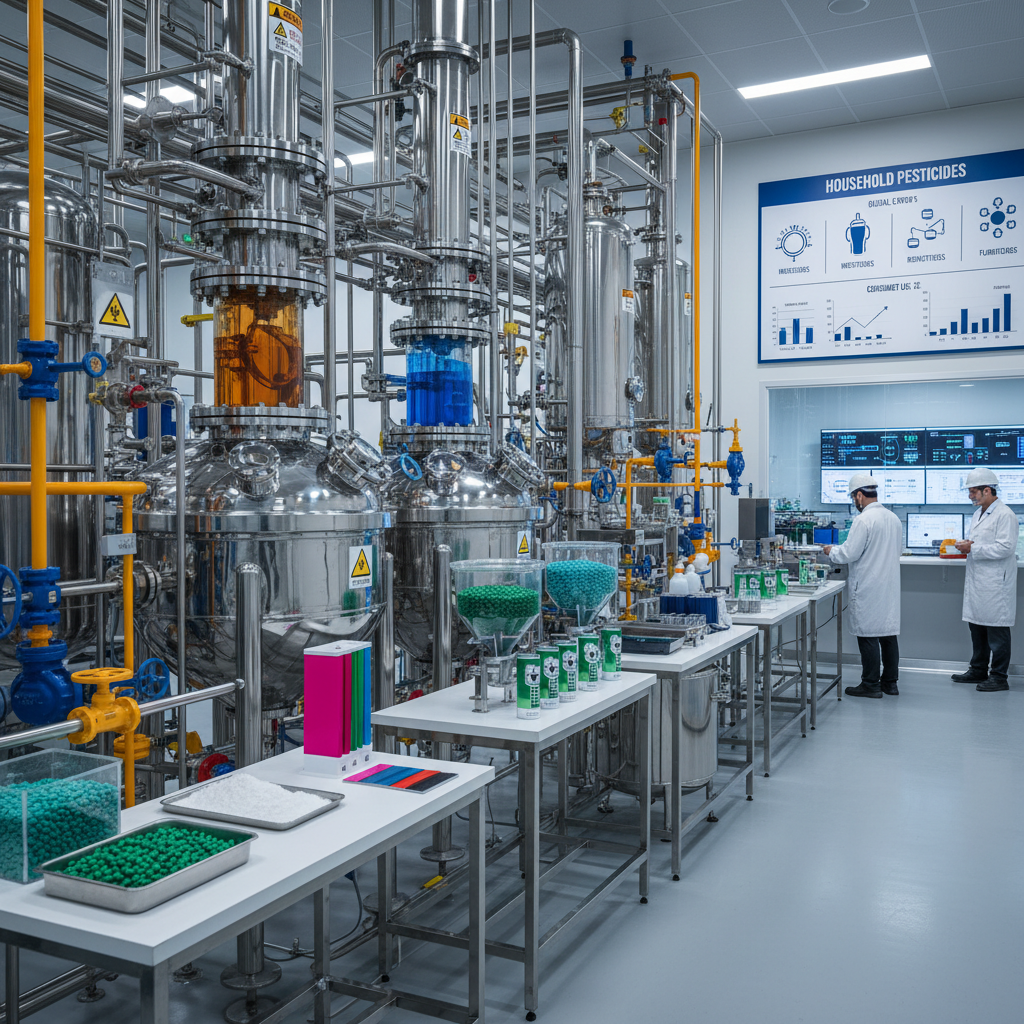
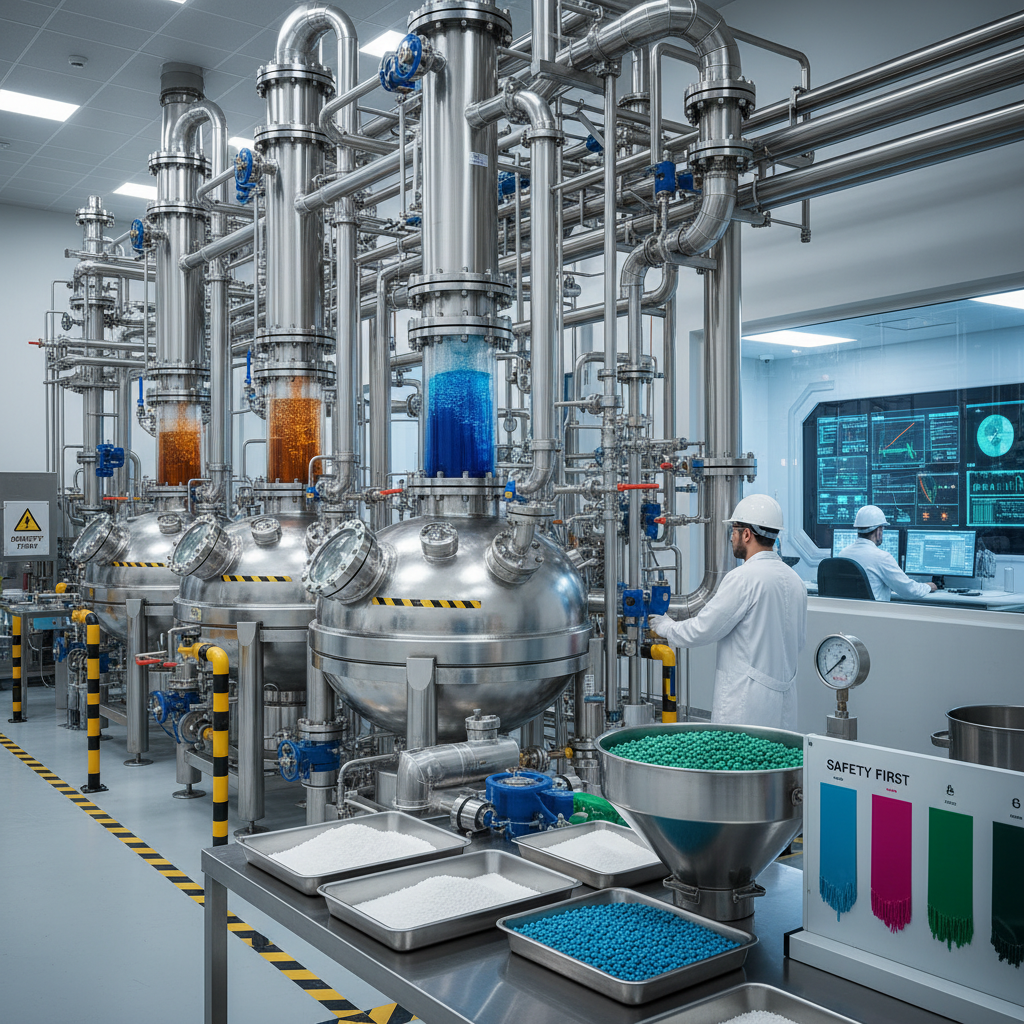
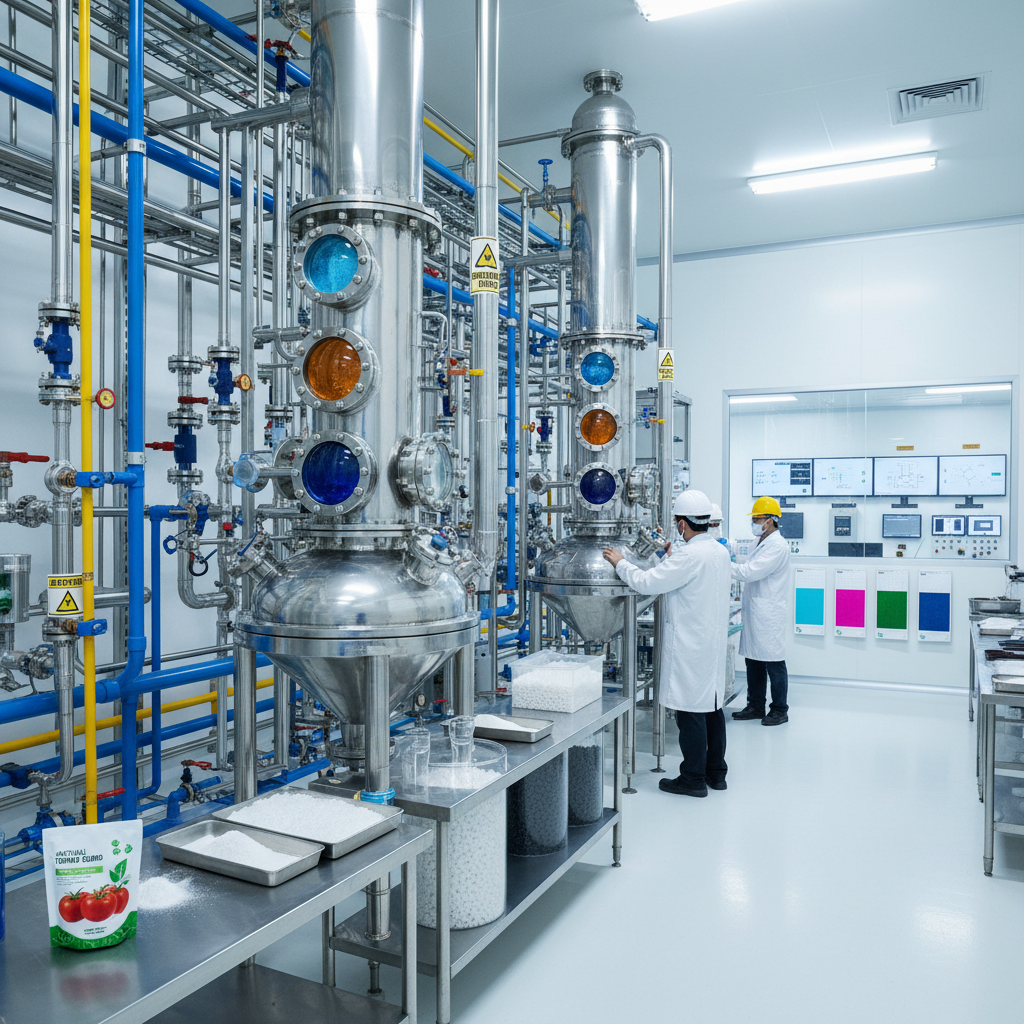
Furthermore, the manufacturing of these products integrates advanced chemistry from the pharmaceutical and liquid crystal sectors. The use of high-purity intermediates ensures that the final consumer product is free from impurities that could cause adverse reactions or reduce the efficacy of the active ingredient, making the science of "domestic chemistry" as rigorous as industrial synthesis.
Core Components of High-Efficiency Formulations
The efficacy of household pesticides depends heavily on the synergy between the active ingredient (AI) and the inert additives. The active ingredient provides the lethal or repellent effect, while surfactants and emulsifiers ensure the product adheres to surfaces and penetrates the exoskeleton of the target insect.
Stability is a critical factor; high-quality household pesticides must maintain their chemical integrity across various temperatures and humidity levels. This is achieved through the use of specialized stabilizers that prevent the degradation of UV-sensitive molecules, ensuring that the product remains active for the duration of its promised residual period.
Lastly, the "delivery vehicle"—whether it be an aerosol, a gel, or a liquid concentrate—determines the scalability of the treatment. Modern household pesticides utilize nano-emulsion technology to reduce the amount of solvent required, thereby increasing the concentration of the active agent while reducing the overall chemical footprint in the home.
Performance Metrics Across Different Application Methods
Choosing the right application method for household pesticides is a balance between speed of action and longevity. For instance, contact sprays offer immediate knockdown effects, whereas bait stations rely on slow-acting poisons that are carried back to the colony, ensuring a more thorough elimination of the nest.
The following analysis compares the relative effectiveness and safety ratings of various delivery systems used in the modern pest control industry to help users determine the best fit for their specific environment.
Comparative Efficacy of Household Pesticides Delivery Systems
Real-World Applications and Regional Use Cases
The deployment of household pesticides varies significantly by geography. In tropical regions of Southeast Asia and South America, the focus is often on combating termite infestations and mosquito-borne diseases, requiring heavy-duty residual sprays that can withstand high humidity and frequent rain.
Conversely, in temperate climates like North America or Europe, the application often pivots toward seasonal pest management, such as controlling ants in the spring or rodents in the winter. In these regions, there is a higher preference for low-toxicity, organic-based household pesticides that align with stricter environmental regulations and a growing consumer demand for "green" chemistry.
Long-Term Value and Safety Advantages
The long-term value of investing in professional-grade household pesticides lies in the reduction of repeat treatments. Low-quality products often lead to "pest rebound," where a surviving population develops resistance, requiring stronger and more toxic chemicals later. High-purity formulations prevent this by ensuring total elimination of the target population.
From a safety perspective, the innovation in "selective toxicity" means that modern household pesticides are designed to target the specific biological pathways of insects, which are vastly different from those of mammals. This logical approach to chemical design ensures that homeowners can protect their property without compromising the respiratory health of their families.
Beyond the physical benefits, there is an emotional component: the peace of mind that comes with a sanitary home. The trust established by reliable brands in the pesticide industry is built on the consistency of the active ingredients, ensuring that the product works exactly as advertised every single time it is applied.
Future Trends in Green Pesticide Innovation
The future of household pesticides is inextricably linked to the concept of sustainability. We are seeing a transition toward "bio-pesticides"—derived from natural materials such as neem oil or essential oils—which offer a lower environmental impact while maintaining high efficacy against specific pest species.
Digital transformation is also entering the home pest control arena. "Smart" bait stations equipped with IoT sensors can now alert homeowners to the exact location of an infestation, allowing for the precision application of household pesticides only where needed, rather than blanket spraying an entire room.
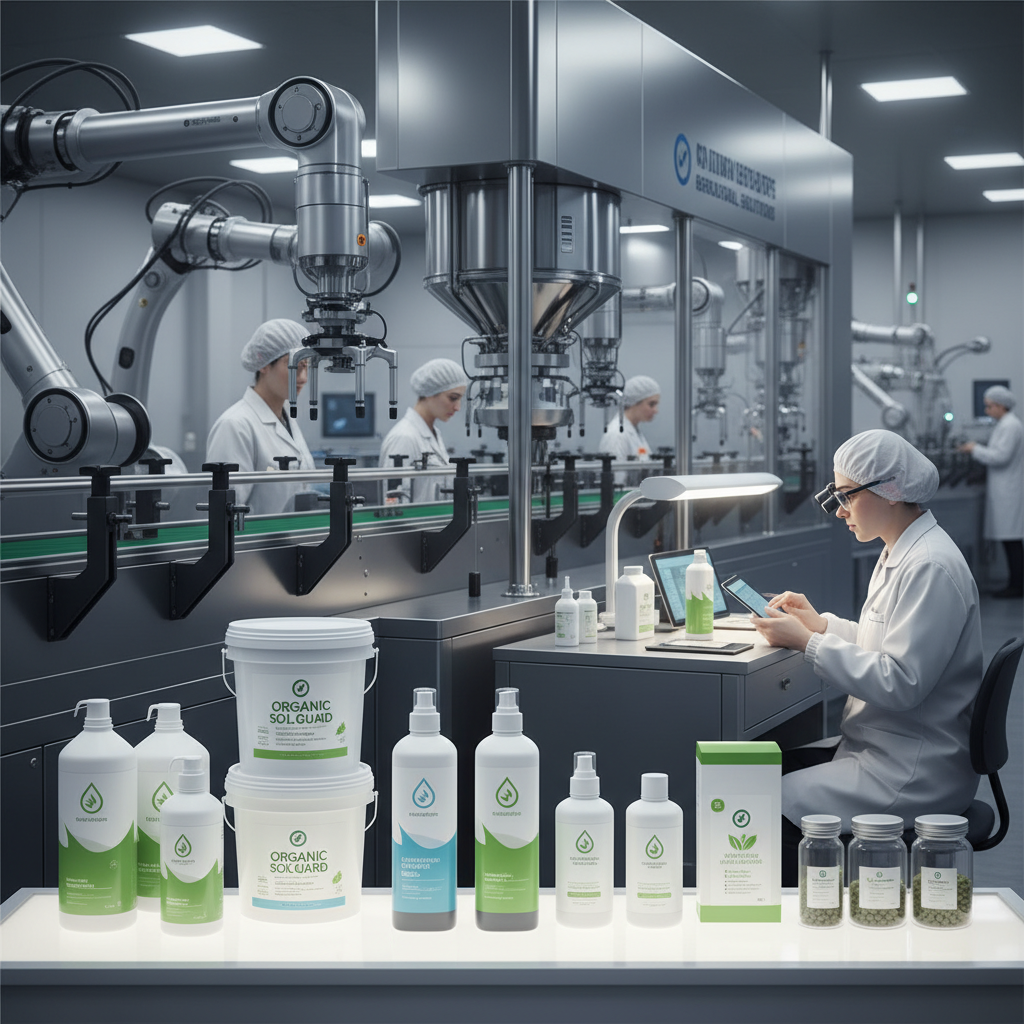
As we move toward a circular economy, the packaging of these products is also evolving. Biodegradable containers and concentrated refill systems are reducing the plastic waste associated with the mass distribution of domestic pest control solutions.
Comparison of Green vs. Traditional Household Pesticide Technologies
| Technology Type |
Environmental Impact |
Persistence (Days) |
Toxicity Level (1-10) |
| Pyrethroid Sprays |
Moderate |
30-60 |
4 |
| Botanical Oils |
Low |
7-14 |
1 |
| Neonicotinoid Baits |
High |
90+ |
6 |
| Pheromone Traps |
Negligible |
15-30 |
1 |
| Borate Powders |
Low |
180+ |
2 |
| Nano-encapsulated AI |
Moderate |
60-120 |
3 |
FAQS
Most modern household pesticides are designed with selective toxicity, meaning they target insect nervous systems rather than mammalian ones. However, safety depends on the formulation. Gel baits are generally safer as they are hidden and non-volatile. Always follow the label instructions, keep products out of reach, and ensure proper ventilation when using sprays to maintain a safe environment.
The residual effect varies by product. Contact sprays may last from a few days to a few weeks, while specialized residual barriers can last up to 90 days. Factors such as surface porosity, cleaning frequency, and UV exposure also play a role. To maximize longevity, apply products to non-porous surfaces and avoid using strong detergents on treated areas.
A repellent in the category of household pesticides works by making an area unattractive or irritating to pests, discouraging them from entering. An insecticide, however, is designed to kill the pest upon contact or ingestion. For a complete strategy, experts recommend using repellents for prevention and insecticides for active eradication.
Yes, pests can develop metabolic or target-site resistance if the same active ingredient is used repeatedly. This is why professional-grade products often rotate different chemical classes. To prevent resistance in your home, we recommend alternating between different types of household pesticides, such as switching from a pyrethroid spray to a borate-based powder.
DIY kits are excellent for maintenance and minor infestations. However, professional applications utilize higher-concentration raw materials and specialized equipment (like ULV foggers) that reach deep into wall voids. For severe infestations, professional services are more cost-effective in the long run as they eliminate the root cause rather than just the visible pests.
Never pour household pesticides down the drain or into the trash. This can contaminate groundwater. The best practice is to contact your local hazardous waste disposal center. If the product is nearly empty, follow the manufacturer's guidance on container recycling to ensure chemicals do not leak into the environment.
Conclusion
The application of household pesticides is a critical intersection of chemical science and domestic wellbeing. By leveraging high-purity active ingredients and innovative delivery systems, we can effectively manage urban pest populations while minimizing risks to human health and the environment. The transition from broad-spectrum toxicity to targeted, sustainable formulations marks a new era in home hygiene and public health protection.
As we look toward the future, the integration of bio-based chemistry and smart technology will further refine how we protect our living spaces. We encourage homeowners and industry partners to prioritize products backed by rigorous scientific data and environmental certifications. For those seeking high-quality raw materials and advanced pest control solutions, visit our website: www.hbdfchempest.com to explore our professional offerings.