The shift toward sustainable agriculture has brought natural pesticides for tomatoes to the forefront of modern horticulture. As consumers increasingly demand organic produce and regulators tighten restrictions on synthetic chemicals, the need for bio-based crop protection has transitioned from a niche gardening preference to a global industrial necessity. Understanding how to balance pest control with ecological health is critical for ensuring food security and environmental stability.
Globally, the tomato is one of the most widely cultivated crops, yet it remains highly susceptible to a myriad of pests, from aphids to whiteflies. Traditional chemical interventions often lead to soil degradation and pesticide resistance, creating a cycle of dependency that threatens long-term yield. By integrating natural alternatives, growers can disrupt these pest cycles without compromising the integrity of the ecosystem or the health of the end consumer.
Implementing high-quality natural pesticides for tomatoes provides a dual benefit: it preserves the biodiversity of beneficial insects, such as pollinators and predatory wasps, while maintaining the nutritional profile of the fruit. This educational guide explores the scientific foundations, practical applications, and future trajectories of botanical and biological pest management in tomato cultivation.
The Global Context of Bio-Based Pest Control
The agricultural sector is currently navigating a paradigm shift driven by the United Nations Sustainable Development Goals (SDGs), specifically focusing on responsible consumption and production. In the context of tomato production, the reliance on synthetic organophosphates has led to an alarming rise in soil toxicity and the emergence of "super-pests." This has forced industrial growers to seek natural pesticides for tomatoes that offer a sustainable alternative without sacrificing crop yield.
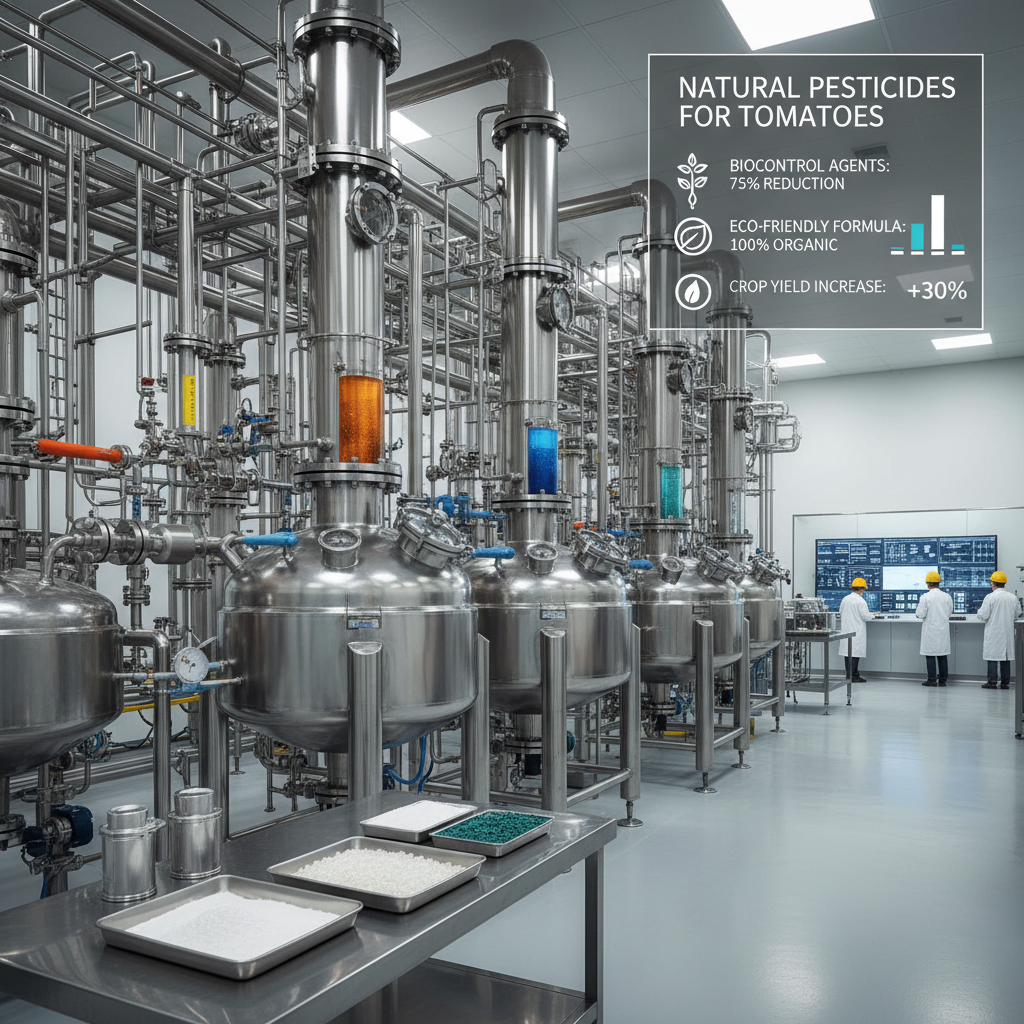
Statistically, the global organic pesticide market is expanding at a CAGR of over 12%, reflecting a systemic move toward "Green Chemistry." This transition is not merely about removing chemicals but about implementing an Integrated Pest Management (IPM) strategy. By leveraging botanical extracts and microbial agents, farmers can reduce their environmental footprint while meeting the strict Maximum Residue Limits (MRLs) required for international export markets.
Defining Natural Pesticides for Tomatoes
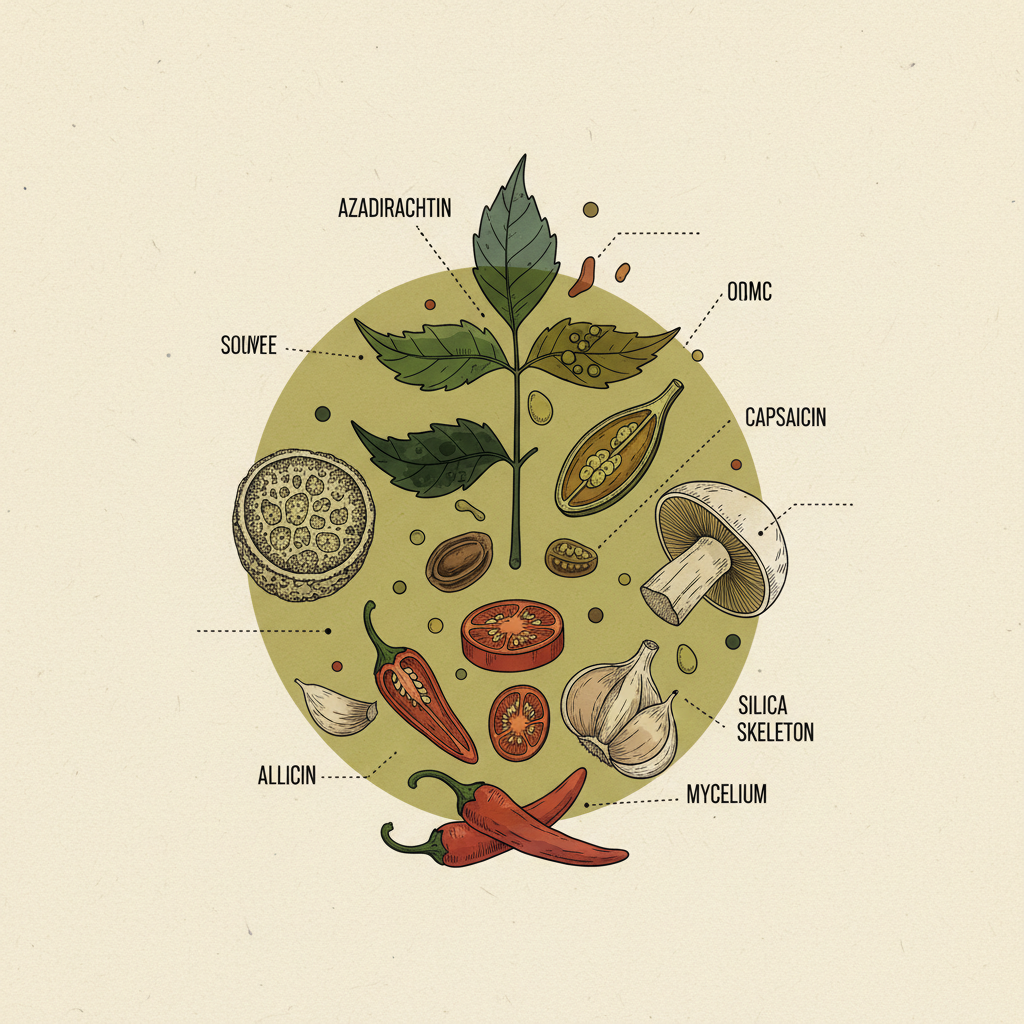
At its core, natural pesticides for tomatoes are substances derived from nature—plants, minerals, or microorganisms—that inhibit, repel, or kill pests. Unlike synthetic pesticides, which often use broad-spectrum toxins, natural variants typically target specific biological pathways of the pest, such as disrupting the molting process of larvae or acting as a natural repellent through volatile organic compounds (VOCs).
These solutions encompass a wide range of materials, from neem oil and potassium salts of fatty acids to biological agents like Bacillus thuringiensis (Bt). The distinction lies in their biodegradability; these compounds break down quickly in the environment, preventing the bioaccumulation that often plagues synthetic chemical runoff in groundwater and surrounding soil.
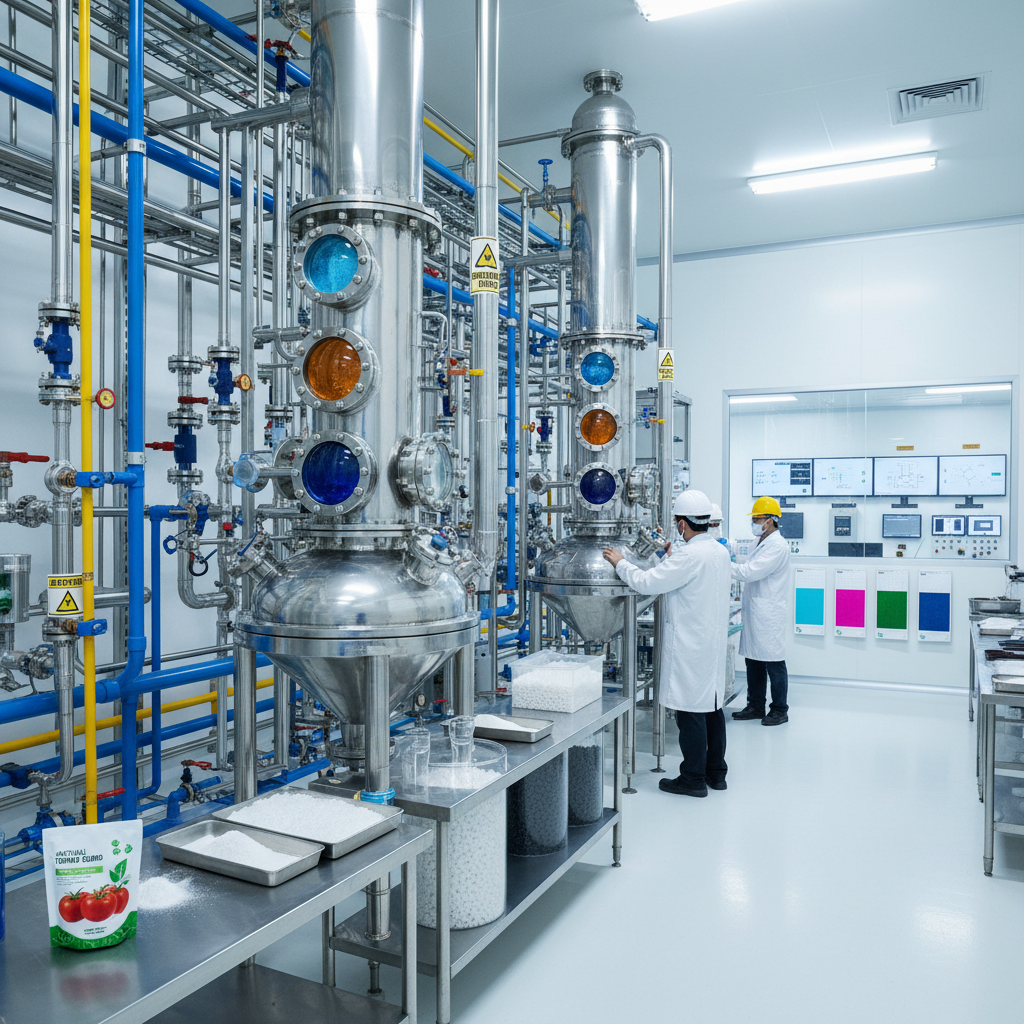
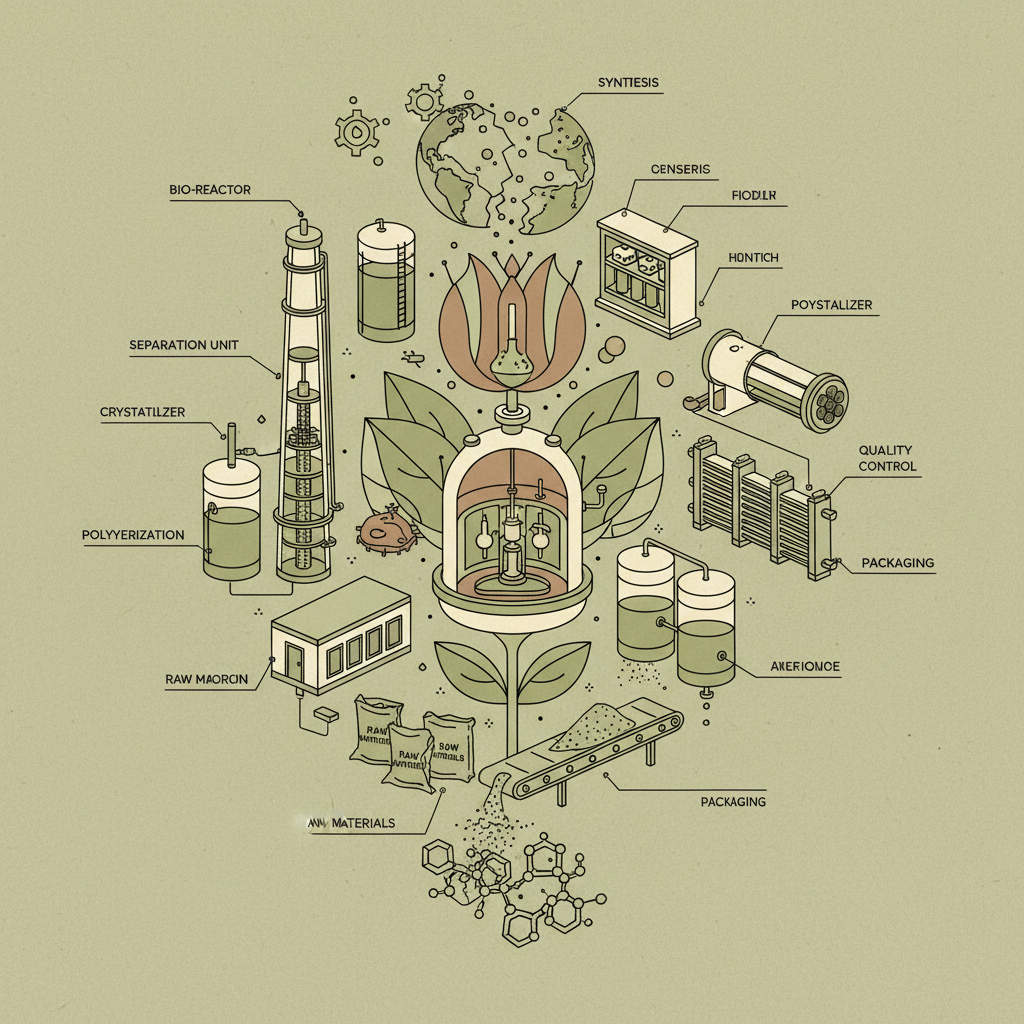
From an industrial perspective, the definition has expanded to include "biopesticides," which are developed using advanced chemical raw materials and nano-materials to enhance delivery and stability. This marriage of nature and science ensures that the active botanical ingredients remain effective under harsh sunlight and varying humidity, making them viable for large-scale commercial greenhouses.
Core Components of Effective Bio-Control
To ensure that natural pesticides for tomatoes work effectively, they must possess a high level of Target Specificity. This means the agent must be lethal to the target pest—such as the tomato hornworm—while remaining harmless to essential pollinators like bees. This selectivity is what makes bio-based solutions superior for maintaining a healthy orchard ecosystem.
Another critical factor is Residual Stability. Many organic compounds degrade too quickly under UV exposure. Therefore, the incorporation of natural surfactants and stabilizers is necessary to extend the window of protection. When formulated correctly, these natural pesticides provide a consistent barrier that prevents re-infestation without leaving harmful chemical residues on the tomato skin.
Finally, Cost-Efficiency and Scalability are the benchmarks for industrial adoption. For a natural pesticide to be viable, it must be producible in bulk using sustainable chemical raw materials. The ability to scale production from a laboratory setting to tons of industrial-grade formulation allows farmers to transition away from synthetics without facing prohibitive overhead costs.
Efficiency Metrics of Natural Interventions
Evaluating the success of natural pesticides for tomatoes requires a data-driven approach. Unlike synthetic chemicals that offer immediate "knock-down" effects, natural solutions often work through cumulative stress or biological interference. Therefore, efficiency is measured by the reduction in pest population over time and the overall health of the plant's vascular system.
Industry standards now utilize a "Efficacy Index" to compare various bio-control methods. This includes measuring the percentage of fruit saved from infestation and the rate of recovery in plants previously stressed by pests. By analyzing these metrics, growers can optimize their spray schedules and mixing ratios to achieve maximum protection with minimum waste.
Comparative Efficacy of Natural Pesticides for Tomatoes
Real-World Applications Across Regions
The application of natural pesticides for tomatoes varies significantly by climate and industrial scale. In the high-tech greenhouses of the Netherlands, automated dosing systems integrate biological controls with precise nutrient delivery. Here, the focus is on prevention and the use of predatory mites to manage whitefly populations, demonstrating a highly sophisticated symbiotic approach to pest management.
Conversely, in the expansive open-field farms of Southern Europe and North America, the challenge is weather variability. Growers in these regions utilize robust botanical sprays that can withstand high UV index and wind drift. In these contexts, natural pesticides are often applied in a rotating schedule to prevent pests from developing resistance, ensuring that the tomato harvest remains pristine and chemical-free for the global market.
Long-Term Value and Ecological Sustainability
The long-term value of transitioning to natural pesticides for tomatoes extends far beyond the immediate crop yield. By eliminating harsh synthetics, farmers restore the natural microbial activity of the soil, which enhances nutrient uptake and plant vigor. This creates a "virtuous cycle" where healthier plants are naturally more resistant to pests, reducing the overall need for intervention over time.
From a social and ethical standpoint, the use of bio-based solutions protects farmworkers from acute chemical exposure and reduces the risk of groundwater contamination in rural communities. This commitment to safety and transparency builds trust with the consumer, allowing brands to command a premium price for "residue-free" produce, thus aligning ecological health with economic profitability.
Moreover, the integration of these materials fosters a resilient agricultural infrastructure. By diversifying the tools used for pest control, the industry becomes less vulnerable to the sudden banning of a specific synthetic active ingredient by regulatory bodies like the EPA or EFSA, ensuring a stable and predictable supply chain for the global food industry.
Future Innovations in Green Pesticides
The future of natural pesticides for tomatoes lies in the intersection of biotechnology and nano-material science. We are seeing the emergence of "smart delivery systems," where active botanical ingredients are encapsulated in nano-spheres. These spheres release the pesticide only when triggered by specific stimuli, such as the pH change caused by a pest's saliva, drastically reducing the amount of product needed.
Furthermore, digital transformation is playing a pivotal role. AI-driven pest detection systems can now identify a whitefly infestation in its earliest stage, triggering a precise, targeted application of natural pesticides via drones. This "precision agriculture" approach minimizes waste and ensures that the bio-control agent is applied only where and when it is absolutely necessary.
As we move toward a circular economy, the industry is also exploring the use of agricultural waste—such as tomato vine residues—to extract natural antimicrobial compounds. This turns a waste product into a resource, creating a closed-loop system that defines the next generation of sustainable chemical manufacturing.
Comparative Analysis of Bio-Control Technologies for Tomatoes
| Technology Type |
Target Pest |
Environmental Impact |
Industrial Scalability |
| Botanical Extracts |
Aphids & Mites |
Low / Biodegradable |
High |
| Microbial Agents (Bt) |
Caterpillars |
Very Low / Specific |
Medium |
| Nano-Encapsulation |
Broad Spectrum |
Minimal / Targeted |
Emerging |
| Pheromone Traps |
Adult Moths |
Zero / Non-Toxic |
High |
| Mineral Salts |
Fungal Spores |
Low / Soil Neutral |
Very High |
| Companion Planting |
General Pests |
Positive / Biodiversity |
Low (Field scale) |
FAQS
While synthetic pesticides often provide a faster initial "knock-down" effect, natural pesticides are equally effective when integrated into a comprehensive IPM strategy. They work by disrupting the pest's lifecycle and reducing populations over time without creating the chemical resistance common with synthetics. For many commercial growers, the long-term stability of the crop and the lack of toxic residues make natural options the more effective choice for sustainable profit.
Application frequency depends on the specific agent used. Botanical oils, for instance, may require application every 7-14 days or after heavy rainfall since they biodegrade quickly. Microbial agents like Bt may have longer residuals. We generally recommend a proactive approach—applying preventatively during high-risk growth stages—rather than waiting for a severe infestation, which ensures the natural agents can maintain control more easily.
One of the primary advantages of professional-grade natural pesticides for tomatoes is their target specificity. When applied correctly—typically in the early morning or late evening when pollinators are less active—these products have a negligible impact on bees and ladybugs. Many bio-controls, such as pheromones or specific microbial strains, are completely harmless to non-target species, unlike broad-spectrum synthetic neonicotinoids.
Yes, "tank mixing" is common in industrial agriculture to cover multiple pest types. However, compatibility is key. For example, mixing an oil-based repellent with a microbial agent may encapsulate the bacteria and reduce its efficacy. We recommend performing a small-scale "jar test" to ensure no precipitation or separation occurs before applying the mixture to an entire field. Always follow the specific dilution ratios provided by the manufacturer.
Unlike some synthetic chemicals that can leave an off-flavor or a waxy residue, natural pesticides generally have no negative impact on the organoleptic properties of the fruit. In fact, because these solutions encourage a healthier soil microbiome and stronger plant immunity, the resulting tomatoes often exhibit superior flavor profiles and higher nutrient density, which is a significant selling point in organic and premium markets.
Initially, the cost per application may be slightly higher than generic synthetics. However, when you factor in the reduction in soil remediation costs, the premium price achieved for organic-certified produce, and the elimination of expensive pesticide-resistance management, the long-term ROI is significantly higher. Furthermore, reducing chemical runoff minimizes regulatory fines and environmental liabilities, providing a safer financial foundation for the farm.
Conclusion
The integration of natural pesticides for tomatoes represents a critical evolution in agricultural science. By combining the wisdom of botanical properties with the precision of modern chemical raw materials and nano-technology, growers can effectively manage pests while safeguarding the environment. We have seen that these solutions not only protect the crop but also revitalize the soil, protect biodiversity, and meet the growing consumer demand for clean, safe food.
As we look toward the future, the synergy between AI-driven precision and bio-based chemistry will likely render toxic synthetics obsolete. For producers and distributors, the transition to green chemistry is no longer optional—it is a strategic necessity for competitiveness in a sustainability-focused global market. We encourage all agricultural stakeholders to adopt these innovative bio-control methods to ensure a healthier, more resilient food system. Visit our website for more professional solutions: www.hbdfchempest.com