The global agricultural landscape is constantly evolving to meet the food security needs of a growing population, and the role of selective herbicides has never been more critical. Among these, the 24d pesticide stands as a cornerstone of modern weed management, offering farmers a powerful tool to protect broadleaf crops from invasive competition. By understanding the chemical nuances and application strategies of this compound, agricultural producers can significantly enhance crop yields while maintaining operational efficiency.
From a technical perspective, the development of 24d pesticide reflects decades of innovation in synthetic chemistry, moving from basic hormonal mimics to highly refined formulations that minimize volatility. This progression is essential for preventing "off-target drift," a common challenge in large-scale farming that can impact neighboring non-target vegetation. As regulatory frameworks tighten globally, the industry is shifting toward more stable, low-volatile salts and esters to ensure environmental safety.
Understanding the mechanisms behind 24d pesticide is not merely an academic exercise but a commercial necessity for stakeholders in the chemical raw materials and agro-industrial sectors. By balancing efficacy with ecological stewardship, the use of these chemical agents allows for the sustainable cultivation of cereals and grasses on a global scale. This guide explores the technical depth, application versatility, and future trajectory of one of the industry's most enduring weed control solutions.
The Industrial Significance of 24d pesticide
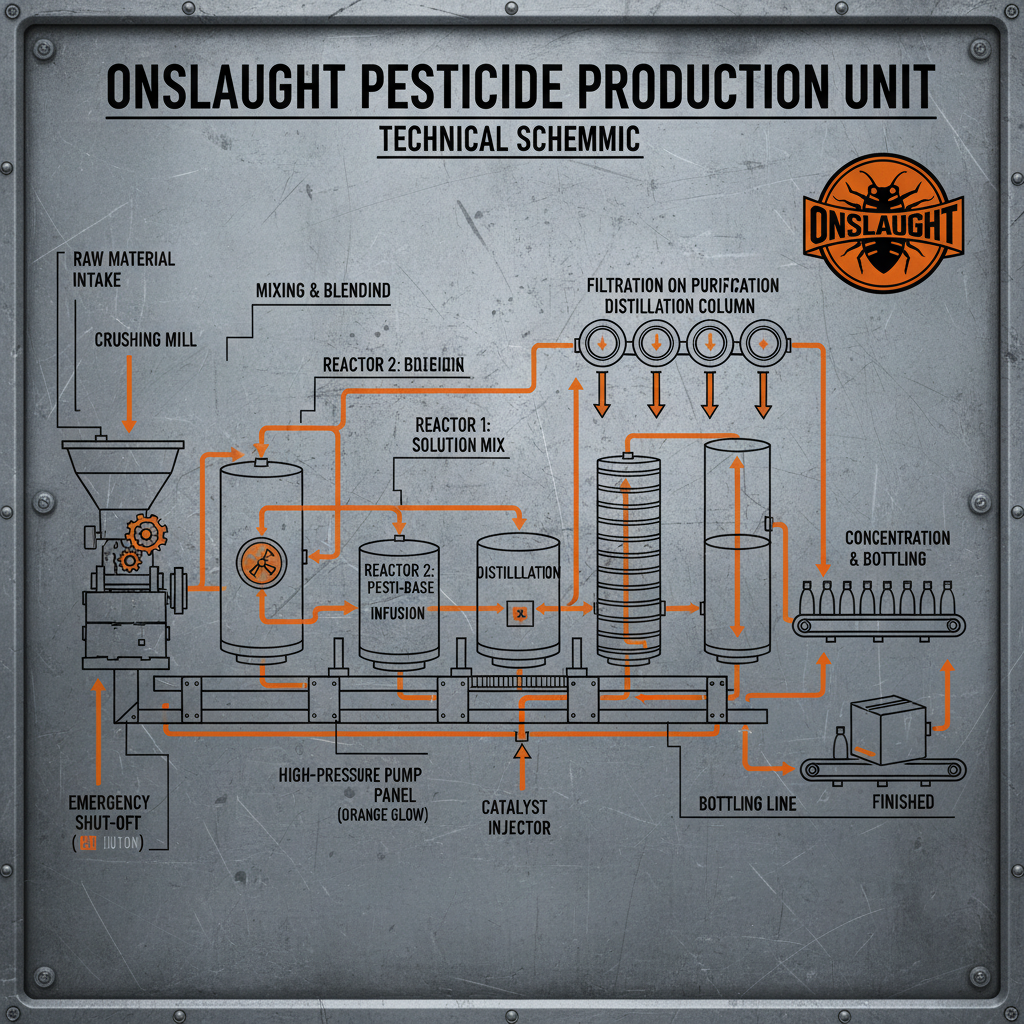
The industrial production of 24d pesticide is a vital segment of the specialty chemical manufacturing sector. Its ability to selectively target broadleaf weeds without harming monocotyledonous crops like wheat, corn, and rice makes it indispensable for global food supply chains. The manufacturing process involves complex synthesis of auxin-mimicking compounds, requiring high-precision chemical raw materials to ensure purity and stability.
Beyond simple weed control, the economic impact of this compound is measured in billions of dollars of saved crop value annually. By reducing the manual labor required for weeding and preventing the yield losses associated with aggressive weed competition, it allows for the scalability of industrial agriculture. This efficiency is what enables the transition from subsistence farming to high-output commercial production in developing agricultural zones.
Chemical Composition and Mode of Action
At its core, 24d pesticide functions as a synthetic auxin, a plant hormone that regulates growth. When applied, it mimics the natural growth hormone indole-3-acetic acid (IAA) but does so in a way that the plant cannot regulate. This leads to uncontrolled, disorganized growth in the vascular tissues of broadleaf plants, effectively "growing the weed to death" by disrupting its normal physiological processes.
The selectivity of the agent is its most prized characteristic. While broadleaf weeds absorb and translocate the chemical rapidly throughout their system, grasses and cereals possess a natural resilience or a different metabolic pathway that allows them to withstand the application. This biochemical distinction is what makes the compound a surgical tool in the hands of an experienced agronomist.
From a manufacturing standpoint, the compound is typically produced as an amine salt or an ester. Amine salts are generally preferred for their lower volatility, reducing the risk of vapor drift, whereas esters are often utilized for their superior penetration through the waxy cuticles of tougher weed species. Choosing the right chemical variant is crucial for aligning the product with specific regional climates and crop needs.
Key Factors for Optimal Application
Achieving maximum efficacy with 24d pesticide requires a precise understanding of environmental variables. Temperature and humidity play a decisive role in how the chemical interacts with the leaf surface; high temperatures can increase the rate of evaporation and volatility, potentially leading to drift into adjacent sensitive crops.
Precision in dosage is the second critical factor. Over-application of 24d pesticide can lead to phytotoxicity, where even the target crop experiences stunted growth or leaf curling. Conversely, under-application may fail to eradicate the weed entirely, potentially contributing to the development of herbicide-resistant weed populations over several seasons.
Finally, the timing of the application—specifically the growth stage of the weed—is paramount. Applying the compound during the early vegetative stage of the weed ensures that the hormone mimic is absorbed when the plant is most metabolically active, leading to a faster and more complete kill compared to applications on mature, woody weeds.
Performance Analysis of Different Formulations
The effectiveness of 24d pesticide is not uniform across all its commercial forms. Different chemical carriers are used to optimize the delivery of the active ingredient. For instance, low-volatile esters are engineered to provide rapid absorption in cooler climates, whereas dimethylamine salts offer stability and safety in warmer regions where drift is a higher risk.
Comparing these formulations allows producers to select the most cost-effective and safe option based on their specific geographic and climatic constraints. The following data represents a comparative analysis of five common delivery methods based on industry performance benchmarks.
Comparative Efficacy of 24d pesticide Delivery Methods
Global Use Cases in Large-Scale Farming
In the vast grain belts of North America and Eastern Europe, 24d pesticide is used extensively in "pre-plant" or "over-the-top" applications. For example, in corn production, it allows farmers to eliminate broadleaf competitors without hindering the growth of the corn itself, ensuring that nitrogen and water resources are dedicated solely to the crop.
Furthermore, in the forestry and pasture management sectors of South America, the compound is deployed to control invasive shrubs that threaten grazing lands. By integrating these chemical solutions with rotational grazing, land managers can restore the health of native grasses, thereby increasing the carrying capacity of the land for livestock and improving overall agricultural productivity.
Sustainability and Environmental Value
The long-term value of 24d pesticide lies in its ability to support sustainable intensification. By providing a reliable method for weed suppression, it reduces the need for intensive mechanical tillage, which is a primary cause of soil erosion and carbon release into the atmosphere. This transition toward "no-till" or "low-till" farming is a significant step toward regenerative agriculture.
Moreover, the development of high-purity formulations reduces the chemical load on the environment. Modern manufacturing ensures that the active ingredients are highly targeted, meaning lower volumes of product are required to achieve the same results. This reduction in overall chemical usage is a key goal for organizations striving to meet ISO environmental standards.
Ultimately, the reliability of this herbicide provides farmers with a sense of security. The trust built over decades of use allows for more predictable harvest cycles, which in turn stabilizes food prices for the end consumer. Innovation in this field is not just about potency, but about creating a harmonious balance between industrial output and ecological preservation.
Future Trends in Pesticide Innovation
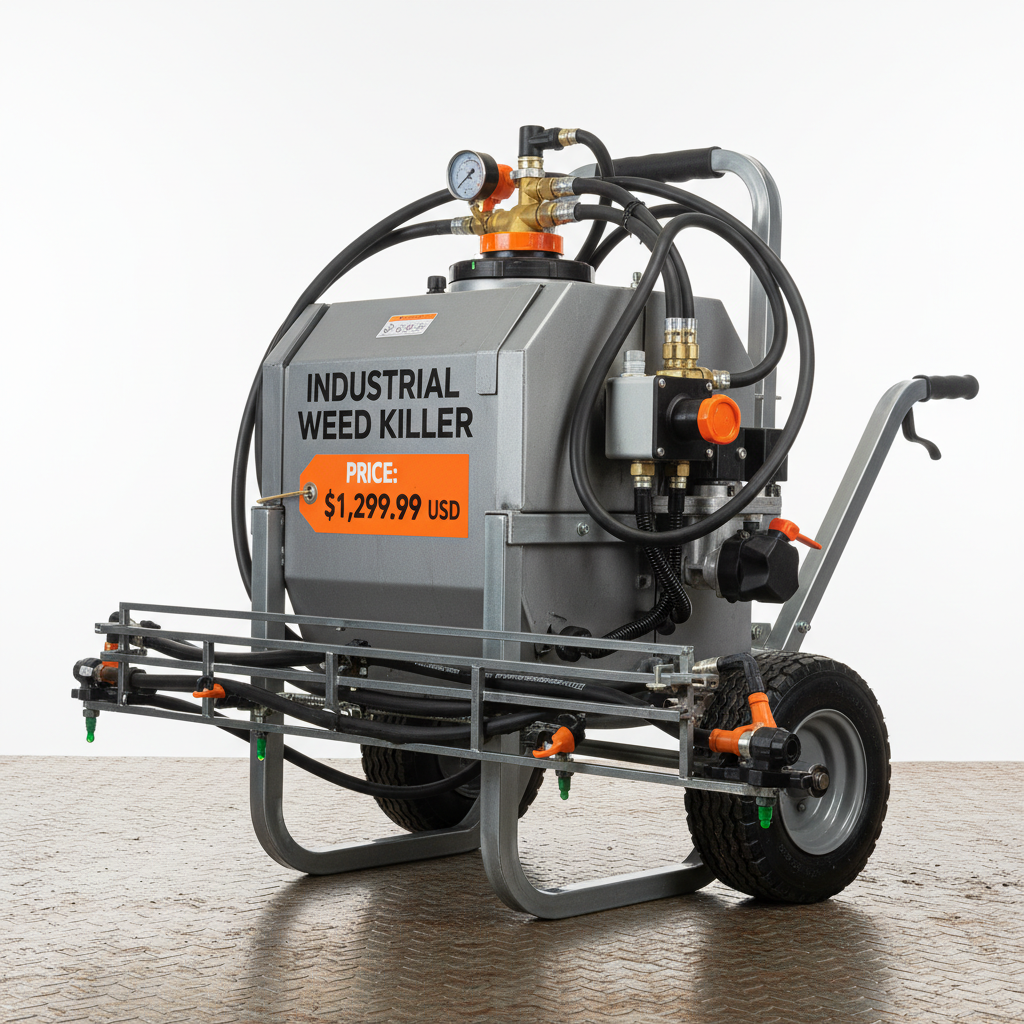
The future of 24d pesticide is being shaped by the digital transformation of agriculture. The integration of AI-driven precision spraying—using drones and computer vision—allows for "spot application." Instead of blanket-spraying an entire field, sensors identify specific broadleaf weeds and apply the chemical only where needed, reducing product waste by up to 60%.
Simultaneously, the industry is exploring nano-encapsulation technologies. By wrapping the active ingredient in a nano-shell, the release of the pesticide can be timed to coincide with specific weather conditions or plant growth stages. This not only enhances efficacy but virtually eliminates the risk of volatility and drift, addressing one of the oldest challenges associated with auxin-based herbicides.
As we move toward a greener economy, the synergy between chemical raw materials and biotechnology will be crucial. The goal is to create "smart" formulations that degrade more rapidly after their task is complete, leaving zero harmful residues in the soil. This evolution ensures that 24d pesticide remains a viable and responsible tool for the next generation of farmers.
Comparative Analysis of 24d pesticide Evolution and Future Metrics
| Evolution Phase |
Volatility Level |
Application Precision |
Environmental Impact Score |
| Early Synthetic Esters |
High |
Low (Broadcast) |
4/10 |
| Amine Salt Formulations |
Medium |
Medium |
6/10 |
| Low Volatile Esters |
Low |
Medium |
7/10 |
| Precision Drone Application |
Very Low |
High (Targeted) |
8/10 |
| Nano-Encapsulated Delivery |
Minimal |
Very High |
9/10 |
| Bio-Degradable Hybrids |
Minimal |
Extreme |
10/10 |
FAQS
The selectivity is due to the plant's biological response to synthetic auxins. Broadleaf plants absorb and distribute the compound throughout their system, causing rapid, abnormal growth that leads to death. Conversely, most grasses and cereal crops have a physiological structure or metabolic ability to neutralize or ignore the hormone mimic, allowing them to remain unharmed.
To prevent drift, it is recommended to use amine salt formulations rather than high-volatility esters, especially in warm weather. Additionally, applying the product during low-wind conditions, utilizing drift-reduction nozzles, and maintaining the correct spray height are essential practices to ensure the chemical stays within the intended target zone.
Yes, it is often tank-mixed with other herbicides to broaden the spectrum of weed control. However, compatibility depends on the specific formulation (salt vs. ester) and the other chemicals involved. Always perform a "jar test" for physical compatibility and consult a product label to avoid antagonistic effects that could reduce the efficacy of both agents.
Temperature significantly affects volatility and absorption. In very high temperatures, some formulations can vaporize, increasing the risk of drift. In very cold temperatures, the absorption rate by the weed may slow down, requiring a higher volume of water or a different formulation (like an ester) to penetrate the waxy leaf cuticle effectively.
Generally, no. The compound is broken down by soil microorganisms and sunlight through a process called biodegradation. While it is potent upon application, it does not typically persist in the soil for extended periods, making it safe for crop rotation if the application guidelines and waiting periods specified on the label are followed.
Choose the amine salt if you are operating in a warm climate or near sensitive non-target crops, as it has lower volatility. Choose the ester form if you are dealing with weeds that have thick, waxy leaves or if you are spraying in cooler temperatures where faster penetration and absorption are required for a successful kill.
Conclusion
The strategic application of 24d pesticide remains a vital component of modern agricultural success. By leveraging its unique hormone-mimicking properties, farmers can protect their primary crops and ensure high yields with surgical precision. From the chemical purity of raw materials to the implementation of AI-driven precision spraying, the evolution of this compound demonstrates a commitment to both productivity and environmental responsibility.
Looking forward, the industry must continue to prioritize the development of low-volatility and bio-degradable formulations to meet the stringent demands of global sustainability goals. As we integrate nano-technology and digital farming, the value of this chemical tool will only increase, providing a reliable bridge to a more food-secure future. For high-quality agro-industrial solutions, visit our website: www.hbdfchempest.com.