Understanding the presence of pesticides in fruits and vegetables is a critical aspect of modern food safety and agricultural management. As the global population grows, the demand for high-yield, blemish-free produce has led to an increased reliance on chemical interventions to protect crops from pests and diseases. While these substances ensure food security, they necessitate a delicate balance between agricultural productivity and consumer health.
From a global perspective, the regulation of chemical residues is not merely a local concern but a complex international trade issue. Standardized Maximum Residue Limits (MRLs) are established by organizations like the Codex Alimentarius to ensure that pesticides in fruits and vegetables do not pose an unacceptable risk to human health. For manufacturers and farmers, navigating these regulations requires a deep understanding of chemical degradation, application timing, and environmental impact.
Ultimately, the goal is to transition toward "precision agriculture," where the use of pesticides in fruits and vegetables is optimized to minimize chemical loads while maximizing crop protection. By leveraging advanced chemical raw materials and biological alternatives, the industry can ensure that the produce reaching the table is both nutritious and safe, fostering trust between the producer and the end consumer.
Global Impact of Pesticides in Fruits and Vegetables
The global agricultural landscape relies heavily on chemical inputs to mitigate the risk of crop failure. In many developing regions, the strategic application of pesticides in fruits and vegetables is the primary defense against devastating fungal infections and insect infestations that could otherwise wipe out entire harvests. According to FAO data, the efficiency of food production has increased significantly over the last few decades, largely due to the refinement of these chemical agents.
However, the challenge lies in the systemic nature of these chemicals. When pesticides in fruits and vegetables are applied improperly, they can lead to soil degradation and water contamination, creating a cycle of environmental stress. The industry is currently shifting toward high-purity chemical raw materials that degrade more quickly in the environment, reducing the biological footprint while maintaining the necessary protective barrier for the produce.
Defining Pesticide Residues in Modern Agriculture
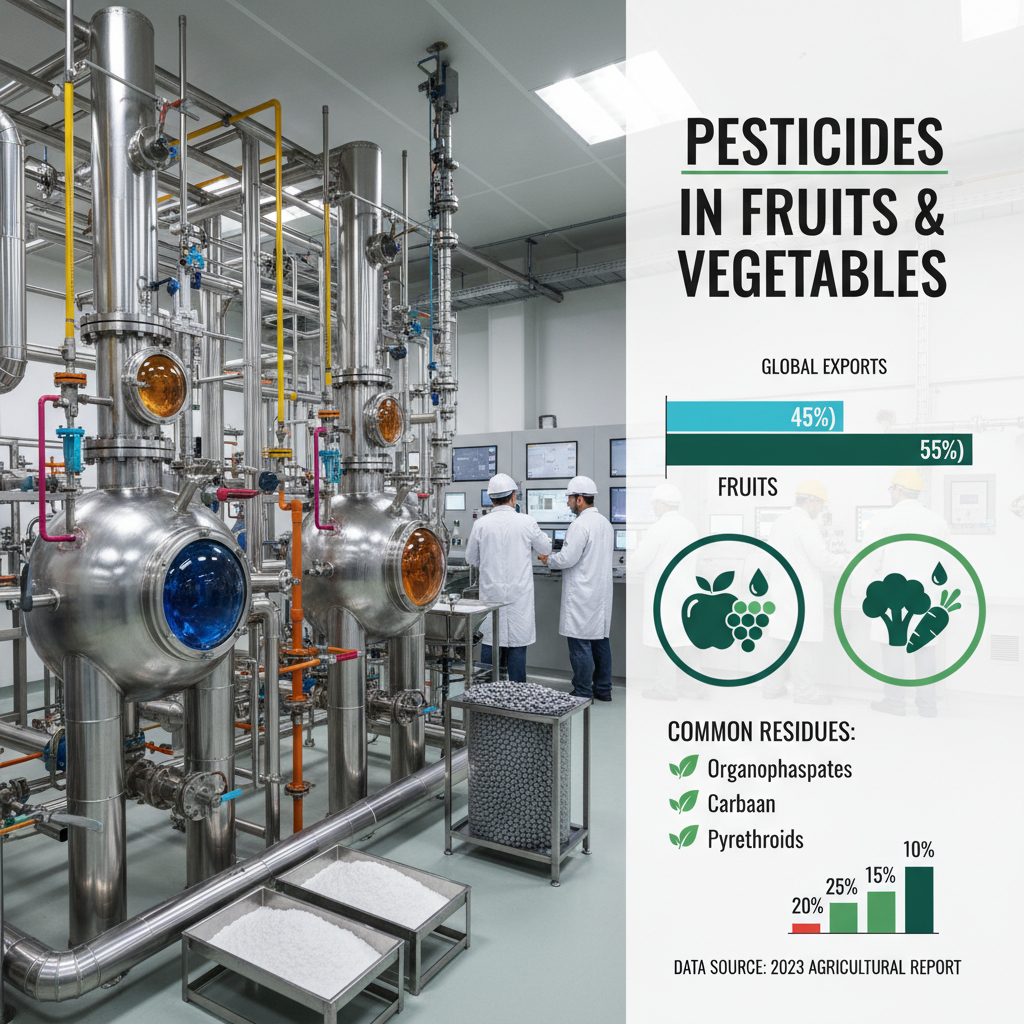
When we discuss pesticides in fruits and vegetables, we are generally referring to "residues"—the small amounts of the active ingredient and its breakdown products that remain on or in the produce after harvest. These are not necessarily harmful; in fact, most are present in concentrations far below the toxicity threshold for humans. The science of toxicology helps us differentiate between the presence of a chemical and a hazardous level of exposure.
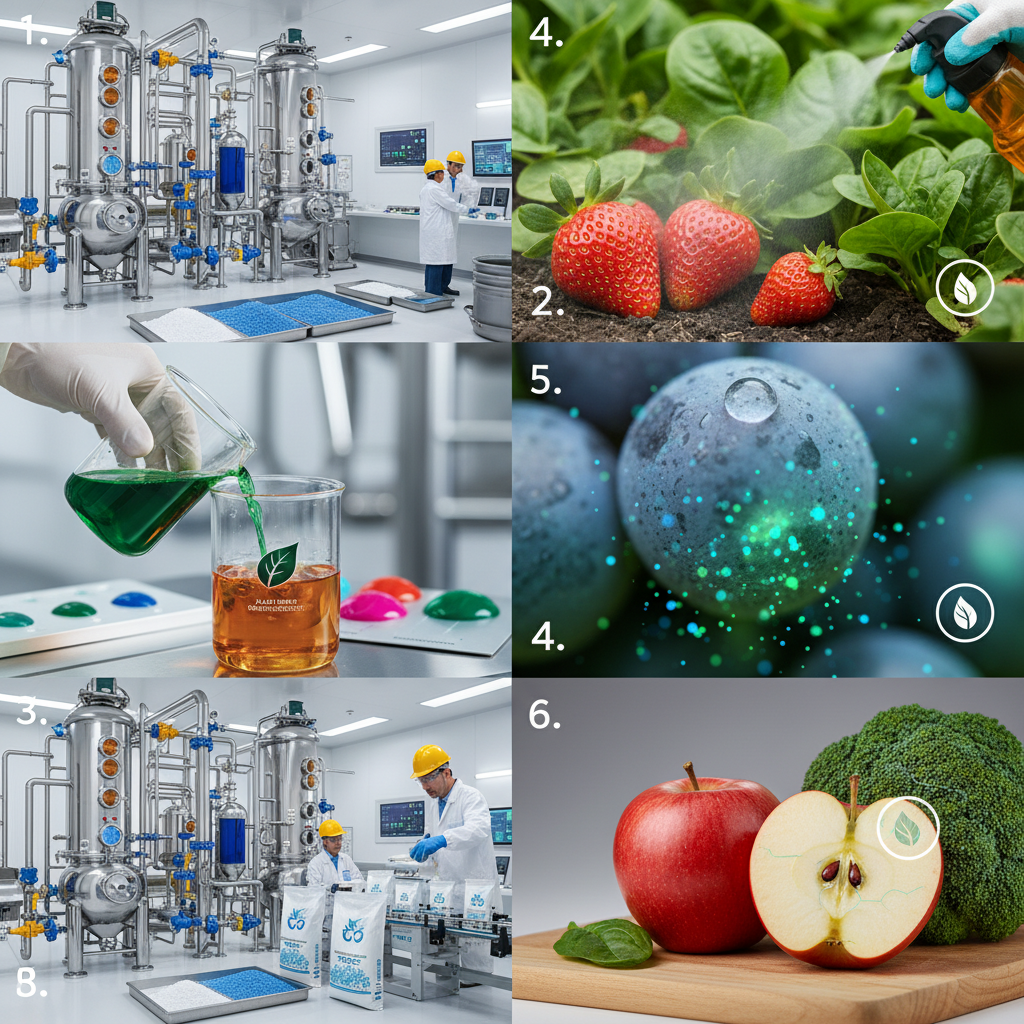
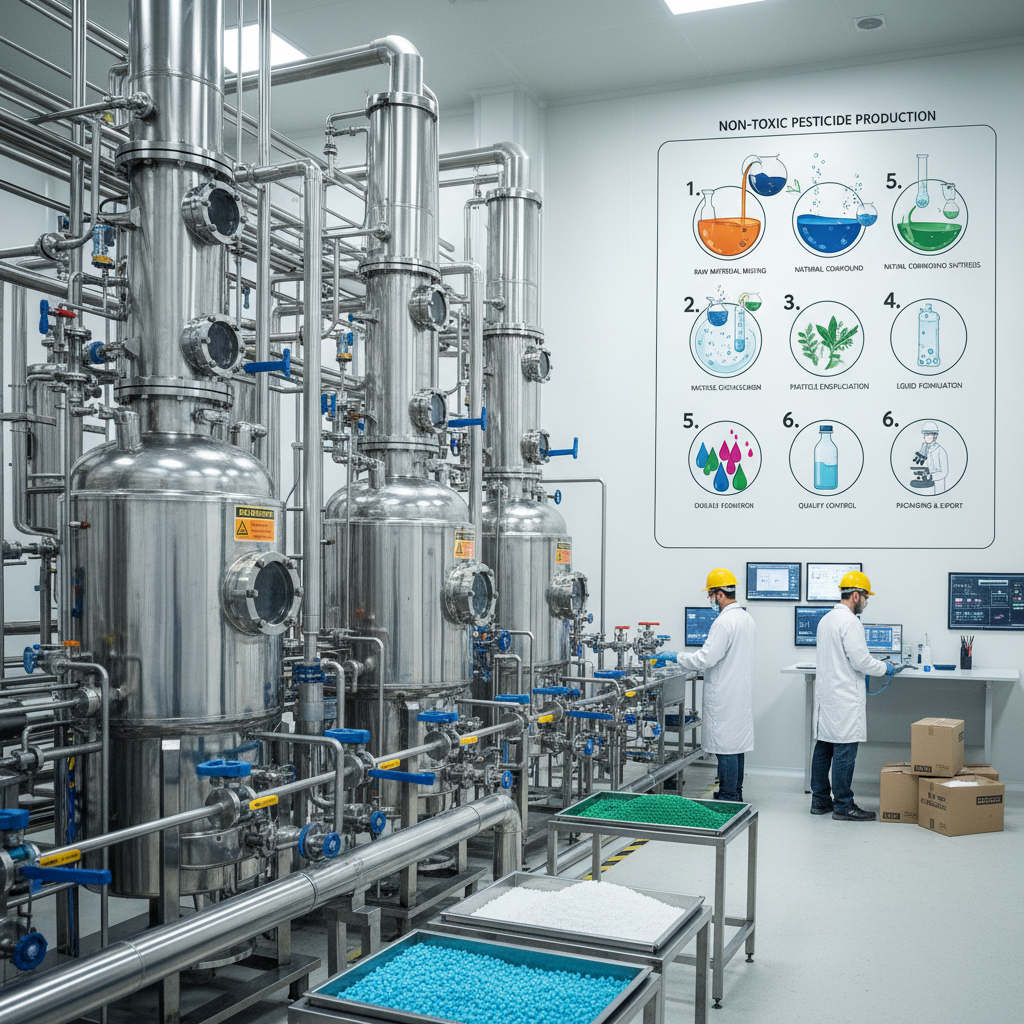
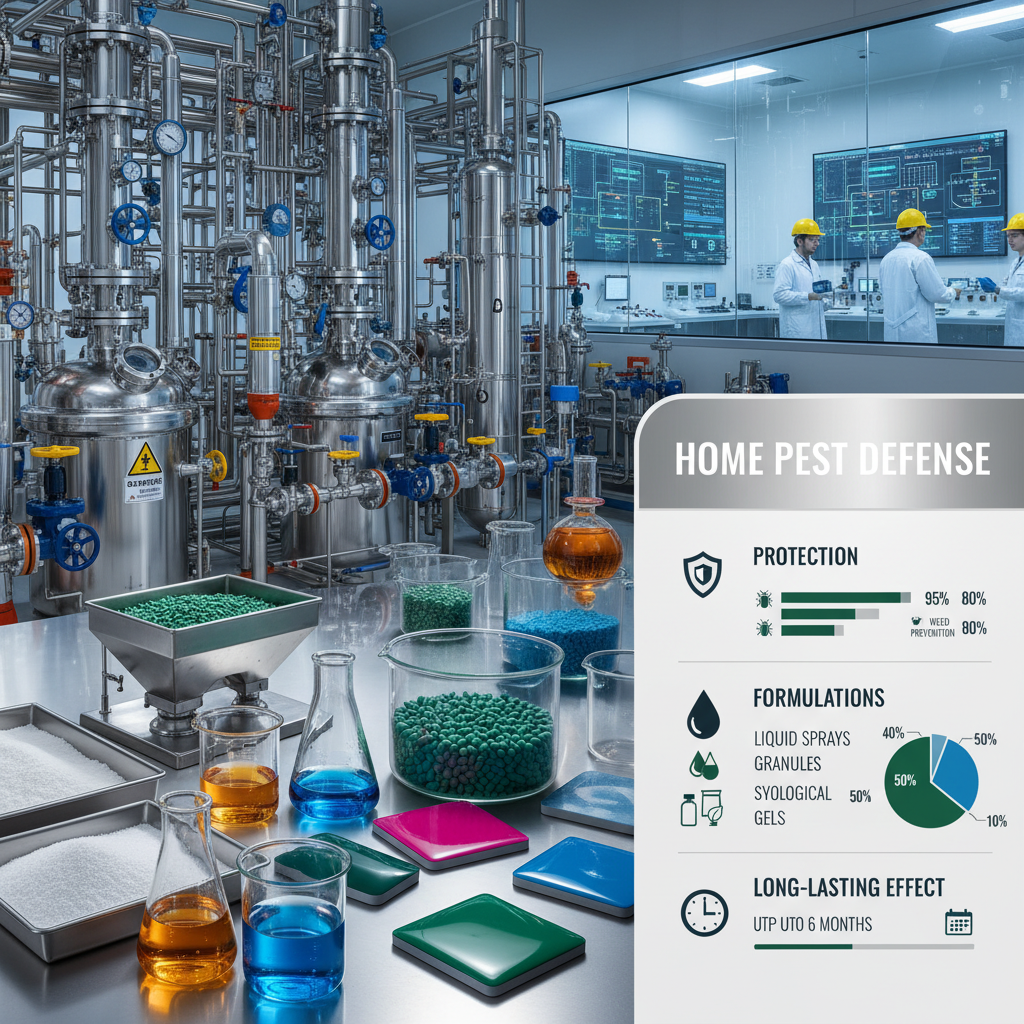
In the context of the chemical manufacturing industry, creating effective pesticides requires a sophisticated blend of active ingredients and adjuvants. These components ensure that the pesticide adheres to the waxy surface of a leaf or penetrates the skin of a fruit to fight internal pests. The precision of these formulations determines how much of the substance remains as a residue, which is why the purity of the raw materials is paramount.
Ultimately, the role of these chemicals is to serve as a temporary shield. By understanding the chemical half-life of pesticides in fruits and vegetables, agronomists can calculate the "Pre-Harvest Interval" (PHI), ensuring that the chemicals have naturally decomposed to safe levels before the produce reaches the consumer's plate.
Key Factors Influencing Residue Levels
Several environmental variables dictate the concentration of pesticides in fruits and vegetables. Solar radiation is one of the most significant factors, as UV rays catalyze the photodegradation of many organic chemical compounds, effectively cleaning the surface of the fruit over time.
The systemic nature of the chemical also plays a role. Systemic pesticides are absorbed into the plant's vascular system, meaning they are distributed throughout the fruit's flesh, whereas contact pesticides remain on the skin. This distinction is vital when analyzing the safety and cleaning protocols for pesticides in fruits and vegetables.
Furthermore, the pH level of the soil and the moisture content of the air influence how long these chemicals persist. High humidity can sometimes slow down the evaporation of certain formulations, potentially increasing the residue levels of pesticides in fruits and vegetables if the application timing is not meticulously managed.
Comparative Analysis of Application Methods
The method of delivery significantly impacts the efficiency and the remaining levels of pesticides in fruits and vegetables. Traditional broad-spectrum spraying often results in significant "over-spray," where chemicals land on non-target areas, increasing the overall environmental load without adding proportional benefit to the crop.
In contrast, modern precision application, such as drone-based targeted spraying or drip-irrigation chemigation, allows for a highly controlled dose. These methods reduce the total volume of chemicals used and minimize the unsightly residues of pesticides in fruits and vegetables, aligning with the global movement toward sustainable intensification.
Efficiency of Various Pesticide Delivery Methods
Global Use Cases and Regional Regulations
Different regions employ varying strategies to manage pesticides in fruits and vegetables based on their ecological needs and consumer demands. For instance, the European Union adheres to a "Precautionary Principle," which often leads to stricter bans on specific active ingredients compared to North American standards. This creates a complex landscape for chemical exporters who must synthesize different formulations for different markets.
In Southeast Asia, where tropical climates accelerate pest reproduction, the frequency of application is often higher. Here, the focus is on developing "fast-acting, fast-degrading" chemicals that prevent the accumulation of pesticides in fruits and vegetables, ensuring that the produce meets the export requirements of more stringent markets like Japan or the EU.
Long-term Value of Integrated Pest Management
Integrated Pest Management (IPM) represents a paradigm shift in how we handle pesticides in fruits and vegetables. Rather than relying on scheduled chemical applications, IPM uses biological controls, crop rotation, and pheromone traps to manage pest populations. Chemicals are used only as a last resort, which drastically reduces the total residue load.
The long-term economic value of IPM is substantial. By reducing the reliance on heavy chemical inputs, farmers can lower their operational costs and prevent the development of pesticide-resistant "super-bugs." This ensures that when chemicals are actually needed, they remain effective, preserving the viability of the agricultural system.
Moreover, this approach builds consumer trust. In an era where "organic" and "low-residue" labels command a premium price, the ability to prove a minimal presence of pesticides in fruits and vegetables becomes a competitive advantage for the producer, adding tangible market value to the harvest.
Future Innovations in Chemical Crop Protection
The future of managing pesticides in fruits and vegetables lies in the intersection of nanotechnology and biotechnology. Nano-encapsulation allows active ingredients to be released slowly over time or triggered by specific environmental cues (like the pH of a pest's gut), which means far fewer chemicals are needed to achieve the same result.
Digital transformation is also playing a role. AI-driven sensors can now detect the very first signs of a pest infestation, allowing for "spot-treatment" rather than whole-field spraying. This surgical precision virtually eliminates the unnecessary presence of pesticides in fruits and vegetables in non-affected areas of the farm.
Furthermore, the development of bio-pesticides derived from plant extracts or microorganisms is gaining momentum. These alternatives offer the same protective benefits as synthetic chemicals but with near-zero persistence, effectively redefining our approach to pesticides in fruits and vegetables for a sustainable future.
Comparative Analysis of Pesticide Management Technologies
| Technology Type |
Residue Impact |
Environmental Safety |
Cost-Effectiveness |
| Conventional Spraying |
High Residue |
Low (4/10) |
Moderate |
| Drone Precision |
Low Residue |
High (8/10) |
Initial High Cost |
| Nano-Encapsulation |
Very Low |
Very High (9/10) |
Premium Cost |
| Bio-Pesticides |
Negligible |
Maximum (10/10) |
Variable |
| IPM Integration |
Controlled |
High (8/10) |
High Long-term |
| AI-Sensor Targeting |
Minimal |
High (9/10) |
Investment Heavy |
FAQS
Not necessarily. Most residues are found in quantities far below the Maximum Residue Limit (MRL) set by health authorities. These levels are determined by toxicologists to ensure that chronic exposure does not pose a risk to human health. The key is the concentration, not just the presence of the chemical.
Washing produce under running water or using a mild vegetable wash can remove a significant portion of contact pesticides. For systemic pesticides, which are absorbed into the plant, washing is less effective, but choosing organic or IPM-certified produce can minimize exposure.
Organic produce is grown without synthetic pesticides. Low-residue produce may use synthetic pesticides, but only in a highly controlled manner (often via IPM) to ensure that the final levels of pesticides in fruits and vegetables are kept as low as possible, often matching organic levels.
MRLs vary based on regional health policies and available data. The EU typically employs a more stringent "hazard-based" approach, while the USA and other regions may use a "risk-based" approach. This means a fruit might be legal in one country but exceed the residue limit in another.
Yes, this is a major challenge. When pesticides in fruits and vegetables are used excessively, pests can evolve resistance. This is why rotating different chemical classes and integrating biological controls is essential to maintain the efficacy of crop protection agents.
High-purity raw materials allow for more precise formulations. By reducing impurities and optimizing the active ingredient's stability, manufacturers can create products that work more efficiently at lower doses, directly reducing the amount of pesticides in fruits and vegetables.
Conclusion
The management of pesticides in fruits and vegetables is a complex balancing act between ensuring global food security and safeguarding human health. By moving from broad chemical application to precision-targeted delivery and integrating biological alternatives, the industry is successfully reducing residue levels without compromising yield. The transition toward high-purity chemical raw materials and AI-driven agriculture marks a new era of sustainable crop protection.
Looking forward, the continued innovation in bio-pesticides and nano-delivery systems will likely render traditional, high-residue spraying obsolete. For stakeholders in the agro-industrial sector, the path forward is clear: invest in sustainability, adhere to strict international safety standards, and prioritize the health of the end consumer. We invite you to explore our advanced chemical solutions and raw materials to help you achieve these goals. Visit our website: www.hbdfchempest.com