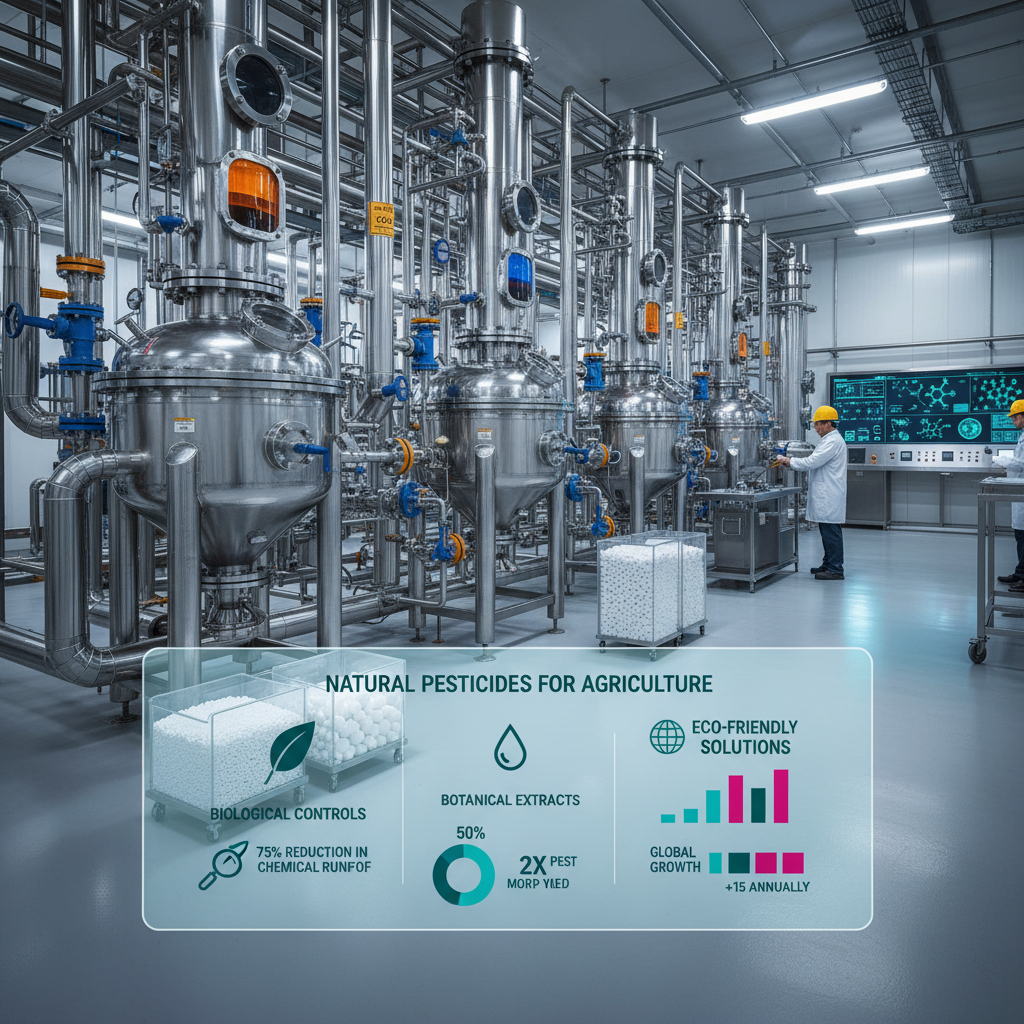
Natural pesticides for agriculture represent a vital shift in modern farming practices, moving away from synthetic chemicals towards more sustainable and environmentally friendly solutions. Globally, there's a growing demand for food produced using methods that minimize harm to ecosystems and human health. Understanding and implementing natural pest control strategies is no longer just an option, but a necessity to ensure long-term food security and ecological balance. natural pesticides for agriculture is becoming increasingly crucial.
The rising concerns over pesticide resistance, environmental contamination, and the potential health risks associated with synthetic pesticides are driving the adoption of natural alternatives. Governments worldwide are implementing stricter regulations on pesticide use, while consumers are actively seeking out organic and sustainably produced food. This confluence of factors is creating a significant market opportunity for innovative and effective natural pest control solutions.
For agrochemical manufacturers like HBDF Chem-Pest, specializing in natural pesticides for agriculture, means adapting to this evolving landscape and providing farmers with the tools they need to produce safe, healthy, and sustainable crops. This includes rigorous research and development, quality control, and a commitment to environmental stewardship.
The Importance of Natural Pesticides for Agriculture
The increasing demand for sustainable agricultural practices is placing a spotlight on the importance of natural pesticides for agriculture. Consumers are becoming more aware of the potential health and environmental impacts of synthetic pesticides, driving a demand for safer alternatives. This shift is not merely a trend, but a fundamental change in how we approach food production. natural pesticides for agriculture represents a forward-thinking approach to pest management.
Utilizing natural methods can help preserve biodiversity, protect beneficial insects, and reduce the risk of pesticide resistance. Investing in research and development of natural pesticide solutions is crucial for creating a resilient and sustainable agricultural system. This is where HBDF Chem-Pest plays a vital role, providing innovative and effective options for farmers globally.
Defining Natural Pesticides for Agriculture
Natural pesticides for agriculture encompass a wide range of substances derived from plants, animals, minerals, and microorganisms that are used to control pests. These alternatives generally pose less risk to human health and the environment compared to synthetic pesticides. Examples include botanical insecticides like neem oil and pyrethrum, microbial pesticides based on bacteria like Bacillus thuringiensis (Bt), and mineral-based pesticides like diatomaceous earth.
The defining characteristic of natural pesticides is their origin and mode of action. They often work by disrupting pest life cycles, deterring feeding, or creating unfavorable conditions rather than directly killing pests with harsh chemicals. This selectivity is a key advantage, allowing for targeted pest control while minimizing harm to beneficial organisms.
The connection to modern industry lies in the growing bio-based chemicals sector and the drive for more sustainable industrial processes. HBDF Chem-Pest is committed to providing high-quality, naturally derived pest control solutions that meet the evolving needs of the agricultural industry.
Key Components of Effective Natural Pest Control
Effective natural pest control relies on several key components, starting with Integrated Pest Management (IPM). IPM is a holistic approach that combines multiple strategies, including biological control, cultural practices, and the judicious use of natural pesticides. It emphasizes prevention and monitoring to minimize pest outbreaks before they occur. A solid IPM strategy is paramount when considering natural pesticides for agriculture.
Another vital component is Biodiversity. Promoting a diverse agricultural landscape provides habitats for beneficial insects and predators that naturally control pest populations. Crop rotation, intercropping, and the creation of hedgerows can all contribute to increased biodiversity and a more resilient ecosystem.
Soil Health is often overlooked but plays a crucial role in plant health and pest resistance. Healthy soil provides plants with the nutrients they need to thrive and defend themselves against pests. Practices like composting, cover cropping, and no-till farming can improve soil health and reduce the need for pesticides.
Finally, Accurate Identification of pests is essential for choosing the most effective natural control methods. Misidentification can lead to the use of inappropriate treatments, wasting time and resources.
Global Applications of Natural Pesticides
Natural pesticides for agriculture are gaining traction worldwide, with significant adoption in regions prioritizing sustainable farming practices. Europe, for example, has implemented strict regulations on synthetic pesticide use, driving demand for natural alternatives. Similarly, organic farming movements in North America and Australia are fueling the growth of the natural pesticide market.
In Asia, countries like India and China are increasingly embracing natural pest control methods to address concerns about pesticide residues in food and environmental pollution. Smallholder farmers, in particular, are benefiting from access to affordable and effective natural pesticides.
In post-disaster relief operations, natural pesticides can provide a safe and sustainable way to protect crops and ensure food security in affected areas. HBDF Chem-Pest is committed to providing these solutions globally, supporting farmers and communities in their efforts to build resilient and sustainable agricultural systems.
Effectiveness of Different natural pesticides for agriculture Methods
Advantages and Long-Term Value
The advantages of utilizing natural pesticides for agriculture extend far beyond simply reducing chemical exposure. Cost-effectiveness is often a significant benefit, especially for smallholder farmers who can produce some natural pesticides on-farm. Furthermore, natural pesticides contribute to long-term soil health and ecosystem resilience. natural pesticides for agriculture are often a very valuable solution.
From a social impact perspective, natural pesticides enhance food safety, protect farmworkers, and promote healthier communities. The emotional angle of knowing that your food is grown using sustainable and environmentally responsible methods contributes to increased consumer trust and confidence.
Future Trends and Innovations
The future of natural pesticides for agriculture is bright, with ongoing research and development leading to innovative new solutions. Advances in biotechnology are enabling the production of more effective and targeted microbial pesticides. Nanotechnology is being explored to enhance the delivery and efficacy of natural compounds.
The integration of digital technologies, such as precision agriculture and remote sensing, will allow farmers to monitor pest populations more accurately and apply natural pesticides only when and where they are needed. Policy changes that incentivize sustainable farming practices and promote the adoption of natural pest control methods will also play a critical role.
Challenges and Solutions in Natural Pesticide Implementation
Despite the numerous benefits, implementing natural pesticides for agriculture also presents certain challenges. These include the potential for lower efficacy compared to synthetic pesticides, the need for more frequent applications, and the higher cost of some natural alternatives. natural pesticides for agriculture sometimes needs to overcome certain challenges.
However, these challenges can be overcome through careful planning, proper application techniques, and the use of integrated pest management strategies. Investing in research and development to improve the efficacy and affordability of natural pesticides is also crucial.
HBDF Chem-Pest is dedicated to addressing these challenges by providing farmers with comprehensive support, including training, technical assistance, and access to high-quality natural pesticide products.
Summary of Considerations for Implementing Natural Pesticides for Agriculture
| Pest Type |
Natural Pesticide Options |
Application Frequency |
Cost-Effectiveness (1-10) |
| Aphids |
Neem Oil, Pyrethrum |
Weekly |
7 |
| Caterpillars |
Bacillus thuringiensis (Bt) |
As needed |
8 |
| Fungal Diseases |
Copper-based fungicides |
Bi-weekly |
6 |
| Whiteflies |
Insecticidal Soap |
Weekly |
5 |
| Spider Mites |
Neem Oil, Horticultural Oil |
10-14 days |
7 |
| Nematodes |
Beneficial Nematodes |
Seasonal |
6 |
FAQS
Our natural pesticide products generally have a shelf life of 1-2 years when stored properly in a cool, dry place away from direct sunlight. The specific shelf life will vary depending on the product formulation and ingredients. Always check the expiration date on the product label before use. Proper storage is crucial to maintain efficacy and ensure optimal performance. natural pesticides for agriculture require proper storage.
While many of our products are derived from natural sources and are compliant with organic farming standards, not all are currently certified organic. We are actively working towards obtaining organic certifications for a wider range of our products. We can provide documentation outlining the ingredients and sourcing of our products to support your organic certification process. This is a key component of delivering quality natural pesticides for agriculture.
The correct dosage of our natural pesticides will depend on the specific crop, the type of pest, and the severity of the infestation. We provide detailed dosage instructions on each product label. It is important to follow these instructions carefully. For specific guidance, consult with our technical support team or a qualified agricultural advisor. Accurate dosage is critical for effective pest control.
Natural pesticides are generally less harmful to beneficial insects than synthetic pesticides, but it is still important to use them responsibly. Avoid spraying pesticides directly on flowering plants when bees are actively foraging. Apply pesticides in the evening or early morning when bees are less active. Consider using targeted application methods to minimize exposure to beneficial insects. Protecting pollinators is a key aspect of sustainable natural pesticides for agriculture.
The most effective approach is to integrate natural pesticides into a comprehensive Integrated Pest Management (IPM) program. This involves combining cultural practices (crop rotation, sanitation), biological control (introducing beneficial insects), and the judicious use of natural pesticides. Monitoring pest populations regularly and taking action only when necessary is also crucial. A holistic approach maximizes effectiveness and minimizes environmental impact.
There are many excellent resources available online and through agricultural organizations. We recommend exploring websites such as the USDA National Organic Program, the Environmental Protection Agency (EPA), and local agricultural extension offices. HBDF Chem-Pest also provides a wealth of information on our website and through our technical support team. We can help guide you toward the best solutions for natural pesticides for agriculture.
Conclusion
In conclusion, natural pesticides for agriculture represent a critical component of a sustainable and resilient food system. From reducing environmental impact and protecting human health to enhancing food safety and promoting biodiversity, the benefits are undeniable. Embracing these alternatives is not simply a trend, but a necessary shift towards a more responsible and ecological approach to farming.
Looking ahead, continued investment in research and development, coupled with supportive policies and increased consumer awareness, will be crucial for unlocking the full potential of natural pest control. HBDF Chem-Pest is committed to being a leader in this space, providing farmers with innovative, effective, and environmentally responsible solutions. Visit our website at www.hbdfchempest.com to learn more about how we can help you achieve sustainable agricultural success.