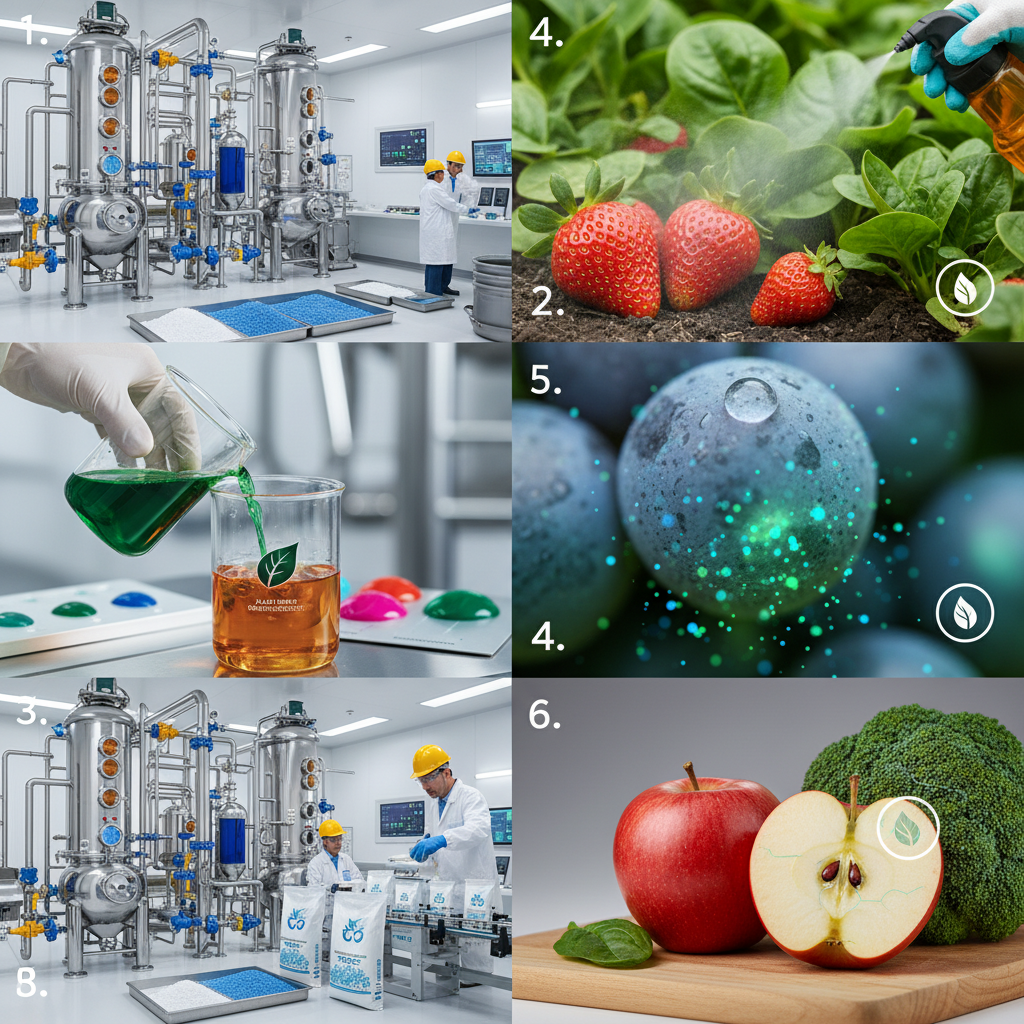
Understanding the different types of pesticides is crucial in today's world, not just for agriculture, but for public health, environmental protection, and even global trade. We're facing increasing demands for food production, coupled with growing concerns about pesticide resistance and environmental impact. Knowing which pesticide does what, and how it works, is no longer just a job for chemists; it's vital for anyone involved in managing land, food systems, or public spaces. We need a solid grasp of these tools to use them responsibly and effectively.
The global pesticide market is a multi-billion dollar industry, with a complex web of regulations, innovations, and challenges. According to the UN Food and Agriculture Organization (FAO), pesticide sales continue to grow, particularly in developing countries, driven by the need to increase crop yields. However, this growth is accompanied by increasing scrutiny regarding the potential health and environmental risks associated with their use. Finding the right balance between agricultural productivity and sustainability is a constant struggle.
Simply put, types of pesticides are substances used to control pests – organisms that can damage crops, spread diseases, or cause nuisance. This isn’t just about spraying fields; it encompasses a wide range of chemicals and biological agents designed to target specific pests while minimizing harm to beneficial organisms and the environment. It’s a critical component of modern food production and disease control, directly impacting our ability to feed a growing population and protect public health.
The Importance of Understanding Types of Pesticides
Look, I've spent decades walking fields, talking to farmers, and seeing firsthand what happens when pests get out of control. It’s not just about lost crops; it’s about food security, economic hardship, and the potential for disease outbreaks. Understanding the nuances of different pesticide types – what they target, how they work, and their potential side effects – is the first line of defense. It allows for informed decisions that protect both the harvest and the environment.
It's easy to think of a "pesticide" as just one thing, but that's a dangerous oversimplification. Each type has a unique mode of action and a specific range of target pests. Choosing the right tool for the job isn't just about efficacy, it's about minimizing collateral damage and preventing the development of resistance. That’s where deep knowledge of these categories comes into play.
Defining Types of Pesticides: A Broad Overview
At its core, a pesticide is any substance intended for preventing, destroying, repelling, or mitigating any pest. This definition is broader than many people realize. We're talking about everything from traditional chemical insecticides to biological control agents, like beneficial insects or microorganisms. The key is the intent – if it's designed to control a pest, it falls under the pesticide umbrella.
This concept is inextricably linked to modern agriculture and public health. Without effective pest control, crop yields would plummet, leading to widespread food shortages and higher prices. Public health would be severely compromised by the increased transmission of vector-borne diseases like malaria and dengue fever. Pesticides aren’t a perfect solution, but they’re an essential part of the toolkit for ensuring a stable and healthy world.
It’s also important to understand that pesticides aren’t static. Regulations are constantly evolving, new chemistries are being developed, and pest resistance is a persistent challenge. Staying up-to-date on the latest advancements and best practices is crucial for anyone involved in pesticide management.
Core Categories of Pesticides
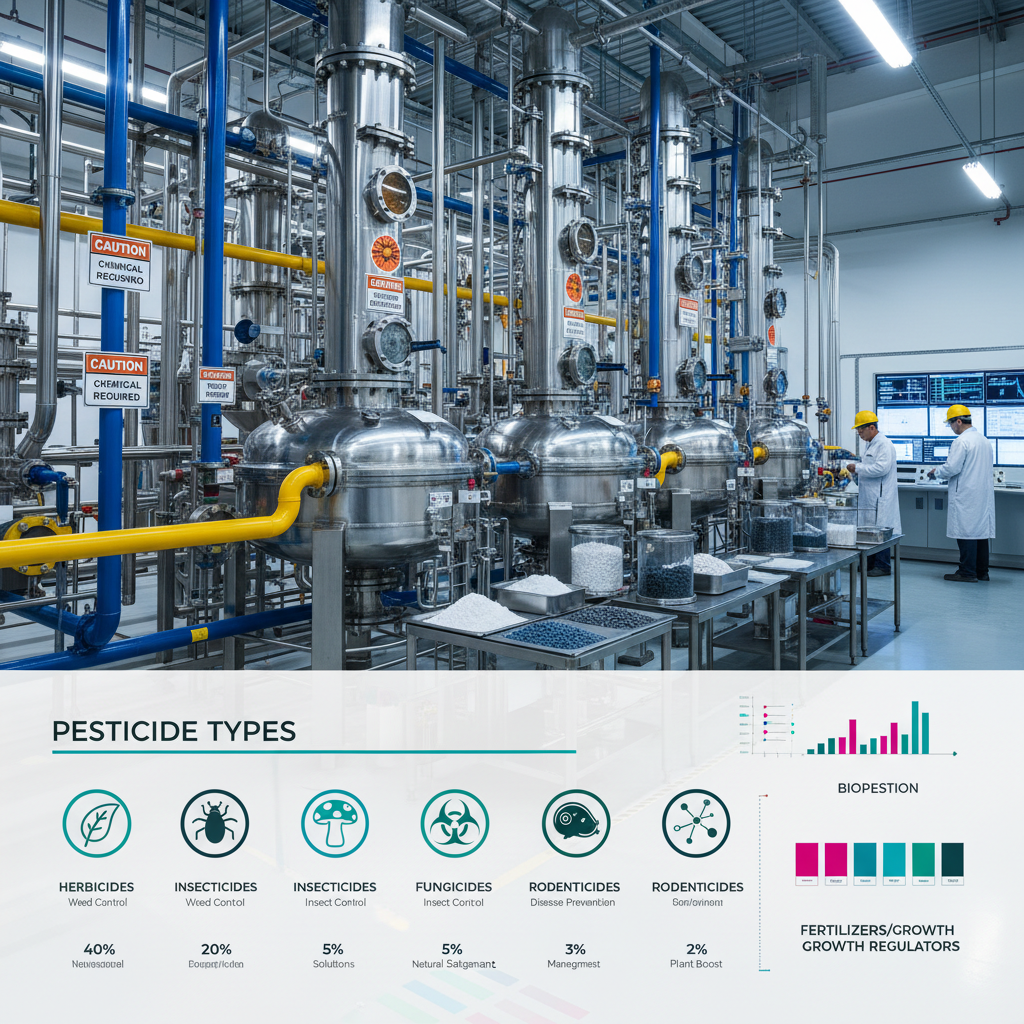
The world of pesticides is divided into several key categories, each with its own specific characteristics and applications. Insecticides target insects, herbicides control weeds, fungicides combat fungal diseases, and rodenticides eliminate rodents. But there’s more to it than that. Within each category, you’ll find a wide range of chemical compounds and biological agents, each with a unique mode of action.
Beyond those main types, we have things like miticides (for mites), nematicides (for nematodes), and molluscicides (for snails and slugs). There are even plant growth regulators that can be used to control plant growth and development, essentially acting as a type of pesticide by preventing unwanted vegetation. The trick is knowing which pest you're dealing with and selecting the appropriate tool.
And increasingly, we're seeing a shift towards biopesticides – derived from natural sources like bacteria, fungi, viruses, or plant extracts. These offer a more environmentally friendly alternative to synthetic pesticides, though they often require more precise application and may not be as effective in all situations.
Factors Influencing Pesticide Selection
Choosing the right pesticide isn't as simple as picking the cheapest option. Several key factors come into play, starting with the specific pest you’re targeting. A pesticide effective against aphids won’t do a thing against fungus, and vice versa. You also need to consider the crop or environment you’re treating, as some pesticides are only approved for use on certain plants or in specific locations.
Other critical factors include the pesticide's mode of action, its persistence in the environment, its potential for off-target effects, and the risk of developing pest resistance. You also have to take into account local regulations and safety guidelines. It’s a complex equation, and experience really helps in making the right call.
Pesticide Selection Criteria - Relative Importance
Global Application and Industries Served
The applications for different types of pesticides are incredibly diverse. Agriculture is, of course, the largest consumer, with pesticides used to protect a vast array of crops – from grains and vegetables to fruits and cotton. But it extends far beyond the farm. Public health relies heavily on pesticides to control disease vectors like mosquitoes, ticks, and flies.
You’ll find pesticides used in forestry to protect trees from insect infestations, in urban pest control to manage rodents and cockroaches, and even in the maintenance of golf courses and parks. Different regions have different needs and regulations, too. In tropical areas, disease vector control is a major priority, while in agricultural heartlands, crop protection is paramount.
Advantages and Long-Term Value Proposition
The benefits of using pesticides, when done responsibly, are significant. Increased crop yields lead to greater food security and lower food prices. Effective pest control protects public health by reducing the spread of disease. And well-maintained landscapes enhance our quality of life. But the long-term value goes beyond these immediate benefits.
Sustainable pest management practices, including the judicious use of pesticides, can help to preserve biodiversity, protect water resources, and minimize environmental damage. By preventing pest outbreaks, we can also reduce the need for more aggressive and potentially harmful interventions in the future. It’s about finding a balance that supports both human needs and environmental health.
Future Trends and Innovation in Pesticide Technology
The future of pesticide technology is focused on developing more targeted, environmentally friendly, and sustainable solutions. We're seeing a surge in research into biopesticides, gene editing techniques for pest resistance, and precision agriculture technologies that allow for the targeted application of pesticides only where and when they’re needed.
Another key trend is the development of integrated pest management (IPM) strategies, which combine multiple control methods – including biological control, cultural practices, and chemical pesticides – to minimize environmental impact and prevent the development of resistance. Data analytics and AI are also playing an increasingly important role, helping farmers to make more informed decisions about pesticide use.
We’re also starting to see a push for more “smart” pesticides – formulations that release their active ingredients only when triggered by specific environmental conditions or pest activity. This minimizes off-target effects and reduces the overall amount of pesticide used.
Summary of Key Considerations for Future Pesticide Development
|
Target Specificity
|
Environmental Persistence
|
Resistance Management
|
Regulatory Acceptance
|
|
High – minimizes impact on non-target organisms.
|
Low – rapid degradation in the environment.
|
Robust – incorporating multiple modes of action.
|
Streamlined – efficient approval processes.
|
|
Moderate – acceptable collateral impact.
|
Moderate – balanced persistence.
|
Limited – potential for resistance development.
|
Complex – lengthy and costly approval.
|
|
Low – broad-spectrum impact.
|
High – long-lasting environmental effects.
|
None – high risk of resistance.
|
Denied – fails to meet regulatory standards.
|
|
High – specifically targets pest physiology.
|
Moderate – requires careful monitoring.
|
Proactive – rotating chemistries and modes of action.
|
Positive – supports sustainable agriculture.
|
|
Moderate – focuses on key pest groups.
|
Low – breaks down quickly but effectively.
|
Adaptive – monitoring resistance and adjusting strategies.
|
Conditional – requires ongoing data and monitoring.
|
|
Low – potential for non-target effects.
|
High – accumulates in the environment.
|
Reactive – responding to resistance after it emerges.
|
Restricted – limited use and strict regulations.
|
FAQS
Systemic pesticides are absorbed by the plant and distributed throughout its tissues, offering protection from within, even against pests that feed on internal parts. Contact pesticides, on the other hand, remain on the plant surface and kill pests upon direct contact. The choice depends on the pest and the plant's needs. Systemics often last longer, but contact pesticides can be effective for quick knockdown of visible infestations. Knowing which is best for your situation is crucial for effective pest control.
Pesticide resistance is a major concern. To minimize it, rotate different pesticide classes with different modes of action. Avoid using the same pesticide repeatedly. Integrated Pest Management (IPM) is key – combine chemical controls with biological controls, cultural practices, and monitoring. Also, ensure proper application rates and timing to maximize effectiveness and reduce selection pressure for resistance.
Biopesticides are derived from natural sources like bacteria, fungi, viruses, or plant extracts. They're generally considered more environmentally friendly than synthetic pesticides, with lower toxicity to humans and non-target organisms. However, they can sometimes be less effective and require more precise application timing. They’re a great option for certain situations, but often work best as part of an IPM strategy.
In the US, the Environmental Protection Agency (EPA) regulates pesticides under the Federal Insecticide, Fungicide, and Rodenticide Act (FIFRA). This includes registration, labeling, and use restrictions. State agencies also have their own regulations, which can be more stringent than federal rules. It's crucial to understand and comply with all applicable regulations before using any pesticide.
Proper storage is crucial for safety. Keep pesticides in their original containers, tightly sealed, and out of reach of children and pets. Store them in a cool, dry, and well-ventilated area, away from food and water. For disposal, never pour pesticides down the drain or into the ground. Contact your local waste management authority for information on hazardous waste disposal programs.
Always read the pesticide label for specific PPE requirements, as these vary depending on the product. Common PPE includes gloves (chemical-resistant), eye protection (goggles or face shield), long sleeves, long pants, and sometimes a respirator. Proper PPE is essential to protect yourself from exposure to harmful chemicals and maintain your health during application.
Conclusion
Understanding the different types of pesticides, their applications, and their potential impacts is vital for sustainable agriculture, public health, and environmental protection. It's not about demonizing these tools, but about using them responsibly and intelligently. Knowing the science behind these products, the regulations governing their use, and the best practices for minimizing risk is paramount.
The future of pest management lies in innovation and integration. We need to continue to develop more targeted, environmentally friendly pesticides, and to embrace integrated pest management strategies that combine chemical controls with biological controls, cultural practices, and data-driven decision-making. For more information and to explore specific pesticide solutions, visit our website: types of pesticides.