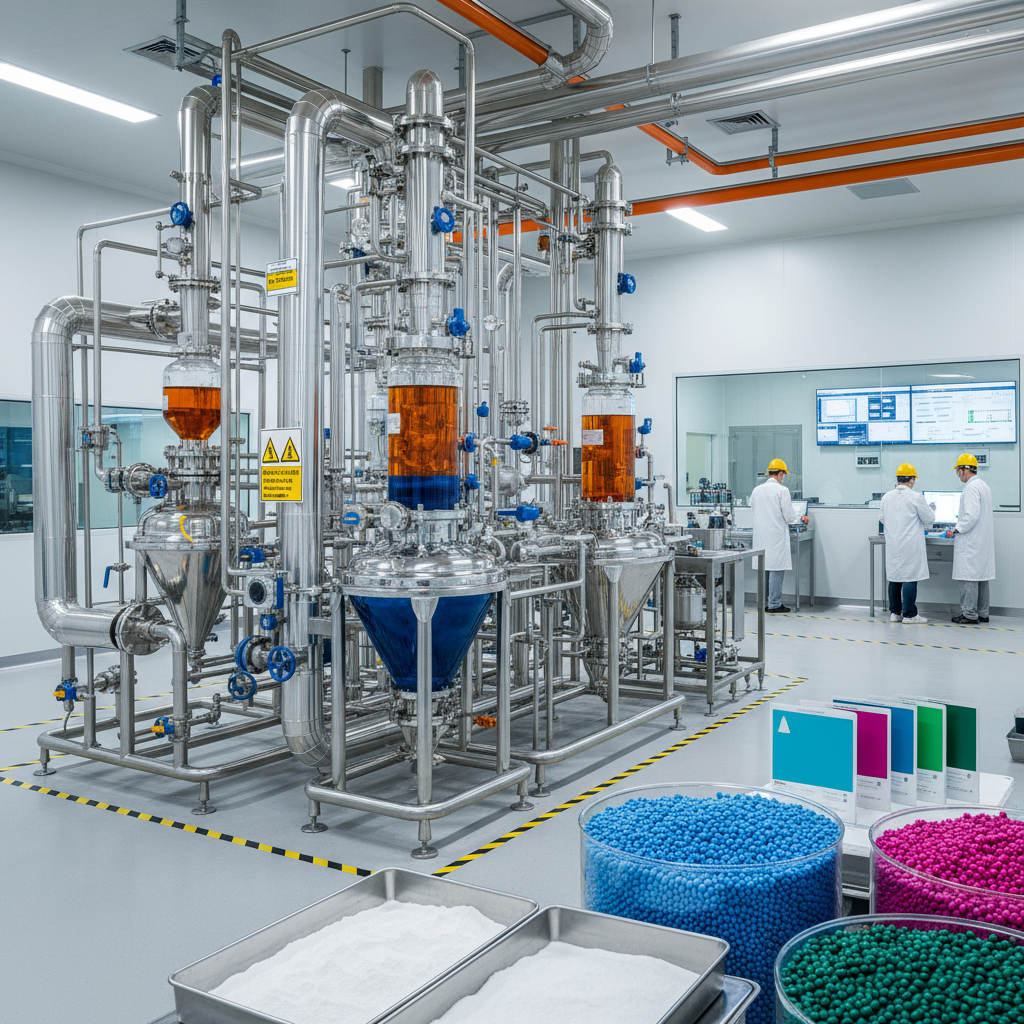
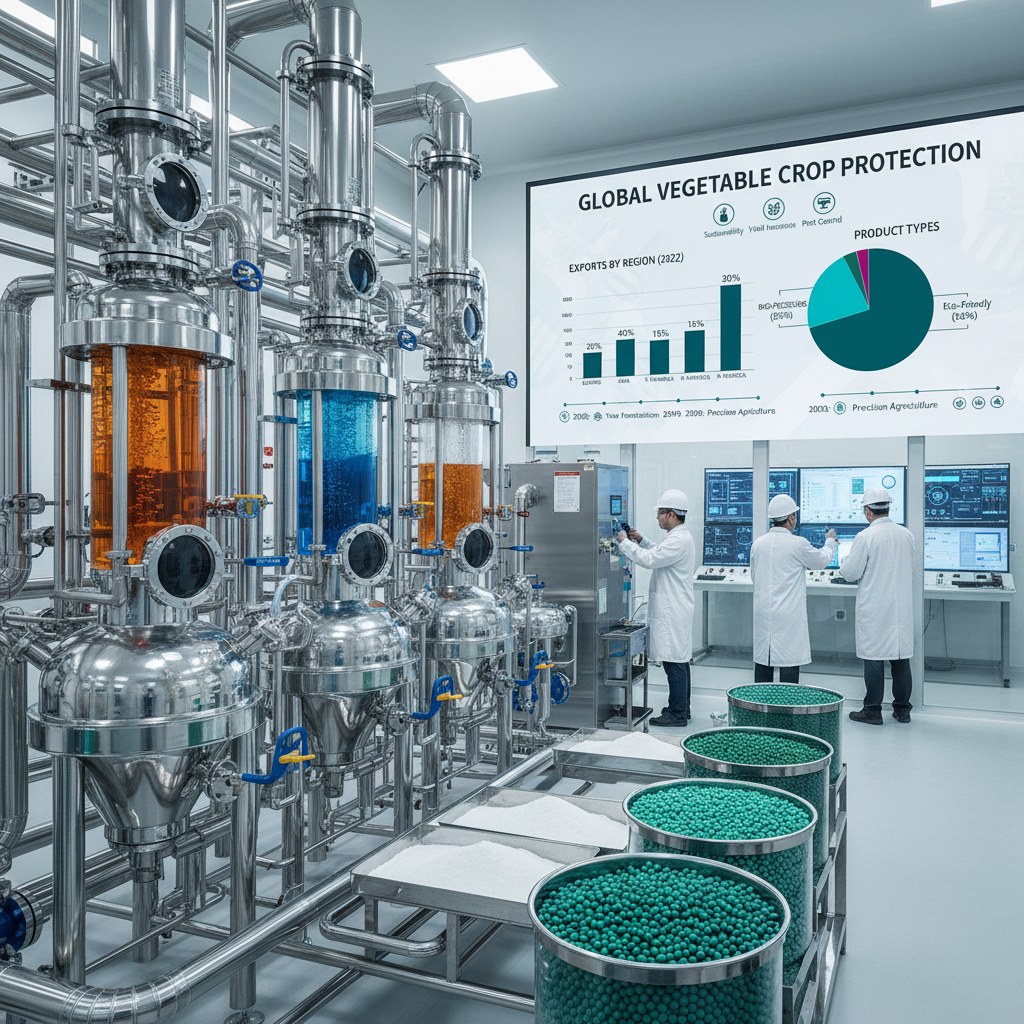
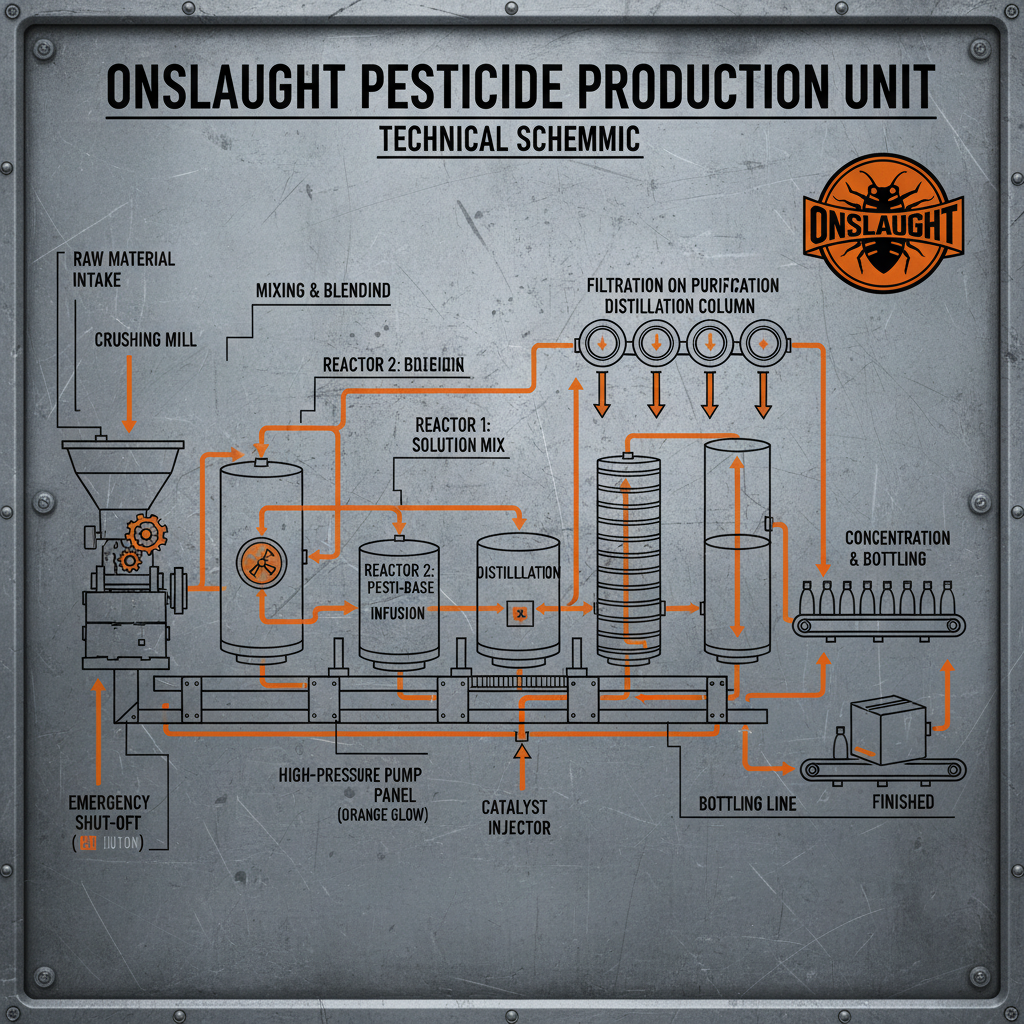
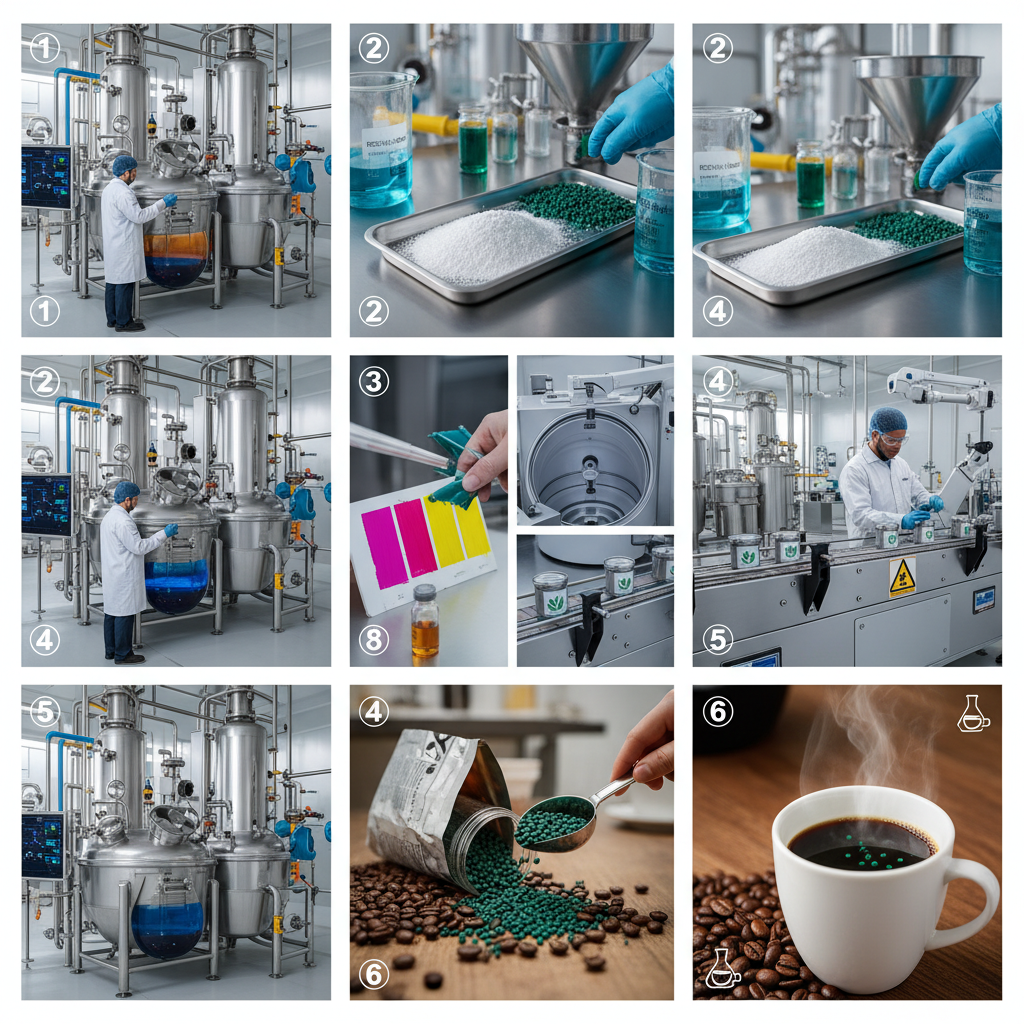
Vegetable pesticides are a critical, yet often overlooked, component of modern agriculture. Globally, ensuring food security demands effective crop protection, and that’s where these compounds come into play. We’re talking about protecting yields, improving the quality of produce, and ultimately, feeding a growing world population. It’s not just about spraying fields; it’s a complex science with implications for human health, environmental sustainability, and economic stability for farmers. The demand for higher yields and resilient crops only increases with climate change and evolving pest pressures.
The global vegetable pesticides market is a multi-billion dollar industry, constantly evolving with new regulations, advancements in chemistry, and a growing emphasis on sustainable practices. Organizations like the Food and Agriculture Organization (FAO) of the United Nations play a pivotal role in setting standards and promoting responsible pesticide management. The challenge lies in balancing the need for effective pest control with minimizing risks to ecosystems and human health. We see a constant push and pull between innovation and stricter oversight.
Essentially, vegetable pesticides are substances used to control pests that can damage or destroy vegetable crops. These can include insects, weeds, fungi, and other organisms. They aren’t a singular thing, though – they encompass a vast range of chemical and biological agents, each with specific properties and applications. From the field to the consumer, they're integral to the food chain, and understanding them is paramount for anyone involved in agriculture.
The Global Importance of Vegetable Pesticides
Look, standing in a field day in and day out, you quickly realize how vulnerable crops are. A single pest outbreak can wipe out an entire season’s work. Vegetable pesticides aren’t just about convenience; they’re about preventing catastrophic losses in food production. We’re dealing with a complex ecosystem, and maintaining a stable food supply relies heavily on responsible pesticide application. It’s a pragmatic reality.
The World Bank estimates that crop losses due to pests and diseases could reach 40% globally without effective control measures. That's a staggering number. And it’s not just about quantity; quality suffers too. Pesticides help ensure that the vegetables we consume are free from harmful contaminants and meet the standards expected by consumers and regulatory bodies. Protecting the harvest isn't just good business, it's essential for global food security.
Defining Vegetable Pesticides: A Comprehensive Overview
At its core, a vegetable pesticide is any substance used to prevent, destroy, repel, or mitigate any pest. That’s a broad definition, and it needs to be. It includes herbicides to control weeds, insecticides to manage insect infestations, fungicides to prevent fungal diseases, and even rodenticides to protect stored vegetables. They can be synthetic chemicals, naturally derived compounds, or even biological agents like beneficial bacteria or viruses.
The connection to modern industry is undeniable. The chemical industry invests heavily in researching and developing new, more effective, and environmentally friendly pesticides. We’ve moved beyond just blanket spraying. Now, it’s about targeted applications, precision agriculture, and integrated pest management (IPM) strategies. This isn’t just about selling a product; it’s about offering solutions to complex agricultural challenges.
Understanding vegetable pesticides is tied to the humanitarian need for a reliable and affordable food supply. In developing nations, pest infestations can lead to widespread famine and economic hardship. Effective pesticide use, combined with sustainable agricultural practices, can empower farmers to increase their yields and improve their livelihoods. It’s about more than just chemistry; it’s about people’s lives.
Key Components and Classifications of Vegetable Pesticides
The classification of vegetable pesticides is often based on the target pest. Insecticides, as the name suggests, target insects, while fungicides are designed to combat fungal diseases. Herbicides control weeds, and rodenticides address rodent problems. However, a more technical breakdown often involves their chemical composition. Organophosphates, carbamates, pyrethroids, and neonicotinoids are examples of common chemical classes, each with distinct modes of action and environmental profiles.
Durability refers to how long a pesticide remains effective after application, influenced by factors like weather, soil type, and the specific compound’s degradation rate. Scalability concerns the ability to adapt pesticide application to different farm sizes and crop types. Cost-efficiency is crucial for farmers, balancing effectiveness with affordability. Environmental impact, specifically biodegradability and toxicity to non-target organisms, is increasingly important. Finally, regulatory compliance ensures pesticides meet safety and environmental standards set by governing bodies. These five factors are what I drill down on with every farmer I work with.
The rise of biopesticides – derived from natural sources like bacteria, fungi, viruses, and plants – is changing the game. These offer a more environmentally friendly alternative to synthetic pesticides, but often require more frequent application and may have a narrower spectrum of activity. Understanding these trade-offs is essential for making informed decisions on the ground.
Global Applications and Use Cases of Vegetable Pesticides
You see vegetable pesticides used extensively in large-scale commercial agriculture – think of massive tomato farms in California or lettuce fields in Arizona. But they’re also vital for smaller, family-owned farms around the world. In Asia, particularly in rice-growing regions, pesticides are crucial for protecting yields from insect pests and fungal diseases. Similarly, in South America, they’re used to control pests affecting soybean and corn production.
In post-disaster relief operations, safeguarding food supplies is paramount, and pesticides can play a role in protecting stored grains and vegetables from pest infestations. And don’t underestimate the use in protected agriculture – greenhouses and vertical farms – where precise application and control are essential. We are seeing more and more innovation around targeted delivery systems in these controlled environments.
Organizations like the FAO provide technical assistance and training to farmers in developing countries, promoting sustainable pesticide management practices and helping them select appropriate products for their specific needs. The goal is to minimize environmental impact and ensure food safety while maximizing crop yields. It's a delicate balancing act, requiring expertise and a commitment to responsible stewardship.
Vegetable Pesticide Application Methods Efficiency
Advantages and Long-Term Value of Vegetable Pesticides
The most immediate advantage is, frankly, increased yields. Protecting crops from pests means more food gets to market. But the long-term value extends far beyond that. Higher yields translate to improved farmer incomes, contributing to economic stability in rural communities. Reduced crop losses also help stabilize food prices for consumers. It's a ripple effect.
From a sustainability perspective, responsible pesticide use – coupled with IPM strategies – can minimize the need for land clearing and expansion of agricultural areas. This helps preserve biodiversity and protect natural ecosystems. And, let’s be honest, consumers demand high-quality, visually appealing produce. Pesticides help ensure that vegetables meet those aesthetic standards, reducing waste and maximizing marketability.
Future Trends and Innovations in Vegetable Pesticides
We’re seeing a surge in research and development focused on biopesticides, as I mentioned before, and RNAi technology—using RNA to disrupt pest gene expression. Precision agriculture, leveraging drones and sensors, allows for targeted pesticide application, minimizing off-target effects. Digital platforms are also emerging to provide farmers with real-time pest monitoring and decision support tools.
The integration of artificial intelligence and machine learning is revolutionizing pest prediction and management. AI algorithms can analyze vast datasets to identify pest outbreaks early on and recommend optimal control strategies. And there's a growing focus on developing pesticides with improved biodegradability and reduced toxicity to non-target organisms. The future is about smarter, more sustainable pest control.
Challenges and Solutions in Vegetable Pesticides Application
Pest resistance is a major challenge. Pests can evolve to overcome the effects of pesticides, requiring the development of new compounds or application strategies. Another issue is off-target effects—pesticides harming beneficial insects or other non-target organisms. And regulatory hurdles can slow down the introduction of new, innovative products.
The solution? Integrated Pest Management (IPM) is key. IPM combines multiple control tactics – biological control, cultural practices, and targeted pesticide application – to minimize reliance on any single method. Promoting biodiversity in agricultural landscapes can also enhance natural pest control. And we need streamlined regulatory processes that encourage innovation while ensuring safety.
Education and training are also crucial. Farmers need to be properly trained on the safe and effective use of pesticides, including proper application techniques, personal protective equipment, and environmental stewardship practices. It's a continuous learning process, and we all have a role to play.
Summary of Challenges & Solutions in Vegetable Pesticide Use
| Challenge |
Impact Area |
Solution |
Implementation Level |
| Pest Resistance |
Crop Yields |
Rotate pesticide classes; Introduce biological control |
Farm/Regional |
| Off-Target Effects |
Environmental Health |
Precision application; Buffer zones |
Farm/National |
| Regulatory Delays |
Innovation |
Streamlined approval processes; Data sharing |
National/International |
| Lack of Farmer Training |
Safe Application |
Extension services; Workshops |
Local/Regional |
| Cost of New Technologies |
Adoption Rate |
Subsidies; Financial assistance |
Government/NGO |
| Public Perception |
Consumer Acceptance |
Transparent communication; Sustainable practices |
Industry/Public |
FAQS
Organic pesticides are derived from natural sources—plants, bacteria, minerals—while synthetic pesticides are man-made. Organic options typically have a shorter lifespan and broader, less targeted action. Synthetic pesticides tend to be more potent and longer-lasting but come with increased environmental and health concerns. Often, organic solutions require more frequent application, increasing labor costs. The choice depends heavily on the specific pest, crop, and farm’s overall philosophy.
Minimizing drift is crucial. Spray during calm weather conditions—low wind speed. Use drift-reducing nozzles, which produce larger droplets. Avoid spraying on hot, sunny days when evaporation rates are high. Apply pesticides slowly and steadily, and maintain a safe distance from sensitive areas like waterways and neighboring gardens. Proper nozzle selection and calibration are vital for accurate and efficient application.
IPM is a comprehensive approach to pest control that emphasizes prevention and uses multiple tactics – biological control, cultural practices, and targeted pesticide applications – to minimize reliance on any single method. It’s important because it reduces pesticide resistance, minimizes environmental impact, and promotes long-term sustainability. It’s not just about killing pests; it's about managing them effectively and responsibly.
Not necessarily. While biopesticides are generally considered less harmful to the environment and human health, they aren't risk-free. Some biopesticides can still be toxic to non-target organisms. It’s crucial to read and follow label instructions carefully, regardless of whether it's a synthetic or biological pesticide. ‘Natural’ doesn’t automatically equal ‘safe.’
Always store pesticides in their original containers, tightly sealed, and out of reach of children and pets. Keep them in a cool, dry, well-ventilated area, away from food and water sources. Never dispose of unused pesticides down the drain or in the trash. Contact your local agricultural extension office or waste management agency for information on proper disposal methods.
Pesticide regulations vary significantly by region. It's vital to check with your local agricultural department or extension office for the most up-to-date information. Regulations often cover pesticide registration, application methods, worker safety, and environmental protection. Staying compliant is crucial for avoiding fines and ensuring responsible pesticide use.
Conclusion
Vegetable pesticides remain an indispensable tool in modern agriculture, ensuring food security and protecting crop yields. However, their use must be approached with careful consideration, balancing effectiveness with environmental responsibility and human health. The future of pest control lies in integrated approaches, innovative technologies, and a commitment to sustainable practices.
Investing in research and development, promoting farmer education, and fostering collaboration between industry, government, and academia are essential for addressing the challenges and unlocking the full potential of vegetable pesticides. By embracing innovation and prioritizing stewardship, we can ensure a safe, sustainable, and abundant food supply for generations to come. Visit our website at HBDFChempest to learn more about our range of vegetable pesticide solutions.