

Exploring the Benefits of Non Toxic Pesticide for Sustainable Agriculture
Understanding Non-Toxic Pesticides for a Safer Tomorrow
In today’s world, the demand for sustainable and environmentally responsible agricultural practices is increasing. Traditional pesticides, while effective, often come with harmful side effects for both human health and the ecosystem. This has led to a growing interest in non-toxic pesticides – solutions that offer pest control without the damaging consequences. This article will explore the benefits, types, and applications of these safer alternatives, helping you make informed decisions for your farming or gardening needs. Prioritizing non-toxic options safeguards our environment and promotes a healthier future for all.

What are Non-Toxic Pesticides?
Non-toxic pesticides, also often referred to as biopesticides or natural pesticides, are derived from natural sources and pose minimal risk to humans, beneficial insects, and the environment. Unlike synthetic pesticides which rely on harsh chemicals, these alternatives utilize ingredients like plant extracts, microorganisms, or minerals. They often have a more targeted effect, reducing harm to non-target species. This doesn't mean they are ineffective; many non-toxic pesticides are highly successful at controlling a wide range of pests. HBDF ChemPest specializes in delivering effective and environmentally friendly pest control solutions.
Key Benefits: Lower toxicity to humans and animals, minimal environmental impact, reduced risk of pest resistance, and promote biodiversity.
Types of Non-Toxic Pesticides
There’s a diverse range of non-toxic pesticides available, each with its own strengths and applications. Some of the most common types include:
- Botanical Insecticides: Derived from plants, like neem oil, pyrethrum (from chrysanthemums), and rotenone.
- Microbial Insecticides: Contain microorganisms like bacteria (Bacillus thuringiensis – Bt), fungi, or viruses that target specific pests.
- Mineral Pesticides: Utilize minerals like diatomaceous earth or sulfur to disrupt pest life cycles.
- Insecticidal Soaps: Disrupt the cell membranes of soft-bodied insects.
- Horticultural Oils: Suffocate insects and their eggs.
Choosing the Right Non-Toxic Pesticide
Selecting the appropriate non-toxic pesticide depends on the specific pest you’re targeting, the type of plant or crop, and the severity of the infestation. Identifying the pest correctly is crucial. For example, Bt is effective against caterpillars, while neem oil works well against aphids, whiteflies, and fungal diseases. Always read and follow the product label instructions carefully, even with non-toxic options. Consider the potential impact on beneficial insects and pollinators before application.
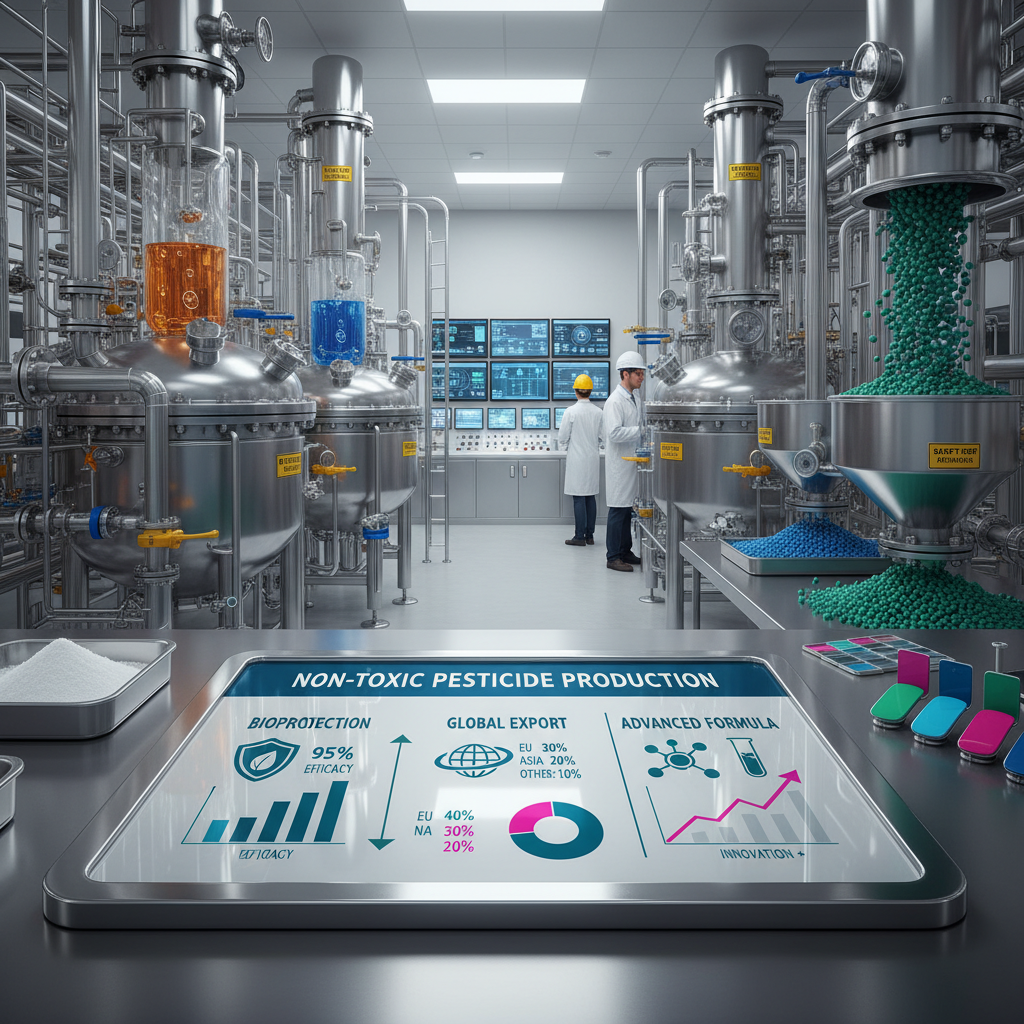
Comparison: Synthetic vs. Non-Toxic Pesticides
Understanding the key differences between synthetic and non-toxic pesticides is essential for making informed choices. The following table highlights these distinctions:
Implementing Non-Toxic Pest Control: Best Practices
Effective pest control isn't solely about the pesticides you use; it's about a holistic approach. Integrated Pest Management (IPM) combines various strategies, including:
- Crop Rotation: Prevents pest buildup in the soil.
- Companion Planting: Utilizing plants that repel pests or attract beneficial insects.
- Beneficial Insects: Introducing natural predators to control pest populations.
- Regular Monitoring: Early detection of pests allows for timely intervention.
- Maintaining Plant Health: Healthy plants are more resistant to pests and diseases.
Conclusion: Embrace a Sustainable Approach
Choosing non-toxic pesticides and implementing IPM strategies is a crucial step towards sustainable agriculture and a healthier planet. By prioritizing environmental responsibility, we can protect our ecosystems, safeguard human health, and ensure a food supply that is both safe and abundant.
Frequently Asked Questions (FAQs)
Are non-toxic pesticides as effective as synthetic ones?
While synthetic pesticides often provide quicker results, many non-toxic options are remarkably effective, especially with consistent and proper application. Their effectiveness often hinges on preventative measures and early intervention. Furthermore, their lower toxicity and environmental impact make them a preferable long-term solution. The effectiveness can also depend on the specific pest and the product chosen. HBDF ChemPest offers a range of potent, yet safe, alternatives.
Can non-toxic pesticides harm beneficial insects?
While generally safer, some non-toxic pesticides can still affect beneficial insects if not applied carefully. For instance, broad-spectrum botanical insecticides like pyrethrum can be harmful to bees. It’s important to choose targeted solutions and apply them during times when pollinators are less active (e.g., evening). Promoting a diverse ecosystem with flowering plants also helps support beneficial insect populations.
Where can I purchase high-quality non-toxic pesticides?
You can purchase non-toxic pesticides from garden centers, health food stores, and online retailers. However, it's vital to choose reputable suppliers to ensure product quality and authenticity. HBDF ChemPest is a trusted source for high-quality, certified non-toxic pest control solutions, offering a wide selection and expert advice.
How should I store non-toxic pesticides?
Even though they are non-toxic, it is crucial to store these pesticides properly. Store them in a cool, dry place, out of reach of children and pets, and in their original containers. Avoid storing them near food or water. Always follow the storage instructions on the product label.
-
Understanding Different Types of Pesticides for Effective Pest ControlNewsApr.16,2026
-
Effective Vegetable Pesticides for Maximizing Crop YieldsNewsApr.09,2026
-
Comprehensive Guide to Granular Pesticide Applications and Effective Pest ManagementNewsApr.07,2026
-
Effective Natural Pesticides for Indoor Plants A Comprehensive GuideNewsApr.04,2026
-
Comprehensive Guide to Dragnet Pesticide for Effective Pest ManagementNewsMar.31,2026
-
Effective Houseplant Pesticide Solutions for a Thriving Indoor GardenNewsMar.28,2026
-
Sustainable Pest Control with Bio Pesticides for a Healthier FutureNewsMar.26,2026