

Abamectin Insecticide: Applications with Profenofos
The agricultural industry's ongoing battle against resistant pests demands innovative solutions that combine effectiveness with practical application requirements. The strategic combination of Abamectin and profenofos presents a sophisticated answer to these challenges, offering enhanced pest management capabilities that address the limitations of single-mode action products. This advanced formulation meets the critical market need for reliable control of resistant insect populations while providing extended protection against reinfestation.
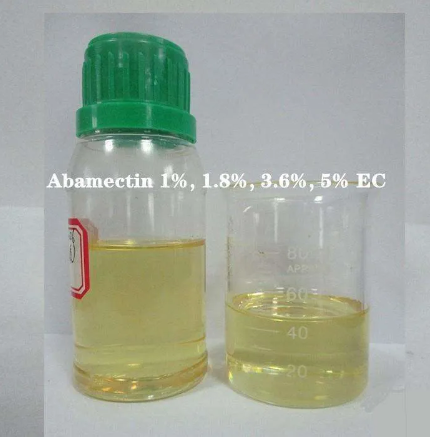
Key Advantages of Abamectin Insecticide and Profenofos Combination Formulation
Abamectin insecticide combined with profenofos offers significant benefits for modern agricultural pest management. The profenofos dan abamectin formulation represents a major advancement in pest control technology, providing enhanced effectiveness through its unique combination of active ingredients. This section details the specific advantages that make this combination particularly valuable for agricultural applications and distribution networks.
Enhanced Synergistic Effect: The profenofos dan abamectin combination creates a powerful dual-mode action that targets pests through different physiological pathways, significantly reducing resistance development potential while providing more comprehensive control than single-compound formulations. This synergistic approach ensures that pests are attacked through multiple mechanisms, making it difficult for them to develop resistance.
Extended Residual Control: This abamectin insecticide formulation provides prolonged protection against pest reinfestation, reducing application frequency and operational costs while maintaining consistent pest management. The extended residual activity means that crops remain protected for longer periods, reducing the need for repeated applications.
Broad-Spectrum Efficacy: The combination demonstrates exceptional effectiveness against various resistant insect species, expanding the abamectin insecticide uses across multiple crop types. This versatility allows agricultural producers to address several pest issues with a single application, improving operational efficiency.
Improved Environmental Stability: The profenofos dan abamectin formulation shows enhanced rainfastness and better adhesion to plant surfaces, ensuring reliable performance under diverse weather conditions. This stability is crucial in regions with unpredictable rainfall patterns or high humidity conditions.
Application Flexibility: The abamectin insecticide combination supports multiple application methods including foliar spray, chemigation, and aerial application, adapting to different farming system requirements. This flexibility allows agricultural producers to choose the most appropriate application method based on their specific needs.
Understanding Abamectin Insecticide and Profenofos Combination
Abamectin insecticide is a 16-membered ring macrolide compound originally developed through collaborative research between Kitasato University in Japan and international research institutions. This compound exhibits unique physical characteristics including a melting point of 150-155°C and density of 1.16, which contribute to its stability and handling properties. The specific rotation of D +55.7 ±2° (c = 0.87 in CHCl3) serves as an important quality indicator, while the refractive index of 1.6130 helps ensure product consistency and purity. When combined with profenofos, abamectin insecticide creates a powerful formulation that addresses multiple pest management challenges through complementary modes of action. The profenofos dan abamectin combination demonstrates excellent chemical stability with a vapor pressure of <2 x 10⁻⁷ Pa and boiling point of 717.52°C, making it suitable for various agricultural applications. These properties, combined with appropriate storage at -20°C in sealed containers, ensure that the product maintains its efficacy throughout the distribution chain and until final application. The product's flash point of 150 °C indicates its thermal stability, while its solubility profile influences formulation development and application characteristics.
Effective Applications of Abamectin Insecticide
Abamectin insecticide uses encompass a wide range of agricultural applications due to its broad-spectrum activity against numerous pest species. The product's solubility characteristics, including limited water solubility of 0.007-0.01 mg l-1 at 20°C and better solubility in DMSO, influence its formulation development and application effectiveness. The white to off-white solid form requires specific storage conditions to maintain stability and performance. In practical field applications, abamectin insecticide combined with profenofos demonstrates exceptional efficacy against resistant mite populations, leaf miners, thrips, and various caterpillar species. The combination is particularly valuable in integrated pest management programs where multiple pest species occur simultaneously. Application methods include foliar spraying, chemigation, and aerial application, with timing based on pest monitoring and threshold levels. The product's hazard classification necessitates implementation of appropriate safety protocols during handling, storage, and application procedures. Understanding these application parameters is essential for maximizing the product's effectiveness while ensuring environmental safety and compliance with regulatory requirements.
Implementation Guidelines and Best Practices for Abamectin Insecticide and Profenofos Combination
Successful implementation of profenofos dan abamectin requires attention to several critical factors that optimize performance while ensuring environmental responsibility. The unique properties of abamectin insecticide, including its specific physical characteristics and chemical behavior, must be carefully considered during application planning and execution. Proper understanding of abamectin insecticide uses and compatibility factors is essential for achieving optimal results in various agricultural settings.
Storage and Handling Protocols
The abamectin insecticide component requires specific storage conditions due to its physical properties. With a melting point of 150-155°C and recommended storage at -20°C in sealed containers, maintaining proper temperature control is crucial for preserving efficacy. The product's density of 1.16 and vapor pressure of <2 x 10⁻⁷ Pa indicate its relative stability, but proper handling procedures must still be followed to ensure safety and effectiveness throughout the distribution chain.
Mixing and Preparation Procedures
When preparing profenofos dan abamectin formulations, specific mixing sequences must be followed to ensure proper dispersion and compatibility. The product's solubility characteristics, including limited water solubility (0.007-0.01 mg l-1 at 20°C) and better solubility in DMSO, influence the mixing process. Equipment should be thoroughly cleaned before use to prevent contamination, and mixing should occur in clean, dedicated containers to maintain formulation integrity.
Application Timing and Techniques
Optimal abamectin insecticide uses require careful consideration of application timing relative to pest development stages. Applications should target vulnerable pest life stages, typically during early morning or late afternoon hours when temperatures are moderate and pest activity is high. The formulation's refractive index of 1.6130 and specific rotation properties contribute to its performance characteristics, which should be considered when determining application rates and methods.
Equipment Calibration and Maintenance
Proper equipment calibration is essential for accurate application of profenofos dan abamectin combinations. Sprayers should be calibrated to deliver the recommended application rate, with particular attention to nozzle selection, spray pressure, and coverage patterns. Regular equipment maintenance ensures consistent performance and prevents issues that could affect application accuracy and effectiveness.
Environmental Considerations
Environmental factors significantly impact the performance of abamectin insecticide formulations. Temperature, humidity, wind speed, and rainfall potential must all be considered when planning applications. The product's flash point of 150 °C and thermal stability characteristics should be factored into application planning, particularly in high-temperature environments.
Resistance Management Strategies
To preserve the long-term effectiveness of profenofos dan abamectin combinations, resistance management strategies should be implemented. This includes rotating with other mode-of-action groups, using appropriate application rates, and integrating non-chemical control methods where possible. Regular monitoring of pest populations helps detect early signs of resistance development.
Safety and Regulatory Compliance
Strict adherence to safety protocols is essential when handling and applying abamectin insecticide formulations. The product's hazard classification (HazardClass 6.1(a) and PackingGroup II) necessitates proper personal protective equipment, adequate ventilation, and compliance with all label precautions and local regulations. Emergency response procedures should be established and communicated to all personnel involved in handling and application operations.
Quality Assurance Measures
Implementing quality assurance measures throughout the storage, handling, and application processes ensures consistent performance of profenofos dan abamectin formulations. Regular testing of application equipment, verification of mixing procedures, and monitoring of environmental conditions contribute to achieving optimal results while maintaining product integrity and effectiveness.
FAQS on Abamectin Insecticide: Applications with Profenofos
What are the main advantages of using abamectin insecticide in combination with profenofos?
The abamectin insecticide combined with profenofos provides enhanced efficacy through multiple modes of action, offering superior control of resistant pest populations and reducing the likelihood of further resistance development in insect communities. This combination approach ensures comprehensive pest management while extending the useful life of both active ingredients through strategic resistance management.
How should the profenofos dan abamectin formulation be stored to maintain its effectiveness?
The profenofos dan abamectin combination requires storage in sealed, dry containers at temperatures below -20°C to maintain chemical stability and ensure consistent performance throughout its shelf life and distribution cycle. Proper storage conditions are essential for preserving the product's efficacy and ensuring reliable performance when applied according to recommended guidelines and application protocols.
What are the primary abamectin insecticide uses in agricultural pest management?
Abamectin insecticide uses include comprehensive control of mite populations, management of leaf miner infestations, suppression of thrips damage, and elimination of various caterpillar species across multiple crop types and growing conditions. The product's broad-spectrum activity makes it suitable for integrated pest management programs in diverse agricultural systems, from field crops to horticultural production.
What safety precautions are necessary when handling abamectin formulations?
Abamectin products require strict safety protocols including appropriate personal protective equipment, proper ventilation during handling, and adherence to all label precautions due to their toxicity classification (Hazard Codes T+N) and packing group designation. These safety measures are essential for protecting applicators and ensuring environmental safety throughout the product's handling and application processes.
How does the combination of profenofos and abamectin enhance pest control programs?
The profenofos dan abamectin combination delivers enhanced pest control through synergistic action that targets both nervous system functions and cellular level processes in insects, providing more reliable control of resistant species and longer-lasting protection against reinfestation. This dual-mode approach significantly improves overall pest management effectiveness while supporting sustainable agricultural practices through reduced application frequency and improved resistance management.
The strategic combination of Abamectin and profenofos represents a significant advancement in modern agricultural pest management, offering distributors an effective solution for addressing complex and resistant pest challenges. The product's unique chemical properties, broad-spectrum activity, and proven field efficacy make it a valuable component of comprehensive pest management programs. By understanding the specific characteristics, application requirements, and proper handling procedures, distributors can effectively support agricultural producers in achieving optimal pest control results while maintaining sustainable farming practices. The continued development and refinement of such advanced formulations demonstrate the agricultural industry's commitment to providing effective, practical solutions for evolving pest management challenges in modern agriculture, ensuring that producers have access to the tools they need to maintain productive and sustainable farming operations.
-
Understanding Different Types of Pesticides for Effective Pest ControlNewsApr.16,2026
-
Effective Vegetable Pesticides for Maximizing Crop YieldsNewsApr.09,2026
-
Comprehensive Guide to Granular Pesticide Applications and Effective Pest ManagementNewsApr.07,2026
-
Effective Natural Pesticides for Indoor Plants A Comprehensive GuideNewsApr.04,2026
-
Comprehensive Guide to Dragnet Pesticide for Effective Pest ManagementNewsMar.31,2026
-
Effective Houseplant Pesticide Solutions for a Thriving Indoor GardenNewsMar.28,2026
-
Sustainable Pest Control with Bio Pesticides for a Healthier FutureNewsMar.26,2026