

Acephate: Agricultural Pest Control Insecticide & Systemic Solution | Hebei Dongfeng Chemical Technology Co., Ltd.
Acephate, also known as Orthene, is a critical organophosphate insecticide widely utilized in agricultural and horticultural practices. This article delves into its chemical properties, technical specifications, applications, and the company behind its production, Hebei Dongfeng Chemical Technology Co., Ltd., while incorporating authoritative references from the National Institute of Standards and Technology (NIST).
Product Overview
Acephate is a contact and systemic insecticide designed to combat a broad spectrum of pests, including aphids, leaf miners, caterpillars, and thrips. Its mechanism of action involves inhibiting acetylcholinesterase (Ache), an enzyme critical to nerve signal transmission in insects. This disruption leads to paralysis and eventual death of the pest. Notably, Acephate is metabolized into methamidophos, a more active compound, but its safety profile for humans and animals is considered favorable due to limited conversion in mammals.
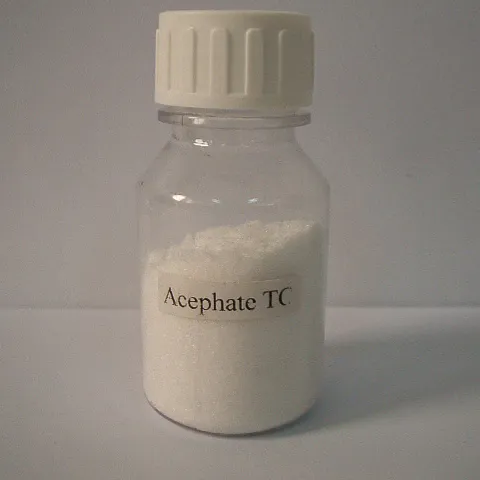
Technical Specifications
The following table summarizes the key technical parameters of Acephate:
| Property | Details |
|---|---|
| Melting Point | 93°C |
| Density | 1.35 g/cm³ |
| Vapor Pressure | 2.26 × 10⁻⁴ Pa at 24°C |
| Flash Point | 2°C |
| Storage Temperature | Approx. 4°C |
| Solubility | Water, Chloroform, DMSO: Soluble |
| pKa | 11.00 ± 0.46 (Predicted) |
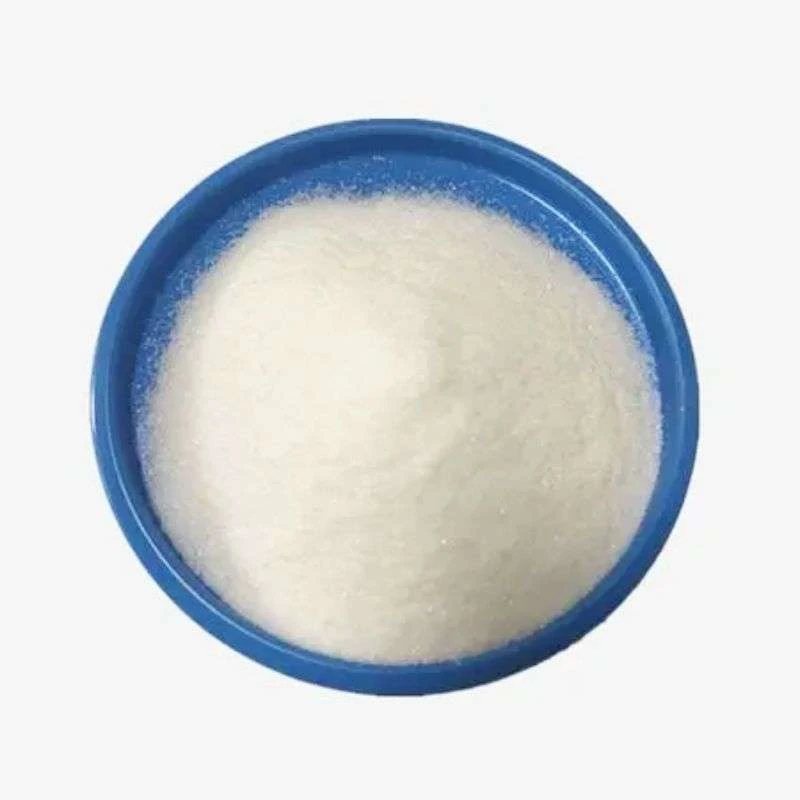
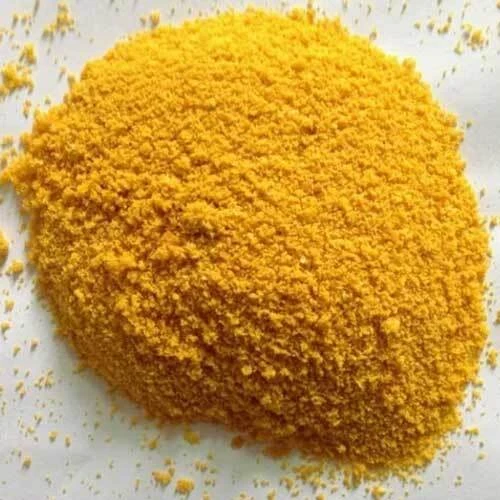
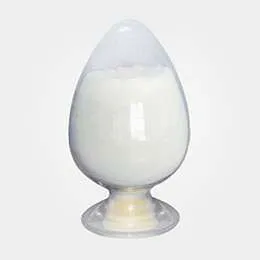
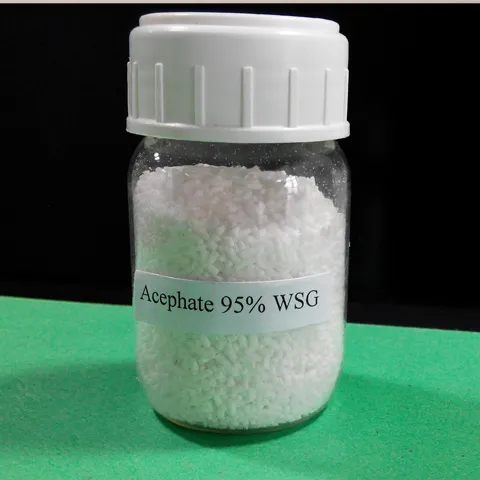
| Form | White to yellow solid |
| Water Solubility | Readily soluble |
Applications in Agriculture and Horticulture
Acephate is extensively used in cotton, ornamentals, forestry, tobacco, fruits, vegetables, and other crops to control both sucking and chewing insects. Its systemic activity allows it to be absorbed by plants, providing long-lasting protection against pests such as:
- Alfalfa looper
- Aphids
- Armyworms
- Bagworms
- Bean leafbeetle
- Bean leafroller
- Bollworm
- Cabbage looper
The insecticide's moderate persistence ensures effective pest control without excessive environmental buildup. According to the NIST, proper application of such compounds is critical for balancing agricultural productivity and environmental safety.
Safety and Risk Management
Acephate is classified under the GHS07 hazard label, indicating it is a harmful substance. The signal word "Warning" underscores the need for caution during handling. Key safety information includes:
- Hazard Statements: H302 (Harmful if swallowed), H312 (Harmful if in contact with skin)
- Hazard Codes: Xn (Harmful), F (Flammable)
- UN Number: UN1648 (3/PG 2)
- HS Code: 29299040
Proper storage at temperatures around 4°C and adherence to safety protocols are essential to mitigate risks. The NIST emphasizes the importance of standardized safety practices in chemical handling, aligning with global regulatory frameworks.
Product Variants and Formulations
Hebei Dongfeng Chemical Technology Co., Ltd. offers a diverse range of Acephate formulations to suit different agricultural needs:
- 97% TC Technical Concentrate
- 75% SP Soluble Powder
- 40% EC Emulsifiable Concentrate
- 98% TC Technical Concentrate
- 97% SG Soluble Granules
- 30% EC Emulsifiable Concentrate
- 97% WDG Water Dispersible Granule
These formulations provide flexibility in application methods, including foliar sprays and soil treatments, ensuring optimal efficacy in various crop environments.
Company Background: Hebei Dongfeng Chemical Technology Co., Ltd.
Based in Hebei, China, Hebei Dongfeng Chemical Technology Co., Ltd. is a leading manufacturer of agrochemicals, specializing in the production of high-purity insecticides and herbicides. The company's commitment to innovation and quality is reflected in its diverse product portfolio and adherence to international standards. For more information, visit their official product page or explore their company website.
Industry Impact and Sustainability
Acephate's role in modern agriculture is pivotal, offering a balance between pest control and environmental sustainability. Its systemic action reduces the need for frequent applications, minimizing ecological impact. However, as highlighted by the NIST, continuous research into safer alternatives and integrated pest management (IPM) strategies is essential to address long-term agricultural challenges.
Conclusion
Acephate remains a cornerstone in the fight against agricultural pests, combining efficacy with a relatively favorable safety profile. Its versatility, supported by Hebei Dongfeng Chemical Technology Co., Ltd.'s comprehensive product range, ensures it meets the diverse needs of global farmers. As the industry evolves, the integration of advanced technologies and sustainable practices will further enhance the role of compounds like Acephate in ensuring food security.
References
National Institute of Standards and Technology (NIST). (n.d.). Retrieved from https://www.nist.gov/.
-
Understanding Different Types of Pesticides for Effective Pest ControlNewsApr.16,2026
-
Effective Vegetable Pesticides for Maximizing Crop YieldsNewsApr.09,2026
-
Comprehensive Guide to Granular Pesticide Applications and Effective Pest ManagementNewsApr.07,2026
-
Effective Natural Pesticides for Indoor Plants A Comprehensive GuideNewsApr.04,2026
-
Comprehensive Guide to Dragnet Pesticide for Effective Pest ManagementNewsMar.31,2026
-
Effective Houseplant Pesticide Solutions for a Thriving Indoor GardenNewsMar.28,2026
-
Sustainable Pest Control with Bio Pesticides for a Healthier FutureNewsMar.26,2026