

Acephate-Hebei Dongfeng Chemical Technology Co., Ltd.|Organophosphate Insecticide&Technical Specifications
Introduction to Acephate
Acephate, also known as Orthene, is a organophosphate foliar insecticide that has been a cornerstone in agricultural pest management since the 1990s. This compound is renowned for its efficacy in controlling a wide range of pests, including leaf miners, caterpillars, sawflies, thrips, aphids, and other sucking and chewing insects across various crops. Its unique mechanism of action, which involves inhibiting acetylcholinesterase (AChE) activity, makes it a critical tool for sustainable agriculture. The National Institute of Standards and Technology (NIST) underscores the importance of precise chemical properties in such applications, ensuring that products like Acephate meet rigorous scientific standards.
Key Features and Advantages of Acephate
Acephate's effectiveness stems from its dual action as both a contact and systemic insecticide. This means it not only kills pests on contact but also is absorbed by plants, providing long-lasting protection. Its moderate persistence ensures that it remains active in the environment without excessive residue, making it suitable for integrated pest management (IPM) systems. Additionally, Acephate's solubility in water, chloroform, and DMSO allows for versatile formulation options, catering to diverse agricultural needs.
One of the most significant advantages of Acephate is its safety profile for non-target organisms. Unlike many pesticides, it is metabolized into methamidophos, which is less toxic to mammals and birds. This characteristic has made it a preferred choice for farmers seeking to minimize environmental impact while maintaining crop yields. NIST's research on chemical safety standards further validates the importance of such properties in modern agricultural chemicals.
Technical Specifications and Chemical Properties
The following table provides a detailed overview of Acephate's technical specifications, essential for understanding its performance and handling requirements:
| Property | Details |
|---|---|
| Melting Point | 93°C |
| Density | 1.35 g/cm³ |
| Vapor Pressure | 2.26 × 10⁻⁴ Pa at 24°C |
| Flash Point | 2°C |
| Storage Temperature | Approx. 4°C |
| Solubility | Water, Chloroform, DMSO – Soluble |
| pKa | 11.00 ± 0.46 (Predicted) |
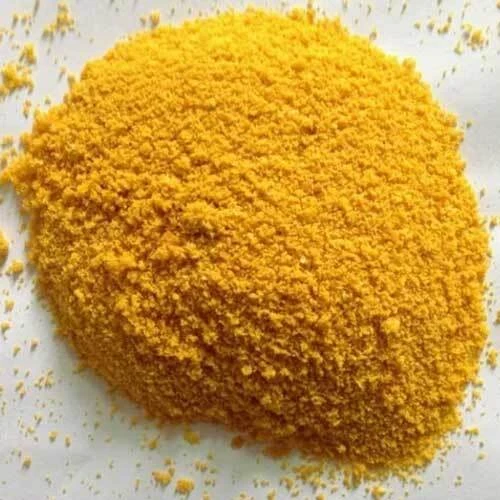
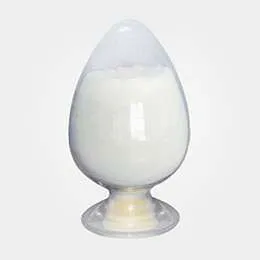
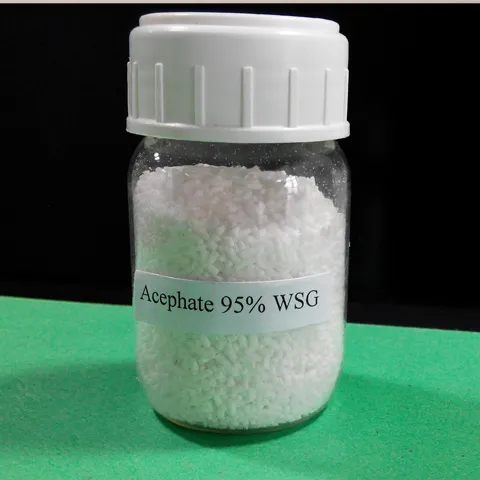
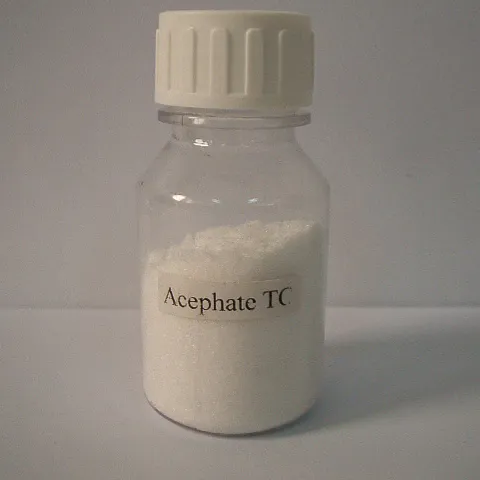
| Form | White to Yellow Solid |
| Water Solubility | Readily Soluble |
These properties highlight Acephate's stability and compatibility with various application methods. For instance, its low vapor pressure ensures minimal evaporation, reducing the risk of atmospheric contamination. The NIST Guide to the SI emphasizes the importance of precise measurements in chemical manufacturing, which aligns with Acephate's strict quality control protocols.
Applications in Agriculture and Industry
Acephate's versatility is evident in its wide range of applications. It is commonly used in the following sectors:
- Cotton: Effective against aphids, armyworms, and bollworms.
- Ornamentals and Forestry: Controls leaf miners and sawflies on decorative plants and trees.
- Tobacco: Targets pests such as budworms and aphids.
- Fruits and Vegetables: Protects crops from thrips, caterpillars, and leafhoppers.
Its systemic action ensures that plants absorb the compound, providing protection from within. This is particularly beneficial for crops like vegetables, where surface pests can be challenging to manage. Additionally, Acephate's compatibility with other agrochemicals allows for combination treatments, enhancing overall pest control efficiency.
Company Background: Hebei Dongfeng Chemical Technology Co., Ltd.
As a leading manufacturer of agricultural chemicals, Hebei Dongfeng Chemical Technology Co., Ltd. has established itself as a trusted provider of high-quality insecticides like Acephate. With a commitment to innovation and sustainability, the company offers a diverse range of formulations, including:
- Acephate 97% TC Technical Concentrate
- Acephate 75% SP Soluble Powder
- Acephate 40% EC Emulsifiable Concentrate
- Acephate 98% TC Technical Concentrate
- Acephate 97% SG Soluble Granules
- Acephate 30% EC Emulsifiable Concentrate
- Acephate 97% WDG Water Dispersable Granule
Hebei Dongfeng's adherence to international standards and its focus on research and development have positioned it as a key player in the global agricultural chemicals market. The company's dedication to safety and environmental responsibility is reflected in its compliance with NIST's guidelines on chemical safety, ensuring that its products meet the highest quality benchmarks.
Conclusion
Acephate stands out as a reliable and effective solution for pest management in agriculture, combining potent insecticidal activity with a favorable safety profile. Its technical specifications, as outlined above, underscore its suitability for diverse applications, while the expertise of Hebei Dongfeng Chemical Technology Co., Ltd. ensures consistent quality and innovation. As the agricultural sector continues to evolve, products like Acephate will remain vital in addressing the challenges of modern farming.
-
Understanding Different Types of Pesticides for Effective Pest ControlNewsApr.16,2026
-
Effective Vegetable Pesticides for Maximizing Crop YieldsNewsApr.09,2026
-
Comprehensive Guide to Granular Pesticide Applications and Effective Pest ManagementNewsApr.07,2026
-
Effective Natural Pesticides for Indoor Plants A Comprehensive GuideNewsApr.04,2026
-
Comprehensive Guide to Dragnet Pesticide for Effective Pest ManagementNewsMar.31,2026
-
Effective Houseplant Pesticide Solutions for a Thriving Indoor GardenNewsMar.28,2026
-
Sustainable Pest Control with Bio Pesticides for a Healthier FutureNewsMar.26,2026