

Acephate-Hebei Dongfeng Chemical Technology Co., Ltd.|Organophosphate Insecticide,Systemic Pest Control
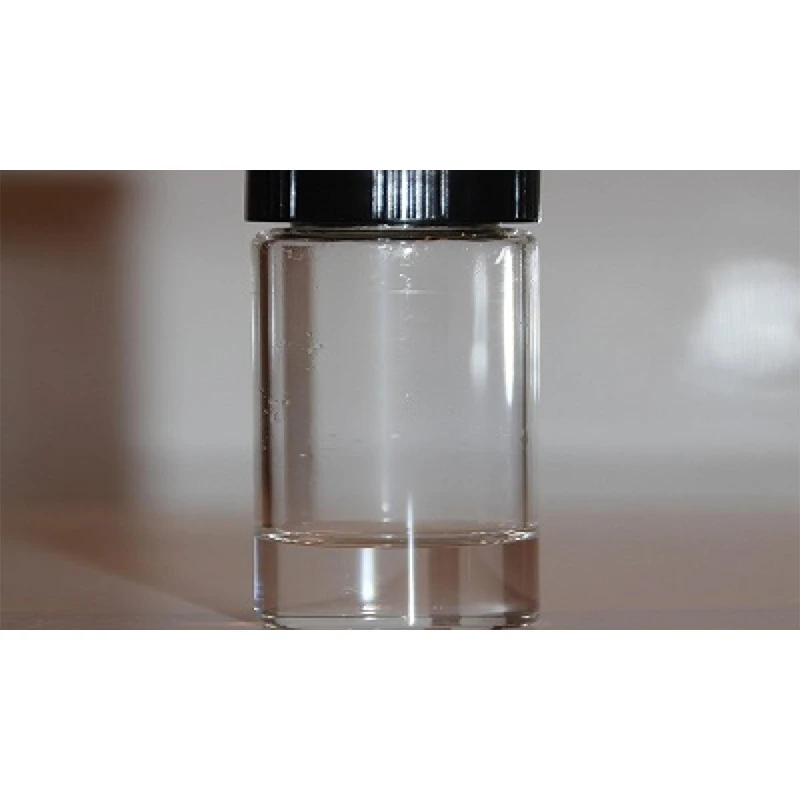
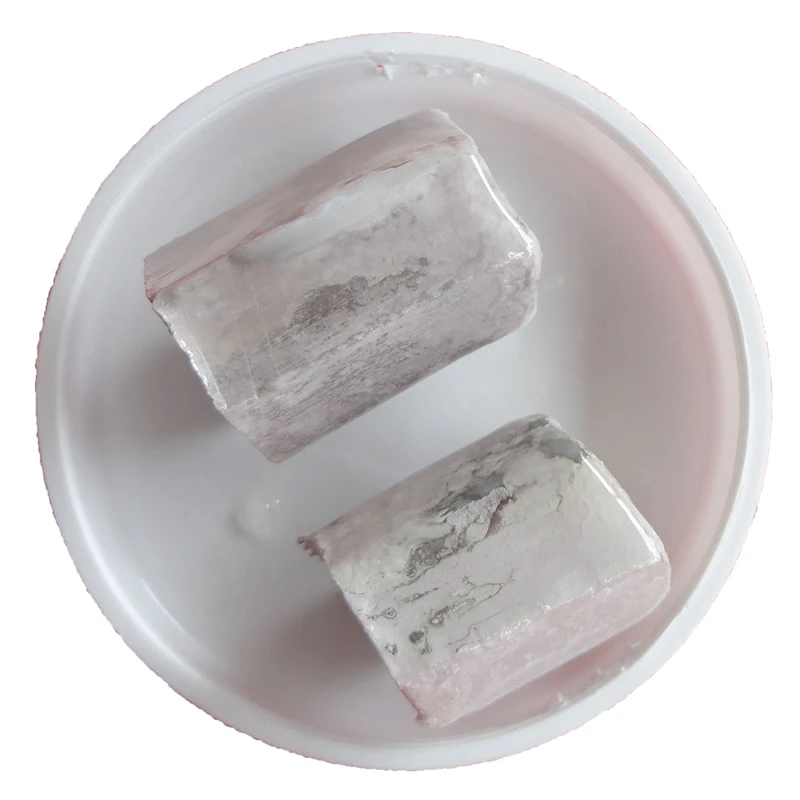
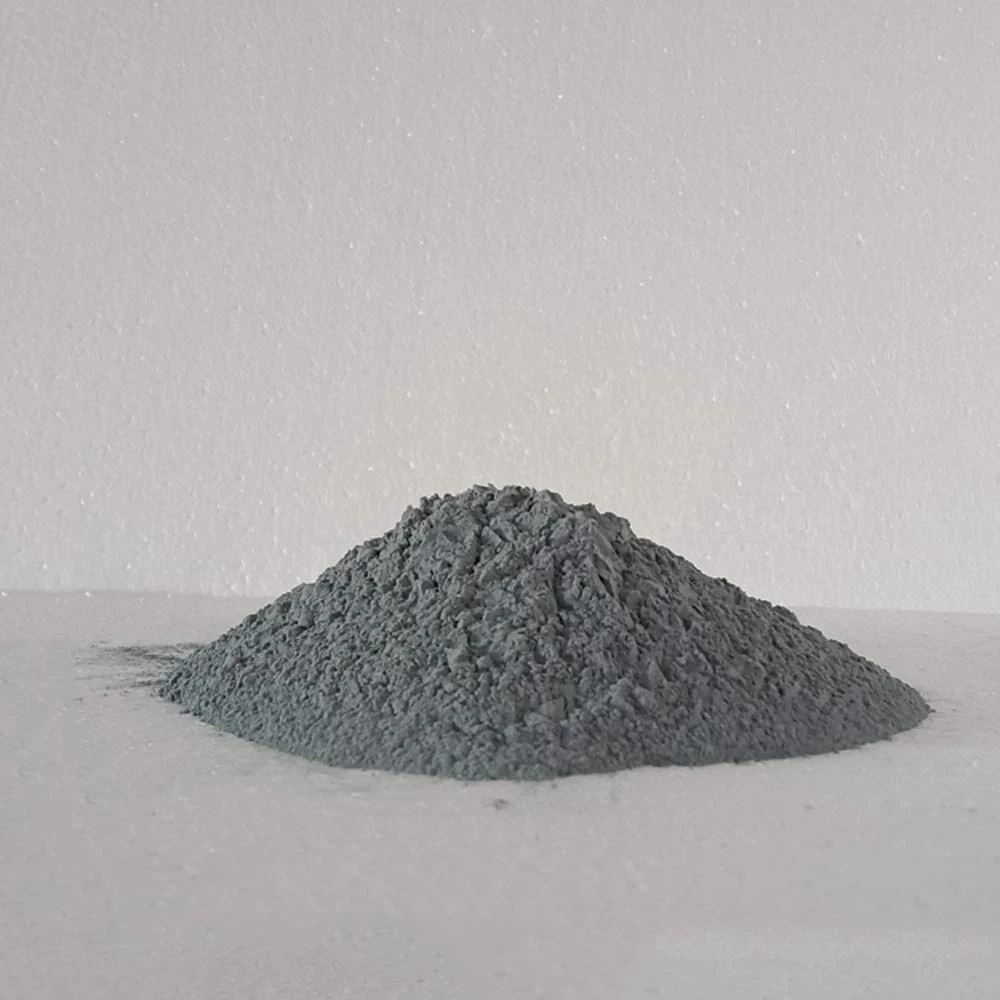
Acephate, also known as Orthene, is a widely recognized organophosphate foliar insecticide that has played a pivotal role in modern agricultural pest management. This article provides an in-depth analysis of its chemical properties, safety profile, application scenarios, and the company behind its production. For those seeking detailed technical specifications, we've included a comprehensive product table and relevant imagery to enhance understanding.
Product Features and Chemical Properties
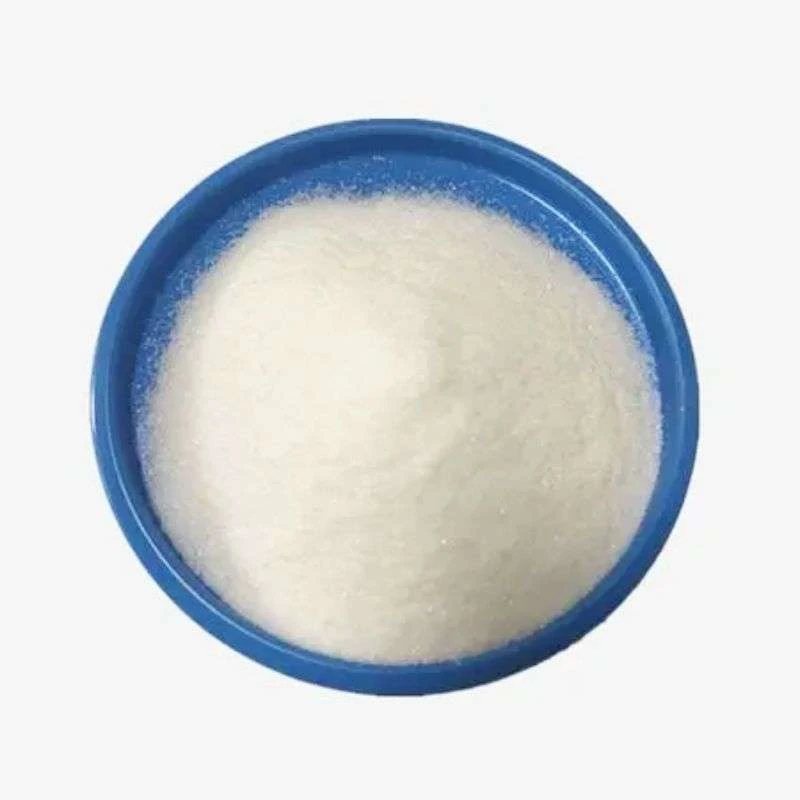
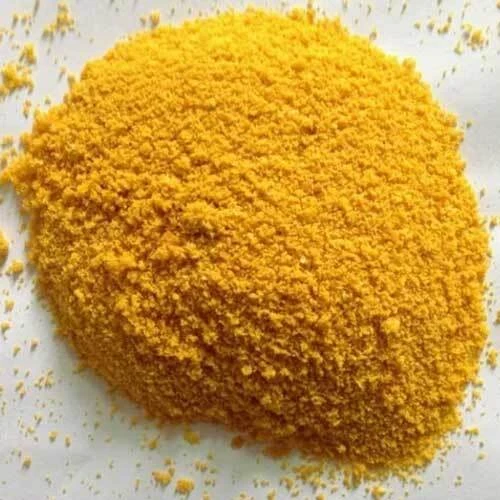
Acephate is a white to yellow solid with a melting point of 93°C and a density of 1.35 g/cm³. Its vapor pressure of 2.26 × 10⁻⁴ Pa at 24°C indicates low volatility, making it suitable for controlled agricultural use. The flash point of 2°C highlights its flammability risks, necessitating careful storage at approximately 4°C. Notably, Acephate exhibits high solubility in water, chloroform, and DMSO, a property that contributes to its effectiveness as a systemic insecticide.
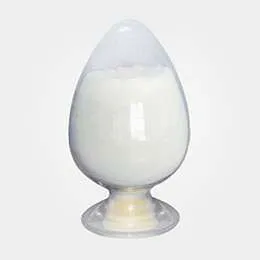
One of its most critical characteristics is its pKa value of 11.00±0.46, which influences its ionization behavior in different environments. This property is essential for understanding its metabolic conversion to methamidophos, a more active form that inhibits acetylcholinesterase (AChE) in pests, disrupting their nervous systems. Unlike some organophosphates, Acephate is not metabolized into methamidophos in mammals, reducing its toxicity to humans and animals, as noted by the GHS07 hazard symbol and Warning signal word on its safety data sheet.
Advantages and Safety Profile
Acephate's primary advantage lies in its dual action as both a contact and systemic insecticide. It effectively targets a broad spectrum of pests, including leaf miners, caterpillars, sawflies, thrips, aphids, and various crop pests. Its moderate persistence ensures residual activity without excessive environmental buildup, making it a preferred choice for sustainable agriculture. The UN1648 3/PG 2 classification underscores its hazardous nature, requiring adherence to strict handling protocols.
Despite its efficacy, Acephate's H302+H312 hazard statements emphasize the need for protective measures. The Xn (Harmful) and F (Flammable) hazard codes further highlight its potential risks. However, its water solubility and low volatility contribute to reduced environmental contamination compared to less polar insecticides. For detailed safety guidelines, refer to the [Safety Data Sheet](https://www.hbdfchempest.com/acephate.html).
Technical Specifications Table
| Parameter | Details |
|---|---|
| Melting Point | 93°C |
| Density | 1.35 g/cm³ |
| Vapor Pressure | 2.26 × 10⁻⁴ Pa (24°C) |
| Flash Point | 2°C |
| Storage Temperature | Approx. 4°C |
| Solubility | Water, Chloroform, DMSO - Soluble |
| pKa | 11.00±0.46 (Predicted) |
| Form | Solid |
| Color | White to Yellow |
| Water Solubility | Readily Soluble |
Applications in Agriculture and Industry
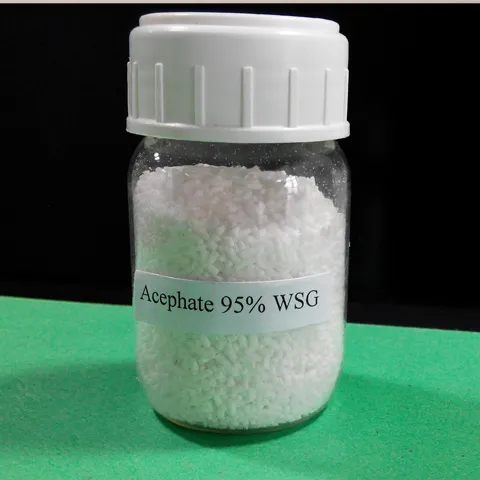
Acephate's versatility is evident in its application across multiple sectors. It is used to control sucking and chewing insects in cotton, ornamentals, forestry, tobacco, fruits, vegetables, and other crops. Specific pests targeted include alfalfa loopers, armyworms, bean leafbeetles, bollworms, and cabbage loopers. Its systemic activity allows it to be absorbed by plants, providing protection from within.
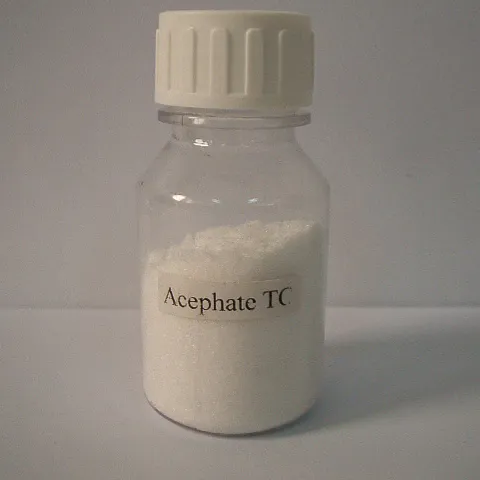
The product is available in various formulations to suit different agricultural needs, including 97% TC technical concentrate, 75% SP soluble powder, 40% EC emulsifiable concentrate, and 98% WDG water-dispersible granules. These options cater to diverse application methods, from foliar sprays to soil treatments, ensuring flexibility for farmers and pest control professionals.
Company Background: Hebei Dongfeng Chemical Technology Co., Ltd.
Manufactured by Hebei Dongfeng Chemical Technology Co., Ltd., a leading Chinese chemical company, Acephate reflects the firm's commitment to agricultural innovation. The company's extensive product portfolio includes pesticides, herbicides, and fertilizers, serving both domestic and international markets. Their [product page](https://www.hbdfchempest.com/acephate.html) offers detailed information on Acephate's formulations and technical specifications.
As a key player in the agrochemical industry, Hebei Dongfeng adheres to international standards for chemical safety and environmental responsibility. Their production processes are designed to minimize waste and ensure compliance with global regulations, as highlighted in their [company profile](https://www.hbdfchempest.com/).
Industry Relevance and Regulatory Compliance
According to the National Institute of Standards and Technology (NIST), chemical safety standards are critical for mitigating risks in agricultural practices. Acephate's HS Code 29299040 ensures it is classified under the correct regulatory framework, facilitating international trade and compliance. NIST's research on chemical hazard assessment provides a scientific basis for evaluating insecticides like Acephate, emphasizing the importance of risk management strategies in pest control.
For further insights into chemical safety protocols, refer to the [NIST website](https://www.nist.gov/). Their studies on toxicological evaluation and environmental impact assessments are invaluable resources for understanding the broader implications of pesticide use.
Conclusion
Acephate remains a cornerstone of modern pest management due to its effectiveness, versatility, and relatively low environmental impact. Its chemical properties, combined with the expertise of manufacturers like Hebei Dongfeng Chemical Technology Co., Ltd., ensure it meets the demands of contemporary agriculture. As the industry continues to evolve, the balance between efficacy and safety remains paramount, guided by rigorous scientific research and regulatory standards.
References
NIST (National Institute of Standards and Technology). (n.d.). https://www.nist.gov/. Retrieved from the U.S. Department of Commerce.
-
Understanding Different Types of Pesticides for Effective Pest ControlNewsApr.16,2026
-
Effective Vegetable Pesticides for Maximizing Crop YieldsNewsApr.09,2026
-
Comprehensive Guide to Granular Pesticide Applications and Effective Pest ManagementNewsApr.07,2026
-
Effective Natural Pesticides for Indoor Plants A Comprehensive GuideNewsApr.04,2026
-
Comprehensive Guide to Dragnet Pesticide for Effective Pest ManagementNewsMar.31,2026
-
Effective Houseplant Pesticide Solutions for a Thriving Indoor GardenNewsMar.28,2026
-
Sustainable Pest Control with Bio Pesticides for a Healthier FutureNewsMar.26,2026