

Acephate Insecticide - Hebei Dongfeng Chemical|Crop Protection, Pest Control
Acephate, also known as Orthene, is a widely used organophosphate insecticide renowned for its efficacy in controlling a broad spectrum of pests in agricultural and horticultural settings. Developed by Hebei Dongfeng Chemical Technology Co., Ltd., this product has become a cornerstone in modern pest management due to its unique chemical properties and application versatility. This article delves into the technical specifications, advantages, application scenarios, and company background of Acephate, supported by authoritative references from the National Institute of Standards and Technology (NIST).
Understanding Acephate: A Comprehensive Overview
Acephate is an organophosphate foliar insecticide that targets both sucking and chewing insects. It is particularly effective against pests such as aphids, leaf miners, caterpillars, and thrips in crops, vegetables, and horticultural plants. The compound works by inhibiting the activity of acetylcholinesterase (Ache), a critical enzyme in the nervous systems of insects. This mechanism disrupts nerve signal transmission, leading to the pest's paralysis and eventual death. Notably, Acephate is metabolized into methamidophos, a more active form, but it is considered relatively safe for mammals due to its limited conversion in human and animal systems.
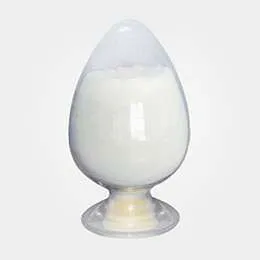
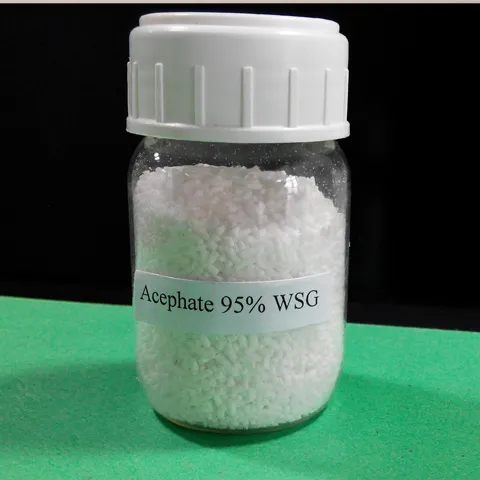
As a systemic insecticide, Acephate is absorbed by plant tissues and distributed throughout the plant, providing protection against pests that feed on leaves, stems, and fruits. Its residual activity ensures prolonged efficacy, making it a preferred choice for farmers and agricultural professionals. The product is available in multiple formulations, including 97% TC technical concentrate, 75% SP soluable powder, 40% EC emulsifiable concentrate, and 98% TC technical concentrate, catering to diverse application needs.
Technical Specifications of Acephate
| Property | Specification |
|---|---|
| Melting Point | 93°C |
| Density | 1.35 g/cm³ |
| Vapor Pressure | 2.26 x 10⁻⁴ Pa (24°C) |
| Flash Point | 2°C |
| Storage Temperature | Approx. 4°C |
| Solubility | Chloroform: Soluble; DMSO: Soluble; Water: Soluble |
| pKa | 11.00 ± 0.46 (Predicted) |
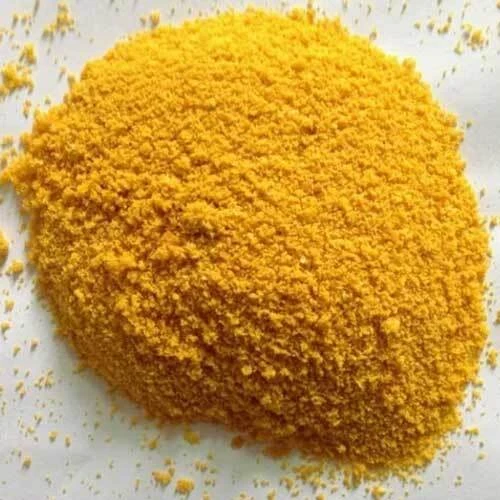
| Form | Solid |
| Color | White to yellow |
| Water Solubility | Readily soluble |
These technical specifications highlight Acephate's physical and chemical stability, making it suitable for various environmental conditions. Its high solubility in water and organic solvents ensures effective formulation and application. The low vapor pressure reduces the risk of evaporation, while the moderate flash point indicates a relatively safe handling profile. However, users must adhere to safety protocols to mitigate risks associated with its hazardous properties.
Risk and Safety Information
Acephate is classified under the GHS07 symbol, indicating health hazards and environmental risks. The signal word "Warning" underscores its potential to cause harm if mishandled. The hazard statements H302+H312 emphasize its toxicity via ingestion and skin contact, while the hazard codes Xn (Harmful) and F (Flammable) highlight its irritant and combustible properties. The UN1648 3/PG 2 classification indicates it is a non-flammable, toxic substance requiring careful transportation and storage.
Users must follow label instructions and regulatory guidelines to minimize exposure. Protective gear, such as gloves and goggles, is essential during application. The HS Code 29299040 ensures proper classification for international trade, aligning with global chemical safety standards.
Advantages of Acephate in Pest Management
One of Acephate's primary advantages is its wide range of applications. It is effective against pests in cotton, ornamentals, forestry, tobacco, fruits, vegetables, and other crops. Its systemic action allows it to target pests that are difficult to reach, such as those hiding within plant tissues. Additionally, Acephate's moderate persistence ensures long-term protection without excessive environmental buildup.
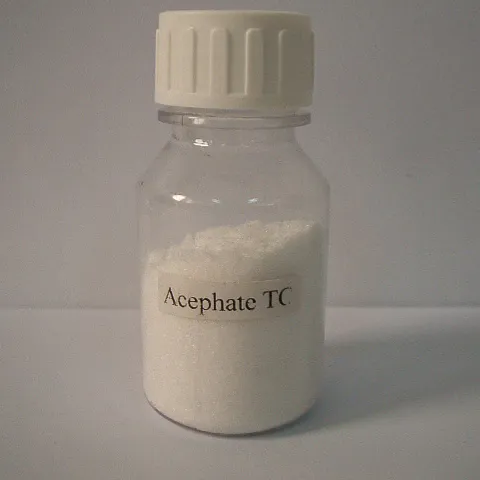
The product's solubility in water and organic solvents enables easy formulation into various pesticide types, such as emulsifiable concentrates (EC), soluble powders (SP), and water-dispersible granules (WDG). These formulations cater to different application methods, including foliar sprays and soil drenches. Furthermore, Acephate's low toxicity to mammals compared to other organophosphates makes it a safer option for agricultural use.
Application Scenarios and Industry Use
Acephate is a vital tool in agricultural pest control, particularly for managing aphids, leaf miners, and thrips. Its contact and systemic properties make it effective against both external and internal pests. For example, in cotton cultivation, Acephate targets armyworms and bollworms, while in vegetable farming, it controls bean leafbeetles and cabbage loopers.
According to NIST guidelines on chemical safety and pesticide regulations, Acephate's use must comply with environmental impact assessments and residue limits. These standards ensure that its application does not harm non-target organisms or contaminate water sources. For instance, NIST's publication on pesticide safety emphasizes the importance of precision application to minimize ecological risks.
About Hebei Dongfeng Chemical Technology Co., Ltd.
Hebei Dongfeng Chemical Technology Co., Ltd. is a leading manufacturer of agrochemicals and industrial chemicals, with a strong focus on sustainable pest management solutions. The company's commitment to research and development has enabled it to produce high-quality products like Acephate, which meet international standards and regulatory requirements.
With a diverse product portfolio, including insecticides, herbicides, and fungicides, Hebei Dongfeng caters to the needs of global agricultural markets. The company's technical expertise and innovative formulations have earned it a reputation for reliability and effectiveness. For more information about Hebei Dongfeng Chemical Technology Co., Ltd., visit their official website.
Conclusion
Acephate remains a critical insecticide in modern agriculture, offering effective pest control with a favorable toxicity profile for mammals. Its technical specifications, application versatility, and availability in multiple formulations make it a preferred choice for farmers and agricultural professionals. As Hebei Dongfeng Chemical Technology Co., Ltd. continues to innovate, Acephate will likely maintain its role as a key solution in crop protection and sustainable farming practices.
References
NIST. (2023). Pesticide Safety and Environmental Impact. Retrieved from https://www.nist.gov
NIST. (2023). Standards and Measurements. Retrieved from https://www.nist.gov
-
Understanding Different Types of Pesticides for Effective Pest ControlNewsApr.16,2026
-
Effective Vegetable Pesticides for Maximizing Crop YieldsNewsApr.09,2026
-
Comprehensive Guide to Granular Pesticide Applications and Effective Pest ManagementNewsApr.07,2026
-
Effective Natural Pesticides for Indoor Plants A Comprehensive GuideNewsApr.04,2026
-
Comprehensive Guide to Dragnet Pesticide for Effective Pest ManagementNewsMar.31,2026
-
Effective Houseplant Pesticide Solutions for a Thriving Indoor GardenNewsMar.28,2026
-
Sustainable Pest Control with Bio Pesticides for a Healthier FutureNewsMar.26,2026