

Acephate Insecticide | Hebei Dongfeng|Pest Control,Crop Protection
Introduction to Acephate
Acephate, also known as Orthene, is a widely used organophosphate foliar insecticide that has been instrumental in pest control since the 1990s. This compound is renowned for its effectiveness against a broad spectrum of pests, including leaf miners, caterpillars, sawflies, thrips, and aphids. Its unique mechanism of action and versatile application make it a critical tool for agricultural and horticultural professionals. Acephate is produced by Hebei Dongfeng Chemical Technology Co., Ltd., a leading manufacturer committed to delivering high-quality agricultural solutions.
Key Features of Acephate
Acephate is distinguished by its chemical properties and efficacy. As an organophosphate insecticide, it works by inhibiting the activity of acetylcholinesterase (AChE), an enzyme critical for nerve signal transmission in insects. This disruption leads to paralysis and eventual death of the pest. Notably, Acephate is metabolized into methamidophos, a more active form, which enhances its potency. However, it is important to note that Acephate is considered less toxic to mammals and humans compared to other organophosphates, making it a safer choice for agricultural use.
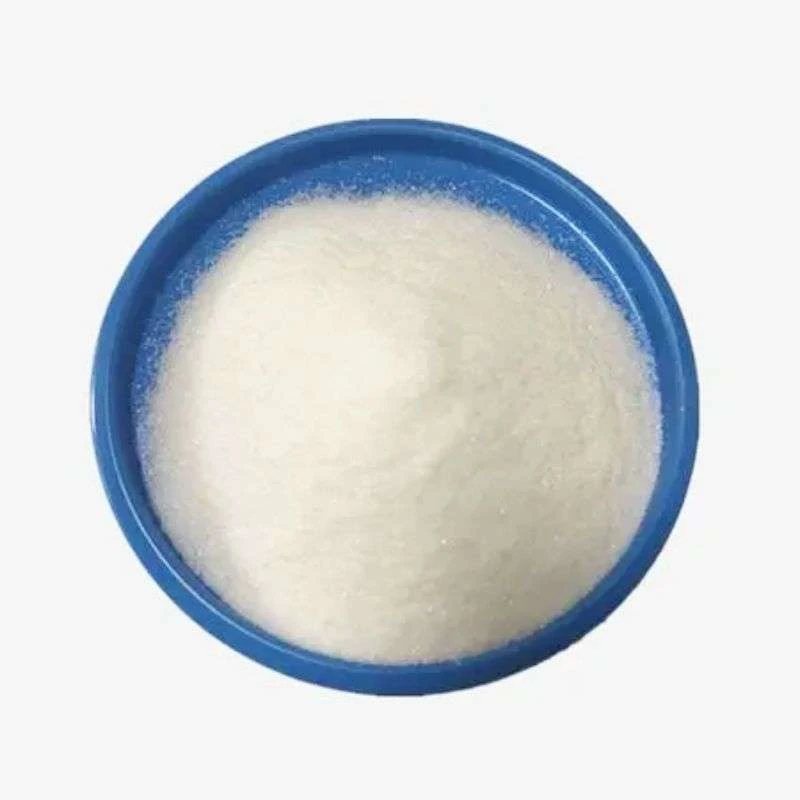
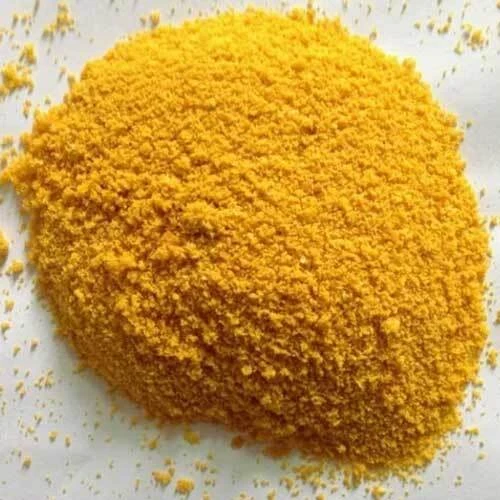
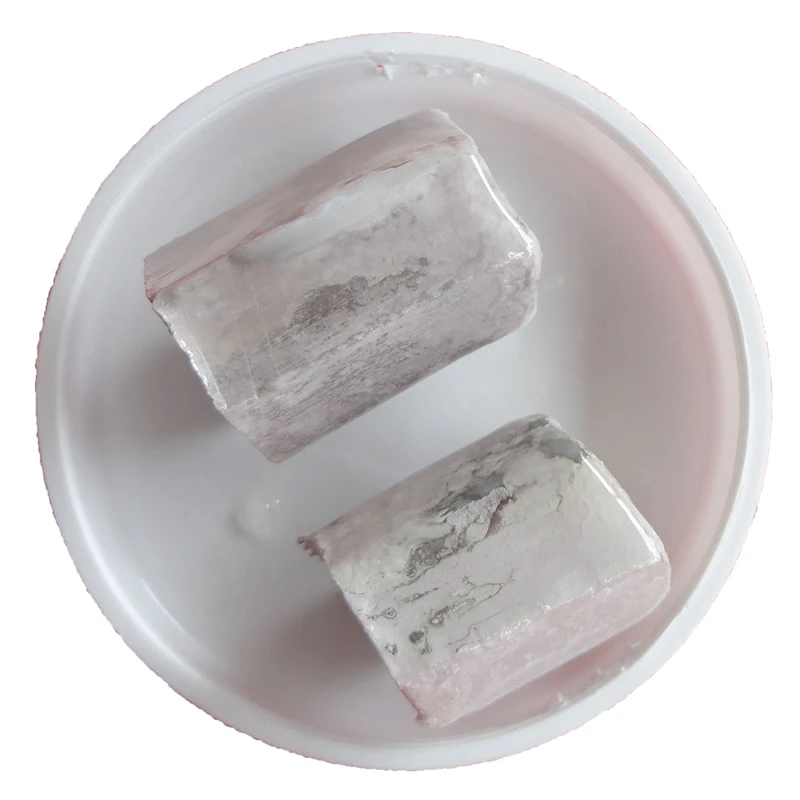
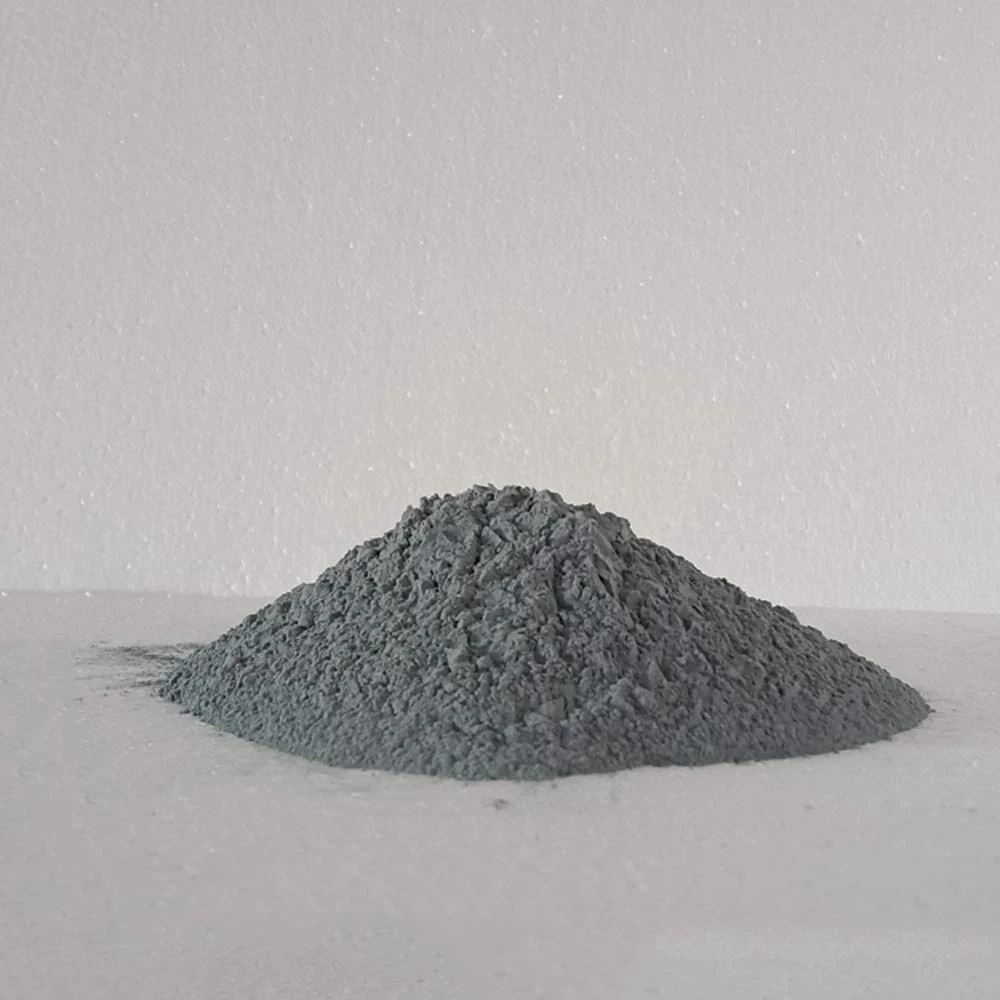
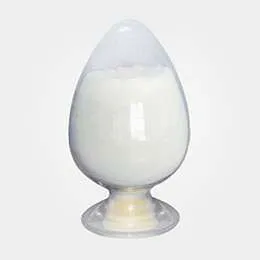
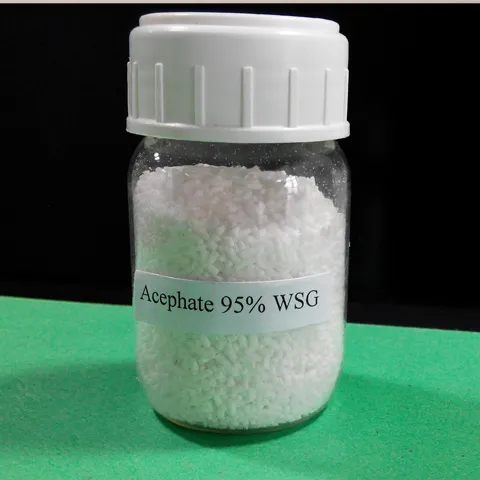
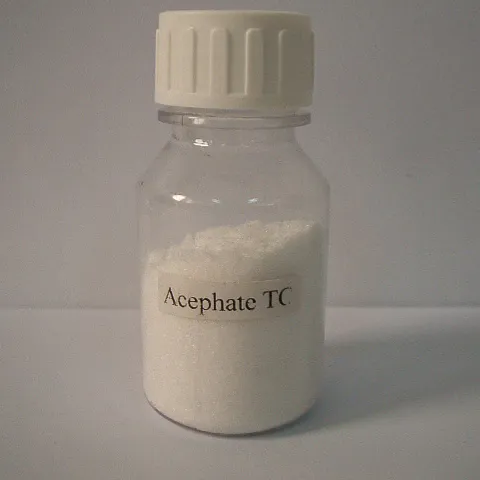
The physical properties of Acephate are equally significant. It has a melting point of 93°C, a density of 1.35 g/cm³, and a vapor pressure of 2.26 × 10⁻⁴ Pa at 24°C. These characteristics contribute to its stability and ease of application. Additionally, Acephate is soluble in water, chloroform, and DMSO, allowing for flexible formulation options. Its white to yellow solid form and high water solubility make it suitable for various agricultural applications.
Technical Specifications
| Property | Value |
|---|---|
| Melting Point | 93°C |
| Density | 1.35 g/cm³ |
| Vapor Pressure | 2.26 × 10⁻⁴ Pa (24°C) |
| Flash Point | 2°C |
| Storage Temperature | Approx. 4°C |
| Solubility | Water, Chloroform, DMSO |
| pKa | 11.00 ± 0.46 (Predicted) |
| Form | White to yellow solid |
| Water Solubility | Readily soluble |
Advantages of Acephate
Acephate offers several advantages that make it a preferred choice for pest control. Its systemic activity allows it to be absorbed by plants, providing long-lasting protection against pests. This systemic action ensures that the insecticide reaches all parts of the plant, including the leaves, stems, and roots, effectively targeting both sucking and chewing insects.
Another significant advantage is its moderate persistence in the environment. While Acephate remains effective for a reasonable duration, it degrades relatively quickly, reducing the risk of long-term environmental contamination. This balance between efficacy and environmental safety is crucial for sustainable agriculture.
Additionally, Acephate is available in multiple formulations, including technical concentrates, soluble powders, emulsifiable concentrates, and water-dispersible granules. This variety allows for tailored application methods, ensuring optimal performance in different agricultural settings. For instance, the 97% TC technical concentrate is ideal for large-scale applications, while the 75% SP soluble powder is suitable for foliar sprays.
Application Scenarios
Acephate is widely used in various agricultural and horticultural settings. It is particularly effective against pests that affect crops such as cotton, ornamentals, forestry, tobacco, fruits, and vegetables. The insecticide targets both sucking and chewing insects, making it a versatile solution for pest management. For example, it is commonly used to control alfalfa loopers, aphids, armyworms, and cabbage loopers.
In forestry, Acephate is used to protect trees from pests like bagworms and blackgrass bugs. In horticulture, it is employed to manage thrips and sawflies on ornamental plants. The insecticide's ability to penetrate plant tissues ensures that even hidden pests are effectively controlled.
Acephate is also used in vegetable cultivation to target aphids and other sucking insects. Its systemic action ensures that the insecticide is distributed throughout the plant, providing comprehensive protection. This makes it an essential tool for farmers aiming to maintain crop health and productivity.
Company Background: Hebei Dongfeng Chemical Technology Co., Ltd.
Hebei Dongfeng Chemical Technology Co., Ltd. is a reputable manufacturer of agricultural chemicals, including Acephate. With a commitment to quality and innovation, the company has established itself as a trusted supplier in the agricultural industry. Hebei Dongfeng offers a wide range of products, including 97% TC technical concentrate, 75% SP soluble powder, and 40% EC emulsifiable concentrate, catering to diverse agricultural needs.
The company's dedication to research and development ensures that its products meet the highest standards of efficacy and safety. Hebei Dongfeng adheres to strict quality control measures, guaranteeing that each batch of Acephate is produced to the highest specifications. This commitment to quality has earned the company a strong reputation among farmers and agricultural professionals worldwide.
Safety and Risk Management
Acephate is classified under the GHS07 hazard symbol, indicating that it is harmful if inhaled, in contact with skin, or ingested. The signal word "Warning" underscores the importance of proper handling and application. The hazard statements H302+H312 indicate that it is harmful if swallowed and causes skin irritation. Additionally, the hazard codes Xn (Harmful) and F (Flammable) highlight the need for caution during storage and use.
The RIDADR code UN1648 3/PG 2 specifies that Acephate is a flammable liquid and must be transported under specific conditions. The HS Code 29299040 ensures that it is classified correctly for international trade. These regulatory measures are essential for ensuring the safe handling and distribution of Acephate.
Authoritative Citations and References
The safety and efficacy of Acephate are supported by research and standards from reputable organizations. The National Institute of Standards and Technology (NIST) plays a critical role in developing measurement standards that ensure the accuracy and reliability of agricultural chemicals. While specific citations for Acephate may not be available, NIST's work in metrology and chemical standards provides a foundation for the rigorous testing and quality control required for such products.
For further information on NIST's role in agricultural research, visit their official website: https://www.nist.gov/.
-
Understanding Different Types of Pesticides for Effective Pest ControlNewsApr.16,2026
-
Effective Vegetable Pesticides for Maximizing Crop YieldsNewsApr.09,2026
-
Comprehensive Guide to Granular Pesticide Applications and Effective Pest ManagementNewsApr.07,2026
-
Effective Natural Pesticides for Indoor Plants A Comprehensive GuideNewsApr.04,2026
-
Comprehensive Guide to Dragnet Pesticide for Effective Pest ManagementNewsMar.31,2026
-
Effective Houseplant Pesticide Solutions for a Thriving Indoor GardenNewsMar.28,2026
-
Sustainable Pest Control with Bio Pesticides for a Healthier FutureNewsMar.26,2026