


Acephate: Organophosphate Insecticide for Pest Control | Hebei Dongfeng
Acephate, also known as Orthene, is a widely used organophosphate insecticide that has played a pivotal role in pest management since its introduction in the 1990s. This article provides an in-depth analysis of Acephate's chemical properties, applications, safety profile, and the company behind its production. Whether you're a farmer, agricultural professional, or chemical industry stakeholder, this guide will help you understand the significance of Acephate in modern agriculture.
Product Overview
Acephate is a foliar insecticide designed to combat a wide range of pests affecting crops, vegetables, and horticultural plants. Its mechanism of action involves inhibiting the activity of acetylcholinesterase (Ache), an enzyme critical to the nervous system of insects. This inhibition leads to the accumulation of acetylcholine, causing overstimulation and eventual paralysis of the pest. Notably, Acephate is metabolized into methamidophos, a more potent compound, but its formulation ensures minimal risk to humans and animals when used as directed.
Technical Specifications
| Property | Details |
|---|---|
| Melting Point | 93°C |
| Density | 1.35 g/cm³ |
| Vapor Pressure | 2.26 × 10⁻⁴ Pa (24°C) |
| Flash Point | 2°C |
| Storage Temperature | Approx. 4°C |
| Solubility | Chloroform: Soluble; DMSO: Soluble; Water: Soluble |
| pKa | 11.00 ± 0.46 (Predicted) |
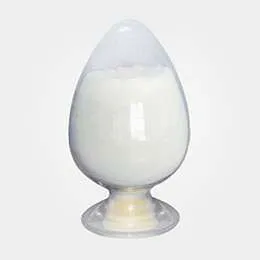
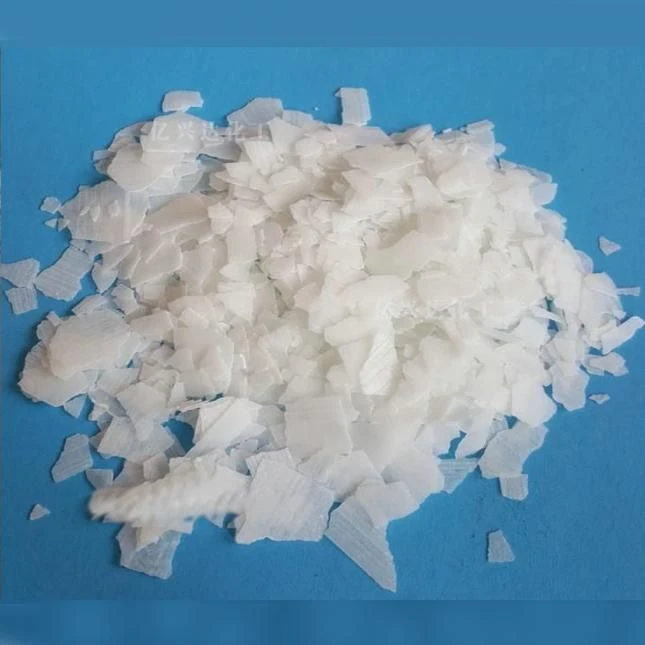
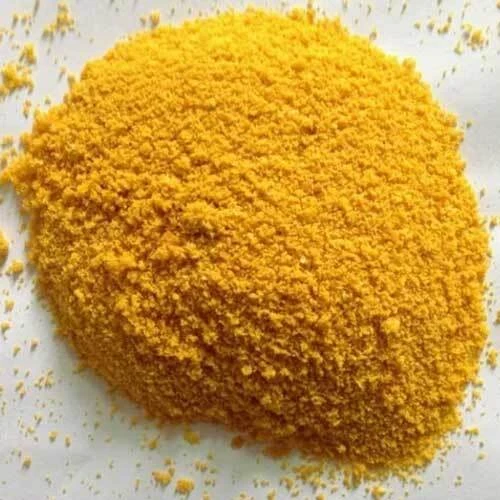
| Form | White to yellow solid |
| Water Solubility | Readily soluble |
Applications in Agriculture
Acephate is a contact and systemic insecticide, making it effective against both chewing and sucking insects. It is widely used in the following crops and scenarios:
- Cotton: Controls pests like aphids, armyworms, and bollworms.
- Ornamentals: Protects plants from leaf miners, thrips, and sawflies.
- Forestry: Manages pests in tree nurseries and forested areas.
- Tobacco: Targets caterpillars and leafhoppers.
- Fruits and Vegetables: Effective against aphids, cabbage loopers, and bean leaf beetles.
Product Variants and Formulations
The company offers Acephate in multiple formulations to cater to different agricultural needs:
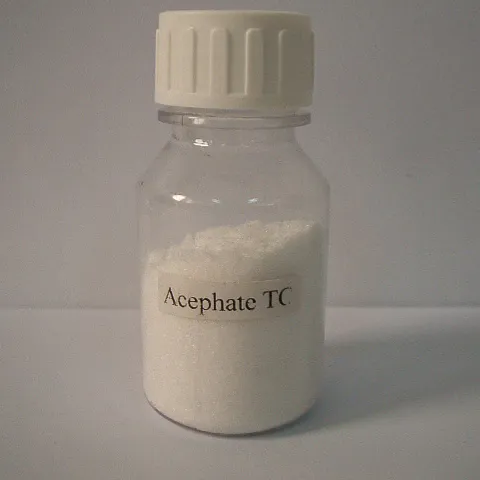
- 97% TC Technical Concentrate
- 75% SP Soluble Powder
- 40% EC Emulsifiable Concentrate
- 98% TC Technical Concentrate
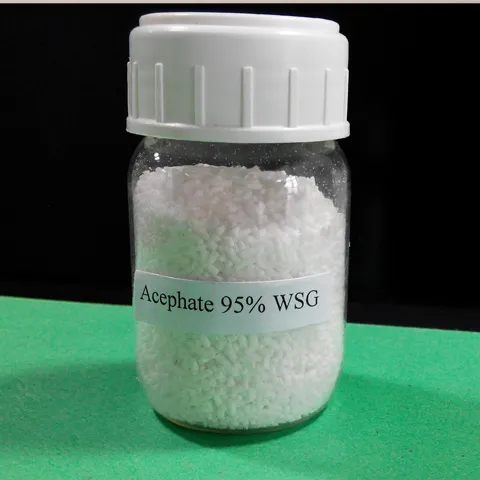
- 97% SG Soluble Granules
- 30% EC Emulsifiable Concentrate
- 97% WDG Water Dispersible Granule
These formulations ensure flexibility in application, whether through spraying, granular application, or dissolution in water.
Safety and Risk Management
Acephate is classified under the GHS07 hazard category, with the signal word Warning. The hazard statements H302+H312 indicate potential harm if ingested or in contact with skin. The Flammable (F) and Non-Flammable (Xn) hazard codes highlight the need for proper handling and storage. The UN1648 3/PG 2 classification ensures compliance with international transport regulations.
Risk and Safety Statements
| Symbol (GHS) |  |
|---|---|
| Signal Word | Warning |
| Hazard Statements | H302+H312 |
| Hazard Codes | Xn, F |
| UN Number | UN1648 3/PG 2 |
| HS Code | 29299040 |
Company Background: Hebei Dongfeng Chemical Technology Co., Ltd.
Founded in China, Hebei Dongfeng Chemical Technology Co., Ltd. is a leading manufacturer of agricultural chemicals, specializing in the production of high-quality insecticides like Acephate. The company's commitment to innovation and safety has made it a trusted name in the industry. With a focus on sustainable practices and compliance with international standards, Hebei Dongfeng ensures that its products meet the rigorous demands of modern agriculture.
For more information about the company, visit their official website.
Industry Standards and Regulatory Compliance
Acephate's production and use align with global standards for chemical safety and environmental protection. The National Institute of Standards and Technology (NIST) provides critical guidelines for measurement and unit standards, ensuring that products like Acephate are formulated and tested with precision. While NIST's primary focus is on metrology, its frameworks for scientific rigor and consistency underpin the development of agricultural chemicals.
Conclusion
Acephate remains a cornerstone of pest management in agriculture due to its efficacy, versatility, and safety profile when used correctly. Its chemical properties, diverse formulations, and compliance with international standards make it a reliable choice for farmers and agricultural professionals. As the industry evolves, the continued research and development by companies like Hebei Dongfeng Chemical Technology Co., Ltd. ensure that Acephate remains a vital tool in sustainable farming practices.
References
National Institute of Standards and Technology (NIST) - Provides authoritative guidelines on measurement and unit standards, ensuring scientific consistency in chemical production.
Acephate Product Page - Detailed specifications and application guidelines for Acephate.
-
Understanding Different Types of Pesticides for Effective Pest ControlNewsApr.16,2026
-
Effective Vegetable Pesticides for Maximizing Crop YieldsNewsApr.09,2026
-
Comprehensive Guide to Granular Pesticide Applications and Effective Pest ManagementNewsApr.07,2026
-
Effective Natural Pesticides for Indoor Plants A Comprehensive GuideNewsApr.04,2026
-
Comprehensive Guide to Dragnet Pesticide for Effective Pest ManagementNewsMar.31,2026
-
Effective Houseplant Pesticide Solutions for a Thriving Indoor GardenNewsMar.28,2026
-
Sustainable Pest Control with Bio Pesticides for a Healthier FutureNewsMar.26,2026
Acephate: Organophosphate Insecticide for Pest Control | Hebei Dongfeng
Acephate, also known as Orthene, is a widely used organophosphate insecticide that has played a pivotal role in pest management since its introduction in the 1990s. This article provides an in-depth analysis of Acephate's chemical properties, applications, safety profile, and the company behind its production. Whether you're a farmer, agricultural professional, or chemical industry stakeholder, this guide will help you understand the significance of Acephate in modern agriculture.
Product Overview
Acephate is a foliar insecticide designed to combat a wide range of pests affecting crops, vegetables, and horticultural plants. Its mechanism of action involves inhibiting the activity of acetylcholinesterase (Ache), an enzyme critical to the nervous system of insects. This inhibition leads to the accumulation of acetylcholine, causing overstimulation and eventual paralysis of the pest. Notably, Acephate is metabolized into methamidophos, a more potent compound, but its formulation ensures minimal risk to humans and animals when used as directed.
Technical Specifications
| Property | Details |
|---|---|
| Melting Point | 93°C |
| Density | 1.35 g/cm³ |
| Vapor Pressure | 2.26 × 10⁻⁴ Pa (24°C) |
| Flash Point | 2°C |
| Storage Temperature | Approx. 4°C |
| Solubility | Chloroform: Soluble; DMSO: Soluble; Water: Soluble |
| pKa | 11.00 ± 0.46 (Predicted) |
| Form | White to yellow solid |
| Water Solubility | Readily soluble |
Applications in Agriculture
Acephate is a contact and systemic insecticide, making it effective against both chewing and sucking insects. It is widely used in the following crops and scenarios:
- Cotton: Controls pests like aphids, armyworms, and bollworms.
- Ornamentals: Protects plants from leaf miners, thrips, and sawflies.
- Forestry: Manages pests in tree nurseries and forested areas.
- Tobacco: Targets caterpillars and leafhoppers.
- Fruits and Vegetables: Effective against aphids, cabbage loopers, and bean leaf beetles.
Product Variants and Formulations
The company offers Acephate in multiple formulations to cater to different agricultural needs:
- 97% TC Technical Concentrate
- 75% SP Soluble Powder
- 40% EC Emulsifiable Concentrate
- 98% TC Technical Concentrate
- 97% SG Soluble Granules
- 30% EC Emulsifiable Concentrate
- 97% WDG Water Dispersible Granule
These formulations ensure flexibility in application, whether through spraying, granular application, or dissolution in water.
Safety and Risk Management
Acephate is classified under the GHS07 hazard category, with the signal word Warning. The hazard statements H302+H312 indicate potential harm if ingested or in contact with skin. The Flammable (F) and Non-Flammable (Xn) hazard codes highlight the need for proper handling and storage. The UN1648 3/PG 2 classification ensures compliance with international transport regulations.
Risk and Safety Statements
| Symbol (GHS) | |
|---|---|
| Signal Word | Warning |
| Hazard Statements | H302+H312 |
| Hazard Codes | Xn, F |
| UN Number | UN1648 3/PG 2 |
| HS Code | 29299040 |
Company Background: Hebei Dongfeng Chemical Technology Co., Ltd.
Founded in China, Hebei Dongfeng Chemical Technology Co., Ltd. is a leading manufacturer of agricultural chemicals, specializing in the production of high-quality insecticides like Acephate. The company's commitment to innovation and safety has made it a trusted name in the industry. With a focus on sustainable practices and compliance with international standards, Hebei Dongfeng ensures that its products meet the rigorous demands of modern agriculture.
For more information about the company, visit their official website.
Industry Standards and Regulatory Compliance
Acephate's production and use align with global standards for chemical safety and environmental protection. The National Institute of Standards and Technology (NIST) provides critical guidelines for measurement and unit standards, ensuring that products like Acephate are formulated and tested with precision. While NIST's primary focus is on metrology, its frameworks for scientific rigor and consistency underpin the development of agricultural chemicals.
Conclusion
Acephate remains a cornerstone of pest management in agriculture due to its efficacy, versatility, and safety profile when used correctly. Its chemical properties, diverse formulations, and compliance with international standards make it a reliable choice for farmers and agricultural professionals. As the industry evolves, the continued research and development by companies like Hebei Dongfeng Chemical Technology Co., Ltd. ensure that Acephate remains a vital tool in sustainable farming practices.
References
National Institute of Standards and Technology (NIST) - Provides authoritative guidelines on measurement and unit standards, ensuring scientific consistency in chemical production.
Acephate Product Page - Detailed specifications and application guidelines for Acephate.
-
Understanding Different Types of Pesticides for Effective Pest ControlNewsApr.16,2026
-
Effective Vegetable Pesticides for Maximizing Crop YieldsNewsApr.09,2026
-
Comprehensive Guide to Granular Pesticide Applications and Effective Pest ManagementNewsApr.07,2026
-
Effective Natural Pesticides for Indoor Plants A Comprehensive GuideNewsApr.04,2026
-
Comprehensive Guide to Dragnet Pesticide for Effective Pest ManagementNewsMar.31,2026
-
Effective Houseplant Pesticide Solutions for a Thriving Indoor GardenNewsMar.28,2026
-
Sustainable Pest Control with Bio Pesticides for a Healthier FutureNewsMar.26,2026