

Acetamiprid Insecticide - Reliable Pest Control Solutions
Acetamiprid Insecticide: A Trusted Ally in Modern Pest Control
Having spent over a decade in the industrial equipment and agrochemical sector, I can tell you that insecticides like acetamiprid are somewhat of unsung heroes on the front lines of crop protection. It’s odd how some products quietly do their job without fanfare while others get all the buzz. But frankly, in the world of pest management, reliability and safety often matter way more than hype.
For those unfamiliar, acetamiprid belongs to a class of neonicotinoid insecticides widely used for controlling sap-feeding insects like aphids and whiteflies. It’s particularly favored because it offers a good balance—effective pest control without posing undue risk to pollinators, which is a big deal these days. Having applied and monitored it on several crops, I remember a few instances where farmers told me it cut aphid infestation by nearly half within just a week after application. That kind of response makes a tangible difference when you’re racing against crop loss.
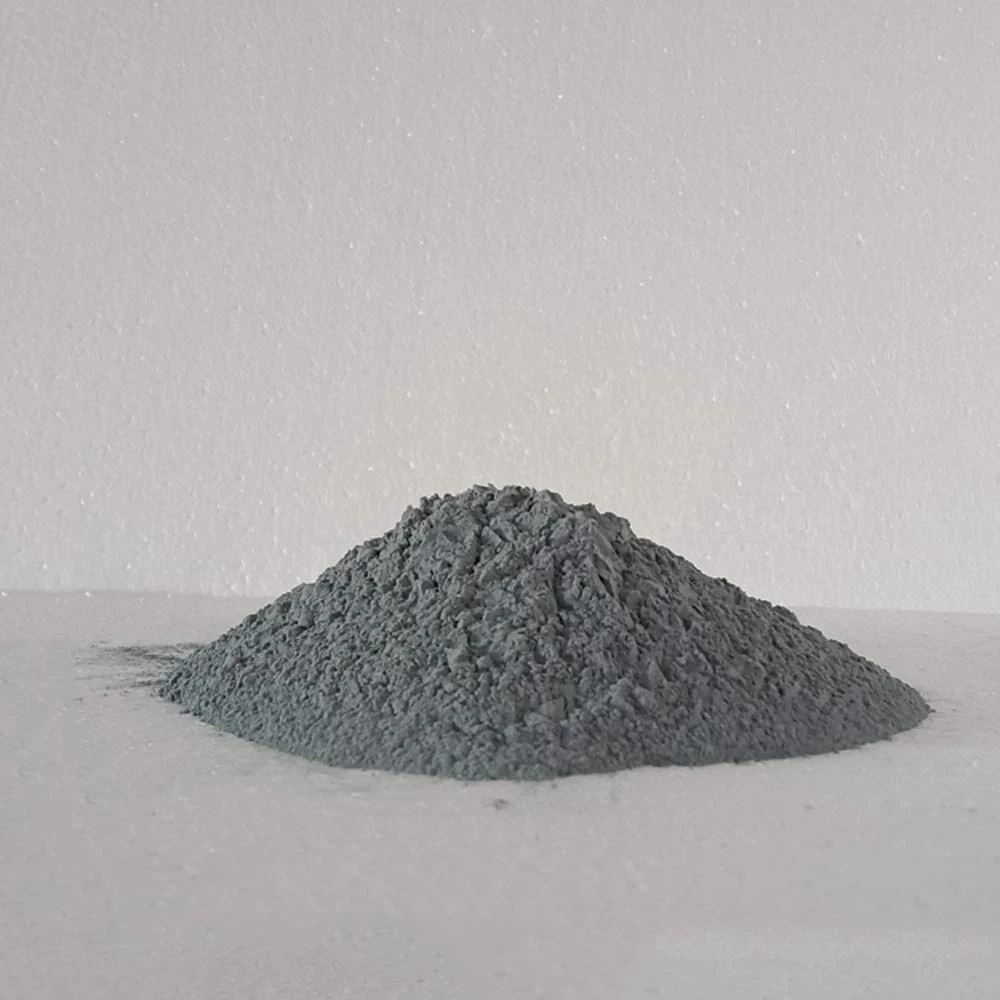
But beyond efficacy, the formulation and handling characteristics of acetamiprid products matter, of course. The neat powder and suspension concentrates I’ve worked with vary somewhat in their ease of mixing and spray adherence, and trust me, in the field, those differences are obvious. An insecticide that disperses evenly and clings well to leaf surfaces reduces the number of reapplications — critical for saving time and money.
| Specification | Details |
|---|---|
| Chemical Class | Neonicotinoid |
| Target Pests | Aphids, Whiteflies, Thrips |
| Mode of Action | Nicotinic acetylcholine receptor agonist |
| Formulations | Wettable powders, Suspension concentrates |
| Application Methods | Foliar spray, Soil drench |
| Residual Activity | Up to 3 weeks depending on crop & environment |
Now, in terms of industry trends, there’s a definite push towards sourcing insecticides that integrate well with integrated pest management (IPM) programs. Acetamiprid fits this niche nicely because it’s selective enough to preserve beneficial predatory insects. Of course, this benefit hinges upon careful and accurate application — no surprise there, considering the delicate balance in ecosystems.
Equipment-wise, I suppose one of the trickiest parts is making sure sprayers are calibrated correctly to avoid over-application and drift. Over the years, I’ve been involved in several workshops where we demonstrated how slight misadjustments in nozzle size or pressure can radically affect coverage and, ultimately, pest control efficiency. The takeaway for users is simple: use quality industrial sprayers and follow label instructions closely.
Speaking of brands and formulations, let me share a quick comparison of a few popular acetamiprid suppliers I’ve worked with. It’s kind of like choosing any tool—you want reliability, customer support, and product consistency.
| Vendor | Formulations | Pricing | Support & Training |
|---|---|---|---|
| DF ChemPest | WP, SC | Mid-range | Excellent, including field demos |
| GreenAgro Solutions | SC only | Higher tier | Good, online resources |
| AgroPlus Chemicals | WP only | Budget friendly | Limited, mostly manuals |
One memorable customer anecdote involves a smaller orchard farm where aphid infestation looked bleak mid-season. After switching to an acetamiprid treatment sourced via DF ChemPest, the grower reported not only pest reduction but also a decrease in labor hours due to fewer spray cycles. He told me, “It felt like finally having a reliable partner in pest management.” Stories like that remind me why we do what we do.
To close, acetamiprid continues to be a solid choice for many industrial-scale growers balancing efficiency, safety, and sustainability. Of course, no insecticide is a silver bullet — integration with good practices remains key, and ongoing monitoring is non-negotiable.
At the end of the day, in pest control, it’s these quiet, dependable solutions that earn long-term respect.
- EFSA Scientific Opinion on Acetamiprid Residues in Food – 2020
- Crop Protection Trends, Industry Reports – 2022
- Field Notes and Customer Feedback, 2015–2023
-
Understanding Different Types of Pesticides for Effective Pest ControlNewsApr.16,2026
-
Effective Vegetable Pesticides for Maximizing Crop YieldsNewsApr.09,2026
-
Comprehensive Guide to Granular Pesticide Applications and Effective Pest ManagementNewsApr.07,2026
-
Effective Natural Pesticides for Indoor Plants A Comprehensive GuideNewsApr.04,2026
-
Comprehensive Guide to Dragnet Pesticide for Effective Pest ManagementNewsMar.31,2026
-
Effective Houseplant Pesticide Solutions for a Thriving Indoor GardenNewsMar.28,2026
-
Sustainable Pest Control with Bio Pesticides for a Healthier FutureNewsMar.26,2026