


Buy Sodium Hypochlorite Solution For Sale - Top Manufacturer
Understanding Industrial Sodium Hypochlorite Solutions
Sodium Hypochlorite Solution (NaClO) is a powerful and versatile chemical compound widely utilized across numerous industrial sectors for its potent oxidizing and disinfectant properties. As a leading solution for water treatment, sanitation, bleaching, and chemical synthesis, its demand continues to grow. For businesses seeking reliable and high-grade chemical inputs, sourcing a quality sodium hypochlorite solution for sale is paramount. This comprehensive guide delves into the technical aspects, market dynamics, and operational considerations for B2B procurement of this essential chemical.
Our focus is to provide decision-makers and technical engineers with the in-depth knowledge required to make informed choices, from understanding manufacturing intricacies to assessing supplier capabilities and ensuring compliance with stringent industry standards. The robust efficacy and cost-effectiveness of sodium hypochlorite make it indispensable in modern industrial operations.
Manufacturing Process Flow of Sodium Hypochlorite Solution
The production of industrial-grade sodium hypochlorite solution for sale involves a precise electrochemical process designed to yield a stable and effective product. Understanding this process is crucial for assessing product quality and consistency from any sodium hypochlorite solution manufacturer.
Key Materials:
- Sodium Chloride (NaCl): High-purity industrial-grade salt is the primary raw material, typically in brine form.
- Water (H₂O): Deionized or purified water is essential to prevent impurities from affecting the final product's stability and purity.
- Electrical Energy: Required for the electrolysis process.
Manufacturing Process Steps:
1. Brine Preparation
High-purity sodium chloride is dissolved in deionized water to create a concentrated brine solution. This step is critical for removing contaminants that could interfere with the electrochemical reaction.
2. Electrolysis (Chlor-alkali Process)
The prepared brine undergoes electrolysis in an electrolytic cell. At the anode, chloride ions (Cl⁻) are oxidized to chlorine gas (Cl₂). At the cathode, water is reduced to hydrogen gas (H₂) and hydroxide ions (OH⁻). This process can be diaphragm, mercury, or membrane cell technology, with membrane cells being the most environmentally friendly and energy-efficient.
3. Hypochlorite Formation
The chlorine gas produced at the anode is then reacted with the sodium hydroxide (NaOH) solution generated at the cathode (or with an externally supplied caustic soda solution). This reaction forms sodium hypochlorite and water:
Cl₂ + 2NaOH → NaClO + NaCl + H₂O
4. Purification and Stabilization
The resulting sodium hypochlorite solution is then purified to remove any unreacted raw materials or byproducts. Stabilization agents may be added to prolong shelf life by minimizing decomposition. pH adjustment is also critical to ensure stability, typically maintained in an alkaline range (pH 11-13).
5. Quality Control and Packaging
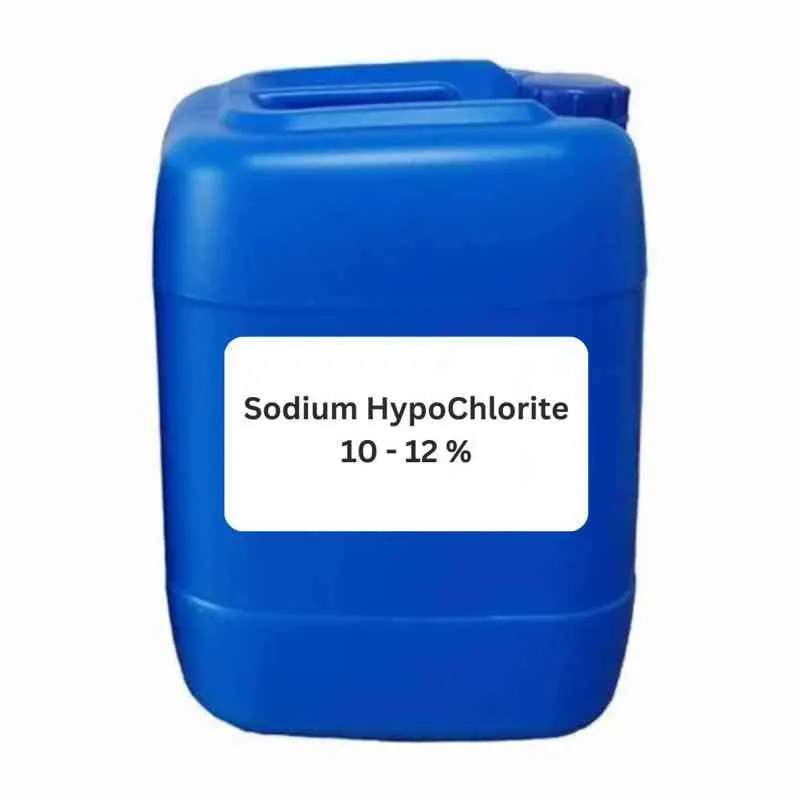
Throughout the process, stringent quality control measures are implemented. Samples are regularly tested for concentration, purity, pH, and absence of heavy metals or other impurities. Once approved, the solution is packaged in appropriate, non-reactive container111s, typically HDPE tanks or drums, suitable for transport and storage.
Testing Standards & Quality Assurance:
Reputable sodium hypochlorite solution suppliers adhere to international quality and safety standards. Key testing parameters include available chlorine concentration, pH, specific gravity, and impurity levels. Compliance with standards such as ASTM E412 (Standard Test Method for Assay of Sodium Hypochlorite Solutions) and various ISO certifications (e.g., ISO 9001 for quality management, ISO 14001 for environmental management) ensures product integrity and reliability. Strict monitoring guarantees a product with optimal service life and performance.
Technical Specifications and Parameters
The performance of sodium hypochlorite solution for sale is directly correlated to its technical specifications. Key parameters dictate its suitability for specific industrial applications and influence aspects such as dosing, storage, and handling.
Standard Product Specification Table:
| Parameter | Typical Range | Measurement Method / Standard |
|---|---|---|
| Available Chlorine (as ClO⁻) | 10% - 15% (w/w) | Iodometric Titration (ASTM E412) |
| pH (1% solution) | 11.0 - 13.0 | pH Meter |
| Specific Gravity @ 20°C | 1.16 - 1.22 | Hydrometer / Pycnometer |
| Free Alkali (as NaOH) | < 0.5% (w/w) | Acid-Base Titration |
| Iron (Fe) | < 5 ppm | Atomic Absorption Spectroscopy (AAS) |
| Heavy Metals (Pb, As, Hg) | < 1 ppm (total) | ICP-MS / AAS |
| Stability (Decomposition Rate) | < 1% loss of Av. Cl₂ per month @ 25°C | Accelerated Aging Test |
The available chlorine concentration is perhaps the most critical parameter, directly indicating the product's oxidizing and disinfecting power. Lower concentrations might necessitate higher dosing rates, impacting operational costs. The pH level is vital for stability; a higher pH helps slow down the decomposition of hypochlorite, which can otherwise lead to a loss of efficacy over time. Impurities like heavy metals and iron can catalyze decomposition, underscoring the importance of high-purity raw materials and stringent manufacturing controls from a reliable sodium hypochlorite solution manufacturer.
Industry Trends and Application Scenarios
The market for sodium hypochlorite solution for sale is dynamic, driven by increasing regulatory scrutiny on water quality, growing industrialization, and heightened awareness of public health. Key industry trends include a shift towards more sustainable production methods, demand for higher purity products, and integrated supply chain solutions.
Target Industries and Applications:
- Water Supply & Drainage Treatment: Sodium hypochlorite is a primary disinfectant for potable water, wastewater, and swimming pools. It effectively neutralizes bacteria, viruses, and other pathogens. In municipal water treatment, it offers a safer alternative to chlorine gas, reducing handling risks. Its application contributes to public health safety and compliance with drinking water regulations, demonstrating significant cost efficiency compared to UV or ozone systems.
- Petrochemical Industry: Used in cooling water systems to prevent biofouling, which can lead to reduced heat transfer efficiency and microbiologically induced corrosion (MIC). Its oxidizing power helps maintain system integrity and extends equipment service life.
- Metallurgy & Mining: Employed in cyanide detoxification processes in gold mining, oxidizing cyanide into less toxic compounds. Also used in industrial water circuits to control microbial growth, protecting valuable assets from corrosion.
- Pulp and Paper Industry: A highly effective bleaching agent for wood pulp, providing brightness and whiteness to paper products. It is increasingly being adopted in conjunction with other bleaching agents to minimize environmental impact.
- Healthcare and Food Processing: Essential for surface disinfection, sanitization of equipment, and sterilization of medical instruments due to its broad-spectrum antimicrobial activity. In food processing, it ensures hygiene standards, preventing contamination and spoilage.
- Textile Industry: Utilized for bleaching fabrics and removing stains, providing an economical solution for fabric preparation before dyeing.
The versatility and proven efficacy of sodium hypochlorite in these diverse applications highlight its irreplaceable role in industrial chemistry. Its continued evolution in application methods, such as on-site generation (OSG) for enhanced safety and reduced transport costs, signifies its enduring relevance.
Technical Advantages and Performance Metrics
The inherent technical advantages of sodium hypochlorite solution for sale position it as a preferred chemical in many industrial processes. Its efficacy, cost-effectiveness, and ease of application contribute significantly to operational efficiency and compliance.
Key Advantages:
- Broad-Spectrum Disinfection: Highly effective against a wide range of bacteria, viruses, fungi, and spores, making it a reliable biocide across various industries.
- Cost-Effectiveness: Generally more economical than many alternative disinfectants and oxidizing agents, offering a lower sodium hypochlorite price per kg, particularly when considering its high potency.
- Ease of Dosing and Control: As a liquid solution, it can be easily stored, transported, and precisely dosed using standard chemical metering pumps, allowing for automated and controlled application.
- Rapid Action: Exhibits quick reaction times for disinfection and oxidation, crucial in applications requiring immediate microbial control or chemical transformation.
- Safety Profile: While corrosive, it is generally safer to handle and store than gaseous chlorine, reducing the risks associated with pressurized gas cylinders. Modern containment and dosing systems further enhance safety.
- Corrosion Resistance in Applications: When correctly dosed and managed, sodium hypochlorite effectively mitigates biofouling, which can be a primary cause of microbiologically induced corrosion (MIC) in industrial piping and heat exchangers, thereby enhancing the service life of critical infrastructure.
- Energy Savings (Indirect): By preventing biofouling in cooling systems and pipelines, it helps maintain optimal heat exchange efficiency and reduces pumping friction, contributing to significant energy savings over time.
Performance Comparison with Alternatives:
| Feature | Sodium Hypochlorite | Chlorine Gas | UV Disinfection | Ozone (O₃) |
|---|---|---|---|---|
| Disinfection Efficacy | Excellent (bacteria, viruses) | Excellent (bacteria, viruses) | Good (UV-C susceptible organisms) | Excellent (broad-spectrum) |
| Residual Effect | Yes, provides residual disinfection | Yes, provides residual disinfection | No, no residual effect | Minimal, short-lived residual |
| Handling & Safety | Liquid, easier/safer than gas | Highly hazardous gas, complex safety protocols | Safe, no chemical handling | Requires on-site generation, gas hazard |
| Cost (Initial & Opex) | Moderate initial, low Opex | High safety infrastructure initial, low Opex | High initial, moderate Opex (lamp replacement) | High initial, high Opex (energy) |
| By-products | DBPs (e.g., THMs, HAAs) possible | DBPs (e.g., THMs, HAAs) possible | No DBPs | Minor DBPs, breaks down to oxygen |
This comparison illustrates that while alternatives exist, sodium hypochlorite often provides the optimal balance of efficacy, safety, and cost, particularly for applications requiring a disinfection residual. When considering the 1 sodium hypochlorite solution price against total cost of ownership, including safety infrastructure and maintenance, it frequently presents a superior value proposition.
Vendor Comparison and Customized Solutions
Selecting the right sodium hypochlorite solution manufacturer or supplier is critical for operational continuity and product performance. Evaluating vendors goes beyond just the sodium hypochlorite price per kg; it encompasses reliability, quality assurance, logistical capabilities, and the ability to offer tailored solutions.
Key Considerations When Choosing Sodium Hypochlorite Solution Suppliers:
- Product Quality and Consistency: Verify adherence to industry standards (e.g., ISO, NSF/ANSI 60 for drinking water applications) and request Certificates of Analysis (CoA) for each batch. Consistency in concentration and purity prevents the need for constant recalibration in dosing systems.
- Reliability and Supply Chain: Assess the supplier's production capacity, inventory management, and logistics network. Timely and consistent delivery is paramount to avoid operational downtime.
- Technical Support and Expertise: A knowledgeable supplier can offer guidance on storage, handling, dosing optimization, and troubleshooting, which is invaluable for complex industrial applications.
- Environmental and Safety Compliance: Ensure the supplier follows strict environmental regulations and has robust safety protocols for manufacturing, handling, and transportation.
- Pricing Structure: While the 1 sodium hypochlorite solution price is a factor, consider overall value, including delivery costs, payment terms, and potential for long-term contract pricing.
Customized Solutions for Specific Needs:
Many industrial clients require more than off-the-shelf products. Reputable sodium hypochlorite solution suppliers excel in providing customized solutions, which can include:
- Tailored Concentrations: While standard concentrations (e.g., 12.5%, 15%) are common, specific applications might benefit from lower or slightly higher concentrations to optimize dosing or reduce transport weight.
- Specialized Packaging: From bulk tanker deliveries to intermediate bulk container111s (IBCs) or smaller drum sizes, packaging can be adapted to suit site storage capacities and usage rates. This includes materials designed for enhanced stability or safer handling.
- Managed Inventory and Just-In-Time (JIT) Delivery: For high-volume users, vendors can establish inventory management programs to ensure continuous supply without excessive on-site storage, minimizing capital tied up in inventory and reducing degradation.
- On-site Technical Audits: Providers may offer site visits to assess current usage, recommend optimal dosing strategies, and suggest infrastructure improvements for handling and storage, contributing to overall system efficiency and safety.
Engaging with a supplier capable of these customized approaches ensures that the sodium hypochlorite solution for sale not only meets technical specifications but also integrates seamlessly into existing operational frameworks, optimizing both performance and cost.
Application Case Studies and Customer Success
Real-world application case studies demonstrate the practical benefits and reliability of quality sodium hypochlorite solution for sale. These examples showcase how optimal selection and strategic application lead to significant operational improvements and cost efficiencies for industrial clients.
Case Study 1: Municipal Water Treatment Plant Optimization
A major municipal water treatment plant faced challenges with fluctuating chlorine demand and the safety risks associated with chlorine gas cylinders. After a comprehensive evaluation, they transitioned to a high-grade sodium hypochlorite solution for sale supplied by a reputable manufacturer.
- Challenge: Ensuring consistent disinfection in varying raw water quality conditions and mitigating hazardous gas storage risks.
- Solution: Implementation of a 12.5% industrial-grade sodium hypochlorite solution delivered in bulk, integrated with automated dosing pumps and residual chlorine analyzers.
- Results:
- Enhanced Safety: Eliminated the need for gaseous chlorine, significantly reducing on-site safety risks and compliance burdens.
- Improved Water Quality: Achieved superior disinfection efficacy with consistent residual chlorine levels, meeting all regulatory standards.
- Operational Savings: Reduced labor costs associated with cylinder handling and maintenance, alongside optimized chemical consumption.
Case Study 2: Petrochemical Cooling Tower Biofouling Control
A large petrochemical facility struggled with persistent biofouling in its cooling towers, leading to reduced heat exchange efficiency and increased maintenance costs due to microbiologically induced corrosion (MIC).
- Challenge: Effective control of microbial growth and prevention of biofouling without causing excessive corrosion to system components.
- Solution: Implemented an optimized biocide program using a stable, low-alkali sodium hypochlorite solution, with intermittent shock dosing protocols based on microbial monitoring.
- Results:
- Energy Efficiency: A 7% reduction in energy consumption for cooling operations due to improved heat transfer.
- Reduced Maintenance: Significant decrease in descaling and equipment cleaning frequency, leading to extended operational uptime.
- Corrosion Mitigation: Effective control of biofilm minimized MIC, prolonging the life of cooling system components.

These case studies underscore the transformative impact of a high-quality sodium hypochlorite solution for sale when procured from reliable sodium hypochlorite solution suppliers and applied with expert technical support.
Ensuring Trust and Authority ()
For B2B procurement, particularly for critical chemicals like sodium hypochlorite solution for sale, establishing Expertise, Experience, Authoritativeness, and Trustworthiness () is non-negotiable. Our commitment to these principles underpins every aspect of our operations.
Certifications and Compliance:
We operate under stringent international and national certifications, ensuring that our products and processes meet the highest standards.
- ISO 9001: Certified for Quality Management Systems, ensuring consistent product quality from our facility as a trusted sodium hypochlorite solution manufacturer.
- ISO 14001: Certified for Environmental Management Systems, reflecting our commitment to sustainable and environmentally responsible production.
- NSF/ANSI 60: Products intended for drinking water treatment comply with NSF/ANSI Standard 60 for drinking water treatment chemicals, assuring public health safety.
- REACH/CLP Compliance: All products are fully compliant with EU REACH (Registration, Evaluation, Authorisation and Restriction of Chemicals) and CLP (Classification, Labelling and Packaging) regulations, underscoring our commitment to global chemical safety.
Years of Service and Partner Clients:
With over two decades of dedicated service in the chemical industry, we have cultivated long-standing partnerships with leading enterprises across diverse sectors, including municipal water authorities, major petrochemical companies, pulp & paper mills, and pharmaceutical manufacturers. Our track record speaks to our reliability and consistent delivery of high-quality products.
Frequently Asked Questions (FAQ):
What is the typical shelf life of your sodium hypochlorite solution?
Our industrial-grade sodium hypochlorite solution for sale typically maintains its stated available chlorine concentration for 3-6 months when stored under optimal conditions (cool, dark place, sealed container111s). Decomposition rates can vary based on concentration, temperature, and exposure to light or metals.
Do you offer different concentrations or custom blends?
Yes, we primarily offer standard industrial concentrations (e.g., 10-15% w/w available chlorine). We also provide customized solutions including specific concentrations and packaging options to meet unique client requirements, subject to minimum order quantities. Please contact our technical sales team for details regarding custom options and the associated sodium hypochlorite price per kg.
What are your lead times and fulfillment capabilities?
Standard lead times for our sodium hypochlorite solution for sale are typically 3-7 business days for regional deliveries, depending on order volume and destination. We maintain robust inventory levels and have a sophisticated logistics network to ensure efficient and timely fulfillment. Expedited options are available upon request.
What kind of warranty and after-sales support do you provide?
We guarantee our products meet the specified technical parameters as per the Certificate of Analysis (CoA) provided with each shipment. Our comprehensive after-sales support includes technical consultation, safety data sheets (SDS), product handling guidelines, and rapid response for any quality or logistical inquiries.
Conclusion
The selection of a high-quality sodium hypochlorite solution for sale is a critical decision for industrial operations demanding reliable disinfection, oxidation, and bleaching capabilities. From municipal water treatment to complex petrochemical processes, the efficacy, cost-effectiveness, and operational advantages of sodium hypochlorite remain unparalleled. Partnering with an experienced and reputable sodium hypochlorite solution manufacturer and supplier ensures not only a superior product but also access to essential technical support, customized solutions, and a robust, compliant supply chain. This strategic approach mitigates risks, optimizes performance, and ultimately contributes to the long-term success and sustainability of your operations.
References
- American Water Works Association. (2011). Water Chlorination and Chloramination Practices and Principles, Manual of Water Supply Practices M20.
- National Sanitation Foundation (NSF) International. (2018). NSF/ANSI 60: Drinking Water Treatment Chemicals – Health Effects.
- Environmental Protection Agency (EPA). (2009). Disinfection Byproducts in Drinking Water: An Overview.
- PubChem. National Library of Medicine. (2023). Sodium Hypochlorite. Retrieved from https://pubchem.ncbi.nlm.nih.gov/compound/Sodium-hypochlorite
- Occupational Safety and Health Administration (OSHA). (2020). Safety Data Sheet for Sodium Hypochlorite.
-
Understanding Different Types of Pesticides for Effective Pest ControlNewsApr.16,2026
-
Effective Vegetable Pesticides for Maximizing Crop YieldsNewsApr.09,2026
-
Comprehensive Guide to Granular Pesticide Applications and Effective Pest ManagementNewsApr.07,2026
-
Effective Natural Pesticides for Indoor Plants A Comprehensive GuideNewsApr.04,2026
-
Comprehensive Guide to Dragnet Pesticide for Effective Pest ManagementNewsMar.31,2026
-
Effective Houseplant Pesticide Solutions for a Thriving Indoor GardenNewsMar.28,2026
-
Sustainable Pest Control with Bio Pesticides for a Healthier FutureNewsMar.26,2026
Buy Sodium Hypochlorite Solution For Sale - Top Manufacturer
Understanding Industrial Sodium Hypochlorite Solutions
Sodium Hypochlorite Solution (NaClO) is a powerful and versatile chemical compound widely utilized across numerous industrial sectors for its potent oxidizing and disinfectant properties. As a leading solution for water treatment, sanitation, bleaching, and chemical synthesis, its demand continues to grow. For businesses seeking reliable and high-grade chemical inputs, sourcing a quality sodium hypochlorite solution for sale is paramount. This comprehensive guide delves into the technical aspects, market dynamics, and operational considerations for B2B procurement of this essential chemical.
Our focus is to provide decision-makers and technical engineers with the in-depth knowledge required to make informed choices, from understanding manufacturing intricacies to assessing supplier capabilities and ensuring compliance with stringent industry standards. The robust efficacy and cost-effectiveness of sodium hypochlorite make it indispensable in modern industrial operations.
Manufacturing Process Flow of Sodium Hypochlorite Solution
The production of industrial-grade sodium hypochlorite solution for sale involves a precise electrochemical process designed to yield a stable and effective product. Understanding this process is crucial for assessing product quality and consistency from any sodium hypochlorite solution manufacturer.
Key Materials:
- Sodium Chloride (NaCl): High-purity industrial-grade salt is the primary raw material, typically in brine form.
- Water (H₂O): Deionized or purified water is essential to prevent impurities from affecting the final product's stability and purity.
- Electrical Energy: Required for the electrolysis process.
Manufacturing Process Steps:
1. Brine Preparation
High-purity sodium chloride is dissolved in deionized water to create a concentrated brine solution. This step is critical for removing contaminants that could interfere with the electrochemical reaction.
2. Electrolysis (Chlor-alkali Process)
The prepared brine undergoes electrolysis in an electrolytic cell. At the anode, chloride ions (Cl⁻) are oxidized to chlorine gas (Cl₂). At the cathode, water is reduced to hydrogen gas (H₂) and hydroxide ions (OH⁻). This process can be diaphragm, mercury, or membrane cell technology, with membrane cells being the most environmentally friendly and energy-efficient.
3. Hypochlorite Formation
The chlorine gas produced at the anode is then reacted with the sodium hydroxide (NaOH) solution generated at the cathode (or with an externally supplied caustic soda solution). This reaction forms sodium hypochlorite and water:
Cl₂ + 2NaOH → NaClO + NaCl + H₂O
4. Purification and Stabilization
The resulting sodium hypochlorite solution is then purified to remove any unreacted raw materials or byproducts. Stabilization agents may be added to prolong shelf life by minimizing decomposition. pH adjustment is also critical to ensure stability, typically maintained in an alkaline range (pH 11-13).
5. Quality Control and Packaging
Throughout the process, stringent quality control measures are implemented. Samples are regularly tested for concentration, purity, pH, and absence of heavy metals or other impurities. Once approved, the solution is packaged in appropriate, non-reactive container111s, typically HDPE tanks or drums, suitable for transport and storage.
Testing Standards & Quality Assurance:
Reputable sodium hypochlorite solution suppliers adhere to international quality and safety standards. Key testing parameters include available chlorine concentration, pH, specific gravity, and impurity levels. Compliance with standards such as ASTM E412 (Standard Test Method for Assay of Sodium Hypochlorite Solutions) and various ISO certifications (e.g., ISO 9001 for quality management, ISO 14001 for environmental management) ensures product integrity and reliability. Strict monitoring guarantees a product with optimal service life and performance.
Technical Specifications and Parameters
The performance of sodium hypochlorite solution for sale is directly correlated to its technical specifications. Key parameters dictate its suitability for specific industrial applications and influence aspects such as dosing, storage, and handling.
Standard Product Specification Table:
| Parameter | Typical Range | Measurement Method / Standard |
|---|---|---|
| Available Chlorine (as ClO⁻) | 10% - 15% (w/w) | Iodometric Titration (ASTM E412) |
| pH (1% solution) | 11.0 - 13.0 | pH Meter |
| Specific Gravity @ 20°C | 1.16 - 1.22 | Hydrometer / Pycnometer |
| Free Alkali (as NaOH) | < 0.5% (w/w) | Acid-Base Titration |
| Iron (Fe) | < 5 ppm | Atomic Absorption Spectroscopy (AAS) |
| Heavy Metals (Pb, As, Hg) | < 1 ppm (total) | ICP-MS / AAS |
| Stability (Decomposition Rate) | < 1% loss of Av. Cl₂ per month @ 25°C | Accelerated Aging Test |
The available chlorine concentration is perhaps the most critical parameter, directly indicating the product's oxidizing and disinfecting power. Lower concentrations might necessitate higher dosing rates, impacting operational costs. The pH level is vital for stability; a higher pH helps slow down the decomposition of hypochlorite, which can otherwise lead to a loss of efficacy over time. Impurities like heavy metals and iron can catalyze decomposition, underscoring the importance of high-purity raw materials and stringent manufacturing controls from a reliable sodium hypochlorite solution manufacturer.
Industry Trends and Application Scenarios
The market for sodium hypochlorite solution for sale is dynamic, driven by increasing regulatory scrutiny on water quality, growing industrialization, and heightened awareness of public health. Key industry trends include a shift towards more sustainable production methods, demand for higher purity products, and integrated supply chain solutions.
Target Industries and Applications:
- Water Supply & Drainage Treatment: Sodium hypochlorite is a primary disinfectant for potable water, wastewater, and swimming pools. It effectively neutralizes bacteria, viruses, and other pathogens. In municipal water treatment, it offers a safer alternative to chlorine gas, reducing handling risks. Its application contributes to public health safety and compliance with drinking water regulations, demonstrating significant cost efficiency compared to UV or ozone systems.
- Petrochemical Industry: Used in cooling water systems to prevent biofouling, which can lead to reduced heat transfer efficiency and microbiologically induced corrosion (MIC). Its oxidizing power helps maintain system integrity and extends equipment service life.
- Metallurgy & Mining: Employed in cyanide detoxification processes in gold mining, oxidizing cyanide into less toxic compounds. Also used in industrial water circuits to control microbial growth, protecting valuable assets from corrosion.
- Pulp and Paper Industry: A highly effective bleaching agent for wood pulp, providing brightness and whiteness to paper products. It is increasingly being adopted in conjunction with other bleaching agents to minimize environmental impact.
- Healthcare and Food Processing: Essential for surface disinfection, sanitization of equipment, and sterilization of medical instruments due to its broad-spectrum antimicrobial activity. In food processing, it ensures hygiene standards, preventing contamination and spoilage.
- Textile Industry: Utilized for bleaching fabrics and removing stains, providing an economical solution for fabric preparation before dyeing.
The versatility and proven efficacy of sodium hypochlorite in these diverse applications highlight its irreplaceable role in industrial chemistry. Its continued evolution in application methods, such as on-site generation (OSG) for enhanced safety and reduced transport costs, signifies its enduring relevance.
Technical Advantages and Performance Metrics
The inherent technical advantages of sodium hypochlorite solution for sale position it as a preferred chemical in many industrial processes. Its efficacy, cost-effectiveness, and ease of application contribute significantly to operational efficiency and compliance.
Key Advantages:
- Broad-Spectrum Disinfection: Highly effective against a wide range of bacteria, viruses, fungi, and spores, making it a reliable biocide across various industries.
- Cost-Effectiveness: Generally more economical than many alternative disinfectants and oxidizing agents, offering a lower sodium hypochlorite price per kg, particularly when considering its high potency.
- Ease of Dosing and Control: As a liquid solution, it can be easily stored, transported, and precisely dosed using standard chemical metering pumps, allowing for automated and controlled application.
- Rapid Action: Exhibits quick reaction times for disinfection and oxidation, crucial in applications requiring immediate microbial control or chemical transformation.
- Safety Profile: While corrosive, it is generally safer to handle and store than gaseous chlorine, reducing the risks associated with pressurized gas cylinders. Modern containment and dosing systems further enhance safety.
- Corrosion Resistance in Applications: When correctly dosed and managed, sodium hypochlorite effectively mitigates biofouling, which can be a primary cause of microbiologically induced corrosion (MIC) in industrial piping and heat exchangers, thereby enhancing the service life of critical infrastructure.
- Energy Savings (Indirect): By preventing biofouling in cooling systems and pipelines, it helps maintain optimal heat exchange efficiency and reduces pumping friction, contributing to significant energy savings over time.
Performance Comparison with Alternatives:
| Feature | Sodium Hypochlorite | Chlorine Gas | UV Disinfection | Ozone (O₃) |
|---|---|---|---|---|
| Disinfection Efficacy | Excellent (bacteria, viruses) | Excellent (bacteria, viruses) | Good (UV-C susceptible organisms) | Excellent (broad-spectrum) |
| Residual Effect | Yes, provides residual disinfection | Yes, provides residual disinfection | No, no residual effect | Minimal, short-lived residual |
| Handling & Safety | Liquid, easier/safer than gas | Highly hazardous gas, complex safety protocols | Safe, no chemical handling | Requires on-site generation, gas hazard |
| Cost (Initial & Opex) | Moderate initial, low Opex | High safety infrastructure initial, low Opex | High initial, moderate Opex (lamp replacement) | High initial, high Opex (energy) |
| By-products | DBPs (e.g., THMs, HAAs) possible | DBPs (e.g., THMs, HAAs) possible | No DBPs | Minor DBPs, breaks down to oxygen |
This comparison illustrates that while alternatives exist, sodium hypochlorite often provides the optimal balance of efficacy, safety, and cost, particularly for applications requiring a disinfection residual. When considering the 1 sodium hypochlorite solution price against total cost of ownership, including safety infrastructure and maintenance, it frequently presents a superior value proposition.
Vendor Comparison and Customized Solutions
Selecting the right sodium hypochlorite solution manufacturer or supplier is critical for operational continuity and product performance. Evaluating vendors goes beyond just the sodium hypochlorite price per kg; it encompasses reliability, quality assurance, logistical capabilities, and the ability to offer tailored solutions.
Key Considerations When Choosing Sodium Hypochlorite Solution Suppliers:
- Product Quality and Consistency: Verify adherence to industry standards (e.g., ISO, NSF/ANSI 60 for drinking water applications) and request Certificates of Analysis (CoA) for each batch. Consistency in concentration and purity prevents the need for constant recalibration in dosing systems.
- Reliability and Supply Chain: Assess the supplier's production capacity, inventory management, and logistics network. Timely and consistent delivery is paramount to avoid operational downtime.
- Technical Support and Expertise: A knowledgeable supplier can offer guidance on storage, handling, dosing optimization, and troubleshooting, which is invaluable for complex industrial applications.
- Environmental and Safety Compliance: Ensure the supplier follows strict environmental regulations and has robust safety protocols for manufacturing, handling, and transportation.
- Pricing Structure: While the 1 sodium hypochlorite solution price is a factor, consider overall value, including delivery costs, payment terms, and potential for long-term contract pricing.
Customized Solutions for Specific Needs:
Many industrial clients require more than off-the-shelf products. Reputable sodium hypochlorite solution suppliers excel in providing customized solutions, which can include:
- Tailored Concentrations: While standard concentrations (e.g., 12.5%, 15%) are common, specific applications might benefit from lower or slightly higher concentrations to optimize dosing or reduce transport weight.
- Specialized Packaging: From bulk tanker deliveries to intermediate bulk container111s (IBCs) or smaller drum sizes, packaging can be adapted to suit site storage capacities and usage rates. This includes materials designed for enhanced stability or safer handling.
- Managed Inventory and Just-In-Time (JIT) Delivery: For high-volume users, vendors can establish inventory management programs to ensure continuous supply without excessive on-site storage, minimizing capital tied up in inventory and reducing degradation.
- On-site Technical Audits: Providers may offer site visits to assess current usage, recommend optimal dosing strategies, and suggest infrastructure improvements for handling and storage, contributing to overall system efficiency and safety.
Engaging with a supplier capable of these customized approaches ensures that the sodium hypochlorite solution for sale not only meets technical specifications but also integrates seamlessly into existing operational frameworks, optimizing both performance and cost.
Application Case Studies and Customer Success
Real-world application case studies demonstrate the practical benefits and reliability of quality sodium hypochlorite solution for sale. These examples showcase how optimal selection and strategic application lead to significant operational improvements and cost efficiencies for industrial clients.
Case Study 1: Municipal Water Treatment Plant Optimization
A major municipal water treatment plant faced challenges with fluctuating chlorine demand and the safety risks associated with chlorine gas cylinders. After a comprehensive evaluation, they transitioned to a high-grade sodium hypochlorite solution for sale supplied by a reputable manufacturer.
- Challenge: Ensuring consistent disinfection in varying raw water quality conditions and mitigating hazardous gas storage risks.
- Solution: Implementation of a 12.5% industrial-grade sodium hypochlorite solution delivered in bulk, integrated with automated dosing pumps and residual chlorine analyzers.
- Results:
- Enhanced Safety: Eliminated the need for gaseous chlorine, significantly reducing on-site safety risks and compliance burdens.
- Improved Water Quality: Achieved superior disinfection efficacy with consistent residual chlorine levels, meeting all regulatory standards.
- Operational Savings: Reduced labor costs associated with cylinder handling and maintenance, alongside optimized chemical consumption.
Case Study 2: Petrochemical Cooling Tower Biofouling Control
A large petrochemical facility struggled with persistent biofouling in its cooling towers, leading to reduced heat exchange efficiency and increased maintenance costs due to microbiologically induced corrosion (MIC).
- Challenge: Effective control of microbial growth and prevention of biofouling without causing excessive corrosion to system components.
- Solution: Implemented an optimized biocide program using a stable, low-alkali sodium hypochlorite solution, with intermittent shock dosing protocols based on microbial monitoring.
- Results:
- Energy Efficiency: A 7% reduction in energy consumption for cooling operations due to improved heat transfer.
- Reduced Maintenance: Significant decrease in descaling and equipment cleaning frequency, leading to extended operational uptime.
- Corrosion Mitigation: Effective control of biofilm minimized MIC, prolonging the life of cooling system components.
These case studies underscore the transformative impact of a high-quality sodium hypochlorite solution for sale when procured from reliable sodium hypochlorite solution suppliers and applied with expert technical support.
Ensuring Trust and Authority ()
For B2B procurement, particularly for critical chemicals like sodium hypochlorite solution for sale, establishing Expertise, Experience, Authoritativeness, and Trustworthiness () is non-negotiable. Our commitment to these principles underpins every aspect of our operations.
Certifications and Compliance:
We operate under stringent international and national certifications, ensuring that our products and processes meet the highest standards.
- ISO 9001: Certified for Quality Management Systems, ensuring consistent product quality from our facility as a trusted sodium hypochlorite solution manufacturer.
- ISO 14001: Certified for Environmental Management Systems, reflecting our commitment to sustainable and environmentally responsible production.
- NSF/ANSI 60: Products intended for drinking water treatment comply with NSF/ANSI Standard 60 for drinking water treatment chemicals, assuring public health safety.
- REACH/CLP Compliance: All products are fully compliant with EU REACH (Registration, Evaluation, Authorisation and Restriction of Chemicals) and CLP (Classification, Labelling and Packaging) regulations, underscoring our commitment to global chemical safety.
Years of Service and Partner Clients:
With over two decades of dedicated service in the chemical industry, we have cultivated long-standing partnerships with leading enterprises across diverse sectors, including municipal water authorities, major petrochemical companies, pulp & paper mills, and pharmaceutical manufacturers. Our track record speaks to our reliability and consistent delivery of high-quality products.
Frequently Asked Questions (FAQ):
What is the typical shelf life of your sodium hypochlorite solution?
Our industrial-grade sodium hypochlorite solution for sale typically maintains its stated available chlorine concentration for 3-6 months when stored under optimal conditions (cool, dark place, sealed container111s). Decomposition rates can vary based on concentration, temperature, and exposure to light or metals.
Do you offer different concentrations or custom blends?
Yes, we primarily offer standard industrial concentrations (e.g., 10-15% w/w available chlorine). We also provide customized solutions including specific concentrations and packaging options to meet unique client requirements, subject to minimum order quantities. Please contact our technical sales team for details regarding custom options and the associated sodium hypochlorite price per kg.
What are your lead times and fulfillment capabilities?
Standard lead times for our sodium hypochlorite solution for sale are typically 3-7 business days for regional deliveries, depending on order volume and destination. We maintain robust inventory levels and have a sophisticated logistics network to ensure efficient and timely fulfillment. Expedited options are available upon request.
What kind of warranty and after-sales support do you provide?
We guarantee our products meet the specified technical parameters as per the Certificate of Analysis (CoA) provided with each shipment. Our comprehensive after-sales support includes technical consultation, safety data sheets (SDS), product handling guidelines, and rapid response for any quality or logistical inquiries.
Conclusion
The selection of a high-quality sodium hypochlorite solution for sale is a critical decision for industrial operations demanding reliable disinfection, oxidation, and bleaching capabilities. From municipal water treatment to complex petrochemical processes, the efficacy, cost-effectiveness, and operational advantages of sodium hypochlorite remain unparalleled. Partnering with an experienced and reputable sodium hypochlorite solution manufacturer and supplier ensures not only a superior product but also access to essential technical support, customized solutions, and a robust, compliant supply chain. This strategic approach mitigates risks, optimizes performance, and ultimately contributes to the long-term success and sustainability of your operations.
References
- American Water Works Association. (2011). Water Chlorination and Chloramination Practices and Principles, Manual of Water Supply Practices M20.
- National Sanitation Foundation (NSF) International. (2018). NSF/ANSI 60: Drinking Water Treatment Chemicals – Health Effects.
- Environmental Protection Agency (EPA). (2009). Disinfection Byproducts in Drinking Water: An Overview.
- PubChem. National Library of Medicine. (2023). Sodium Hypochlorite. Retrieved from https://pubchem.ncbi.nlm.nih.gov/compound/Sodium-hypochlorite
- Occupational Safety and Health Administration (OSHA). (2020). Safety Data Sheet for Sodium Hypochlorite.
-
Understanding Different Types of Pesticides for Effective Pest ControlNewsApr.16,2026
-
Effective Vegetable Pesticides for Maximizing Crop YieldsNewsApr.09,2026
-
Comprehensive Guide to Granular Pesticide Applications and Effective Pest ManagementNewsApr.07,2026
-
Effective Natural Pesticides for Indoor Plants A Comprehensive GuideNewsApr.04,2026
-
Comprehensive Guide to Dragnet Pesticide for Effective Pest ManagementNewsMar.31,2026
-
Effective Houseplant Pesticide Solutions for a Thriving Indoor GardenNewsMar.28,2026
-
Sustainable Pest Control with Bio Pesticides for a Healthier FutureNewsMar.26,2026