

Glufosinate Ammonium Herbicide | Fast, Effective Control
Field Notes on Glufosinate Ammonium: what growers, formulators, and auditors are actually watching in 2025
Let’s be honest: in weed control, fashion changes fast and reality bites harder. Glufosinate-ammonium—first commercialized in 1979 by Hoechst—keeps showing up in my notebook because it still solves practical problems. Non-selective, foliar, contact-oriented, and increasingly central to resistance management when glyphosate fatigue sets in. From Shijiazhuang to Saskatchewan, the chatter’s similar: dependable knockdown, less systemic creep, and a surprisingly broad utility if you respect the label and the weather.
Mode of action, in plain words
Technically, Glufosinate Ammonium inhibits glutamine synthetase, causing ammonia accumulation and plant tissue collapse. Practically, think fast desiccation of green tissue when coverage and light are good. It’s contact-heavy; don’t expect deep systemic activity. Many customers say “it works best on sunny, warm days”—and, to be fair, field data often agrees.
Product snapshot and specs
| Active ingredient | Glufosinate-ammonium (CAS 77182-82-2) |
| Common formulations | 95% TC; 150–200 g/L SL; 280 g/L SL (regional availability varies) |
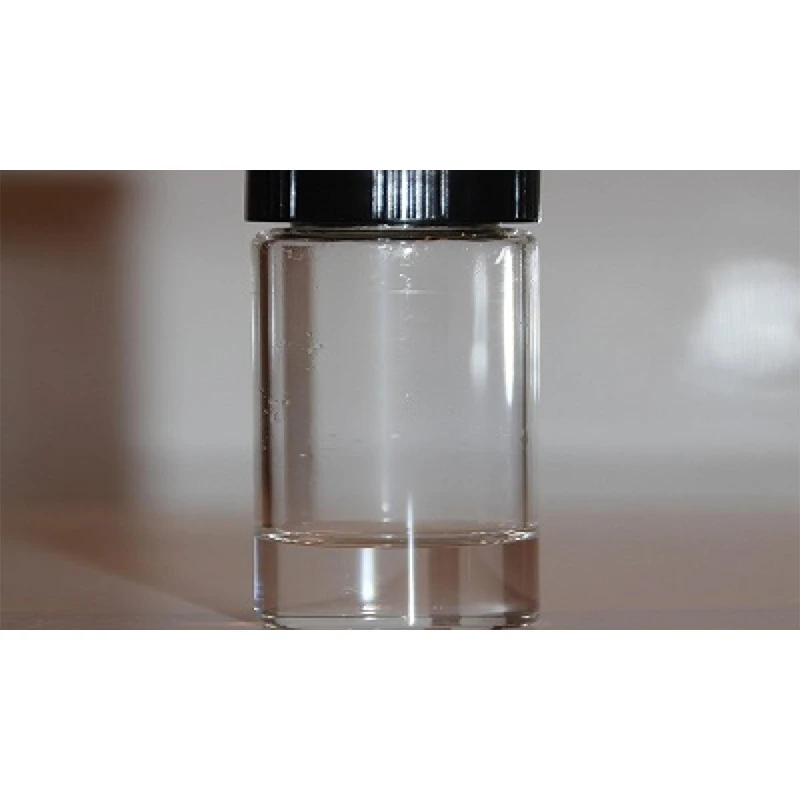
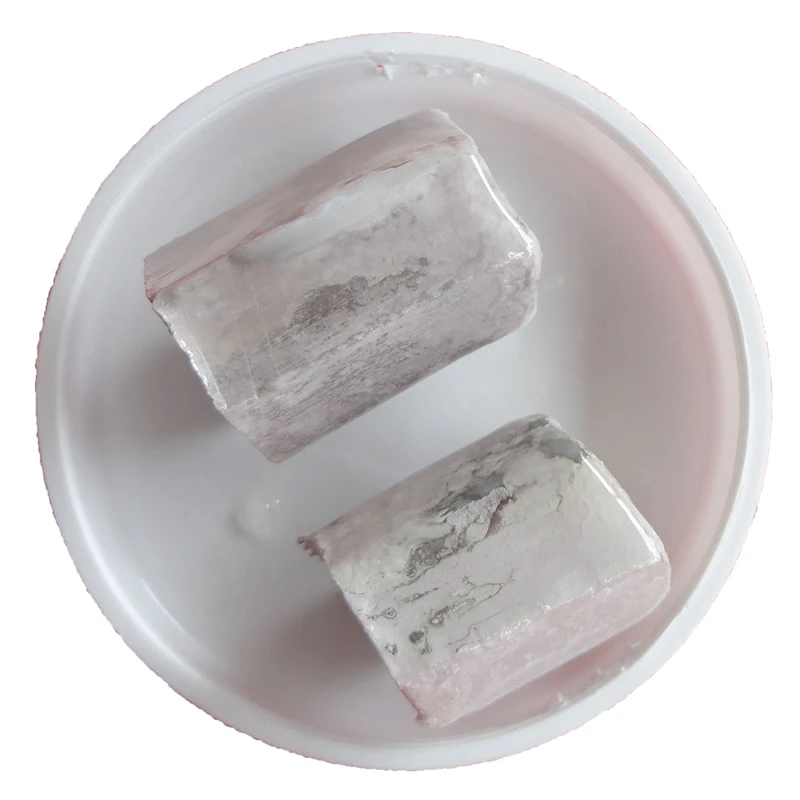
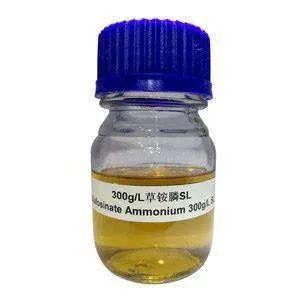
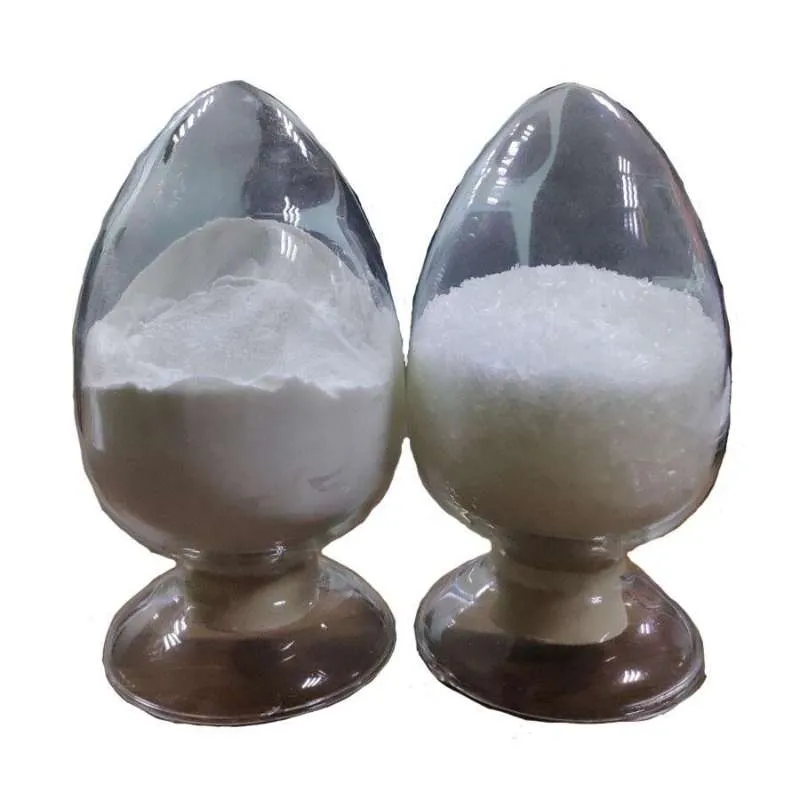
| Appearance | Clear to slightly hazy liquid (SL), off-white solid (TC), ≈ pH 4–6 for SL |
| Shelf life | ≈ 2 years sealed, ambient storage; real-world use may vary |
| Testing references | FAO/WHO specifications; CIPAC methods for SL quality (e.g., density, pH, stability), OECD phys-chem where applicable |
| Certifications (typical) | ISO 9001 QMS; ISO 14001 EMS; local registrations (EPA/EU/ICAMA regionally) |
Where it fits (and why growers keep it)
- Row crops with tolerant traits (e.g., Liberty-link type programs) for rotation and resistance stewardship.
- Orchards, vineyards, plantations: directed ground sprays under canopy to keep aisles clean.
- Non-crop areas: fence lines, rights-of-way, pre-plant burndown (label dependent).
Advantages I hear most: strong on tough annuals, useful on some perennials with repeat hits, and, notably, a different resistance profile than glyphosate. However, coverage matters—no hiding from that.
Application workflow (field-proven, label-first)
- Planning: weed spectrum ID, growth stage, weather window (bright light helps efficacy).
- Water and adjuvant check: clean water, verify hardness; only approved adjuvants.
- Tank mixing: jar test compatibility; follow label sequences; continuous agitation.
- Spray parameters: fine–medium droplets; ensure thorough coverage; avoid drift.
- Post-application: observe re-entry intervals and pre-harvest intervals as registered.
- Record-keeping: rates, lot numbers, field maps—auditors love this, and so do future you.
Vendor landscape and customization
| Vendor | MOQ | Lead time | Certs | Customization |
|---|---|---|---|---|
| DFC (Origin: Room 511, Zelong Building, No.195 Guanghua Road, Shijiazhuang, China 050000) | ≈ 1–5 MT | 3–5 weeks typical | ISO 9001/14001; ICAMA | Formulation grade, packaging, label languages, OEM |
| Multinational brand | By country | Stock-based | Global portfolio | Limited; branded SKUs |
| Local distributor | Small lots | Immediate–2 weeks | Local licenses | Packaging size only |
Customization that’s asked for lately: SL concentration tweaks (e.g., 150 vs 200 g/L), anti-foam profile, winter stability, and bilingual labeling. To be honest, label readability is an underrated compliance win.
Real-world outcomes (quick case notes)
Orchard, Central Chile: Directed sprays under apple canopy, spring + mid-summer. Reported cleaner aisles with less regrowth versus prior paraquat rotations; operator feedback: “predictable browning within a week.”
Soy rotation, Midwest US: Using Glufosinate Ammonium in a two-pass program reduced late-season escapes in waterhemp. Yield impact? Hard to isolate, but scout counts dropped notably. As always, your mileage will vary with timing and coverage.
Quality, safety, and compliance checkpoints
- Follow nationally approved labels and PPE guidance; check re-entry and PHI values.
- Batch QC: assay of AI content (HPLC), pH, stability, low-temp storage test, packaging integrity.
- Environmental stewardship: drift mitigation, buffer zones, resistance management rotations.
Final thought
If I had to summarize: Glufosinate-ammonium isn’t a silver bullet—and that’s precisely why it’s valuable. It plays well in integrated programs, keeps resistance managers calmer, and, when applied with care, delivers clean rows without nasty surprises.
Authoritative citations
- U.S. EPA. Glufosinate – ingredients used in pesticide products: https://www.epa.gov/ingredients-used-pesticide-products/glufosinate
- FAO/WHO Pesticide Specifications portal: https://www.fao.org/agriculture/crops/pesticides/fao-specifications/en/
- CIPAC (Collaborative International Pesticides Analytical Council): https://www.cipac.org/
- ISO 9001 Quality Management Systems overview: https://www.iso.org/iso-9001-quality-management.html
-
Understanding Different Types of Pesticides for Effective Pest ControlNewsApr.16,2026
-
Effective Vegetable Pesticides for Maximizing Crop YieldsNewsApr.09,2026
-
Comprehensive Guide to Granular Pesticide Applications and Effective Pest ManagementNewsApr.07,2026
-
Effective Natural Pesticides for Indoor Plants A Comprehensive GuideNewsApr.04,2026
-
Comprehensive Guide to Dragnet Pesticide for Effective Pest ManagementNewsMar.31,2026
-
Effective Houseplant Pesticide Solutions for a Thriving Indoor GardenNewsMar.28,2026
-
Sustainable Pest Control with Bio Pesticides for a Healthier FutureNewsMar.26,2026