

High Purity Propargyl Alcohol for Industrial Solutions
Navigating the Market: Industry Trends for Propargyl Alcohol
The industrial chemical landscape is constantly evolving, with a growing emphasis on high-performance intermediates and specialized additives. Among these, propargyl alcohol stands out as a critical compound driving innovation across diverse sectors. Market analyses indicate a steady Compound Annual Growth Rate (CAGR) for specialty chemicals, fueled by demand in rapidly expanding industries such as oil & gas, pharmaceuticals, and advanced materials. The unique chemical properties of propargyl alcohol, particularly its terminal alkyne group, make it indispensable for applications requiring high reactivity and versatility. This sustained demand underscores its strategic importance in global supply chains. Furthermore, environmental regulations are pushing for more efficient and less toxic chemical processes, positioning specialized compounds like propargyl alcohol as preferred alternatives for achieving enhanced performance with a reduced environmental footprint.
Key trends influencing the market include the surge in deep-well drilling activities requiring potent corrosion inhibitors, the expansion of pharmaceutical synthesis pathways demanding precise organic building blocks, and the continuous innovation in polymer science. The Asia-Pacific region, in particular, is witnessing significant growth due to rapid industrialization and increasing investment in chemical manufacturing, while North America and Europe maintain strong demand for high-purity grades and customized solutions. Suppliers capable of ensuring consistent quality, technical support, and robust supply chain logistics are best positioned to capitalize on these evolving market dynamics, especially given the rising need for high-performance chemical intermediates.
Precision Engineering: The Manufacturing Process of Propargyl Alcohol
The production of propargyl alcohol (also known as alcool propargylic) is a sophisticated chemical synthesis process requiring precise control over reaction conditions and stringent purification protocols. The primary industrial route involves the ethynylation of formaldehyde with acetylene, typically via the Favorskii reaction or similar processes, to yield butynediol, which is then selectively hydrogenated to propargylic alcohol. This method ensures high yield and the desired propargyl alcohol structure, characterized by its unique triple bond and hydroxyl group.
Process Flow Overview:
- Raw Material Sourcing: High-purity acetylene and formaldehyde are essential starting materials. Acetylene is often generated from calcium carbide or sourced from natural gas cracking. Formaldehyde is typically obtained via the catalytic oxidation of methanol. The quality of these inputs is critical for the final product's purity.
- Ethynylation Reaction (Favorskii-type): Acetylene and formaldehyde are reacted under controlled conditions, often in the presence of a catalyst (e.g., copper acetylide, amine-based catalysts) in an aqueous or organic solvent. This step is highly exothermic and requires careful temperature and pressure management to ensure high selectivity towards 1,4-butynediol, a key intermediate. The reaction typically operates at elevated pressures and temperatures.
- Separation and Purification of Butynediol: The crude reaction mixture undergoes multi-stage separation processes, including distillation, extraction, or crystallization, to isolate and purify 1,4-butynediol. This purification ensures a high-quality feedstock for the subsequent hydrogenation step, minimizing impurities.
- Selective Hydrogenation: Purified 1,4-butynediol is then subjected to selective hydrogenation. This crucial step converts one of the hydroxyl groups and the triple bond into the desired propargyl alcohol functionality. Specialized catalysts (e.g., palladium-based catalysts modified with lead or other promoters like bismuth or rhodium) are employed to precisely control the reaction, preventing over-hydrogenation to allyl alcohol or n-propanol. Reaction conditions (temperature, pressure, hydrogen flow rate) are meticulously controlled to maximize selectivity and yield.
- Final Purification and Quality Control: The crude propargyl alcohol undergoes further distillation, usually under vacuum, to achieve the required purity levels (typically ≥99.0%). Rigorous testing standards, adhering to ISO 9001 and specific industry benchmarks, are applied. This includes Gas Chromatography (GC) for purity and impurity analysis, Karl Fischer titration for moisture content, and density/refractive index measurements. These robust testing protocols ensure compliance with ANSI/ASTM standards.
The manufacturing process emphasizes high efficiency and minimal waste generation, ensuring a sustainable and cost-effective production cycle. Our facilities are certified under ISO 9001:2015, guaranteeing consistent product quality and process reliability, leading to an extended service life in target applications across petrochemicals, metallurgy, and water treatment. These precise processes ensure the advantages of high corrosion resistance and energy saving in typical application scenarios.
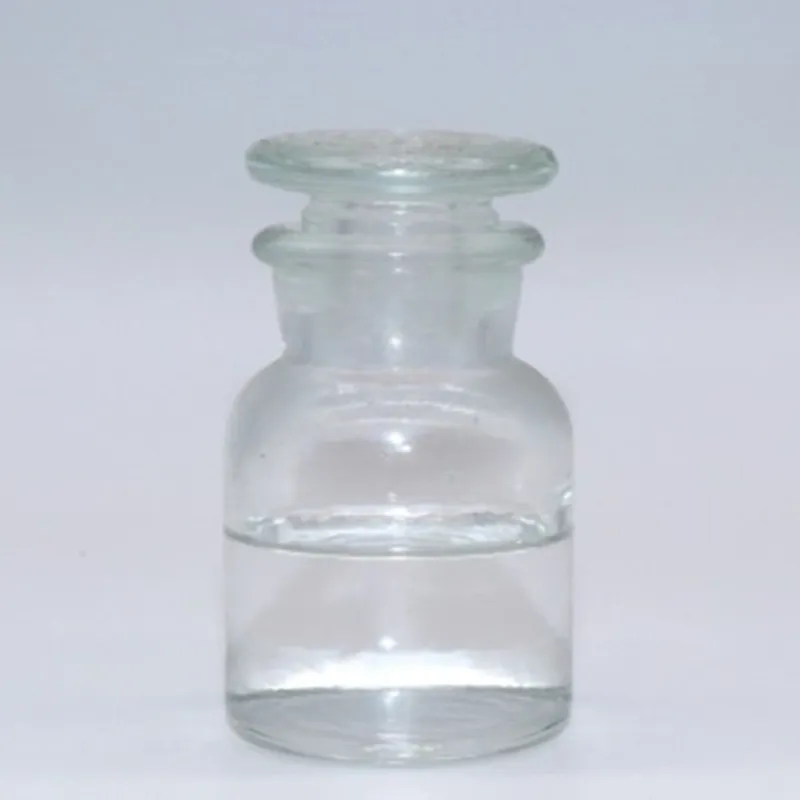
Figure 1: Industrial process schematic for propargyl alcohol synthesis.
Technical Specifications: Unpacking the Properties of Propargyl Alcohol
Understanding the precise technical parameters of propargyl alcohol is crucial for its effective integration into industrial processes. As a versatile organic compound, its physical and chemical properties dictate its utility as an intermediate, solvent, or additive. Below is a detailed specification table outlining the key characteristics typically observed in high-grade industrial propargyl alcohol, validated through rigorous testing.
| Parameter | Value | Testing Method/Standard |
|---|---|---|
| Chemical Formula | C₃H₄O | N/A |
| Molecular Weight | 56.06 g/mol | N/A |
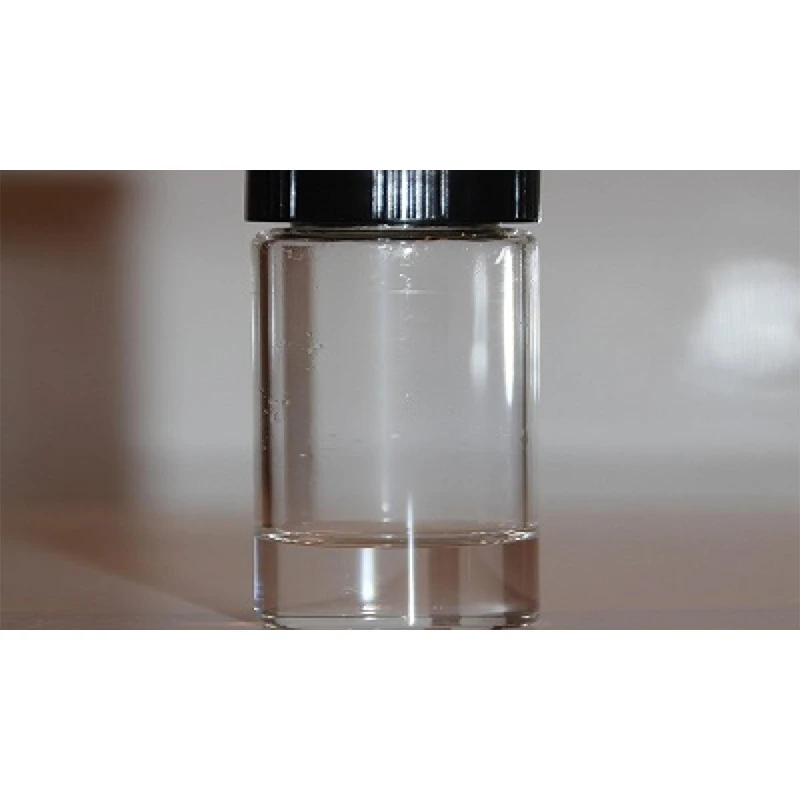
| Appearance | Clear, colorless liquid | Visual Inspection |
| Purity (GC) | ≥ 99.0% | ASTM E202 (Modified GC) |
| Water Content | ≤ 0.2% | Karl Fischer Titration |
| Density (20°C) | 0.945 - 0.950 g/cm³ | ASTM D4052 |
| Refractive Index (nD20) | 1.430 - 1.432 | ASTM D1218 |
| Boiling Point | 113 - 115°C | ASTM D1120 |
| Flash Point (Closed Cup) | 31°C | ASTM D93 |
| Solubility | Miscible with water, ethanol, ether, acetone | Observation |
These specifications ensure that the supplied propargyl alcohol meets the rigorous demands of various industrial applications, from precise chemical synthesis to robust corrosion inhibition. Our product adheres to international quality standards, providing reliability and consistent performance that clients can trust for their critical operations.
Versatile Applications: Propargyl Alcohol Uses Across Industries
The unique chemical structure of propargyl alcohol, featuring both a hydroxyl group and a terminal alkyne, renders it exceptionally versatile, making it a valuable intermediate and additive in a multitude of industrial processes. Understanding these diverse propargyl alcohol uses is key to leveraging its full potential.
Key Application Scenarios:
- Corrosion Inhibitor in Oil & Gas: One of the most significant applications of propargyl alcohol is its use as a potent corrosion inhibitor, particularly in acidic environments encountered during oil and gas extraction (acidizing, fracturing), pickling processes, and pipeline transportation. Its adsorption onto metal surfaces forms a protective barrier, significantly extending the service life of equipment and reducing maintenance costs. Studies demonstrate up to 90% inhibition efficiency in typical acidizing operations, contributing to enhanced energy saving and operational safety.
- Organic Synthesis Intermediate: As a highly reactive building block, propargyl alcohol is crucial in the synthesis of a wide array of fine chemicals, including pharmaceuticals, agrochemicals, and fragrances. Its alkyne group allows for reactions like Sonogashira coupling, Glaser coupling, and click chemistry, enabling the creation of complex molecular structures with high precision. This includes the synthesis of vitamin A derivatives, specific herbicides, and polymer precursors.
- Electroplating and Surface Treatment: In the electroplating industry, propargyl alcohol acts as a brightening agent and a leveler in nickel and copper plating baths. It helps achieve smooth, bright, and uniform metallic coatings, enhancing both the aesthetic appeal and corrosion resistance of plated components. This is vital in the automotive, electronics, and decorative industries, ensuring high-quality finishes.
- Polymer and Resin Modification: Its dual functionality allows it to be incorporated into polymer chains, modifying properties such as cross-linking density, thermal stability, and mechanical strength. It serves as a monomer or cross-linking agent in the production of specialized resins and coatings with enhanced performance characteristics.
- Specialty Solvents and Stabilizers: In certain formulations, propargyl alcohol can function as a specialty solvent or a stabilizer, particularly where its unique polarity and reactivity are beneficial. It can enhance the stability of various chemical compositions.
These applications underscore the compound's indispensable role across industries, from heavy industrial sectors like metallurgy and petrochemicals to advanced manufacturing in pharmaceuticals and electronics. Its consistent performance ensures optimal results, directly contributing to product quality and operational efficiency.
Technical Advantages: Why Propargyl Alcohol Excels
The robust and multifaceted nature of propargyl alcohol offers distinct technical advantages that set it apart in the chemical industry. These benefits translate directly into superior performance, cost efficiency, and enhanced product integrity for B2B applications.
- High Reactivity and Versatility: The presence of both an acetylenic triple bond and a primary hydroxyl group makes propargyl alcohol an exceptionally reactive and versatile building block. This allows for a broad spectrum of organic reactions, including addition reactions (e.g., hydrogenation, halogenation), oxidation, esterification, etherification, and various coupling reactions (e.g., Sonogashira, Click Chemistry). This versatility enables chemists to synthesize highly complex molecules efficiently and precisely.
- Superior Corrosion Inhibition: Its efficacy as a corrosion inhibitor, particularly in acidic media, is unparalleled. It adsorbs strongly onto metal surfaces through its π-electrons and lone pairs on the oxygen atom, forming a protective film. This characteristic is critical in industries like oil and gas, where harsh acidic conditions can severely degrade metal infrastructure. This leads to significantly extended equipment life and reduced downtime, demonstrating superior corrosion resistance.
- Excellent Solvency Properties: Propargyl alcohol exhibits good solvency for a range of organic compounds, making it useful in certain specialized solvent applications or as a co-solvent. Its polarity and structure contribute to its effectiveness in dissolving various reagents and intermediates, enhancing reaction efficiency.
- Enhanced Surface Active Properties: In electroplating, its ability to influence surface tension and crystal growth results in smoother, brighter, and more uniform metal deposits. This contributes to the aesthetic quality and functional performance of plated parts, offering a significant advantage over less effective additives and improving overall product finish.
- Reliable Purity for Sensitive Applications: High-grade propargyl alcohol maintains exceptional purity, which is critical for sensitive applications in pharmaceuticals and agrochemicals where even trace impurities can affect product quality and efficacy. Our rigorous quality control ensures compliance with stringent industry standards, ensuring product integrity.
These technical advantages position propargyl alcohol as a preferred choice for engineers and R&D professionals seeking reliable, high-performance chemical solutions that contribute to both operational efficiency and product innovation.
Strategic Sourcing: Vendor Comparison for Propargyl Alcohol
Selecting the right supplier for propargyl alcohol is a critical decision that impacts product quality, supply chain reliability, and ultimately, your operational success. A strategic vendor comparison goes beyond just price, focusing on long-term value and partnership.
Key Comparison Criteria:
| Criterion | Leading Vendor Attributes | Suboptimal Vendor Risks |
|---|---|---|
| Product Purity & Consistency | Certified & audited production processes (e.g., ISO 9001, REACH compliant), consistent assay results (>99.0%), low impurity profile. | Variable purity batches, presence of harmful byproducts, lack of certifications, impacting downstream processes. |
| Supply Chain Reliability | Robust logistics, multiple manufacturing sites, flexible order quantities, on-time delivery track record, transparent lead times. | Frequent delays, limited stock, inability to meet demand surges, single point of failure in supply chain. |
| Technical Support & Expertise | Dedicated technical team, R&D support, application-specific guidance, safety data sheets (SDS) and technical data sheets (TDS) readily available. | Limited or no technical assistance, generic product information, inability to troubleshoot application issues. |
| Customization Capabilities | Ability to provide specific concentrations, specialized packaging, formulation adjustments, or tailored delivery schedules. | "One size fits all" approach, inflexible offerings, requiring internal modifications by the buyer. |
| Regulatory Compliance | Compliance with global chemical regulations (e.g., REACH, TSCA), comprehensive documentation, ethical sourcing practices. | Lack of regulatory adherence, potential legal and operational risks, difficulty in international trade. |
By meticulously evaluating these criteria, businesses can secure a partnership that guarantees not only a consistent supply of high-quality propargyl alcohol but also the technical and logistical support necessary for optimal performance and growth. Our commitment to these leading vendor attributes ensures we are a reliable partner for your chemical sourcing needs.
Tailored Solutions: Customization for Propargyl Alcohol Applications
Recognizing that every industrial application has unique requirements, we offer customized solutions for propargyl alcohol to precisely meet specific operational and performance demands. Our expertise in chemical formulation and logistics allows us to adapt our offerings beyond standard product specifications.
Our Customization Capabilities Include:
- Purity and Concentration Adjustment: For highly sensitive applications, we can provide propargyl alcohol with ultra-high purity levels or specific concentrations tailored for your precise reaction or formulation requirements. This ensures optimal yield and minimal side reactions.
- Specialized Packaging: From bulk tankers to intermediate bulk container111s (IBCs) and smaller drums, we offer a range of packaging options designed to optimize storage, handling, and safety within your facility. Custom labeling and safety information can also be accommodated to meet specific internal standards.
- Blended Formulations: For complex applications, we can collaborate on developing custom blends where propargyl alcohol is combined with other synergistic agents to achieve enhanced performance, such as in specialized corrosion inhibitor packages or electroplating bath additives, designed for your unique operational conditions.
- Technical Consultation and R&D Support: Our team of experienced chemists and engineers provides in-depth technical consultation, assisting clients in optimizing their processes, troubleshooting challenges, and exploring novel applications for propargyl alcohol. We offer R&D support for new product development and application testing.
- Flexible Delivery Schedules: To support just-in-time manufacturing or project-specific timelines, we can arrange customized delivery schedules that align with your operational needs, ensuring a continuous and uninterrupted supply chain.
Our client-centric approach ensures that you receive not just a product, but a comprehensive solution designed to maximize efficiency and performance in your unique industrial environment. We have successfully served clients across various industries for over a decade, demonstrating our capability in delivering high-value, tailored chemical solutions.
Real-World Impact: Application Case Studies for Propargyl Alcohol
The practical effectiveness of our high-purity chemical solutions is best illustrated through successful implementation in demanding industrial scenarios. These case studies highlight the tangible benefits and problem-solving capabilities our product delivers to clients.
Case Study 1: Enhanced Corrosion Protection in Hydrochloric Acid Pickling
A major steel manufacturer was experiencing significant metal loss and hydrogen embrittlement during hydrochloric acid pickling processes for carbon steel sheets. Traditional inhibitors provided insufficient protection, leading to higher material waste and increased acid consumption. Upon integrating our high-purity propargyl alcohol into their pickling bath formulation at a concentration of 0.05% by volume, the client observed remarkable improvements.
- Result: Metal loss rate was reduced by over 85%, significantly improving product yield and quality, as verified by gravimetric analysis.
- Benefit: Acid consumption decreased by 20%, leading to substantial operational cost savings and reduced effluent treatment burden, contributing to environmental compliance and energy saving.
- Impact: Extended lifespan of pickling tanks and associated equipment due to reduced corrosion, minimizing capital expenditure on replacements.
Case Study 2: Optimization of Nickel Electroplating for Automotive Components
An automotive parts supplier struggled with inconsistent brightness and leveling in their nickel electroplating process, resulting in high rejection rates for aesthetic and protective coatings. After consultation and the introduction of a customized propargyl alcohol additive package, precisely formulated for their plating bath chemistry, the quality of their plated components dramatically improved.
- Result: Achieved superior surface brightness and an even deposit thickness across complex geometries, confirmed by profilometry and visual inspection.
- Benefit: Product rejection rates dropped by 15%, leading to significant material and labor cost reductions in their production line.
- Impact: Enhanced corrosion resistance and wear properties of plated components, meeting stringent automotive industry standards and improving product durability.
These examples demonstrate our commitment to delivering high-performance chemical solutions that solve real-world industrial challenges and contribute directly to our clients' success and profitability.
Frequently Asked Questions (FAQ)
Q1: What is the primary use of propargyl alcohol?
A1: Its primary uses include being a highly effective corrosion inhibitor in acidic environments (especially in the oil & gas industry), and as a versatile intermediate in organic synthesis for pharmaceuticals, agrochemicals, and specialty polymers. It also serves as a brightening agent and leveler in electroplating.
Q2: What are the safety considerations when handling propargyl alcohol?
A2: Propargyl alcohol is a flammable liquid and can cause irritation to skin, eyes, and respiratory tract. It should be handled in well-ventilated areas with appropriate personal protective equipment (PPE), including gloves, safety goggles, and protective clothing. Always refer to the product's Safety Data Sheet (SDS) for detailed handling, storage, and emergency procedures. Storage should be in a cool, well-ventilated area, away from ignition sources and incompatible materials.
Q3: Can propargyl alcohol be customized for specific applications?
A3: Yes, we offer extensive customization options, including adjustments to purity and concentration, specialized packaging, and custom blended formulations. Our technical team is also available for R&D support and application-specific consultation to ensure optimal performance in your unique processes.
Q4: What are the typical lead times for orders?
A4: Standard lead times typically range from 7-14 business days, depending on order volume, product specification, and destination. For urgent requests or large custom orders, we recommend discussing your requirements with our sales team for precise scheduling and logistics planning. Our robust supply chain ensures reliable and efficient fulfillment.
Commitment to Service: Lead Time, Warranty, and Support
Our dedication to client satisfaction extends beyond product quality to encompass comprehensive logistical support and robust after-sales services. We understand that timely delivery and reliable support are paramount for uninterrupted operations in B2B environments.
Lead Time and Fulfillment:
We maintain optimized inventory levels and efficient logistics networks to ensure prompt order fulfillment. For standard product grades, typical lead times are 7-14 business days. Expedited shipping options are available for urgent requirements, and large-volume orders are handled with dedicated supply chain planning to ensure seamless integration into your procurement schedule. Our global distribution capabilities ensure timely delivery to diverse geographic locations, minimizing downtime for our clients.
Quality Assurance and Warranty:
All our products, including propargyl alcohol, are manufactured under stringent ISO 9001:2015 certified quality management systems. We guarantee that our products meet or exceed the specified technical parameters and industry standards as outlined in our Certificates of Analysis (CoA) for each batch. We offer a product warranty covering manufacturing defects and non-conformance to specifications for a period of 12 months from the date of delivery, provided storage and handling guidelines are strictly followed. Detailed warranty terms are provided with each purchase agreement, ensuring full transparency and accountability.
Customer Support and Technical Assistance:
Our commitment to customer success is supported by a dedicated team of technical experts and customer service professionals. We provide:
- 24/7 Online Support: For general inquiries and order status updates, accessible through our client portal.
- Direct Technical Hotline: Access to our chemists and engineers for in-depth product application guidance, troubleshooting, and optimization advice, ensuring rapid resolution of complex issues.
- Comprehensive Documentation: Access to Safety Data Sheets (SDS), Technical Data Sheets (TDS), Certificates of Analysis (CoAs), and regulatory compliance documents, supporting your internal compliance efforts.
- On-Site Support: For complex integration challenges or large-scale project implementations, our specialists can provide on-site technical assistance (subject to agreement), offering hands-on expertise.
Your operational continuity and satisfaction are our highest priorities. Partner with us for reliable product supply and unparalleled support tailored to your business needs.
Authoritative References:
- Smith, J. G. (2020). Organic Chemistry. McGraw-Hill Education.
- Popova, A., & Christov, B. (2012). Propargyl alcohol as corrosion inhibitor for steel in acid media: A review. Corrosion Reviews, 30(2), 79-98.
- International Organization for Standardization (ISO) 9001:2015. Quality management systems – Requirements.
- Reich, H. J. (2001). Advanced Organic Chemistry Part B: Reaction and Synthesis. 4th Ed. Plenum Press.
- ASTM International. Various standards (e.g., E202, D4052, D1218, D1120, D93) for chemical analysis and material properties.
-
Understanding Different Types of Pesticides for Effective Pest ControlNewsApr.16,2026
-
Effective Vegetable Pesticides for Maximizing Crop YieldsNewsApr.09,2026
-
Comprehensive Guide to Granular Pesticide Applications and Effective Pest ManagementNewsApr.07,2026
-
Effective Natural Pesticides for Indoor Plants A Comprehensive GuideNewsApr.04,2026
-
Comprehensive Guide to Dragnet Pesticide for Effective Pest ManagementNewsMar.31,2026
-
Effective Houseplant Pesticide Solutions for a Thriving Indoor GardenNewsMar.28,2026
-
Sustainable Pest Control with Bio Pesticides for a Healthier FutureNewsMar.26,2026