

Mesotrione Herbicide: Liquid Forms and Weed Control
The agricultural industry continues to face significant challenges from resistant weed species that threaten crop productivity and profitability. The development of mesotrione herbicide addresses these critical market needs by providing effective control of broadleaf weeds and grasses through its unique mode of action. As a selective herbicide that inhibits the enzyme HPPD (4-hydroxyphenylpyruvate dioxygenase), mesotrione offers exceptional value for modern weed management programs. The emergence of liquid harvest mesotrione formulations further enhances application efficiency and effectiveness. The increasing prevalence of herbicide-resistant weed populations has created substantial demand for alternative modes of action, positioning mesotrione weed killer products as essential components in comprehensive crop protection strategies.
Key Advantages of Mesotrione Herbicide Formulations
Broad-Spectrum Weed Control: Mesotrione weed killer products demonstrate excellent efficacy against a wide range of troublesome weed species including broadleaf weeds and grasses, providing comprehensive crop protection throughout the growing season. The product's ability to control both emerged weeds and provide residual activity makes it particularly valuable in diverse agricultural systems where multiple weed species may be present simultaneously, reducing the need for multiple herbicide applications and simplifying weed management programs.
Selective Crop Safety: The unique properties of mesotrione herbicide ensure effective weed control while maintaining safety for certain crops when applied according to label recommendations and proper application guidelines. This selectivity allows for flexible application timing and reduces the risk of crop injury, making it suitable for use in sensitive cropping systems where other herbicides might cause damage or require more restrictive application windows.
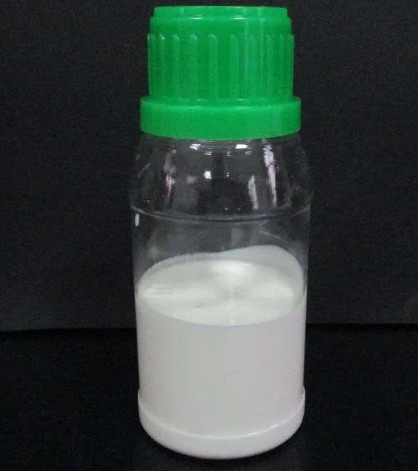
Liquid Formulation Benefits: Liquid harvest mesotrione formulations offer significant advantages in handling, mixing, and application efficiency compared to other formulation types, improving operational effectiveness. These formulations demonstrate enhanced solubility characteristics and improved tank-mix compatibility, allowing for more precise application and better coverage while reducing the potential for application issues such as nozzle clogging or uneven distribution.
Residual Activity: Mesotrione provides extended soil residual activity that controls emerging weeds over an extended period, reducing the need for multiple applications and supporting sustainable weed management practices. This extended control period helps maintain clean fields throughout critical crop growth stages, minimizing weed competition for nutrients, water, and sunlight while supporting optimal crop development and yield potential.
Resistance Management: The distinct mode of action of mesotrione weed killer products makes them valuable tools in comprehensive resistance management strategies, particularly when used in rotation or combination with other herbicide groups. By incorporating this unique mode of action into weed control programs, agricultural producers can effectively manage resistant weed populations while preserving the effectiveness of other herbicide technologies for future use.
Technical Characteristics of Mesotrione Herbicide
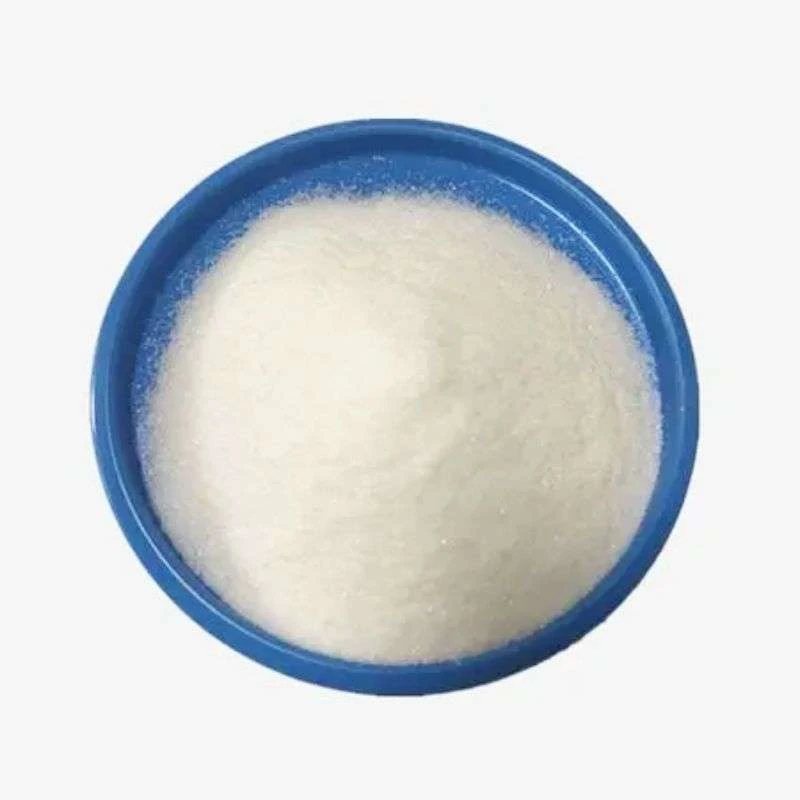
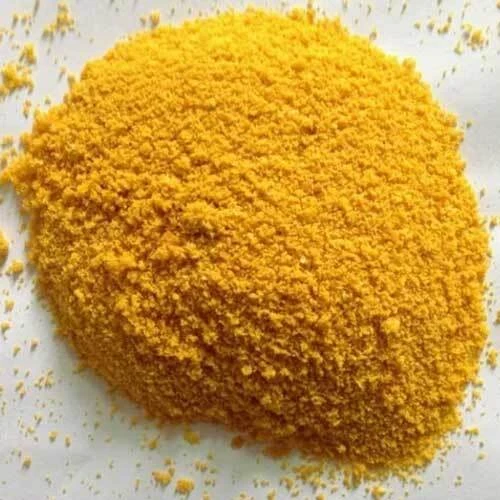
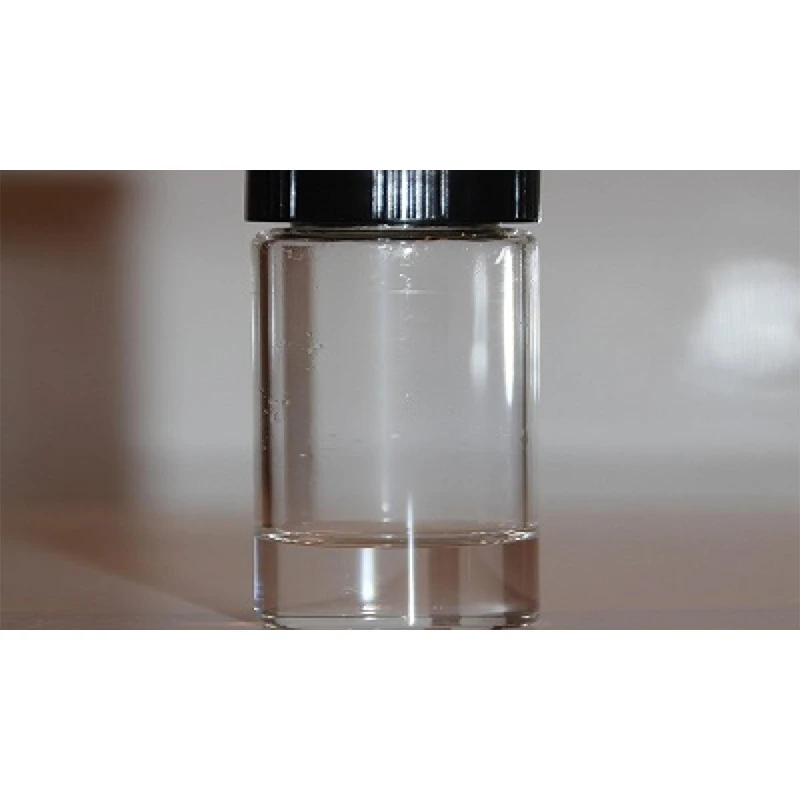
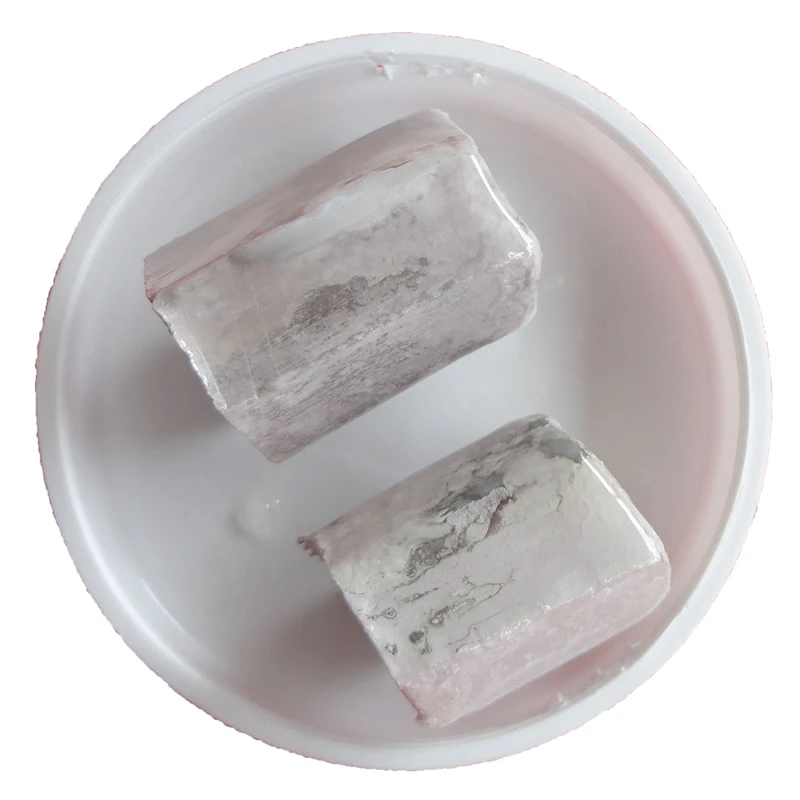
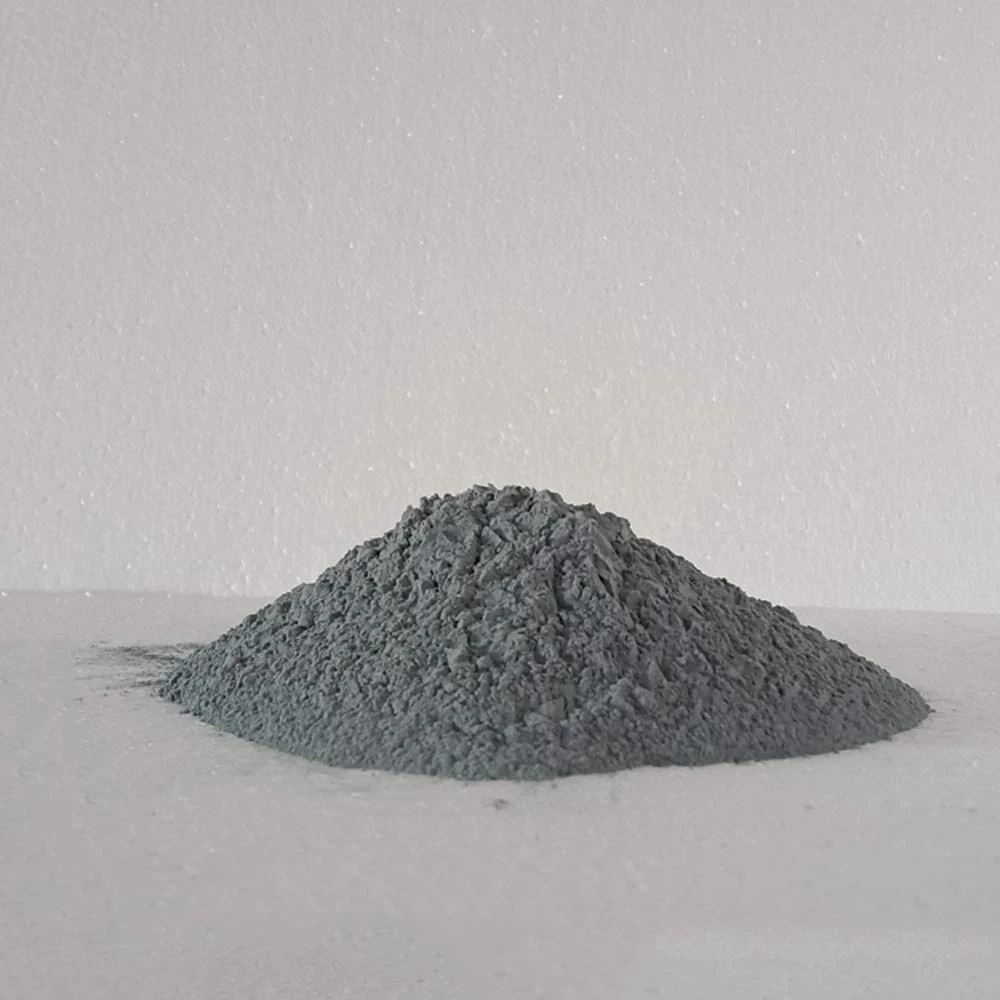
Mesotrione herbicide is developed as a light yellow opaque solid with a faint pleasant odour, featuring CAS No. 104206-82-8 and molecular formula C14H13NO7S. The compound exhibits a molecular weight of 339.32 and demonstrates specific physical properties including a melting point of 165°C and predicted boiling point of 643.3±55.0 °C. The density of 1.474±0.06 g/cm3 contributes to formulation stability. Mesotrione appears as white to off-white solid with specific storage requirements in inert atmosphere at room temperature. The solubility profile includes slight solubility in chloroform and methanol when heated, characteristics that are carefully considered in the development of liquid harvest mesotrione formulations. These technical specifications ensure that mesotrione weed killer products maintain consistent quality and performance characteristics throughout the distribution chain and field application processes. The compound's chemical stability and physical properties directly influence formulation development, application characteristics, and overall performance in field conditions, making understanding these parameters essential for proper product selection and use.
Application Methods for Mesotrione Weed Control
Mesotrione weed killer products support multiple application methods that leverage the compound's systemic activity and soil residual properties. Pre-plant incorporated applications utilize the product's soil activity to create protective zones before crop emergence. Post-emergence applications take advantage of the foliar activity for controlling established weeds. The specific formulation characteristics of mesotrione herbicide influence application parameters including water volume requirements, nozzle selection, and spray pressure optimization. Proper application timing relative to crop growth stage and weed development ensures maximum efficacy while maintaining crop safety. The physical and chemical properties of mesotrione, including its solubility characteristics and environmental stability, directly impact application timing decisions and method selection for optimal weed control results. Environmental factors such as soil moisture, temperature, and rainfall patterns must be considered when planning applications to ensure optimal product activation and performance. Additionally, equipment calibration and proper application techniques are essential for achieving uniform coverage and maximizing the effectiveness of liquid harvest mesotrione formulations in field conditions.
Implementation Guidelines for Mesotrione Herbicide Use
Successful implementation of mesotrione herbicide programs requires careful attention to specific guidelines that optimize performance while ensuring environmental responsibility. Storage conditions must maintain products in inert atmosphere at room temperature to preserve stability and efficacy throughout the distribution chain and until final use. Equipment calibration should ensure accurate application rates with particular attention to spray coverage and distribution uniformity, as improper application can affect both efficacy and crop safety. Application timing should consider both preventive and early post-emergence opportunities based on weed pressure and crop development stage, with particular attention to soil moisture conditions and weather forecasts. Environmental factors including soil moisture, temperature, and rainfall patterns must be evaluated to maximize product performance and longevity, as these conditions significantly influence herbicide activation and weed control effectiveness. Resistance management strategies should incorporate mesotrione weed killer into rotation programs with herbicides from different mode-of-action groups to preserve long-term effectiveness and prevent resistance development. Compatibility testing is recommended when tank-mixing with other products to ensure physical and biological effectiveness, as improper mixtures can reduce performance or cause application issues. These comprehensive implementation guidelines support optimal weed control while maintaining product integrity and supporting sustainable agricultural practices that meet modern production standards and environmental requirements.
FAQS on Mesotrione Herbicide: Liquid Forms and Weed Control
What are the primary benefits of using mesotrione weed killer products?
Mesotrione weed killer products provide effective control of broadleaf weeds and grasses through a unique mode of action that inhibits HPPD enzyme activity, offering both foliar and soil residual activity for comprehensive weed management. The products demonstrate excellent crop safety when used according to label recommendations and provide valuable resistance management options in comprehensive weed control programs.
How should liquid harvest mesotrione formulations be stored and handled?
Liquid harvest mesotrione formulations should be stored in appropriate containers under inert atmosphere conditions at room temperature, with proper handling procedures to maintain product stability and ensure consistent performance. Storage areas should be kept dry and protected from extreme temperature fluctuations to preserve product quality and effectiveness throughout the storage period.
What makes mesotrione herbicide suitable for resistance management programs?
Mesotrione herbicide features a distinct mode of action that differs from other herbicide groups, making it valuable for resistance management when used in properly designed rotation or mixture programs with other herbicide classes. This unique biochemical activity provides an alternative control mechanism for managing weed populations that have developed resistance to other herbicide technologies.
What application methods are most effective for mesotrione weed control?
Mesotrione weed control is most effective when applied as pre-emergence or early post-emergence treatments, with application timing and method selection based on target weed species, crop type, and environmental conditions. The development of liquid harvest mesotrione formulations enhances application flexibility and allows for various delivery methods to suit different farming systems and operational requirements.
How do the chemical properties of mesotrione influence its performance characteristics?
The chemical properties of mesotrione including its molecular structure, solubility characteristics, and environmental stability directly influence its absorption, translocation, and persistence in plants and soil, affecting application timing and method selection decisions. These properties determine how the herbicide interacts with target weeds and the environment, ultimately influencing overall effectiveness and performance in field conditions.
The strategic application of mesotrione in modern weed management programs represents a significant advancement in agricultural herbicide technology. The development of liquid harvest mesotrione formulations enhances application efficiency and effectiveness, while the unique mode of action provides valuable tools for resistance management. By understanding the specific characteristics and implementation requirements of mesotrione herbicide products, distributors can effectively support agricultural producers in achieving optimal weed control results. The continued appropriate use of mesotrione weed killer products contributes to sustainable crop production practices while addressing the evolving challenges of weed management in contemporary agriculture. The product's combination of effective weed control, crop safety, and resistance management capabilities makes it an essential component of modern integrated weed management programs, supporting agricultural productivity and sustainability goals.
-
Understanding Different Types of Pesticides for Effective Pest ControlNewsApr.16,2026
-
Effective Vegetable Pesticides for Maximizing Crop YieldsNewsApr.09,2026
-
Comprehensive Guide to Granular Pesticide Applications and Effective Pest ManagementNewsApr.07,2026
-
Effective Natural Pesticides for Indoor Plants A Comprehensive GuideNewsApr.04,2026
-
Comprehensive Guide to Dragnet Pesticide for Effective Pest ManagementNewsMar.31,2026
-
Effective Houseplant Pesticide Solutions for a Thriving Indoor GardenNewsMar.28,2026
-
Sustainable Pest Control with Bio Pesticides for a Healthier FutureNewsMar.26,2026