

Propargyl Alcohol | High Purity, Reliable Supply
Propargyl alcohol: the small molecule that punches above its weight
In specialty chemicals, a few grams can change a process. That’s why Propargyl Alcohol keeps cropping up in conversations with formulators and plant engineers. To be honest, it’s a modest-looking liquid—yet in corrosion control packages and as a reactive intermediate, it regularly outperforms its category.
What it is and why it matters
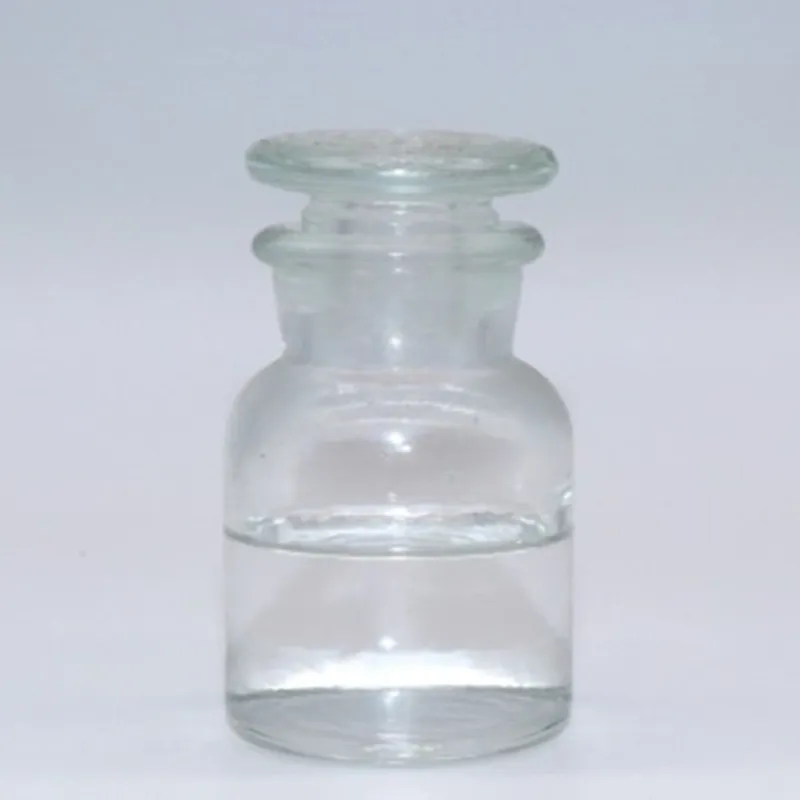
Propargyl Alcohol (CAS 107-19-7) is an acetylenic alcohol with two “reactive sides”: the terminal alkyne and the hydroxyl. That duality is why it’s popular in synthesis (pharma, agro, fine chems) and as a corrosion inhibitor component in industrial and professional systems—cooling-water blends, oilfield packages, metalworking fluids. Many customers say it “does a lot with a little,” which, in my experience, is accurate when purity and water are tightly controlled.
Industry trend snapshot
- Shift to multi-functional additives: Propargyl Alcohol provides film reinforcement and cathodic suppression in low-dose programs.
- Cleaner synthesis routes: demand for high-assay, low-water, peroxide-controlled lots for reproducible catalysis.
- Compliance-first procurement: REACH, ISO 9001/14001, and transparent impurity profiles are now table stakes.
Product specifications (typical)
| Chemical name | Propargyl Alcohol |
| Formula / MW | C3H4O / 56.06 g·mol−1 |
| Assay (GC) | ≥ 99.0% (typical 99.5%) |
| Water (KF) | ≤ 0.20% |
| Boiling point | ≈114–116 °C |
| Density (20 °C) | ≈0.97 g/mL |
| Flash point (CC) | ≈36 °C |
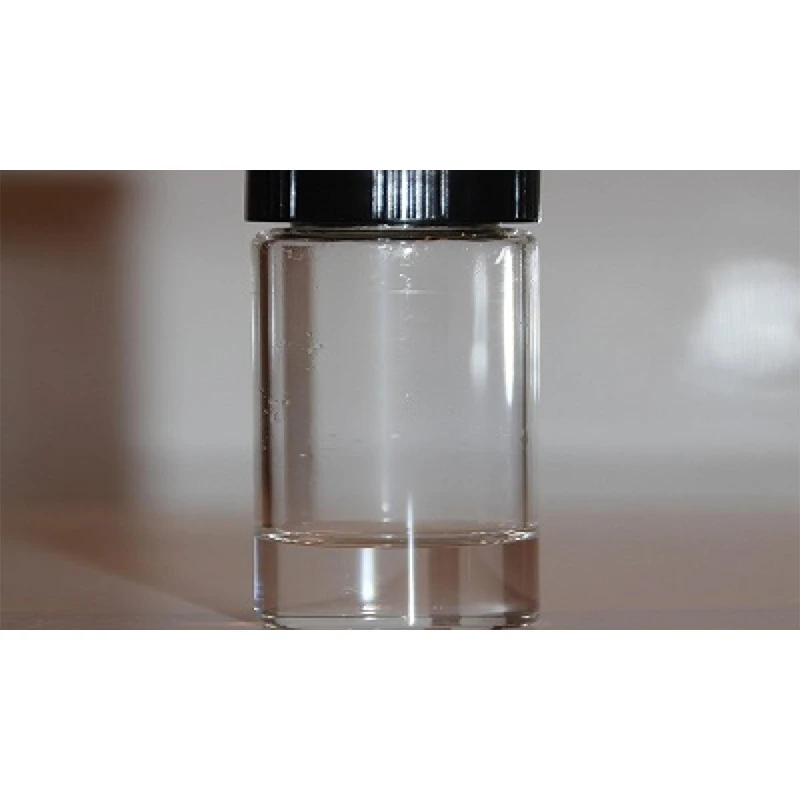
| Appearance | Clear, colorless liquid |
| Stabilization | Peroxide control; MEHQ ≈100 ppm available on request |
How it’s made (process flow, simplified)
Materials: acetylene, formaldehyde solution; copper-based catalyst. Method: Reppe-type addition of acetylene to formaldehyde under controlled temperature/pressure, forming a propargyl/allyl alcohol mixture; followed by phase separation, fractional distillation, polishing (peroxide management), and final QC. Testing: GC assay/impurities (ISO/IEC 17025), water by Karl Fischer (ASTM E1064), density (ASTM D4052), flash point (ASTM D93), color APHA (ASTM D1209). Shelf life: ≈24 months in closed drums, nitrogen-blanketed, 5–30 °C, away from ignition sources.
Applications and advantages
- Corrosion inhibitor component: improves film persistence in brines and hard waters; lab coupons often show 30–50% lower mass loss vs. base blends (real-world use may vary).
- Synthesis intermediate: click/alkyne chemistry, propargylated APIs and agro actives, plating bath modifiers, specialty surfactants.
- Process flexibility: the terminal alkyne enables selective additions; the OH offers straightforward derivatization.
Real-world mini case
A North Asia cooling-tower operator swapped 0.5% of their package for Propargyl Alcohol. Their ASTM G31 loop test showed ≈41% less carbon steel weight loss at 35 °C within four weeks. Operators reported “cleaner start-up” and fewer pH adjustments. Not magic—just tighter control of film formation and oxygen undercutting.
Vendor comparison (indicative)
| Vendor | Assay | Water | Packaging | Certs | Lead time |
| DFChem (Shijiazhuang, China) | ≥99.0% | ≤0.20% | 190 kg drums; 20 kg cans | ISO 9001/14001, REACH-ready | 2–4 weeks |
| EU Supplier A | ≥98.5% | ≤0.30% | IBC; drums | ISO 9001 | Stock/Just-in-time |
| US Supplier B | ≥99.0% | ≤0.25% | Drums | ISO 9001, NSF non-food claims | 3–6 weeks |
Customization and QA
Custom specs available: ultra-low water (≤0.05%), tailored inhibitor level, peroxide spec, and drum nitrogen blanketing. Testing against ASTM D4052/D93/E1064 and GC methods; CoAs and SDS supplied. Origin: Room 511, Zelong Building, No.195 Guanghua Road, Shijiazhuang, China 050000.
Safety and handling (quick notes)
- Flammable liquid; handle per GHS/OSHA guidance; avoid ignition sources.
- Use peroxide inhibitors as specified; monitor storage stability.
- PPE: gloves, goggles; local exhaust in synthesis bays.
Customer feedback includes statements like “consistent GC profile” and “less downtime on metering pumps.” It seems the small operational wins add up.
References
- PubChem, Propargyl alcohol (CID 10427).
- ECHA, 2-propyn-1-ol REACH registration dossier.
- NIOSH Pocket Guide to Chemical Hazards: Propargyl alcohol.
- ASTM D4052: Density of liquids by oscillating U-tube.
- ASTM G31: Laboratory corrosion testing of metals by immersion.
-
Understanding Different Types of Pesticides for Effective Pest ControlNewsApr.16,2026
-
Effective Vegetable Pesticides for Maximizing Crop YieldsNewsApr.09,2026
-
Comprehensive Guide to Granular Pesticide Applications and Effective Pest ManagementNewsApr.07,2026
-
Effective Natural Pesticides for Indoor Plants A Comprehensive GuideNewsApr.04,2026
-
Comprehensive Guide to Dragnet Pesticide for Effective Pest ManagementNewsMar.31,2026
-
Effective Houseplant Pesticide Solutions for a Thriving Indoor GardenNewsMar.28,2026
-
Sustainable Pest Control with Bio Pesticides for a Healthier FutureNewsMar.26,2026