

Prothioconazole Fungicide: Broad-Spectrum Crop Defense
Understanding Prothioconazole: A Core Active Ingredient in Modern Agriculture
In the dynamic landscape of agricultural crop protection, the efficacy and reliability of fungicides are paramount for ensuring global food security and farmer profitability. Among the leading active ingredients, prothioconazole stands out as a highly effective triazole fungicide, widely recognized for its broad-spectrum disease control and systemic action. Developed to combat a wide array of fungal pathogens, it has become a cornerstone in integrated pest management (IPM) strategies for numerous crops worldwide. Its advanced chemical structure confers superior preventative and curative properties, offering robust protection against yield-robbing diseases.
This comprehensive overview delves into the technical intricacies, application methodologies, and strategic importance of prothioconazole in contemporary crop science. We will explore its manufacturing process, detailed technical specifications, diverse application scenarios, and the profound technical advantages it brings to agricultural operations. Furthermore, we will analyze industry trends, compare leading vendor offerings, discuss tailored solutions, and present compelling application case studies, providing a holistic perspective for B2B decision-makers and agricultural engineers.
The Manufacturing Process of Prothioconazole
The synthesis of prothioconazole is a sophisticated multi-step chemical process, indicative of advanced organic chemistry and stringent quality control. The manufacturing journey ensures the production of a high-purity active ingredient, critical for its effectiveness as a prothioconazole fungicide.
Step 1: Raw Material Sourcing & Pre-treatment
Key precursors such as substituted propanones and triazole derivatives are sourced from certified suppliers. These materials undergo rigorous purity checks (e.g., GC-MS, HPLC) to ensure compliance with internal specifications, minimizing impurities that could compromise the final product's quality. This foundational stage is critical for the integrity of the active ingredient.
Step 2: Key Reaction & Intermediate Synthesis
The synthesis typically involves several carefully controlled reactions, often including cyclization, halogenation, and amidation steps to form specific chemical bonds. These reactions are performed under precise temperature, pressure, and catalyst conditions, monitored by advanced analytical techniques, to achieve high yields and selectivity for desired intermediates. State-of-the-art reactor systems are utilized for optimal control and safety.
Step 3: Purification and Isolation
Post-reaction, the crude product undergoes multi-stage purification. This often involves solvent extraction, distillation, and crystallization to meticulously remove unreacted starting materials, byproducts, and catalyst residues. The primary objective is to achieve an active ingredient purity typically exceeding 97-98%, ensuring maximum biological efficacy.
Step 4: Formulation & Quality Control
The purified active ingredient is then formulated into commercial products (e.g., Suspension Concentrates (SC), Emulsifiable Concentrates (EC)) by blending with inert carriers, surfactants, and other adjuvants. Every batch undergoes comprehensive quality control testing against international standards (e.g., FAO, ISO 9001) for purity, stability, and physical properties. This guarantees product consistency.
Testing Standards & Service Life
Products are rigorously tested according to CIPAC (Collaborative International Pesticides Analytical Council) methods for active ingredient content, emulsion stability, suspensibility, and pH. The stability and efficacy of formulated prothioconazole products are designed for a typical shelf life of 2-3 years when stored under recommended conditions, ensuring consistent performance throughout its intended service life for growers. This meticulous testing provides reliable performance data.
Target Industries and Application Advantages
The primary target industry for this advanced active ingredient is agriculture and agrochemicals. Within this sector, its advantages are profound, contributing significantly to modern crop management strategies:
- Broad-Spectrum Disease Control: Effective against a wide range of fungal pathogens, including rusts, powdery mildew, Rhynchosporium, Septoria, and Fusarium head blight in cereals, as well as various diseases in oilseed rape, corn, soybeans, and specialty crops.
- Systemic and Translaminar Activity: Once absorbed by the plant, it is translocated throughout the foliage, providing comprehensive protection to new growth and ensuring coverage even on hard-to-reach parts of the plant, enhancing efficacy.
- Preventative and Curative Action: Offers both protective benefits when applied before infection and curative action by stopping fungal development after infection has initiated, providing a flexible application window for growers.
- Yield Enhancement: By effectively controlling devastating diseases, the compound significantly reduces crop losses, leading to higher yields and improved grain quality. For example, field studies frequently demonstrate yield benefits of 5-15% in cereals under moderate to high disease pressure.
- Resistance Management: As a triazole (DMI) fungicide, its specific mode of action, Ergosterol Biosynthesis Inhibition, makes it a critical tool in rotation with other fungicide classes. This strategy helps to manage and delay the development of fungicide resistance in pathogen populations.
Technical Specifications and Industry Standards
The effectiveness of any agricultural input is underpinned by its precise technical specifications and adherence to rigorous industry standards. Prothioconazole is no exception, with its chemical and physical properties optimized for superior field performance and regulatory compliance.

Figure 1: High-purity prothioconazole active ingredient being inspected during production.
Prothioconazole Technical Specifications (Active Ingredient)
| Parameter | Specification |
|---|---|
| Chemical Name | (RS)-2-[2-(1-chlorocyclopropyl)-3-(2-chlorophenyl)-2-hydroxypropyl]-2,4-dihydro-3H-1,2,4-triazole-3-thione |
| CAS Number | 178928-70-6 |
| Molecular Formula | C14H15Cl2N3OS |
| Molecular Weight | 344.26 g/mol |
| Purity (HPLC) | ≥ 97.0% (typical 98.0% min) |
| Appearance | White to light yellow crystalline powder |
| Melting Point | 104.9 – 107.5 °C |
| Solubility in Water | 0.003 g/L at 20°C (very low solubility, requiring advanced formulation) |
| Mode of Action | Ergosterol Biosynthesis Inhibitor (EBI), Group 3 (FRAC Code) |
| Acute Oral Toxicity (LD50 Rat) | >6000 mg/kg (indicating low acute toxicity) |
These specifications ensure that the active ingredient meets stringent requirements for formulation stability, biological efficacy, and environmental safety. The low water solubility necessitates advanced formulation techniques to ensure optimal dispersion and uptake in agricultural applications, maximizing its fungicidal potential. Adherence to these technical parameters is a hallmark of quality and reliability in agrochemical sourcing.
Application Scenarios and Technical Advantages
The versatility of prothioconazole allows for its application across a broad spectrum of crops and disease challenges, delivering significant technical advantages to modern farming practices and contributing to higher agricultural productivity.
Key Application Scenarios:
- Cereal Crops (Wheat, Barley, Oats, Rye): Highly effective against major diseases like Septoria leaf blotch (_Zymoseptoria tritici_), yellow rust (_Puccinia striiformis_), brown rust (_Puccinia recondita_), powdery mildew (_Blumeria graminis_), and Fusarium head blight (FHB - _Fusarium graminearum_), which is critical for mycotoxin reduction and grain quality.
- Oilseed Rape (Canola): Provides robust control of Phoma stem canker (_Leptosphaeria maculans_), Sclerotinia stem rot (_Sclerotinia sclerotiorum_), and light leaf spot (_Pyrenopeziza brassicae_), all crucial for maintaining yield and oil quality.
- Corn (Maize): Targets economically significant diseases such as Northern corn leaf blight (_Exserohilum turcicum_), gray leaf spot (_Cercospora zeae-maydis_), and rusts (_Puccinia sorghi_), enhancing overall plant health and promoting optimal grain fill.
- Soybeans: Used for managing diseases like frogeye leaf spot (_Cercospora sojina_), soybean rust (_Phakopsora pachyrhizi_), and anthracnose (_Colletotrichum truncatum_), contributing to healthier plant stands and higher bean yields.
- Seed Treatment: Applied as a seed treatment to protect emerging seedlings from early-season fungal diseases such as _Fusarium_ and _Rhizoctonia_ species, improving establishment rates and promoting vigorous early plant development.
Figure 2: Advanced application of a prothioconazole fungicide formulation on cereal crops.
Technical Advantages:
- High Efficacy and Reliability: Its intrinsic fungicidal activity is exceptionally high, providing consistent and reliable disease control even under severe disease pressure. This intrinsic potency translates to superior field performance.
- Unique Triazolinthione Chemistry: The specific triazolinthione structure of the molecule offers superior systemic movement and prolonged residual activity compared to older triazoles. This results in longer protection intervals and extended control.
- Disease Resistance Management: As a Group 3 fungicide, it is a crucial component in fungicide rotation programs. Combining prothioconazole with other modes of action, such as strobilurins (e.g., prothioconazole trifloxystrobin co-formulations), significantly enhances resistance management strategies and broadens the spectrum of control.
- Flexibility in Application Timing: Effective as both a preventative and early curative treatment, it offers growers considerable flexibility in application timing, allowing them to respond effectively to disease outbreaks while also proactively protecting their crops.
- Improved Plant Health & Stress Tolerance: Beyond direct disease control, the active ingredient has been observed to elicit plant physiological benefits, such as an enhanced greening effect (stay-green), improved nutrient utilization, and increased tolerance to abiotic stresses (e.g., drought, heat), leading to overall healthier and more robust crops with greater resilience.
Industry Trends and Vendor Comparison
The agrochemical industry is constantly evolving, driven by the imperative for sustainable practices, enhanced efficacy against evolving pathogens, and advanced resistance mitigation strategies. Prothioconazole remains a key player, continually adapting to these dynamic industry trends.
Current Industry Trends:
- Focus on Multi-Mode-of-Action Products: The increasing threat of fungicide resistance has led to a greater emphasis on co-formulations that combine active ingredients with different modes of action, exemplified by prothioconazole trifloxystrobin products, which offer enhanced efficacy and broader spectrum control.
- Biologicals Integration: There is a growing interest and investment in integrating chemical fungicides with biological solutions. This approach aims for a more holistic, environmentally friendly, and sustainable strategy for disease management, reducing reliance on synthetic compounds alone.
- Precision Agriculture: Leveraging cutting-edge technologies like drones, sensors, satellite imagery, and artificial intelligence for targeted application of crop protection products. This optimizes dosage, reduces overall chemical input, and minimizes environmental impact.
- Regulatory Scrutiny: Continuous tightening of regulatory frameworks globally (e.g., EU Green Deal, EPA regulations in the US) demands robust safety profiles, extensive environmental fate data, and comprehensive efficacy data for both new and existing active ingredients. Suppliers must demonstrate strict compliance.
- Digital Agronomy & Data-Driven Decisions: The adoption of digital platforms that provide real-time data on disease pressure, weather patterns, and soil conditions to help farmers make informed decisions about when and where to apply fungicides, maximizing efficiency.
Vendor Comparison: Evaluating Prothioconazole Suppliers
When selecting a supplier for prothioconazole products, B2B clients prioritize several critical factors beyond just price, focusing on quality, reliability, and support to ensure long-term value.
| Criteria | Premium Supplier (e.g., DFC Chempest) | Standard Supplier |
|---|---|---|
| Purity of Active Ingredient | ≥ 98.0% (consistently high, batch-to-batch) | ≥ 95.0% (may have variable batches, lower consistency) |
| Formulation Quality | Optimized for stability, dispersibility, and bioavailability; incorporates advanced adjuvants for superior field performance. | Basic formulations; potential for settling, poor mixing, or reduced shelf-life. |
| Regulatory Compliance & Certifications | ISO 9001, GLP (Good Laboratory Practice) data, comprehensive regional registrations (e.g., EPA, ECHA, national bodies) with full documentation. | Basic certifications; limited regulatory support and documentation. |
| Technical Support | Dedicated team of expert agronomists and chemists, offering formulation support, application advice, and customized solutions. | Limited to standard product data sheets and general inquiries. |
| Supply Chain Reliability | Robust global logistics network, strategic buffer stock, and transparent, consistent lead times to prevent disruptions. | Potential for delays, stockouts, and inconsistent delivery schedules. |
| R&D and Innovation | Continuous investment in advanced formulations, combination products, and sustainable manufacturing processes. | Minimal R&D focus, primarily offering generic products. |
Customized Solutions and Application Case Studies
Recognizing that agricultural challenges are highly diverse and location-specific, leading suppliers offer customized prothioconazole solutions tailored to specific regional, crop, and disease pressure requirements. This bespoke approach ensures optimal performance and value for B2B partners.
Tailored Solutions:
- Formulation Adjustments: Custom concentrations of prothioconazole (e.g., higher SC for specific foliar applications, lower concentrations for seed treatments) to precisely match desired use rates and application equipment, optimizing cost-effectiveness.
- Combination Products: Developing unique co-formulations, such as prothioconazole trifloxystrobin, to address complex broad-spectrum disease complexes and enhance resistance management strategies in specific crops or challenging regions.
- Adjuvant System Optimization: Integrating specialized adjuvant systems to enhance spray retention, improve leaf penetration, and increase rainfastness, which are crucial factors for maintaining efficacy in varied environmental conditions.
- Packaging Solutions: Offering flexible packaging options, from bulk containers for large-scale agricultural operations to customized smaller packs designed for specific market segments or distribution channels.
- Integrated Disease Management Programs: Providing expert consultation and partnership to integrate prothioconazole products into comprehensive disease management programs. This involves considering local pathogen populations, crop rotation schemes, climate data, and economic thresholds for disease control.
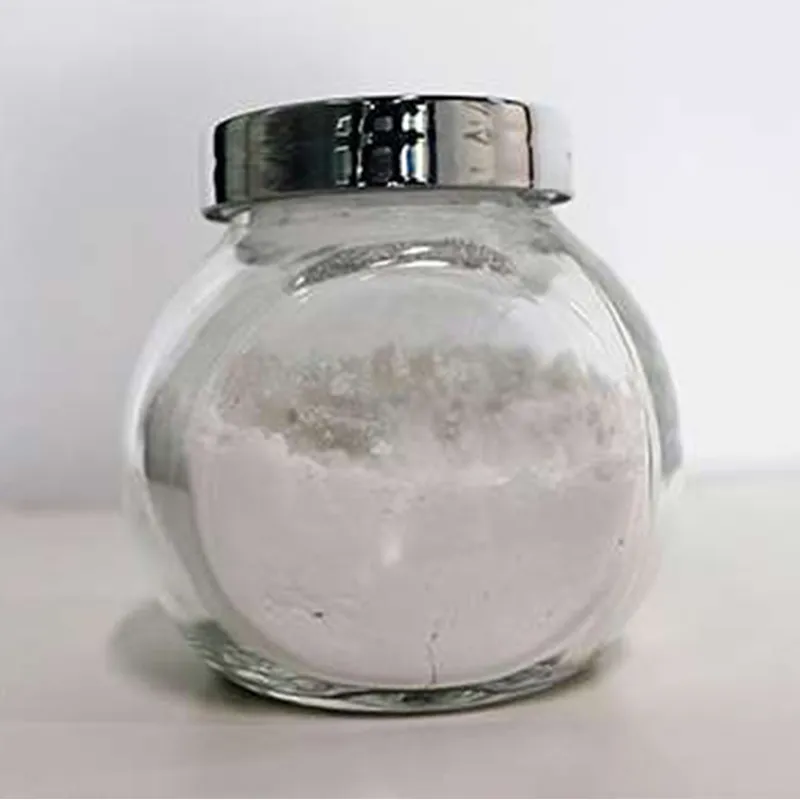
Figure 3: Advanced laboratory testing ensuring the efficacy and stability of prothioconazole products.
Real-World Application Case Studies:
Case Study 1: Enhanced Wheat Yield in European Cereals
A large agricultural cooperative in France faced persistent challenges with Septoria tritici blotch and yellow rust in their winter wheat crops, leading to significant yield losses. Implementing a fungicide program featuring a prothioconazole-based product at T1 (early stem elongation) and T2 (flag leaf emergence) timings resulted in a statistically significant average yield increase of 8.5% compared to plots treated with older generation triazoles. Furthermore, grain quality, particularly hectoliter weight, also improved by 2%, demonstrating the superior disease control and plant health benefits. This translated into an estimated €150/hectare increase in gross margin for the cooperative, highlighting the economic value of this advanced fungicide.
- Challenge: High pressure from Septoria tritici and yellow rust in winter wheat.
- Solution: Timely application of an advanced prothioconazole-based fungicide program.
- Outcome: 8.5% yield increase, 2% improvement in grain quality, estimated €150/ha increased gross margin.
Case Study 2: Managing Sclerotinia in North American Canola
A major canola grower in Saskatchewan, Canada, consistently battled Sclerotinia stem rot (_Sclerotinia sclerotiorum_), a devastating disease capable of causing severe crop losses. By adopting a program that included a single, well-timed application of a prothioconazole-based product during flowering, the grower achieved excellent disease suppression. Field trials showed a reduction in Sclerotinia incidence from 40% in untreated plots to less than 5% in treated plots. This robust protection ensured yield stability and minimized seed quality degradation, contributing to a 10% average yield advantage over previous seasons with less effective treatments, securing the grower's investment.
- Challenge: Severe Sclerotinia stem rot in canola, threatening yield.
- Solution: Single, targeted application of a prothioconazole product at flowering.
- Outcome: Disease incidence reduced from 40% to <5%, 10% average yield advantage.
Commitment to Trustworthiness: FAQ, Lead Times, and Support
Frequently Asked Questions (FAQ)
Q1: What is the primary mode of action of prothioconazole?
A1: Prothioconazole is an Ergosterol Biosynthesis Inhibitor (EBI), specifically targeting the C-14 demethylation step in the fungal sterol synthesis pathway. This disruption prevents fungal cell membrane formation, leading to fungicidal effects. It belongs to FRAC Group 3, indicating a high level of efficacy.
Q2: Can this active ingredient be used as a seed treatment?
A2: Yes, prothioconazole is highly effective as a seed treatment, offering excellent protection against early-season seed-borne and soil-borne diseases such as _Fusarium_ and _Rhizoctonia_ species. This promotes vigorous seedling establishment and improves overall crop stand.
Q3: What are the advantages of co-formulating prothioconazole with other active ingredients like trifloxystrobin?
A3: Combining prothioconazole (FRAC Group 3, DMI) with a strobilurin like trifloxystrobin (FRAC Group 11, QoI) provides a broader spectrum of disease control due to their different biochemical targets. This dual mode of action enhances overall efficacy and, crucially, supports robust resistance management, reducing the risk of resistant pathogen populations developing, ensuring long-term utility.
Q4: What environmental considerations should be taken into account when using prothioconazole-based products?
A4: While low in acute toxicity to mammals, proper stewardship is essential. Prothioconazole has low water solubility and moderate persistence in soil. Users should strictly follow all label instructions, use appropriate spray technologies to minimize drift, and observe recommended buffer zones to protect aquatic environments and non-target organisms. Environmental fate studies guide safe and responsible use.
Lead Time and Fulfillment Details
We maintain a robust and optimized supply chain to ensure timely delivery of prothioconazole and its various formulations globally. Standard lead times for bulk active ingredient orders typically range from 4-6 weeks, subject to current stock levels, specific purity requirements, and formulation complexities. For custom formulations or significantly large-volume orders, lead times may extend to 8-12 weeks, with specific timelines confirmed upon individual order placement. Our advanced logistics network and strategic warehousing ensure efficient, secure, and compliant global shipping, minimizing supply chain risks for our partners.
Warranty and After-Sales Support
Our prothioconazole products are supplied with a comprehensive warranty covering product purity, concentration, and stability as per the agreed-upon technical specifications and certificates of analysis. This commitment to quality is foundational to our partnerships. Should any issues arise regarding product performance or quality, our dedicated customer support team and highly experienced technical experts are available for prompt and effective assistance. This support includes expert troubleshooting for application challenges, providing additional technical documentation and GLP reports, and offering agronomic guidance to optimize product performance in diverse field conditions. Our commitment extends far beyond delivery, fostering long-term, successful partnerships built on trust, transparency, and mutual success.
Conclusion
Prothioconazole stands as a testament to advanced agrochemical innovation, offering unparalleled disease control and contributing significantly to sustainable and productive agriculture globally. Its robust technical profile, proven efficacy across diverse crops, and adaptability to evolving agricultural demands underscore its critical role in modern crop protection. As the agricultural sector continues to seek high-performance, reliable, and environmentally responsible solutions, prothioconazole will undoubtedly remain at the forefront, empowering farmers and agricultural enterprises to achieve optimal yields and maintain crop health in the face of persistent and emerging disease threats.
References
- Food and Agriculture Organization of the United Nations (FAO).
Manual on the Development and Use of FAO and WHO Specifications for Pesticides. Rome: FAO, 2010. - Pesticide Properties DataBase (PPDB).
Prothioconazole. University of Hertfordshire, UK. Available at: https://sitem.herts.ac.uk/aeru/ppdb/en/Reports/574.htm (Accessed: October 26, 2023) - Fungicide Resistance Action Committee (FRAC).
FRAC Code List: Fungicides sorted by mode of action. Available at: https://www.frac.info/knowledge-centre/frac-code-list (Accessed: October 26, 2023) - European Food Safety Authority (EFSA).
Conclusion on the peer review of the pesticide risk assessment of the active substance prothioconazole. EFSA Journal 2011;9(2):2060. - Paul, P. A., et al.
Meta-analysis of the effects of fungicides on wheat yield and disease control in the United States. Plant Disease 98.11 (2014): 1547-1561.
-
Understanding Different Types of Pesticides for Effective Pest ControlNewsApr.16,2026
-
Effective Vegetable Pesticides for Maximizing Crop YieldsNewsApr.09,2026
-
Comprehensive Guide to Granular Pesticide Applications and Effective Pest ManagementNewsApr.07,2026
-
Effective Natural Pesticides for Indoor Plants A Comprehensive GuideNewsApr.04,2026
-
Comprehensive Guide to Dragnet Pesticide for Effective Pest ManagementNewsMar.31,2026
-
Effective Houseplant Pesticide Solutions for a Thriving Indoor GardenNewsMar.28,2026
-
Sustainable Pest Control with Bio Pesticides for a Healthier FutureNewsMar.26,2026