

Thiamethoxam 25 – Effective Industrial Pest Management Solutions | DFC CHEMPEST
Thiamethoxam 25 is a key solution in the industry, specifically within agriculture and pest management. This article explores how https://www.hbdfchempest.com supports professionals with durable, high-performance products, and explains why this product is an ideal choice for businesses in these sectors.
Table of Contents
- Thiamethoxam 25 Overview
- Benefits & Use Cases of Thiamethoxam 25
- Cost, Maintenance & User Experience
- Sustainability & Market Trends
Thiamethoxam 25 Overview
At its core, Thiamethoxam 25 is a systemic neonicotinoid insecticide that has become a frontrunner in pest control worldwide. Specifically designed to target a broad spectrum of sucking and chewing pests, it is prized for its efficacy and reliability in crop protection. The "25" in its name refers to the percentage concentration of the active ingredient, which offers a strong balance of potency without excessive chemical load.
Technically speaking, Thiamethoxam interferes with the nicotinic acetylcholine receptors of insect nervous systems, causing paralysis and eventually death—yet it shows relatively low toxicity towards mammals, including humans. Its systemic nature means that once applied, it travels within the plant’s tissues, making pests ingest the chemical even if they don't come into direct contact with the spray.
| Specification | Details |
|---|---|
| Active Ingredient | Thiamethoxam (25%) |
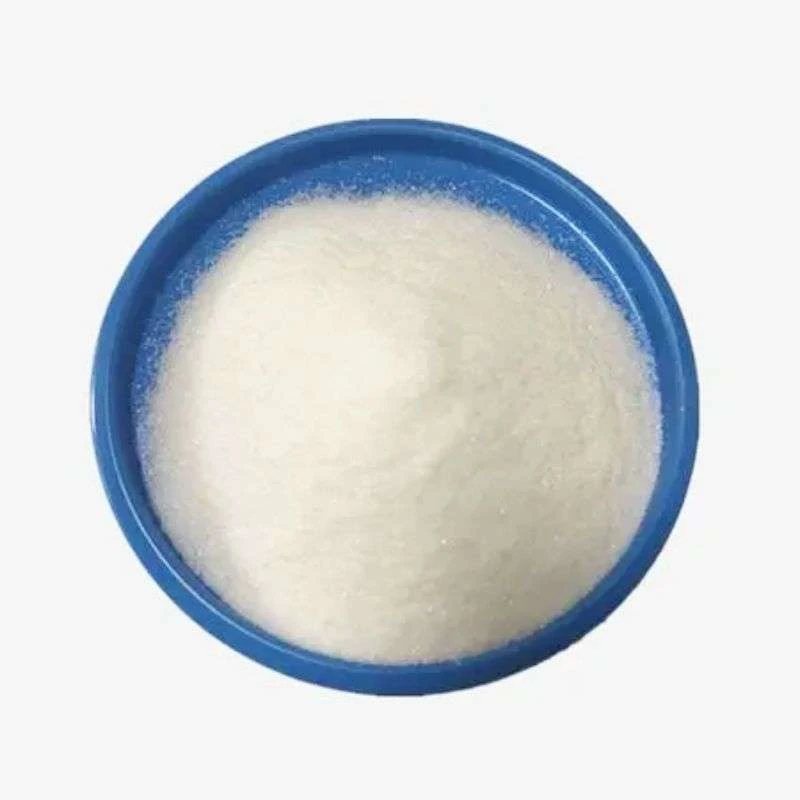
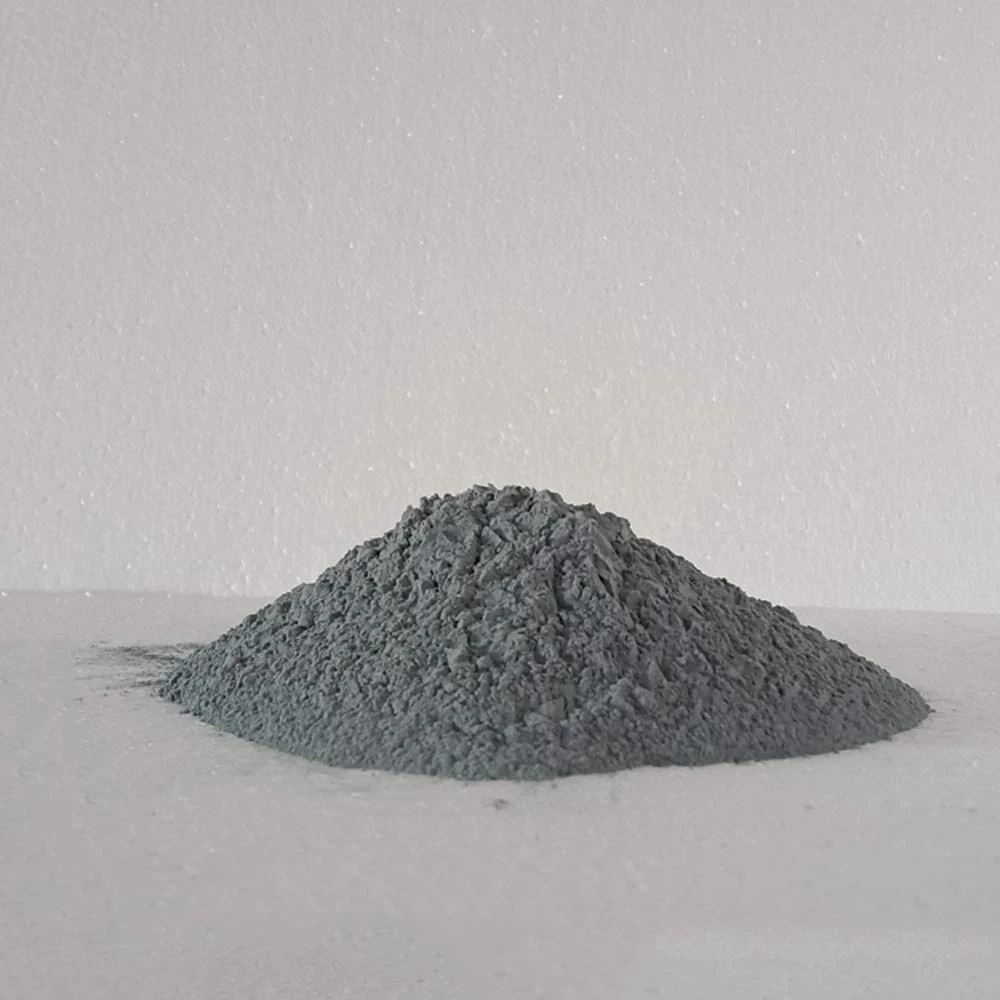
| Formulation | Water-dispersible granules (WG) |
| Mode of Action | Systemic insecticide, neurotoxin to insects |
| Target Pests | Aphids, whiteflies, thrips, leafhoppers, etc. |
| Application Methods | Seed treatment, foliar spray, soil treatment |
Benefits & Use Cases of Thiamethoxam 25
The real advantage of Thiamethoxam 25 lies in its versatility and high efficacy. Whether you’re managing large-scale agricultural operations or specialized crops, its systemic action ensures that pests are dealt with even if they avoid the direct spray residues. This leads to reduced crop damage and improved yields—something every decision-maker in farming and pest control values deeply.
Oddly enough, professionals often underline its robustness in hot and humid climates, where pest pressure can be relentless. Moreover, its compatibility with other agrochemicals makes it easy to incorporate into existing pest management programs without the headache of adverse chemical interactions.
- Used as seed treatment to protect emerging seedlings from early pest attack.
- Effective foliar spray applications during critical growth phases.
- Common in cereals, cotton, vegetables, and fruits.
Cost, Maintenance & User Experience
When it comes to the balance of cost and value, Thiamethoxam 25 often ranks favorably in total cost of ownership. While the upfront price point is competitive, the real savings come from diminished crop losses and lower frequency of treatments.
User feedback from agribusiness professionals highlights ease of handling and formulation stability as contributing factors to steady performance over seasons. Also, because of its systemic action, fewer repeat applications are needed, which reduces labor and operational costs—a nice plus for busy growers and contractors.
| Vendor | Price per kg | Formulation Options | Lead Time | Minimum Order Quantity |
|---|---|---|---|---|
| DFC CHEMPEST | $42 | 25% WG | 2 weeks | 1 ton |
| Competitor A | $45 | 20% WG | 3 weeks | 2 tons |
| Competitor B | $40 | 30% WG | 4 weeks | 3 tons |
Sustainability & Market Trends
Sustainability in agrochemicals is a hot topic these days, and frankly, it’s no surprise. Regulations are tightening globally, pushing suppliers and buyers alike to seek products that minimize environmental impact. Thiamethoxam 25 fits into this evolving landscape as its systemic mode allows reduced quantities and targeted pest management, which can lessen runoff and collateral damage to non-target insects.
The market continues to grow as demand for higher yields and integrated pest management strategies expand, especially across Asia and South America. That said, the space is competitive and demanding on suppliers to consistently improve formulations and monitoring. One can almost sense the momentum behind responsible innovation in this sector.
Frequently Asked Questions about Thiamethoxam 25
- What is Thiamethoxam 25 and how does it work?
- Thiamethoxam 25 is a systemic insecticide containing 25% Thiamethoxam as the active ingredient. It works by disrupting the nervous system of insects, effectively controlling a broad range of pests through ingestion or contact.
- What are the main benefits of using Thiamethoxam 25 in industrial applications?
- Its benefits include strong pest control efficacy, reduced application frequency, compatibility with integrated pest management, and relatively low toxicity to non-target species.
- How does Thiamethoxam 25 compare to traditional alternatives?
- Compared to older, broad-spectrum pesticides, Thiamethoxam 25 offers better selectivity, longer residual effects, and safer profiles for users and the environment.
- What industries can benefit most from Thiamethoxam 25 implementation?
- Agriculture is the primary sector benefiting; particularly growers of cereals, cotton, vegetables, and fruits use it for effective pest control and yield protection.
Conclusion on Thiamethoxam 25 from china
To wrap up, Thiamethoxam 25 stands out as a balanced, effective choice for businesses aiming to protect crops efficiently and sustainably. Its proven track record, combined with supplier support from companies like DFC CHEMPEST, makes it a solid investment for B2B decision makers. For those seeking reliable pest management solutions that align with modern agricultural and environmental standards, it’s worth a close look.
- Recap the value of Thiamethoxam 25.
- - Visit our website: https://www.hbdfchempest.com
References:
1. WHO Pesticide Evaluation Scheme
2. Crop Protection Journal, 2022
3. DFC CHEMPEST Product Data Sheet
-
Understanding Different Types of Pesticides for Effective Pest ControlNewsApr.16,2026
-
Effective Vegetable Pesticides for Maximizing Crop YieldsNewsApr.09,2026
-
Comprehensive Guide to Granular Pesticide Applications and Effective Pest ManagementNewsApr.07,2026
-
Effective Natural Pesticides for Indoor Plants A Comprehensive GuideNewsApr.04,2026
-
Comprehensive Guide to Dragnet Pesticide for Effective Pest ManagementNewsMar.31,2026
-
Effective Houseplant Pesticide Solutions for a Thriving Indoor GardenNewsMar.28,2026
-
Sustainable Pest Control with Bio Pesticides for a Healthier FutureNewsMar.26,2026