

Comprehensive Guide to Granular Pesticide Applications and Effective Pest Management
Understanding Granular Pesticide: A Comprehensive Guide
Granular pesticides are a widely used formulation in agriculture, landscaping, and pest control. They offer several advantages over liquid formulations, including targeted application, reduced drift, and extended release. This article provides an in-depth look at granular pesticides, covering their types, applications, benefits, and safety considerations. We'll explore how these formulations contribute to effective pest management and how HBDF ChemPest provides high-quality granular pesticide solutions. Choosing the right pesticide is crucial for both efficacy and environmental responsibility.
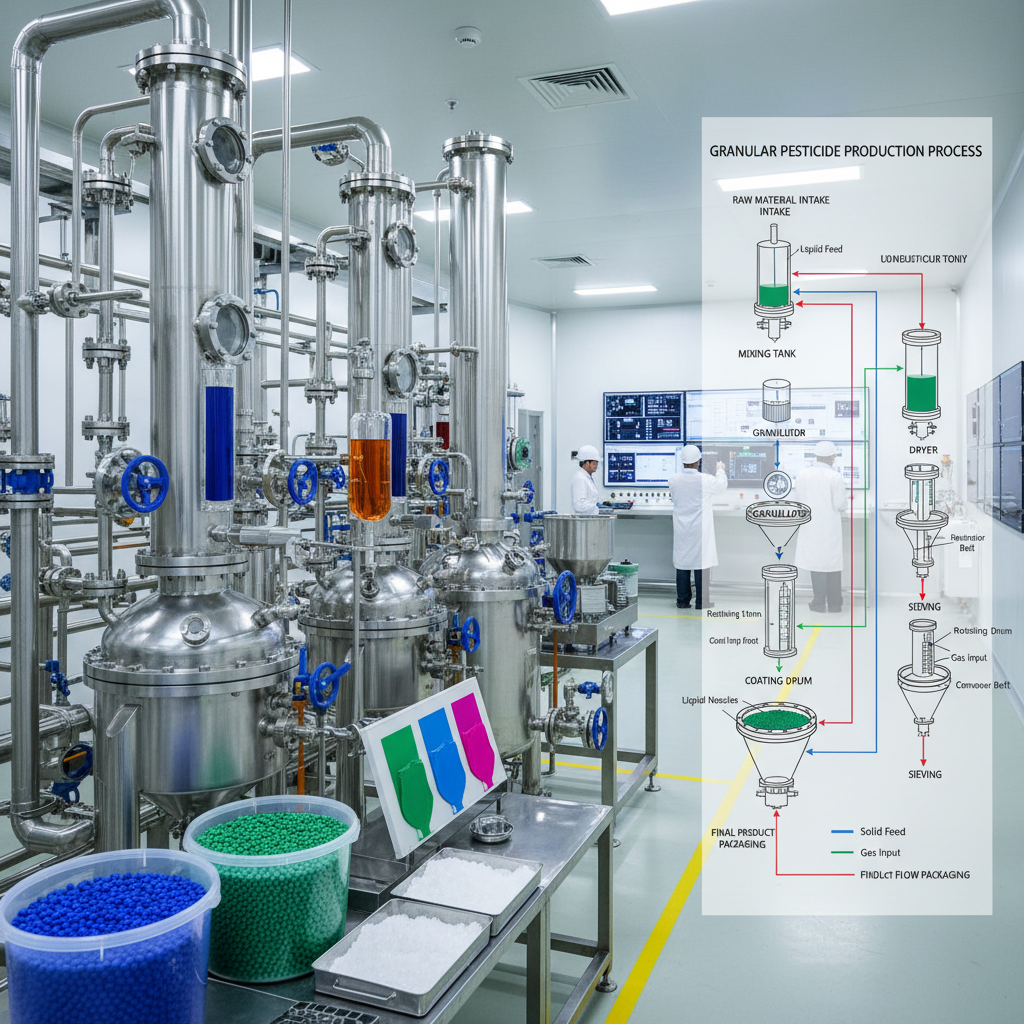
What are Granular Pesticides?
Granular pesticides consist of active ingredients deposited on a carrier material, forming small, solid particles. These carriers are typically clay, sand, or other inert substances that allow for easy dispersal and controlled release of the pesticide. The granular formulation provides several benefits. It's easier to measure and apply accurately, reducing the risk of over-application. The particles also resist being washed away by rain, providing longer-lasting pest control. They are generally safer to handle compared to concentrated liquid formulations. The slow release minimizes environmental impact and maximizes efficiency.
Key Highlights: Easier to measure, resists being washed away, safer to handle, and slow release minimizes environmental impact.
Types of Granular Pesticides
Granular pesticides are categorized based on their active ingredient and target pest. Common types include: insecticides for controlling insects, herbicides for weed control, and nematicides for managing nematodes. Within these categories, you'll find formulations tailored to specific pests and applications. Some granular pesticides are designed for broadcast application (covering large areas), while others are intended for band treatment (applying along rows of plants) or localized control. HBDF ChemPest offers a diverse range of granular pesticide types to meet diverse agricultural needs.
Granular Pesticide Types:
• Insecticides: Control insect pests
• Herbicides: Control weed growth
• Nematicides: Manage nematode infestations
Granular vs. Liquid Pesticides: A Comparison
Choosing between granular and liquid pesticides depends on the specific application and desired outcome. Granular pesticides offer advantages in terms of reduced drift, targeted application, and longer residual activity. Liquid pesticides, on the other hand, provide faster knockdown and can be more effective for systemic pests. The following table highlights a comparison between the two:
Applications of Granular Pesticides
Granular pesticides are versatile and suitable for a wide range of applications. They are commonly used in: agriculture for crop protection, turf management for lawn care and weed control, ornamental plants to control pests and diseases, and forestry for managing forest pests. Proper application techniques are essential for maximizing effectiveness and minimizing environmental impact. HBDF ChemPest offers tailored solutions for various applications.
Safety Considerations and Best Practices
When using granular pesticides, always prioritize safety. Wear appropriate personal protective equipment (PPE), including gloves, eye protection, and a respirator. Follow label instructions carefully, paying attention to application rates and precautions. Avoid applying pesticides before rain, as runoff can contaminate waterways. Store pesticides in a secure location, away from children and pets. Always dispose of empty containers responsibly. Consult with a professional for guidance on pesticide selection and application.
Conclusion: Effective Pest Management with Granular Pesticides
Granular pesticides provide an effective and targeted solution for pest control across various industries. Understanding their types, benefits, and safety considerations is crucial for successful implementation. HBDF ChemPest is committed to providing high-quality granular pesticide products and expert guidance to ensure optimal pest management and environmental responsibility.
Frequently Asked Questions (FAQs)
What is the shelf life of granular pesticides?
The shelf life of granular pesticides typically ranges from 2 to 5 years, depending on the active ingredient and formulation. It's crucial to store pesticides in a cool, dry place, away from direct sunlight and extreme temperatures. Check the product label for specific storage instructions and expiration dates. Using expired pesticides may reduce their effectiveness and potentially pose risks.
How should I calibrate my spreader when applying granular pesticides?
Calibrating your spreader ensures accurate application rates. Follow the spreader manufacturer's instructions for calibration. Typically, this involves measuring the amount of product dispensed over a known distance at a specific setting. Adjust the spreader setting until you achieve the desired application rate, as indicated on the pesticide label. Proper calibration minimizes over- or under-application.
Are granular pesticides safe for pets and wildlife?
Granular pesticides can pose risks to pets and wildlife if not used properly. Keep pets and children away from treated areas until the pesticide has dried or been incorporated into the soil. Avoid applying pesticides near water sources or areas frequented by wildlife. Choose formulations that are less toxic to non-target organisms and follow label instructions carefully. Proper application and storage are crucial for minimizing risks.
-
Understanding Different Types of Pesticides for Effective Pest ControlNewsApr.16,2026
-
Effective Vegetable Pesticides for Maximizing Crop YieldsNewsApr.09,2026
-
Effective Natural Pesticides for Indoor Plants A Comprehensive GuideNewsApr.04,2026
-
Comprehensive Guide to Dragnet Pesticide for Effective Pest ManagementNewsMar.31,2026
-
Effective Houseplant Pesticide Solutions for a Thriving Indoor GardenNewsMar.28,2026
-
Sustainable Pest Control with Bio Pesticides for a Healthier FutureNewsMar.26,2026
-
Choosing The Right Organic Pesticides For Plants For Healthy GrowthNewsMar.24,2026