

Acephate-Hebei Dongfeng|Pest Control&Systemic Insecticide
Introduction
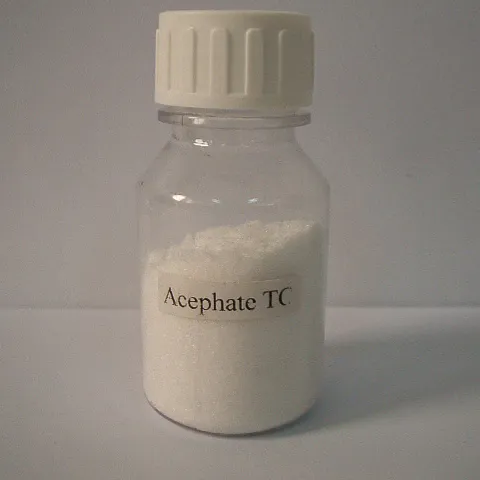
Acephate, also known as Orthene, is a widely used organophosphate foliar insecticide that has been instrumental in pest control across various agricultural sectors since the 1990s. This article delves into the technical specifications, safety profiles, applications, and company background of Acephate, providing a detailed analysis of its role in modern agriculture. For further information, visit the Acephate product page or explore the company website.
Product Overview
Acephate is a systemic and contact insecticide renowned for its effectiveness against a broad spectrum of pests, including leaf miners, caterpillars, sawflies, thrips, aphids, and other sucking and chewing insects. Its mechanism of action involves the inhibition of acetylcholinesterase (Ache), an enzyme critical to nerve signal transmission in insects. This disruption leads to paralysis and death of the targeted pests. Notably, Acephate is metabolized into methamidophos, a more active compound, which is why it is considered safe for mammals and humans when used as directed.
Key Features and Benefits
1. Broad Spectrum Efficacy
Acephate's ability to control both sucking and chewing insects makes it a versatile solution for crops such as cotton, ornamentals, forestry, tobacco, fruits, and vegetables. It is particularly effective against pests like alfalfa loopers, aphids, armyworms, and cabbage loopers.
2. Systemic and Contact Action
As a systemic insecticide, Acephate is absorbed by plant tissues, providing long-lasting protection. Its contact action ensures rapid knockdown of pests upon application. This dual mechanism reduces the need for repeated treatments, saving time and resources.
3. Environmental Compatibility
Unlike some pesticides, Acephate has a moderate persistence in the environment, breaking down into less toxic metabolites. This characteristic aligns with modern agricultural practices that prioritize sustainable pest management.
Technical Specifications
| Property | Details |
|---|---|
| Melting Point | 93°C |
| Density | 1.35 g/cm³ |
| Vapor Pressure | 2.26 × 10⁻⁴ Pa (24°C) |
| Flash Point | 2°C |
| Storage Temperature | Approx. 4°C |
| Solubility | Chloroform: Soluble; DMSO: Soluble; Water: Soluble |
| pKa | 11.00 ± 0.46 (Predicted) |
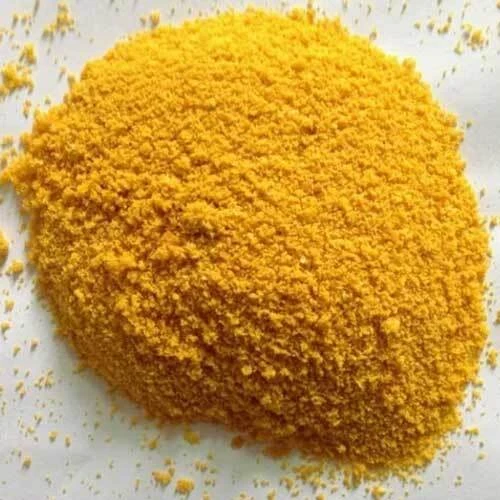
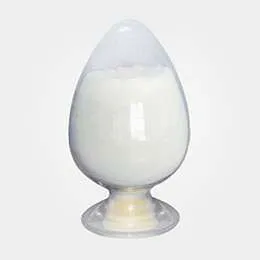
| Form | White to yellow solid |
| Water Solubility | Readily soluble |
Safety and Risk Information
Acephate is classified under the GHS07 hazard symbol, indicating Health Hazard and Flammable risks. The Signal Word "Warning" underscores the need for careful handling. Key hazard statements include H302+H312 (Harmful if swallowed or in contact with skin) and RIDADR UN1648 3/PG 2 (Flammable liquid, hazardous to the environment). The HS Code 29299040 ensures proper classification for international trade.
Applications in Agriculture
Acephate is widely used in the following sectors:
- Cotton: Control of aphids, armyworms, and bollworms.
- Ornamentals: Protection against thrips and leaf miners.
- Forestry: Management of defoliating insects.
- Vegetables: Effective against aphids and caterpillars.
- Fruits: Targeting pests like codling moths and spider mites.
For detailed application guidelines, refer to the product documentation.
Product Variants and Formulations
Hebei Dongfeng Chemical Technology Co., Ltd. offers Acephate in multiple formulations to suit diverse agricultural needs:
- 97% TC Technical Concentrate
- 75% SP Soluble Powder
- 40% EC Emulsifiable Concentrate
- 98% TC Technical Concentrate
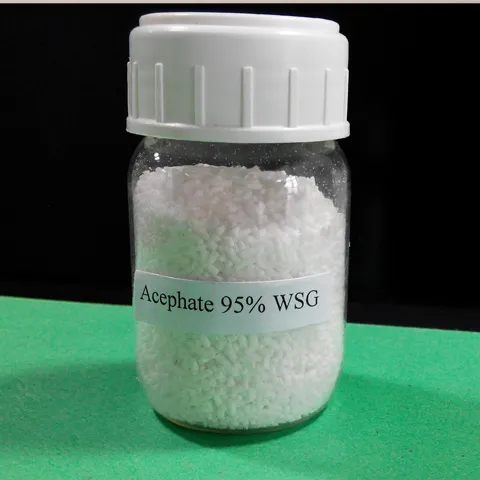
- 97% SG Soluble Granules
- 30% EC Emulsifiable Concentrate
- 97% WDG Water Dispersible Granule
Company Background: Hebei Dongfeng Chemical Technology Co., Ltd.
As a leading manufacturer of agrochemicals, Hebei Dongfeng Chemical Technology Co., Ltd. has established itself as a trusted provider of high-quality insecticides. The company's commitment to innovation and sustainability is reflected in its diverse product portfolio, which includes Acephate and other advanced pest control solutions. For more information about the company's mission and values, visit the Hebei Dongfeng website.
Industry Standards and Compliance
Hebei Dongfeng adheres to stringent quality and safety standards, ensuring that Acephate meets global regulatory requirements. The product's compliance with HS Code 29299040 and adherence to GHS guidelines highlight its alignment with international trade and environmental protection protocols. For further details on regulatory compliance, consult the National Institute of Standards and Technology (NIST) for authoritative references on chemical safety and measurement standards.
Conclusion
Acephate remains a cornerstone of modern pest management due to its efficacy, versatility, and environmental compatibility. As a product of Hebei Dongfeng Chemical Technology Co., Ltd., it exemplifies the company's dedication to innovation and quality. Whether for large-scale agricultural operations or small-scale horticulture, Acephate offers a reliable solution for controlling pests while minimizing risks to human health and the environment.
References
This article incorporates information from the National Institute of Standards and Technology (NIST), which provides authoritative guidelines on chemical safety, measurement standards, and regulatory compliance. NIST's role in advancing scientific and technological innovation ensures that products like Acephate meet the highest standards of quality and safety.
-
Understanding Different Types of Pesticides for Effective Pest ControlNewsApr.16,2026
-
Effective Vegetable Pesticides for Maximizing Crop YieldsNewsApr.09,2026
-
Comprehensive Guide to Granular Pesticide Applications and Effective Pest ManagementNewsApr.07,2026
-
Effective Natural Pesticides for Indoor Plants A Comprehensive GuideNewsApr.04,2026
-
Comprehensive Guide to Dragnet Pesticide for Effective Pest ManagementNewsMar.31,2026
-
Effective Houseplant Pesticide Solutions for a Thriving Indoor GardenNewsMar.28,2026
-
Sustainable Pest Control with Bio Pesticides for a Healthier FutureNewsMar.26,2026