The global demand for food security drives a substantial market for pesticides manufacturers. These manufacturers play a critical role in modern agriculture, providing solutions to protect crops from pests, diseases, and weeds, ultimately enhancing yields and ensuring a stable food supply. Understanding the complexities of this industry—from research and development to production, regulation, and application—is vital for farmers, policymakers, and consumers alike.
The impact of pesticides manufacturers extends beyond food production. They contribute significantly to economic growth through job creation, technological innovation, and international trade. However, the industry also faces increasing scrutiny regarding environmental sustainability and human health concerns, prompting continuous efforts to develop safer and more effective products.
A comprehensive grasp of the processes, challenges, and innovations within the realm of pesticides manufacturers is crucial for informed decision-making and promoting responsible agricultural practices worldwide. This allows for a balanced approach to maximizing agricultural output while minimizing potential risks.
The Role of pesticides manufacturers in Global Agriculture
Pesticides manufacturers are instrumental in safeguarding global food supplies. Without their products, crop losses to pests and diseases would be significantly higher, leading to food shortages and increased prices. This is particularly critical in developing countries where agricultural productivity is already challenged.
The efficacy of these manufacturers lies not only in the creation of pest control agents but also in their commitment to research and development, creating more targeted and environmentally responsible solutions. Innovation within this sector is continuously striving to balance agricultural needs with ecological preservation.
Defining pesticides manufacturers and Their Significance
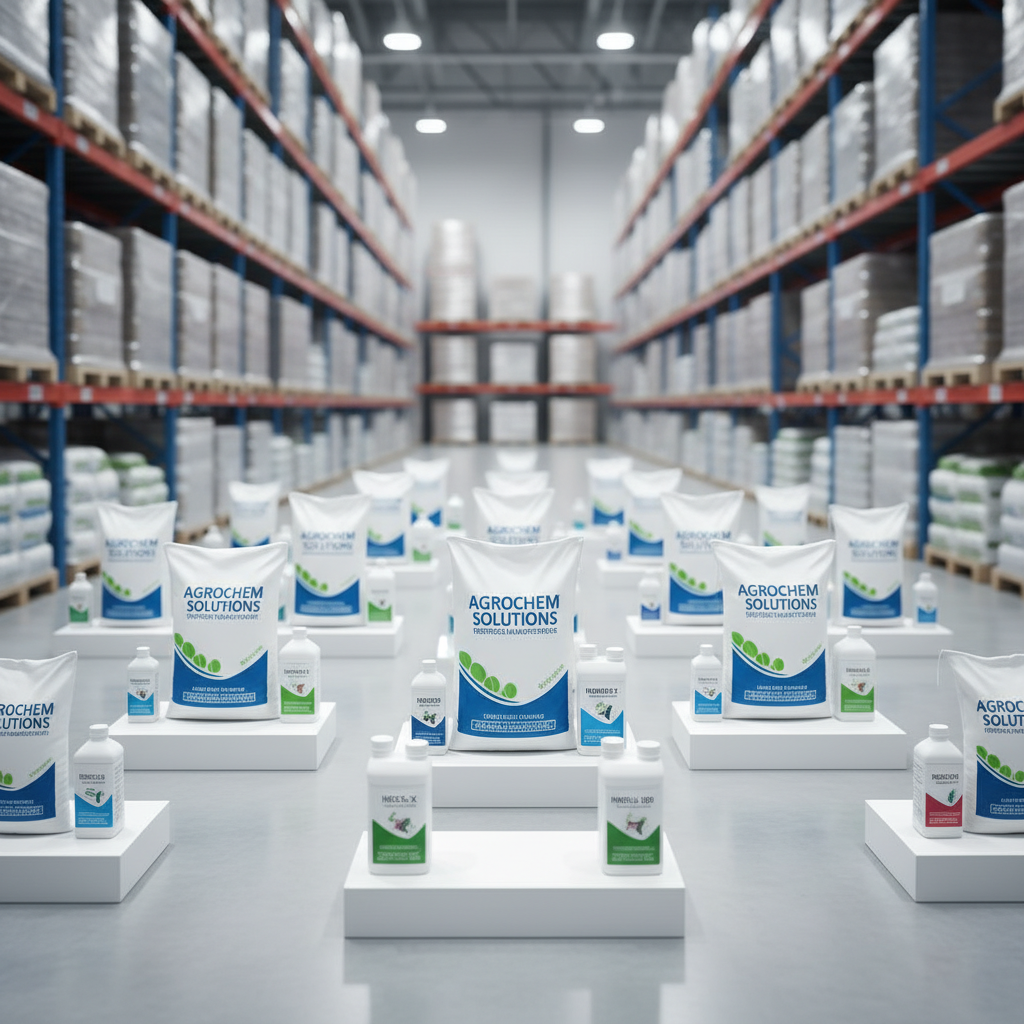
Pesticides manufacturers are companies specializing in the research, development, formulation, and production of pesticides – substances designed to prevent, destroy, repel, or mitigate any pest. This encompasses a broad range of products, including insecticides, herbicides, fungicides, and rodenticides.
Their significance stems from their ability to improve agricultural yields, protect public health by controlling disease vectors, and safeguard infrastructure from damage caused by pests. These manufacturers are a crucial link in the food chain, impacting everything from farm to table.
The role of these manufacturers extends beyond simply producing chemicals. They are increasingly involved in developing integrated pest management (IPM) strategies, offering training to farmers, and collaborating with regulatory bodies to ensure responsible pesticide use.
Core Components of Effective pesticides manufacturers
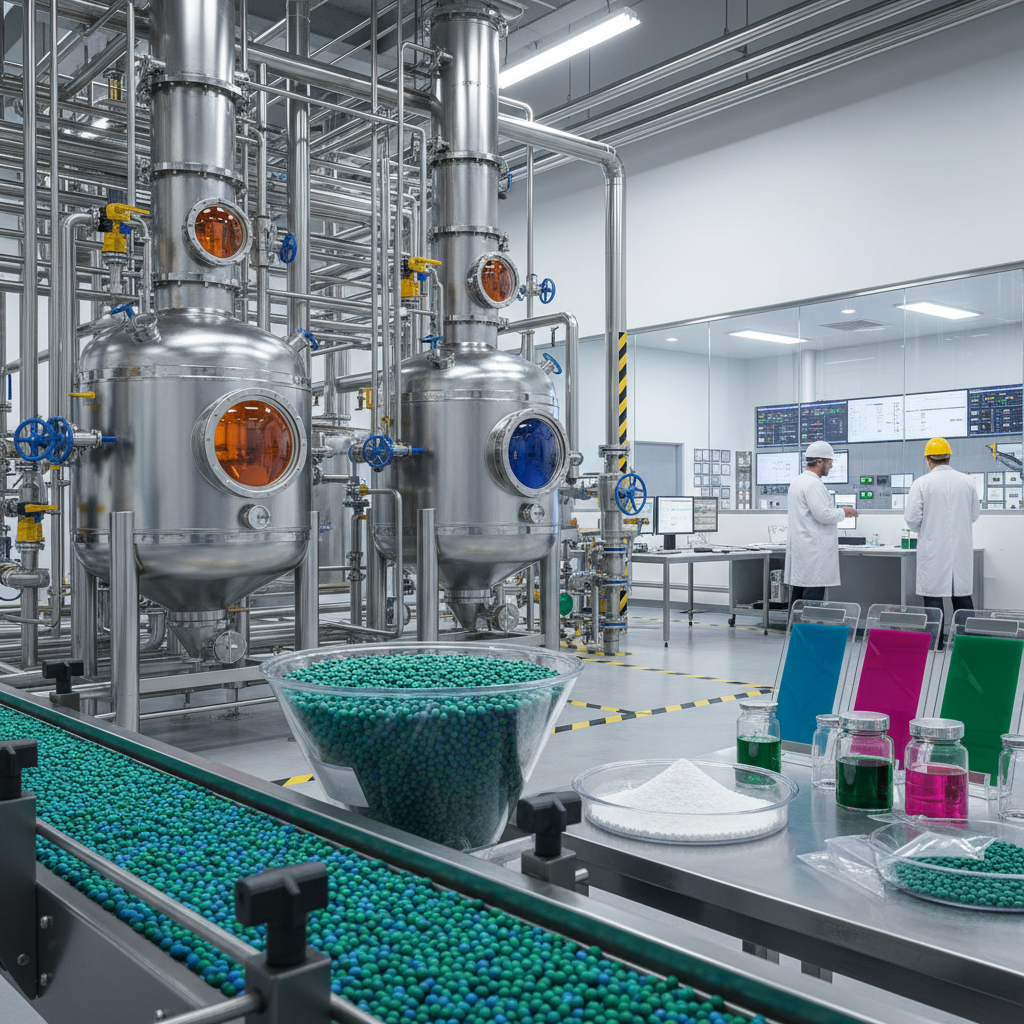
The success of pesticides manufacturers hinges on several key components. Firstly, robust research and development (R&D) is paramount, allowing for the discovery of new active ingredients and the improvement of existing formulations. Secondly, stringent quality control processes are necessary to ensure product efficacy and safety.
Thirdly, a strong understanding of regulatory requirements across different countries is vital for market access. Compliance with standards set by organizations like the EPA (Environmental Protection Agency) and the FAO (Food and Agriculture Organization) is non-negotiable. Finally, efficient supply chain management is crucial for delivering products to farmers in a timely manner.
Effective manufacturers also prioritize sustainability, seeking to minimize the environmental impact of their products and processes. This includes investing in biodegradable formulations, reducing packaging waste, and promoting responsible application practices.
Global Applications and Diverse Use Cases
Pesticides manufacturers products find applications across a diverse range of agricultural settings globally. In North America and Europe, they are used extensively in large-scale commodity crop production, such as corn, soybeans, and wheat.
In Asia, particularly in countries like China and India, pesticides play a crucial role in protecting rice paddies and other staple crops. In Africa, they are essential for controlling pests that threaten food security, such as locusts and fall armyworms.
Beyond agriculture, these manufacturers’ products are used in public health applications, like mosquito control to prevent the spread of malaria and dengue fever, and in forestry to protect trees from destructive insects. They are also important in preserving infrastructure, preventing damage to buildings and other structures caused by termites and other pests.
Comparative Effectiveness of pesticides manufacturers Methods
Advantages and Long-Term Value Proposition
The primary advantage of utilizing products from pesticides manufacturers lies in increased crop yields, leading to greater food production and reduced food costs. This translates to improved economic stability for farmers and greater food security for consumers.
The long-term value extends to reducing post-harvest losses, minimizing the need for land clearing for agriculture (through higher yields on existing land), and protecting valuable ecosystems from pest outbreaks. Investment in research and development by these manufacturers also drives innovation in sustainable pest control practices.
Future Trends and Innovations in the Industry
The future of pesticides manufacturers is being shaped by several key trends. Biopesticides, derived from natural sources, are gaining popularity as a more environmentally friendly alternative to synthetic chemicals. Precision agriculture techniques, utilizing drones and sensors, are enabling more targeted pesticide application, reducing overall usage.
Genome editing and genetic engineering are opening up new possibilities for developing pest-resistant crops, reducing the reliance on pesticides altogether. Furthermore, digital platforms are improving supply chain efficiency and providing farmers with access to real-time pest monitoring and forecasting information.
Challenges Facing pesticides manufacturers and Potential Solutions
Pesticides manufacturers face several challenges, including increasing regulatory scrutiny, growing public concerns about environmental and health impacts, and the emergence of pesticide-resistant pests. These necessitate continual innovation.
Potential solutions include investing in research to develop safer and more selective pesticides, promoting integrated pest management strategies, and improving farmer education on responsible pesticide use. Collaboration between manufacturers, regulators, and researchers is crucial for addressing these challenges effectively.
Furthermore, embracing circular economy principles – reducing waste, reusing materials, and recycling – can minimize the environmental footprint of pesticide production and application, contributing to a more sustainable future for agriculture.
Summary of Key Challenges and Solutions for pesticides manufacturers
| Challenge Category |
Specific Challenge |
Potential Solution |
Implementation Timeline |
| Regulatory |
Increasingly stringent regulations |
Proactive compliance and engagement with regulators |
Ongoing |
| Environmental |
Environmental impact of pesticides |
Development of biopesticides and reduced-risk formulations |
Short-term (1-3 years) |
| Resistance |
Pest resistance to existing pesticides |
Rotation of pesticide classes and development of new modes of action |
Medium-term (3-5 years) |
| Public Perception |
Negative public perception of pesticides |
Transparent communication and education on responsible use |
Ongoing |
| Supply Chain |
Supply chain disruptions and costs |
Diversification of sourcing and investment in logistics infrastructure |
Medium-term (2-4 years) |
| Innovation |
Slow pace of innovation in new pesticide development |
Increased investment in R&D and collaboration with research institutions |
Long-term (5+ years) |
FAQS
Synthetic pesticides are man-made chemicals designed to kill pests, while biopesticides are derived from natural sources like bacteria, fungi, or plants. Biopesticides generally have lower toxicity to humans and the environment, but may have shorter residual activity. Understanding these distinctions is crucial for selecting the appropriate pest control solution.
Pesticides manufacturers employ rigorous testing protocols to assess the toxicity, environmental fate, and efficacy of their products. This includes laboratory studies, field trials, and comprehensive risk assessments, all conducted in compliance with regulatory standards. Ongoing monitoring and surveillance ensure continued product safety.
Integrated Pest Management (IPM) is a holistic approach to pest control that combines various strategies, including biological control, cultural practices, and, when necessary, judicious use of pesticides. IPM aims to minimize pesticide use and environmental impact while maintaining effective pest control.
Pesticides manufacturers invest heavily in R&D to discover new modes of action and develop products that overcome resistance mechanisms. They also promote responsible pesticide use practices, such as rotation of pesticide classes and use of mixtures, to delay the development of resistance.
The production and sale of pesticides are heavily regulated by government agencies like the EPA in the United States and the FAO internationally. These regulations cover all aspects of the pesticide lifecycle, from registration and labeling to manufacturing and application.
Farmers can minimize environmental impact by adopting IPM practices, using precision agriculture techniques to reduce pesticide drift, selecting products with lower environmental toxicity, and following label instructions carefully. Proper disposal of pesticide containers is also crucial.
Conclusion
In conclusion, pesticides manufacturers are essential contributors to global food security and public health. They navigate a complex landscape of regulatory requirements, environmental concerns, and evolving pest resistance patterns. Continued innovation, responsible practices, and collaboration are vital for ensuring the sustainable and effective use of these critical products.
Looking ahead, the future of the industry hinges on embracing sustainable solutions, investing in research, and fostering transparency. By prioritizing environmental stewardship and responsible product development, pesticides manufacturers can play a key role in shaping a more sustainable and secure food system for generations to come.