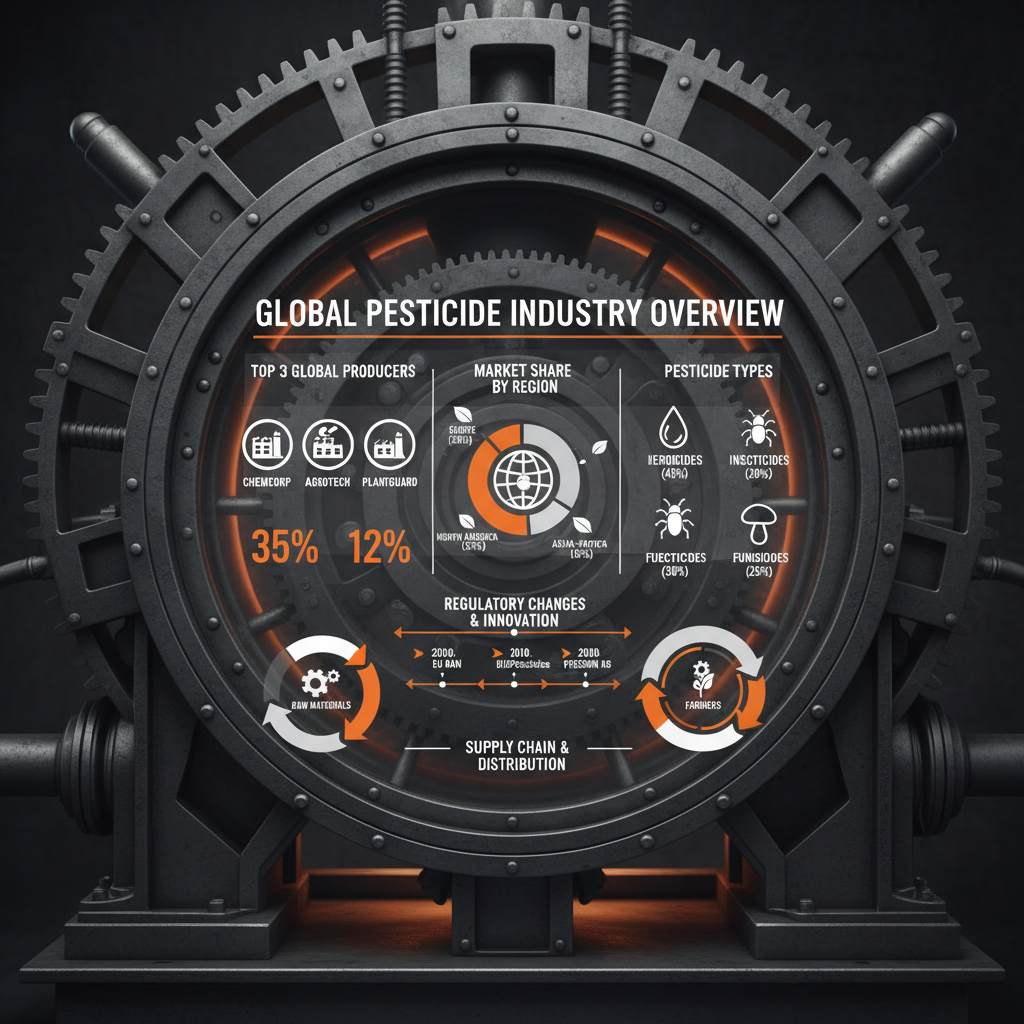
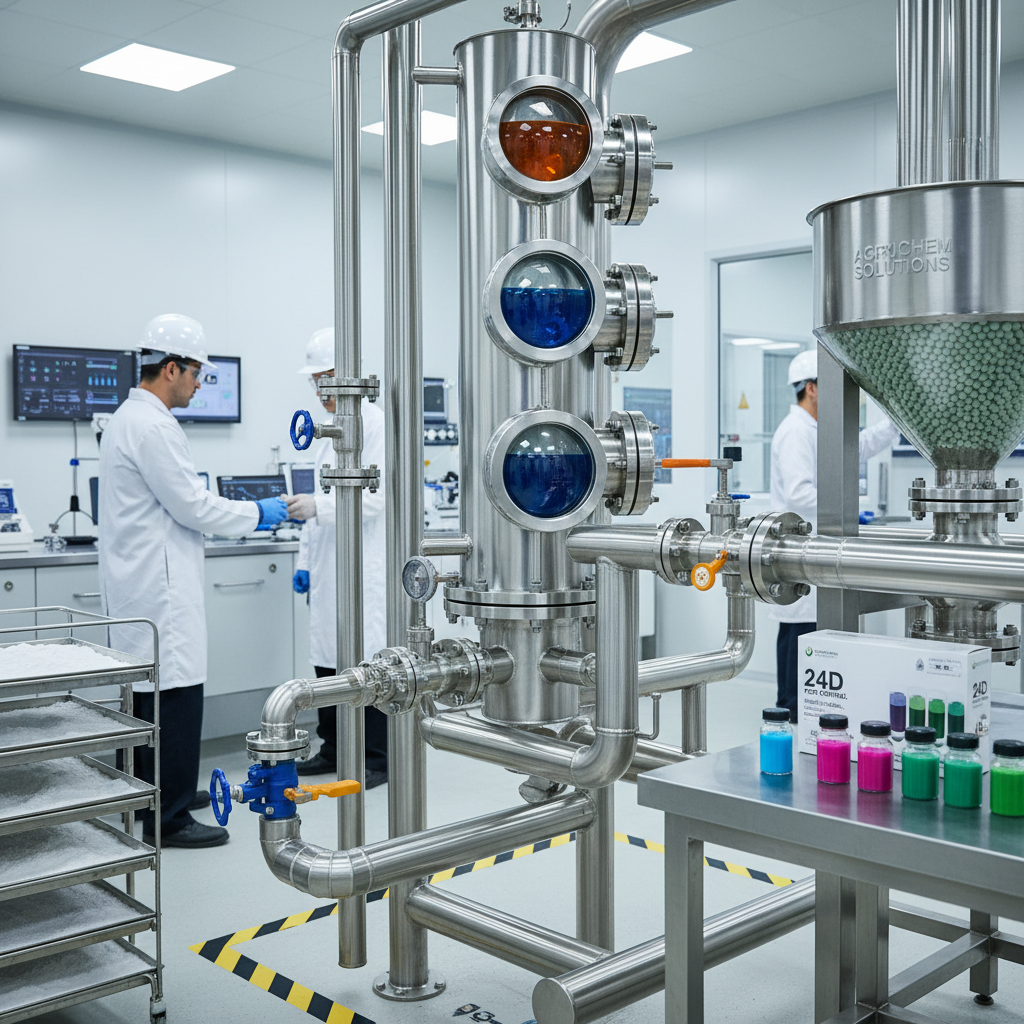
Pesticide companies play a critical role in modern agriculture and public health, developing and distributing products essential for crop protection and disease control. Their impact extends beyond simply increasing yields; they contribute to food security, economic stability in agricultural regions, and the prevention of vector-borne diseases. Understanding the complexities of these companies – from research and development to regulatory compliance and environmental responsibility – is crucial for informed decision-making in a world increasingly focused on sustainable practices.
The global pesticide market is a multi-billion dollar industry, influenced by factors like climate change, population growth, and evolving agricultural practices. Companies operating within this space must navigate a complex landscape of regulations, consumer demands, and scientific advancements. Organizations like the UN’s Food and Agriculture Organization (FAO) and the World Bank recognize the importance of responsible pesticide use in achieving sustainable development goals, highlighting the need for innovation and ethical conduct within pesticide companies.
Addressing the challenges of food security and public health requires continued innovation and responsible stewardship from pesticide companies. A deep understanding of their operations, the science behind their products, and the regulatory frameworks governing their use is paramount for ensuring a sustainable and healthy future.
The Role of Pesticide Companies in Global Agriculture
Pesticide companies are vital in ensuring global food security by protecting crops from pests and diseases, which would otherwise cause significant yield losses. These companies invest heavily in research and development to create innovative solutions for farmers, helping to increase productivity and efficiency. This leads to a more stable and affordable food supply for a growing global population.
Furthermore, the work of pesticide companies extends beyond agriculture. They also develop products for public health, controlling vectors like mosquitoes that transmit diseases such as malaria, dengue fever, and Zika virus. This contributes significantly to improving public health outcomes and reducing the burden of infectious diseases, particularly in developing countries.
Defining Pesticide Companies and Their Scope
Pesticide companies are businesses primarily engaged in the research, development, manufacture, and distribution of pesticides – substances used to prevent, destroy, repel, or mitigate pests. This broad definition encompasses a wide range of products, including herbicides, insecticides, fungicides, and rodenticides. These companies serve a diverse clientele, including farmers, agricultural businesses, public health organizations, and homeowners.
The scope of these companies often extends beyond the mere production of chemicals. Many pesticide companies offer comprehensive solutions, including technical support, training programs for safe application, and stewardship initiatives to promote responsible use. They also actively participate in regulatory processes, ensuring their products meet stringent safety and environmental standards.
In essence, pesticide companies are integral to the modern food production system and public health infrastructure, playing a crucial role in protecting crops, controlling diseases, and safeguarding food supplies.
Core Components of Successful Pesticide Companies
A cornerstone of success for any pesticide company is a robust research and development (R&D) pipeline. Constantly innovating to create more effective, targeted, and environmentally friendly pesticides is vital for remaining competitive and addressing evolving pest challenges. This includes exploring new chemical compounds, biological control agents, and precision application technologies.
Another critical element is stringent quality control. Pesticides must meet rigorous regulatory standards, and companies must demonstrate consistent product quality and purity. Effective supply chain management is also essential, ensuring timely delivery of products to customers worldwide.
Regulatory compliance is paramount. Navigating complex registration processes, adhering to safety standards, and maintaining transparent communication with regulatory authorities are crucial for maintaining a license to operate. Furthermore, a strong commitment to environmental stewardship is increasingly important, driving demand for sustainable practices and reduced environmental impact.
Finally, a customer-centric approach, offering technical support, training, and customized solutions, builds trust and loyalty. Providing value beyond the product itself—through knowledge sharing and tailored services—distinguishes leading pesticide companies.
Global Applications and Use Cases of Pesticide Companies
Pesticide companies are instrumental in supporting agricultural production across diverse climates and farming systems worldwide. In regions with intensive agriculture, like the American Midwest or the European plains, their products help maximize yields of staple crops such as corn, wheat, and soybeans. In tropical regions, they protect valuable cash crops like coffee, cocoa, and bananas from devastating pests and diseases.
Beyond agriculture, these companies play a critical role in public health initiatives. In malaria-prone areas of Africa and Asia, their insecticides are used in mosquito control programs, significantly reducing the incidence of the disease. They also provide solutions for controlling pests that threaten livestock, protecting food supplies and livelihoods.
Furthermore, pesticide companies contribute to maintaining urban environments. Their products are used for controlling pests in residential areas, protecting homes and gardens from infestations, and ensuring public spaces are safe and hygienic.
Pesticide Company Product Effectiveness Ratings
Advantages and Long-Term Value Provided by Pesticide Companies
The advantages of utilizing products from pesticide companies are substantial and multifaceted. Primarily, they enable increased crop yields, leading to greater food production and reduced food prices. This is particularly vital in regions facing food security challenges, allowing for more efficient use of arable land and resources.
Beyond immediate agricultural benefits, these companies contribute to long-term economic stability by supporting farmers' livelihoods and fostering rural development. Moreover, advancements in pesticide technology often translate to reduced environmental impact, with newer generations of products being more targeted and less persistent in the environment.
Future Trends and Innovations in the Pesticide Industry
The future of pesticide companies is being shaped by several key trends. Biopesticides, derived from natural sources, are gaining prominence as consumers and regulators demand more sustainable solutions. Precision agriculture, utilizing technologies like drones and sensors, allows for targeted pesticide application, minimizing waste and environmental impact.
Another significant development is the increasing use of data analytics and artificial intelligence to predict pest outbreaks and optimize pesticide use. This proactive approach helps farmers prevent infestations before they occur, reducing the need for reactive treatments.
Challenges and Solutions Facing Pesticide Companies
Pesticide companies face a growing number of challenges, including increasing regulatory scrutiny, public concerns about environmental impact, and the development of pest resistance. Overcoming these hurdles requires a commitment to innovation, transparency, and responsible stewardship.
One solution is investing in research to develop new pesticides with improved safety profiles and reduced environmental persistence. Another is promoting integrated pest management (IPM) strategies, which combine chemical control with biological control, cultural practices, and other methods to minimize reliance on pesticides.
Furthermore, fostering open communication with stakeholders – including farmers, regulators, and the public – is crucial for building trust and addressing concerns.
Overview of Pesticide Company Sustainability Initiatives
| Initiative Category |
Implementation Level |
Investment Scale (1-10) |
Expected Impact |
| Biopesticide Development |
Pilot Programs |
7 |
Reduced Environmental Footprint |
| Precision Application Technology |
Widespread Adoption |
9 |
Minimized Pesticide Usage |
| Integrated Pest Management (IPM) Training |
Regional Workshops |
6 |
Sustainable Farming Practices |
| Sustainable Packaging Initiatives |
Partial Implementation |
5 |
Reduced Plastic Waste |
| Water Conservation Programs |
Pilot Testing |
8 |
Reduced Water Usage in Production |
| Transparency & Traceability Systems |
Full Implementation |
10 |
Enhanced Consumer Trust |
FAQS
Reputable pesticide companies invest heavily in research and development, leading to more effective and targeted products. This translates to increased crop yields, reduced pest damage, and improved food quality. Moreover, they adhere to strict regulatory standards, ensuring product safety and minimizing environmental impact. Properly used pesticides are vital for modern agriculture and public health, offering a significant return on investment for farmers and communities.
Leading pesticide companies are actively addressing environmental concerns through various initiatives. These include developing biopesticides derived from natural sources, implementing precision application technologies to minimize pesticide drift, and promoting integrated pest management (IPM) strategies. They are also investing in research to create pesticides with shorter environmental persistence and lower toxicity to non-target organisms.
Pesticide companies operate under a complex web of regulations imposed by government agencies like the Environmental Protection Agency (EPA) in the United States and equivalent bodies in other countries. These regulations cover all aspects of pesticide development, manufacturing, registration, sale, and use. Companies must demonstrate that their products are safe for humans and the environment before they can be marketed.
Pest resistance is a significant challenge, and pesticide companies are responding with innovative strategies. This includes developing new pesticides with different modes of action, promoting pesticide rotation to prevent resistance buildup, and integrating chemical control with biological control and other IPM techniques. They also actively monitor pest populations to track resistance development and adapt their strategies accordingly.
Research and development (R&D) is the lifeblood of pesticide companies. R&D efforts focus on discovering new active ingredients, formulating more effective products, and developing innovative delivery systems. A significant portion of revenue is reinvested into R&D to ensure a pipeline of new solutions for evolving pest challenges and increasing demands for sustainable agriculture.
Responsible pesticide use involves following label instructions carefully, using appropriate personal protective equipment, and implementing integrated pest management (IPM) strategies. Farmers should also seek training and guidance from agricultural extension services and pesticide companies to ensure they are using the products safely and effectively. Proper calibration of application equipment and regular monitoring of pest populations are also crucial.
Conclusion
In conclusion, pesticide companies are critical components of the global food system and public health infrastructure. Their ongoing innovation, coupled with a commitment to responsible stewardship, is essential for ensuring food security, controlling disease vectors, and protecting our environment. From developing more targeted and environmentally friendly products to promoting integrated pest management practices, these companies are continually evolving to address emerging challenges.
Looking ahead, collaboration between pesticide companies, researchers, regulators, and farmers will be crucial for fostering a sustainable and resilient agricultural system. By embracing technological advancements, prioritizing environmental protection, and promoting responsible pesticide use, we can harness the benefits of these essential products while minimizing their potential risks.