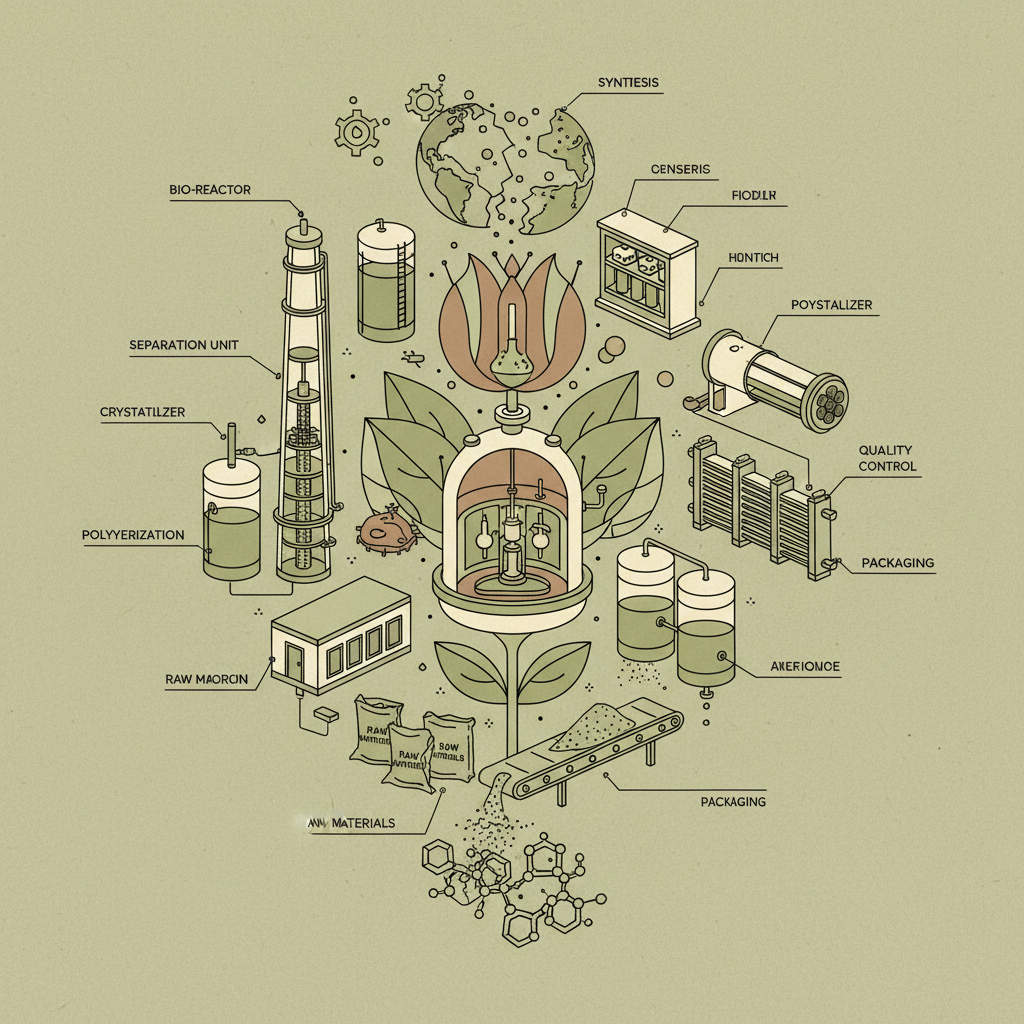
The transition toward sustainable agriculture has sparked a global interest in homemade pesticides for plants, as gardeners and small-scale farmers seek to reduce their reliance on synthetic chemicals. By utilizing organic materials and household ingredients, these botanical solutions offer a way to manage pests while preserving the delicate balance of the local ecosystem. Understanding how to formulate these mixtures effectively allows for a more harmonious relationship between human cultivation and nature.
From a global perspective, the shift toward homemade botanical controls is driven by increasing concerns over chemical runoff and the degradation of soil health. With the rise of urban gardening and the "farm-to-table" movement, there is a critical need for accessible, non-toxic methods to protect food crops from invasive insects. These DIY approaches not only lower the barrier to entry for new growers but also promote a deeper understanding of plant pathology and entomology.
Ultimately, mastering the use of homemade pesticides for plants provides a dual benefit: it ensures the safety of the consumer by eliminating hazardous residues and reduces the environmental footprint of pest management. By integrating traditional knowledge with modern ecological principles, these natural alternatives serve as a vital tool in the broader strategy of sustainable land management and biodiversity conservation.
The Global Context of Natural Pest Control
The global agricultural landscape is currently facing a pivotal challenge: the increasing resistance of pests to synthetic chemical treatments. According to data reflecting international agricultural trends, the overuse of broad-spectrum pesticides has led to a significant decline in pollinator populations, which are essential for global food security. In response, there is a growing movement toward integrating homemade pesticides for plants as a first line of defense in Integrated Pest Management (IPM) strategies.
By shifting the focus toward biodegradable and low-toxicity options, growers can mitigate the risks of soil sterilization and groundwater contamination. This global transition is not merely a trend but a necessary adaptation to ensure that our food systems remain resilient against evolving biological threats without compromising the health of the planet.
Defining Homemade Pesticides and Botanical Extracts
In simple terms, homemade pesticides for plants are non-synthetic pest control agents formulated from readily available household or natural materials. These typically include soaps, essential oils, vegetable extracts, and minerals that act as repellents, suffocants, or disruptors of the pest's life cycle. Unlike industrial chemicals, these solutions are designed to target specific pests with minimal impact on non-target organisms.
From an industrial and humanitarian perspective, these formulations bridge the gap for populations in remote areas where commercial agricultural inputs are either too expensive or unavailable. By empowering local growers to produce their own plant health solutions, communities can maintain crop yields and ensure nutritional security without becoming dependent on volatile global supply chains for chemical raw materials.
Modern interpretations of these DIY solutions often incorporate basic chemical knowledge, such as adjusting pH levels or using surfactants (like mild soap) to increase the adherence of the active botanical ingredient to the leaf surface. This fusion of "folk wisdom" and basic chemistry transforms simple kitchen ingredients into effective tools for plant protection.
Key Factors for Effective DIY Formulations
When developing homemade pesticides for plants, the first critical factor is Bio-compatibility. It is essential to ensure that the concentration of the active ingredient—such as neem oil or garlic extract—does not cause phytotoxicity, which can burn the leaves of sensitive plant species. Testing a small area of the plant before full application is a professional standard for any organic formulation.
Another core component is Stability and Shelf-life. Because homemade pesticides for plants lack the industrial preservatives found in commercial products, they are prone to rapid degradation. Formulations should ideally be mixed in small batches and used immediately to ensure that the volatile organic compounds (VOCs) responsible for repelling insects remain active.
Finally, Adhesion and Penetration play a vital role in efficacy. Since many natural oils and aqueous extracts bead up on waxy leaf surfaces, the addition of a natural surfactant is necessary. This ensures the solution coats the pest and the plant surface evenly, increasing the contact time and overall success rate of the treatment.
Comparative Efficacy of Common Natural Ingredients
Evaluating the effectiveness of various homemade pesticides for plants requires a look at how different base materials interact with specific pest types. For instance, soapy water is highly effective against soft-bodied insects like aphids by disrupting their cellular membranes, whereas capsaicin-based sprays act more as deterrents for mammals and chewing insects.
By analyzing the active components—such as the azadirachtin in neem or the allicin in garlic—we can categorize these DIY solutions based on their primary mode of action. This data-driven approach allows growers to choose the right mixture based on the specific infestation they are facing, rather than relying on a one-size-fits-all solution.
Efficacy Rating of Natural Pest Control Methods
Global Applications in Urban and Rural Settings
In densely populated urban environments, the use of homemade pesticides for plants is primarily focused on rooftop gardens and indoor houseplants. In these settings, safety is the paramount concern, as chemical fumes can linger in poorly ventilated spaces. Natural sprays provide a safe alternative for residents who want to maintain lush greenery without exposing children or pets to toxic residues.
Conversely, in rural agricultural zones, particularly in developing regions, these DIY methods are scaled up to protect larger plots of subsistence crops. For example, in many tropical regions, fermented botanical extracts are used to manage locusts and beetles, reducing the financial burden on smallholder farmers. This localized approach allows for an agile response to pest outbreaks using ingredients harvested directly from the surrounding environment.
Long-Term Value and Environmental Sustainability
The long-term value of adopting homemade pesticides for plants extends far beyond simple cost savings. By avoiding synthetic pesticides, growers prevent the accumulation of persistent organic pollutants (POPs) in the soil. This preserves the microbial diversity of the earth, which in turn improves nutrient cycling and enhances the plant's own natural immunity against diseases.
Furthermore, there is a profound psychological and social benefit to this practice. It fosters a sense of agency and trust in the food production process. When a gardener understands the chemistry of a garlic-based spray, they are no longer just a consumer of a product but an active participant in an ecological process. This shift in mindset is essential for the broader adoption of regenerative agriculture.
From an economic standpoint, reducing reliance on imported chemical inputs stabilizes the cost of production for local farmers. This sustainability creates a circular economy where waste products from the kitchen (like eggshells or onion skins) are repurposed into valuable agricultural inputs, embodying the principles of a zero-waste lifestyle.
Future Trends in Bio-Based Pest Management
The future of homemade pesticides for plants is likely to be influenced by the integration of nanotechnology and precision application. We are seeing a trend toward "nano-emulsions" of essential oils, which allow natural ingredients to penetrate pest exoskeletons more effectively while using smaller quantities of the active agent. This marriage of high-tech delivery and low-tech ingredients is the next frontier of organic gardening.
Additionally, digital transformation is playing a role through the rise of AI-driven pest identification apps. These tools can analyze a photo of a damaged leaf and recommend a specific DIY recipe tailored to that exact pest, removing the guesswork from the process. This makes natural pest control more accessible to a generation of "digital natives" who may lack traditional horticultural experience.
As global policies continue to tighten around the use of neonicotinoids and other harmful chemicals, we expect a standardized "Bio-Registry" of homemade formulations. This would provide scientifically validated ratios and safety guidelines for natural sprays, elevating them from "home remedies" to recognized agricultural protocols.
Analysis of DIY Pesticide Ingredients and Their Performance
| Ingredient Base |
Target Pest Type |
Environmental Impact |
Persistence Score (1-10) |
| Neem Oil |
Aphids, Whiteflies |
Very Low |
7 |
| Castile Soap |
Spider Mites |
Negligible |
3 |
| Garlic Extract |
General Repellent |
Very Low |
4 |
| Baking Soda |
Powdery Mildew |
Low |
5 |
| Peppermint Oil |
Ants, Aphids |
Very Low |
2 |
| Chili Pepper |
Chewing Insects |
Negligible |
4 |
FAQS
While generally safer than chemicals, some plants are sensitive to certain oils or soaps. Always perform a "patch test" on a single leaf and wait 24 hours to check for burns before applying a homemade pesticide to your entire garden.
Because botanical extracts degrade quickly under UV light, they typically require more frequent application than synthetics. Depending on the infestation, applying every 5-7 days or after heavy rainfall is usually recommended.
It is generally advised to avoid mixing multiple active ingredients without testing, as they may neutralize each other or create a solution that is too concentrated, leading to plant damage. Stick to one proven recipe per application.
For small to medium infestations, homemade pesticides are highly effective. However, for severe, large-scale agricultural outbreaks, they may be slower to act. They are best used as preventative measures or in conjunction with other IPM techniques.
Mild, additive-free soaps (like Castile soap) are excellent surfactants. Avoid using dish detergents with degreasers or bleach, as these can strip the protective waxy cuticle from your plants' leaves.
Store them in a cool, dark place in an airtight container to slow down the oxidation of active botanical compounds. However, for maximum potency, it is always best to mix fresh batches right before use.
Conclusion
Integrating homemade pesticides for plants into a gardening routine represents a commitment to ecological health and sustainable living. By focusing on bio-compatibility, understanding the specific needs of target pests, and utilizing the power of botanical extracts, growers can protect their plants without compromising the safety of their families or the environment. The shift from synthetic reliance to natural mastery is a journey toward a more resilient and toxic-free agricultural future.
As we look forward, the continued evolution of bio-based pest management will likely empower more people to take control of their local food systems. We encourage all gardeners and growers to experiment with these natural formulations, starting small and observing the harmony of their ecosystem. For professional guidance on plant health and raw materials, visit our website: www.hbdfchempest.com.