The global shift toward sustainable agriculture has placed botanical pesticides at the forefront of modern crop protection strategies. As the environmental toll of synthetic chemicals becomes increasingly apparent, farmers and industrial producers are returning to plant-derived solutions that offer a harmonious balance between efficacy and ecological safety. Understanding these bio-rational tools is no longer just an option for organic farming but a necessity for the future of global food security.
From a commercial perspective, the integration of botanical extracts into integrated pest management (IPM) systems reduces the risk of chemical residues in food chains and minimizes the development of pesticide resistance. These nature-based solutions leverage the complex evolutionary chemistry of plants—such as alkaloids, terpenoids, and phenols—to target pests with precision while sparing beneficial insects and pollinators.
By exploring the mechanisms, applications, and long-term advantages of botanical pesticides, stakeholders in the agro-chemical industry can transition toward a "green chemistry" model. This transition not only aligns with stringent international regulatory standards but also meets the growing consumer demand for chemically clean produce and environmentally responsible farming practices.
Global Context and Industry Relevance of Botanical Pesticides
The global agricultural landscape is currently facing a crisis of sustainability. According to data aligned with UN Sustainable Development Goals, the over-reliance on synthetic organophosphates and carbamates has led to significant soil degradation and the collapse of local pollinator populations. This systemic failure has pushed the industry toward botanical pesticides as a viable alternative to maintain yields without compromising the biosphere.
Industry statistics indicate a steady CAGR increase in the bio-pesticide sector, driven by strict EU and North American regulations on Maximum Residue Limits (MRLs). As chemical bans increase, the demand for plant-based actives—which break down naturally and do not bioaccumulate—has transitioned from a niche organic requirement to a mainstream industrial mandate for large-scale commodity crops.
Defining Botanical Pesticides in Modern Agriculture
In the simplest terms, botanical pesticides are naturally occurring chemicals extracted from plants that possess insecticidal, repellent, or antifungal properties. Unlike synthetic pesticides that often rely on a single active ingredient to disrupt a specific biological pathway, botanical options typically contain a complex cocktail of secondary metabolites. This multi-component nature makes it significantly harder for pests to develop genetic resistance.
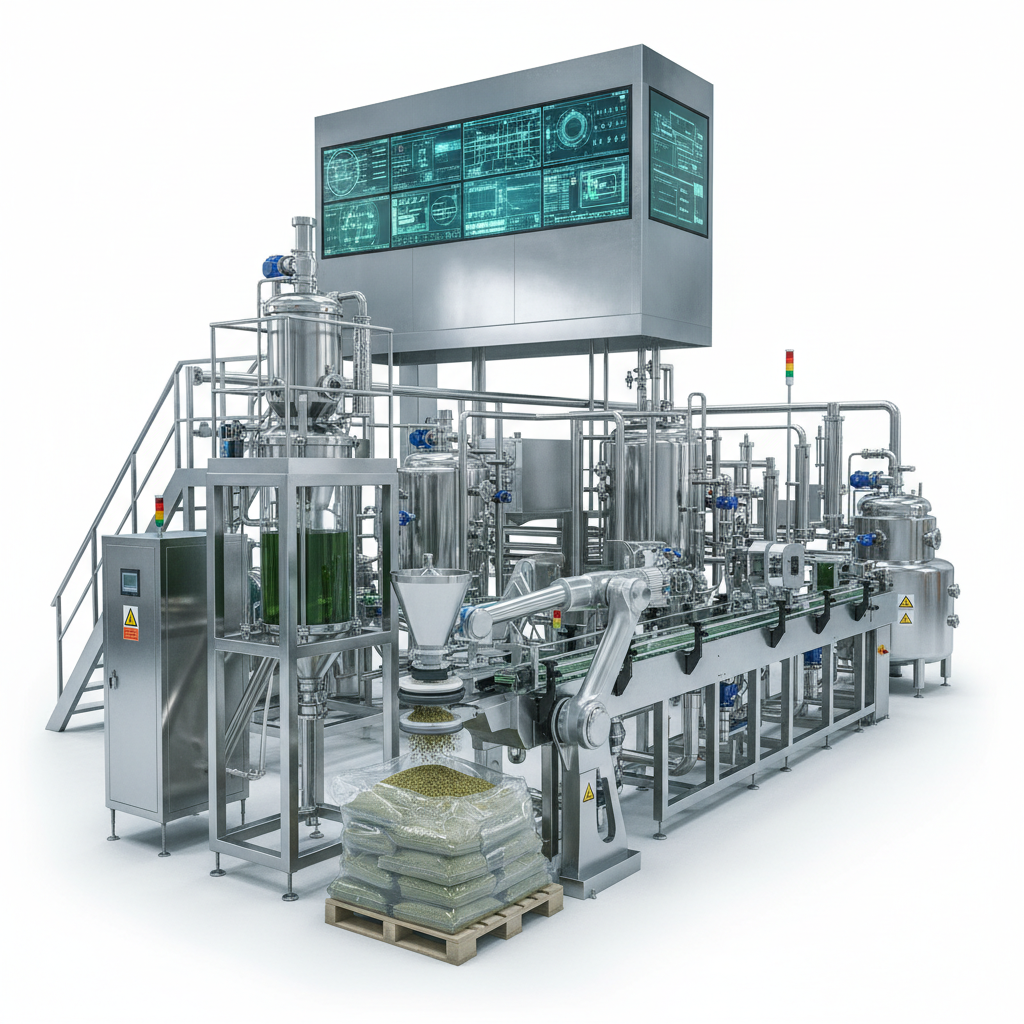
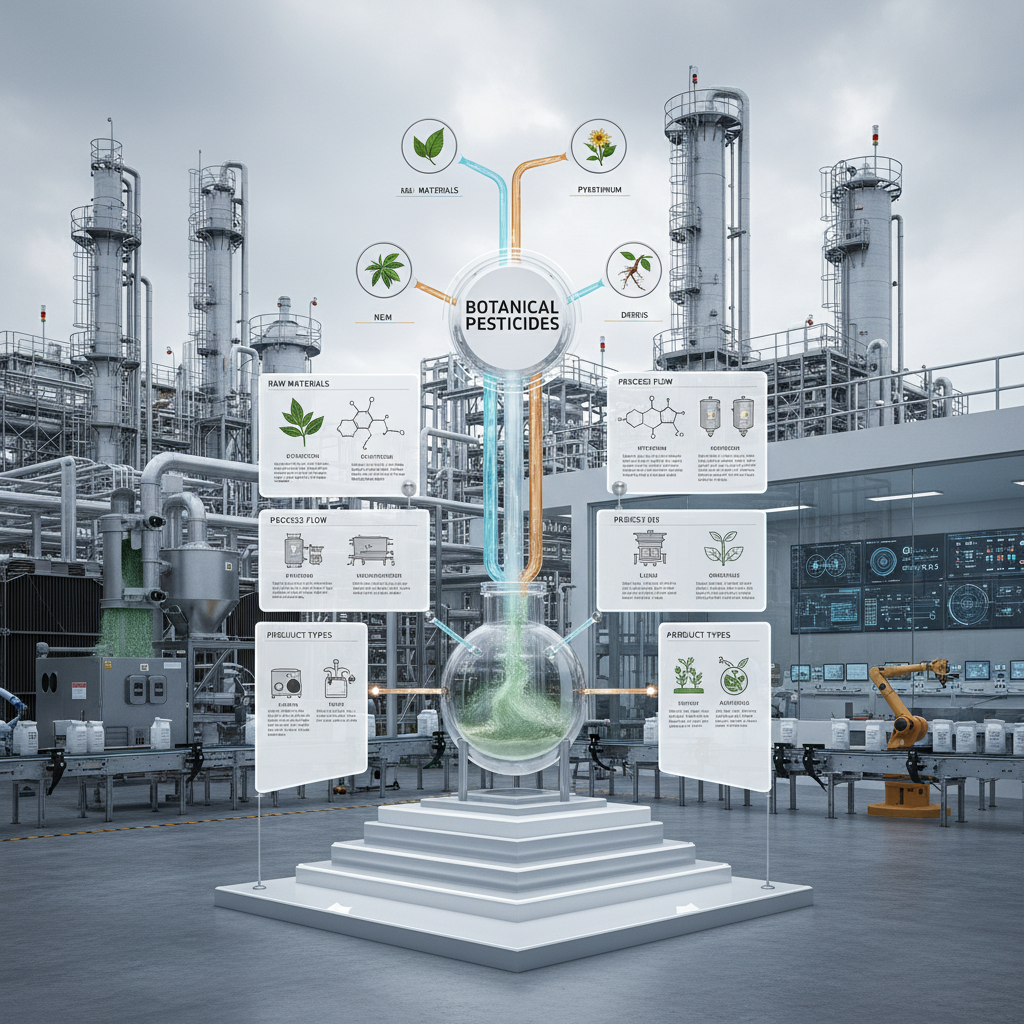
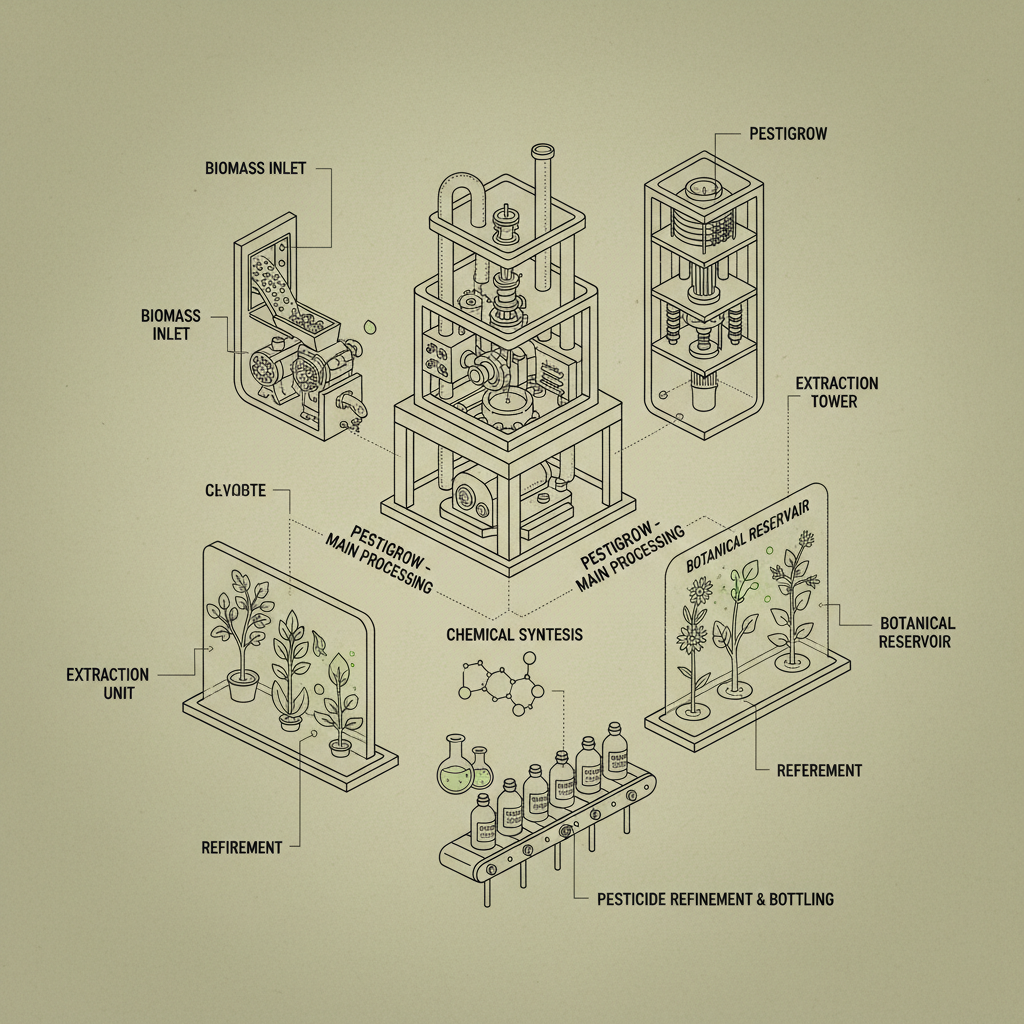
From an industrial standpoint, these products bridge the gap between traditional farming wisdom and advanced chemical engineering. By utilizing solvent extraction, steam distillation, or cold-pressing, manufacturers can isolate powerful compounds—such as Azadirachtin from Neem or Pyrethrins from Chrysanthemums—and stabilize them for commercial distribution in liquid or powder forms.
The humanitarian need for these solutions is acute in developing regions where farmers lack the protective equipment necessary for handling toxic synthetics. Botanical alternatives provide a safer operational environment for laborers while ensuring that the food produced for local consumption is free from hazardous chemical contaminants, thereby improving public health outcomes.
Core Components of Botanical Pest Control
The effectiveness of botanical pesticides relies heavily on the stability of the active botanical molecules. Durability in the field is often the biggest challenge, as natural compounds can degrade under UV light. To solve this, modern formulations use bio-adjuvants and encapsulated delivery systems to ensure the active ingredients remain potent on the leaf surface for longer periods.
Scalability is another critical factor. For botanical pesticides to replace synthetics, the supply chain for the raw plant material must be sustainable. This involves the industrial cultivation of specialized botanical species to ensure a consistent concentration of active metabolites, avoiding the over-harvesting of wild plant populations.
Cost efficiency is achieved through precision application. Because botanical agents often work through different modes of action—such as anti-feeding or growth regulation—they are frequently used in rotation. This strategy reduces the total volume of product needed per hectare and prevents the "chemical treadmill" effect where increasing doses are required to achieve the same result.
Efficiency and Performance Metrics of Bio-Pesticides
Measuring the performance of botanical pesticides requires a different set of KPIs than traditional chemicals. While synthetics focus on "instant kill" rates, botanicals are often evaluated on their ability to disrupt the life cycle of the pest, such as inhibiting molting or deterring oviposition. This leads to a more sustainable population control rather than a volatile "boom-and-bust" pest cycle.
When comparing different botanical formulations, industry experts look at the synergy between multiple active components. For instance, a blend of essential oils may outperform a pure extract by targeting both the nervous system and the respiratory system of the target insect simultaneously.
Comparative Performance Ratings of Botanical Pesticide Categories
Global Applications and Real-World Use Cases
In high-value horticulture across Southeast Asia and Latin America, botanical pesticides are utilized extensively in greenhouses to combat aphids and whiteflies. By using botanical oils, producers can maintain an environment that is safe for workers and prevents the buildup of resistant pest strains that typically plague closed-environment farming.
Furthermore, in remote industrial agricultural zones in Africa, plant-based solutions are integrated into community-led farming initiatives. These regions benefit from the ability to produce some of their own botanical extracts locally, reducing dependence on expensive imported synthetics and decreasing the logistical carbon footprint of pest management.
Long-Term Sustainability and Economic Value
The long-term value of adopting botanical pesticides extends beyond simple crop protection. By preserving the soil microbiome and protecting beneficial predatory insects, these products foster a self-regulating ecosystem. This biological equilibrium eventually reduces the need for external inputs, lowering the overall cost of production over a multi-year cycle.
From a brand perspective, companies that transition to botanical alternatives can command a premium price in the "Green" and "Organic" markets. The ability to certify a product as "low-residue" or "bio-based" creates a tangible competitive advantage in the eyes of the health-conscious modern consumer.
Moreover, the safety profile of these substances reduces the legal and insurance liabilities associated with chemical runoff and worker exposure. This logical shift toward safer chemistry builds trust between agricultural producers, regulatory bodies, and the end consumer, creating a more transparent and ethical food supply chain.
Future Innovations and Regulatory Trends
The future of botanical pesticides lies in the convergence of biotechnology and nanotechnology. Researchers are currently developing nano-emulsions that protect volatile botanical oils from evaporation and UV degradation, effectively extending their field life to match that of synthetic counterparts without adding toxicity.
Digital transformation is also playing a role through "Precision Bio-Spraying." By using AI-driven drones and sensors, farmers can apply botanical agents only to the specific areas of the field where pests are detected. This automation ensures that the higher cost of some high-purity botanical extracts is offset by a drastic reduction in the total volume used.
Regulatorily, we are seeing a shift toward "Fast-Track" approval processes for bio-pesticides in many jurisdictions. As governments push for carbon neutrality and biodiversity restoration, policies are being rewritten to favor plant-derived agents, making them the most strategic investment for agro-chemical manufacturers.
Comparative Analysis of Botanical Pesticide Development and Impact
| Botanical Type |
Mode of Action |
Environmental Impact |
Market Adoption Score |
| Neem Extracts |
Growth Regulation |
Biodegradable / Low Tox |
9/10 |
| Pyrethrins |
Neurotoxin (Rapid) |
Fast Breakdown |
8/10 |
| Essential Oils |
Repellent/Asphyxiant |
Eco-friendly / Fragrant |
7/10 |
| Rotenone |
Mitochondrial Inhibition |
Moderate/Targeted |
5/10 |
| Saponins |
Membrane Disruption |
Very Low Impact |
6/10 |
| Alkaloids |
Systemic Toxicity |
Controlled/Safe |
7/10 |
FAQS
While they may not always provide the same "instant kill" as synthetics, botanical pesticides are highly effective when used as part of an Integrated Pest Management (IPM) strategy. They often work through multiple modes of action, which prevents pests from developing resistance, providing more stable long-term control and better crop health without the environmental toxicity of synthetic options.
One of the primary advantages of botanical pesticides is their rapid biodegradation. Because they are derived from natural plant compounds, they break down quickly when exposed to sunlight and air. This ensures that by the time the produce reaches the consumer, residue levels are typically negligible or non-existent, making them ideal for organic certification.
Yes, botanical pesticides are increasingly used in industrial settings. The key is the use of stabilized commercial formulations and precision application technology (like drone spraying). When integrated into a rotation schedule, they effectively manage pest populations on a large scale while reducing the overall chemical load on the environment.
Generally, yes. Many botanical pesticides are designed to be target-specific or have very short half-lives, which significantly reduces the risk to non-target insects. However, like any pesticide, timing is key; applying them during non-blooming periods or in the evening when pollinators are less active further ensures the safety of beneficial insect populations.
Unlike synthetic pesticides that usually target one specific receptor in a pest's body, botanical pesticides often contain a complex mix of chemical compounds. This "cocktail effect" attacks the pest through multiple pathways simultaneously, making it genetically improbable for the pest to develop resistance to all components at once.
Importing botanical extracts requires compliance with the destination country's agricultural and chemical regulations (such as REACH in the EU). We recommend working with certified suppliers who provide full COA (Certificate of Analysis) and MSDS documentation to ensure smooth customs clearance and regulatory approval.
Conclusion
The adoption of botanical pesticides represents a critical evolution in agricultural science, merging nature's inherent defense mechanisms with modern industrial precision. By prioritizing biodiversity, reducing chemical toxicity, and implementing sustainable supply chains, the industry can ensure high crop yields without compromising the health of the planet or the people who inhabit it. The shift toward these bio-rational tools is not merely a trend but a strategic necessity for a resilient food system.
Looking forward, the integration of nanotechnology and AI-driven application will only enhance the efficacy of plant-based solutions, making them the primary choice for the next generation of farmers. We encourage agricultural stakeholders to explore the vast potential of botanical chemistry to build a safer, cleaner, and more profitable future. For high-quality botanical solutions and raw materials, visit our website: www.hbdfchempest.com.