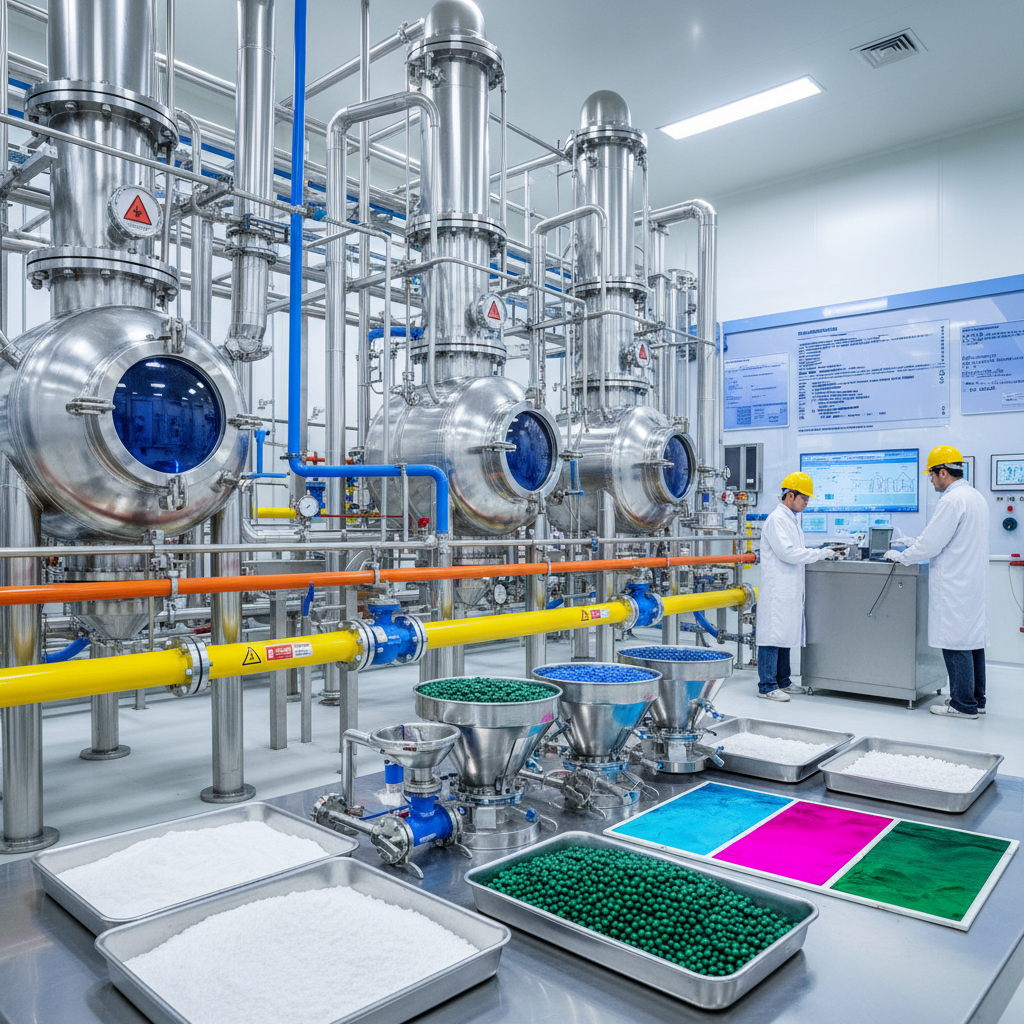
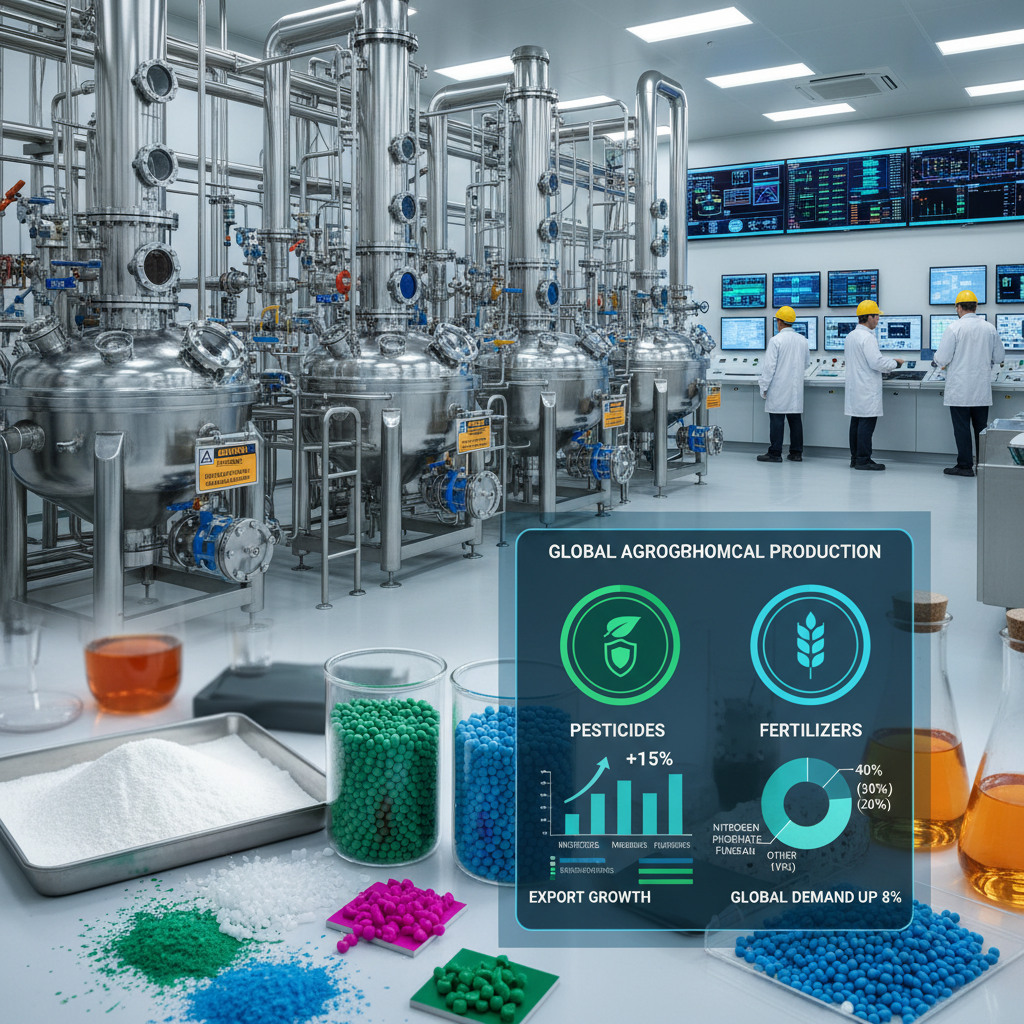
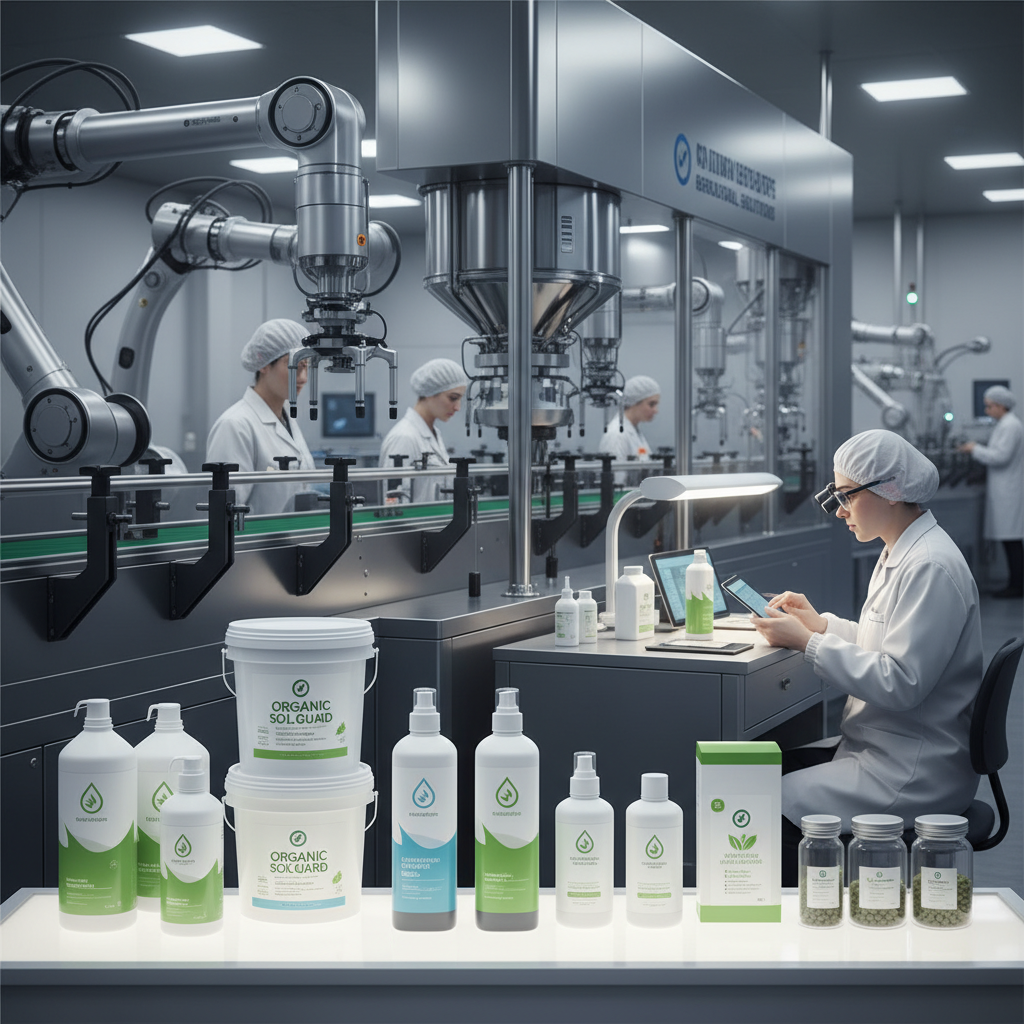
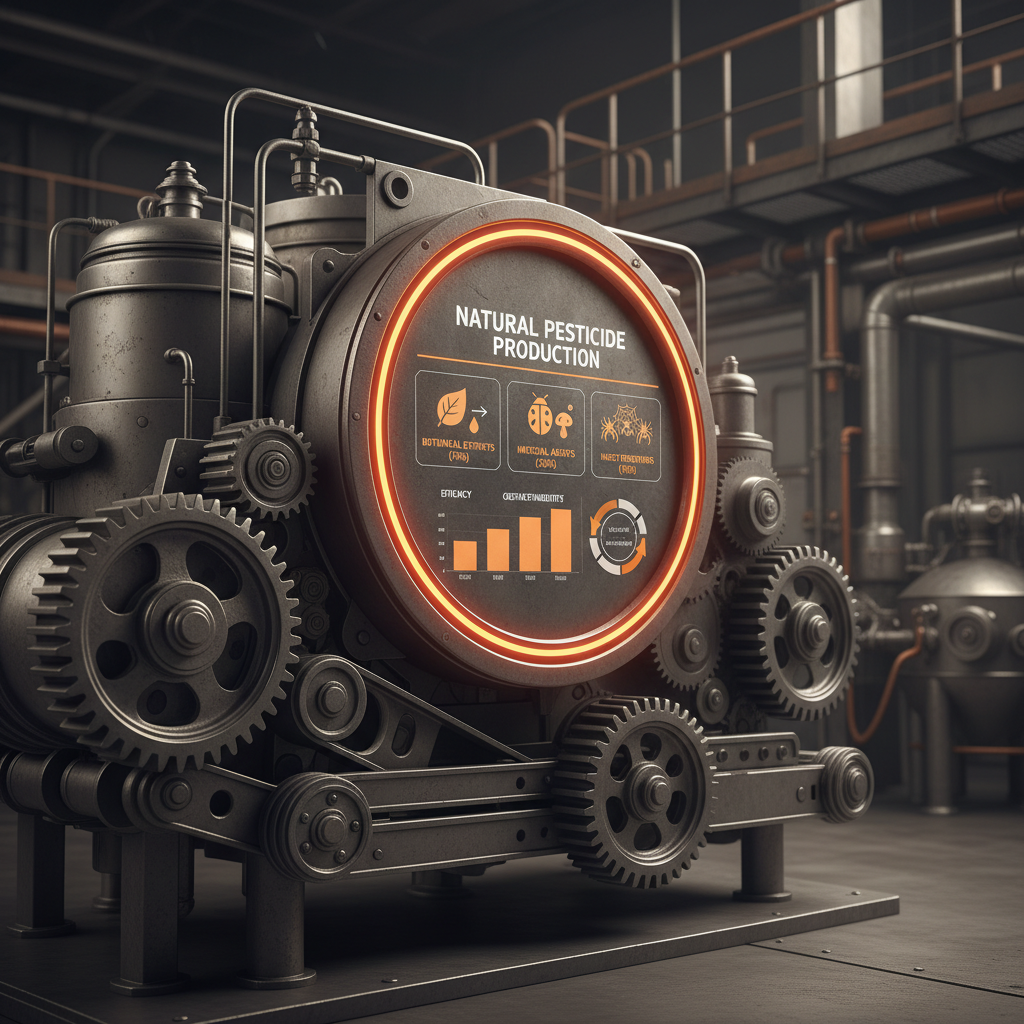
The modern agricultural landscape relies heavily on the strategic application of pesticides and fertilizers to ensure global food security. As the world population continues to climb, the pressure on arable land increases, making the efficiency of crop protection and soil nourishment a critical priority for farmers and chemical manufacturers alike. Understanding the synergy between these two components is essential for maximizing yields while minimizing environmental impact.
From a global perspective, the integration of high-quality agro-industrial raw materials has transformed traditional farming into a high-precision science. By leveraging advanced chemical formulations, the industry can now target specific pests and nutrient deficiencies with surgical precision. This evolution not only secures the food supply chain but also allows for the cultivation of crops in previously marginal lands, driving economic growth in developing regions.
However, the challenge lies in balancing productivity with ecological sustainability. The transition toward "green chemistry" is currently reshaping how pesticides and fertilizers are developed, focusing on biodegradable agents and slow-release nutrients. By exploring the technical nuances of these products, stakeholders can achieve a sustainable equilibrium that protects both the harvest and the planet.
Global Context of Pesticides and Fertilizers
The global demand for pesticides and fertilizers is driven by the urgent need to increase caloric output per hectare. According to data from the World Bank and FAO, the intensification of agriculture through chemical inputs has been the primary driver in preventing mass famines over the last century. The ability to synthesize nitrogen-based fertilizers and targeted herbicides has allowed the global food system to scale at a rate that matches population growth.
Despite these gains, the industry faces significant pressure to adhere to ISO standards and environmental regulations. The shift is moving away from blanket application toward "precision agriculture," where inputs are optimized based on real-time soil data. This context emphasizes that while the necessity of these chemicals is absolute, the method of their delivery must evolve to protect biodiversity and water quality.
Defining Modern Crop Nutrition and Protection
In simple terms, fertilizers are substances applied to soil or plant tissues to provide essential nutrients—primarily nitrogen, phosphorus, and potassium—that stimulate growth and increase crop quality. They act as the "fuel" for the plant, ensuring that the biological machinery of the crop has the raw materials necessary for photosynthesis and cellular development.
Pesticides, conversely, are the "defense system" of the farm. They include a broad spectrum of agents—herbicides, insecticides, and fungicides—designed to prevent, destroy, or repel pests and diseases that would otherwise devastate harvests. When these two are used in tandem, they create a controlled environment where plants can reach their full genetic potential without external biological interference.
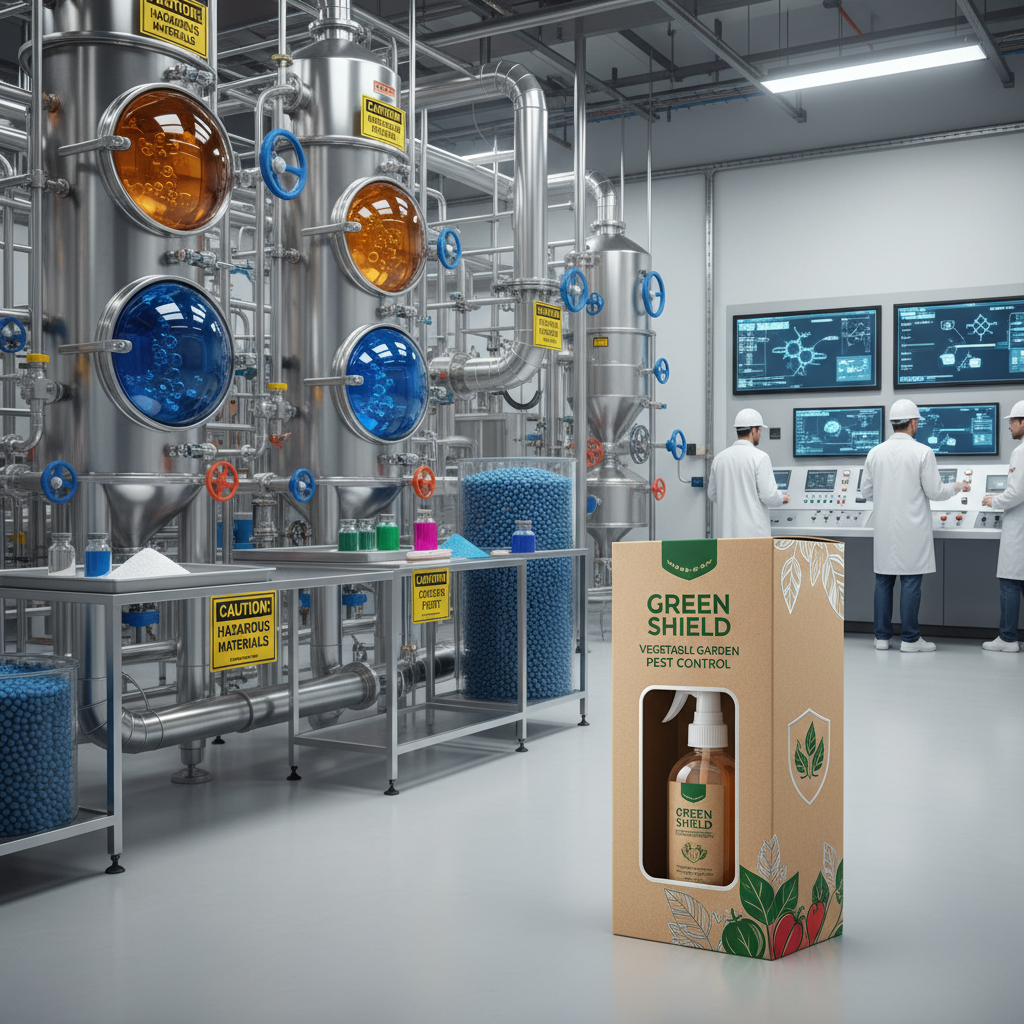
The connection to modern industry extends beyond the farm; it involves a complex supply chain of chemical raw materials and intermediate synthesis. For instance, the production of pharmaceutical intermediates often overlaps with the chemistry used in advanced pesticides, showing a deep industrial synergy in the manufacture of specialized chemical products.
Core Components of High-Efficiency Formulations
The efficacy of pesticides and fertilizers depends heavily on their bioavailability and stability. A core factor is the "solubility profile," which determines how quickly a nutrient or active ingredient is released into the soil. High-solubility products offer immediate results but risk runoff, whereas slow-release formulations ensure long-term nourishment.
Another critical component is the "surfactant system." In pesticide formulations, surfactants reduce the surface tension of the liquid, allowing the active agent to spread evenly across waxy leaf surfaces. This ensures maximum coverage and prevents the chemical from simply beading off the plant, thereby increasing the active ingredient's potency and reducing the total volume of chemicals required.
Lastly, purity and concentration play a pivotal role. The use of high-grade chemical raw materials minimizes the presence of inert impurities that could potentially clog spray equipment or cause phytotoxicity. By optimizing the molecular stability of the active ingredients, manufacturers can create products that remain effective even under extreme temperature fluctuations.
Practical Applications Across Global Regions
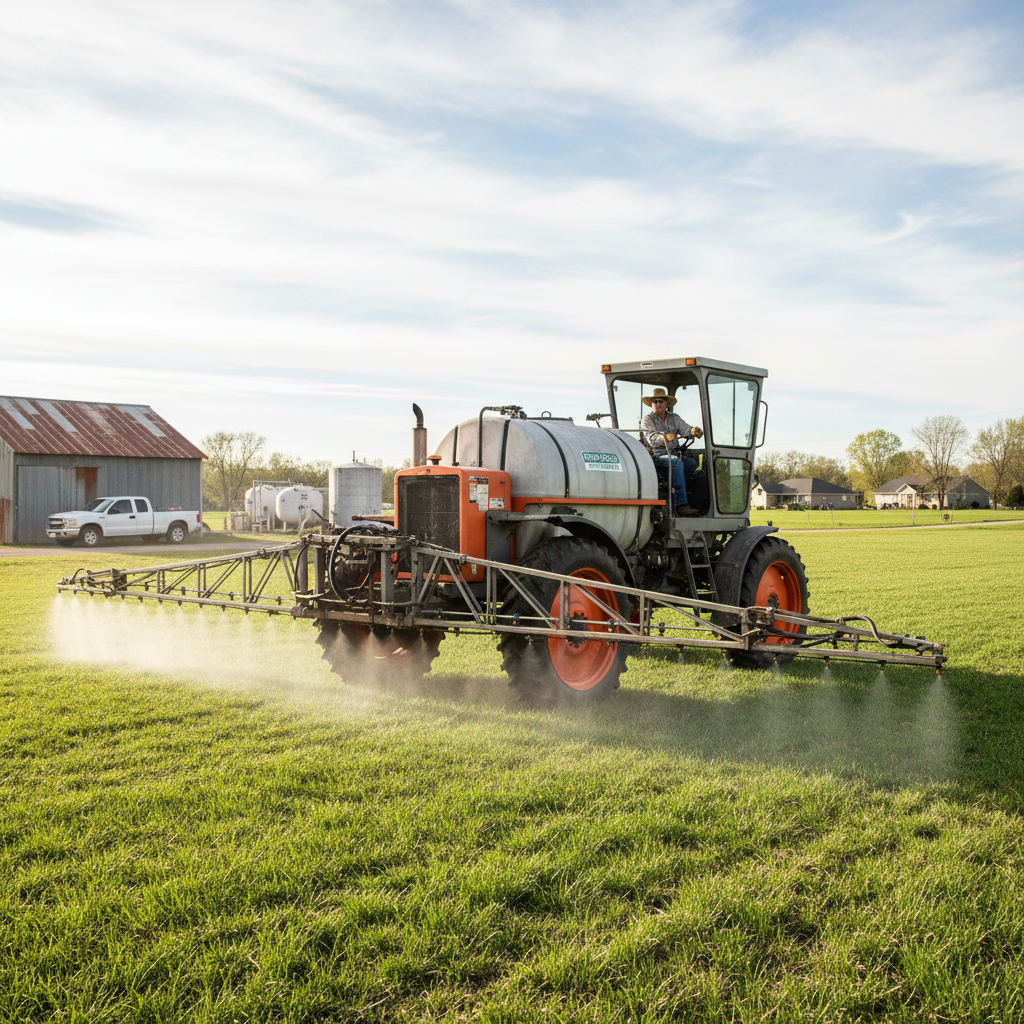
The application of pesticides and fertilizers varies significantly based on regional geography and crop types. In the vast grain belts of North America and Brazil, large-scale mechanized application of urea and glyphosate-based herbicides is common to maintain the efficiency of soy and corn monocultures. These regions prioritize scalability and cost-per-acre efficiency to maintain global commodity prices.
In contrast, in Southeast Asia's rice terraces or Africa's smallholder farms, the approach is more fragmented. Here, the focus is often on liquid fertilizers and targeted pesticides that can be applied manually. In remote industrial zones or post-disaster relief operations, rapid-deployment nutrient kits are used to restore soil health quickly, ensuring that local populations can regain food autonomy after environmental shocks.
Comparative Performance of Pesticides and Fertilizers Methods
Long-Term Value of Sustainable Agro-Chemicals
The long-term value of investing in premium pesticides and fertilizers extends beyond immediate crop yields. By utilizing high-precision formulas, farmers can reduce the overall volume of chemicals applied to the land, which prevents soil degradation and preserves the microbiome. This sustainability ensures that the land remains fertile for future generations, transforming a short-term expense into a long-term asset.
From an emotional and logical standpoint, the shift toward safer, more reliable agro-chemicals builds trust between the producer and the consumer. In an era of heightened scrutiny regarding food safety, the use of residue-free pesticides and organic-compatible fertilizers provides a competitive advantage in the marketplace. Innovation in this sector isn't just about chemistry; it's about ensuring the dignity of the farmer and the health of the end consumer.
Future Innovations in Plant Health Technology
The future of pesticides and fertilizers is inextricably linked to digital transformation. We are seeing the rise of "Smart Fertilizers," which utilize nano-encapsulation to release nutrients only when triggered by specific soil pH levels or moisture content. This prevents nutrient leaching and ensures that the plant receives exactly what it needs at the precise moment of growth.
Furthermore, the integration of AI and drone technology allows for "variable rate application." Instead of treating a whole field uniformly, sensors identify specific areas of pest infestation or nutrient deficiency, applying pesticides and fertilizers only where necessary. This reduction in waste not only lowers costs for the farmer but drastically reduces the chemical footprint on the environment.
We are also witnessing a convergence between traditional chemistry and biotechnology. The development of bio-pesticides—derived from natural microorganisms—offers a way to manage pests without the risk of chemical resistance. These innovative materials are paving the way for a new era of "regenerative agriculture" where chemistry supports nature rather than overriding it.
Challenges and Strategic Solutions in Chemical Farming
One of the most pressing challenges in the industry is the emergence of pesticide-resistant pest populations. When the same active ingredients are used repeatedly, pests evolve, rendering traditional pesticides and fertilizers less effective. This creates a "chemical treadmill" where farmers are forced to use higher concentrations to achieve the same results.
The strategic solution lies in "Integrated Pest Management" (IPM). This approach combines biological controls, crop rotation, and the judicious use of targeted chemical agents. By rotating the mode of action of the pesticides used, manufacturers and farmers can break the resistance cycle and maintain the efficacy of existing chemical tools.
Another hurdle is the regulatory complexity regarding the international trade of agro-chemicals. Different regions have vastly different toxicity thresholds and banned substances. To overcome this, leading manufacturers are investing in "universal formulations" that meet the strictest global standards, ensuring that their products can be deployed across various markets without compromising safety or compliance.
Comparative Analysis of Modern Agro-Chemical Strategies
|
Strategy Type
|
Environmental Impact
|
Yield Increase (1-10)
|
Implementation Cost
|
|
Conventional NPK
|
Moderate to High
|
7
|
Low
|
|
Slow-Release Polymers
|
Low
|
9
|
Medium
|
|
Bio-Pesticides
|
Very Low
|
6
|
High
|
|
Systemic Fungicides
|
Moderate
|
8
|
Medium
|
|
Nano-Fertilizers
|
Low
|
10
|
Very High
|
|
Integrated IPM
|
Very Low
|
8
|
Medium
|
FAQS
Chemical fertilizers are synthetically manufactured to provide specific, high-concentration nutrients for immediate plant uptake. Organic fertilizers are derived from natural sources (like compost or manure) and improve soil structure over time by releasing nutrients slowly. While chemical options offer precision and speed, organic options focus on long-term soil health and microbial diversity.
The most effective way to prevent resistance is through "mode-of-action" rotation. Avoid using the same chemical class for multiple seasons. Instead, alternate between different types of pesticides and integrate non-chemical methods like crop rotation and biological controls. This ensures that pests cannot adapt to a single chemical trigger.
Systemic pesticides are absorbed into the plant's vascular system, meaning they protect the plant from the inside. This can reduce the need for frequent spraying and lower the amount of chemical drift in the air. However, they can persist longer in the plant tissue. The "safety" depends on the specific molecule and the target pest; always follow strict dosage guidelines.
Yes, this is known as "fertilizer burn." Over-application of nitrogen or salts can draw moisture away from the roots through osmosis, leading to dehydrated tissues and leaf browning. It can also cause excessive vegetative growth at the expense of fruit or grain production, making the plant more susceptible to pests.
Nano-materials allow for the creation of "smart" delivery systems. They can encapsulate active ingredients, protecting them from degradation by UV light or rain and releasing them only when specific biological triggers are present. This drastically increases the efficiency of pesticides and fertilizers, meaning less product is needed to achieve the same yield.
Buyers should request a Certificate of Analysis (CoA) for every batch, ensuring purity levels meet the required specifications. Additionally, checking for ISO certifications and conducting third-party laboratory audits of the manufacturing facility can verify that the pesticides and fertilizers are produced under consistent, high-quality standards.
Conclusion
In summary, the strategic application of pesticides and fertilizers remains the cornerstone of global agricultural productivity. By balancing the immediate need for high yields with the long-term requirement for environmental stewardship, the industry has evolved from simple chemical application to a sophisticated science of plant health. The integration of high-purity raw materials, precision delivery systems, and integrated management strategies ensures that we can feed a growing population without compromising the viability of our planet.
Looking forward, the transition toward bio-based agents and AI-driven precision farming will further redefine the relationship between chemistry and nature. For producers and distributors, the key to success lies in adopting a sustainability-first mindset—prioritizing efficacy over volume. We invite you to explore our advanced solutions for a greener, more productive future. Visit our website: www.hbdfchempest.com