The global agricultural sector is increasingly shifting toward biologicals to reduce chemical dependency, making the strategic sourcing of microbial inoculant peptide composite plant enzyme wholesale a priority for large-scale crop nutrition and protection programs. These advanced bio-stimulants integrate microbial activity with specific peptides and enzymatic catalysts to optimize nutrient uptake and strengthen plant systemic resistance.
Procurement professionals and agronomists face the challenge of identifying high-purity composites that remain stable during transport and effective across diverse soil microbiomes. The primary goal is to find a balanced formula that enhances root architecture and metabolic efficiency without introducing unstable biological variants that fail in field conditions.
This analysis provides a professional framework for evaluating wholesale biological composites, examining the synergy between microbial strains and plant enzymes, and establishing a procurement standard for industrial-grade agrochemical raw materials.

The Synergy of Microbial Inoculants and Plant Enzymes

A microbial inoculant peptide composite functions by combining living beneficial microorganisms with non-living catalysts (enzymes) and signaling molecules (peptides). While the microbial component establishes a long-term symbiotic relationship with the plant roots, the plant enzymes provide immediate metabolic support by breaking down complex organic matter into absorbable nutrients.
This composite approach solves the "lag phase" common in traditional bio-fertilizers. By providing a peptide-rich environment, the inoculants can colonize the rhizosphere more rapidly, leading to improved nitrogen fixation and phosphorus solubilization. For manufacturers in the specialty chemical sector, this requires precise stabilization of both biological and enzymatic components to prevent premature degradation.
Technical Specifications for Wholesale Bio-Composites
When sourcing microbial inoculant peptide composite plant enzyme wholesale, technical purity and viability counts are the primary benchmarks. High-quality composites must maintain a specific CFU (Colony Forming Unit) count per gram, ensuring that the microbial load is sufficient to survive the application process. The peptide fraction must be characterized by its molecular weight and sequence stability to ensure it effectively triggers plant defense mechanisms.
Furthermore, the enzymatic component—often consisting of cellulases, proteases, or phosphatases—must be standardized for activity levels (Units/mg). From an industrial manufacturing perspective, the solubility and compatibility with other agrochemical raw materials, such as fungicides or herbicides, are critical to prevent chemical antagonism in the spray tank.
Industrial Application Scenarios in Modern Farming
These composites are primarily deployed in high-value crop systems where soil degradation is a limiting factor. In cereal and oilseed production, the integration of plant enzymes helps in the mobilization of locked phosphorus, while the microbial inoculants reduce the need for synthetic nitrogen. This is particularly effective in alkaline soils where nutrient bioavailability is low.
Another critical application is seed treatment. Applying the peptide composite directly to the seed ensures that the beneficial microorganisms are the first to colonize the root zone. This proactive approach creates a biological barrier against soil-borne pathogens, complementing traditional fungicides and promoting early-stage seedling vigor.
Comparative Performance of Bio-Stimulant Frameworks
The efficacy of different bio-stimulant formulations can be measured by their relative impact on plant growth parameters and nutrient absorption. The following conceptual data represents the relative performance index of various composite types compared to a standard chemical fertilizer baseline.
The illustrative data indicates that the "Peptide-Enzyme Composite" provides the highest relative score in nutrient mobilization and stress tolerance. This is due to the multi-layered action: enzymes facilitate immediate nutrient release, while the microbial inoculants provide sustained biological support, creating a more resilient plant system than single-component biologicals.
Evaluating Supplier Manufacturing Capabilities
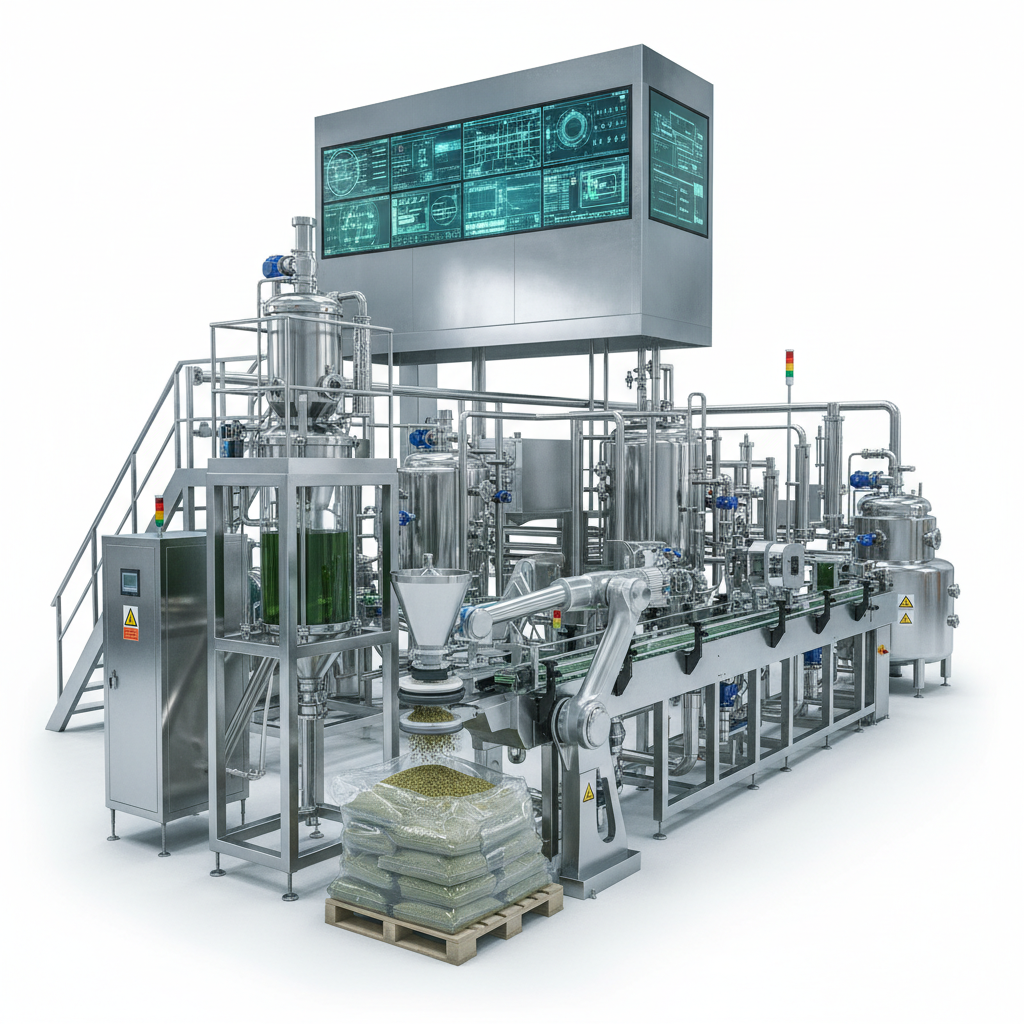
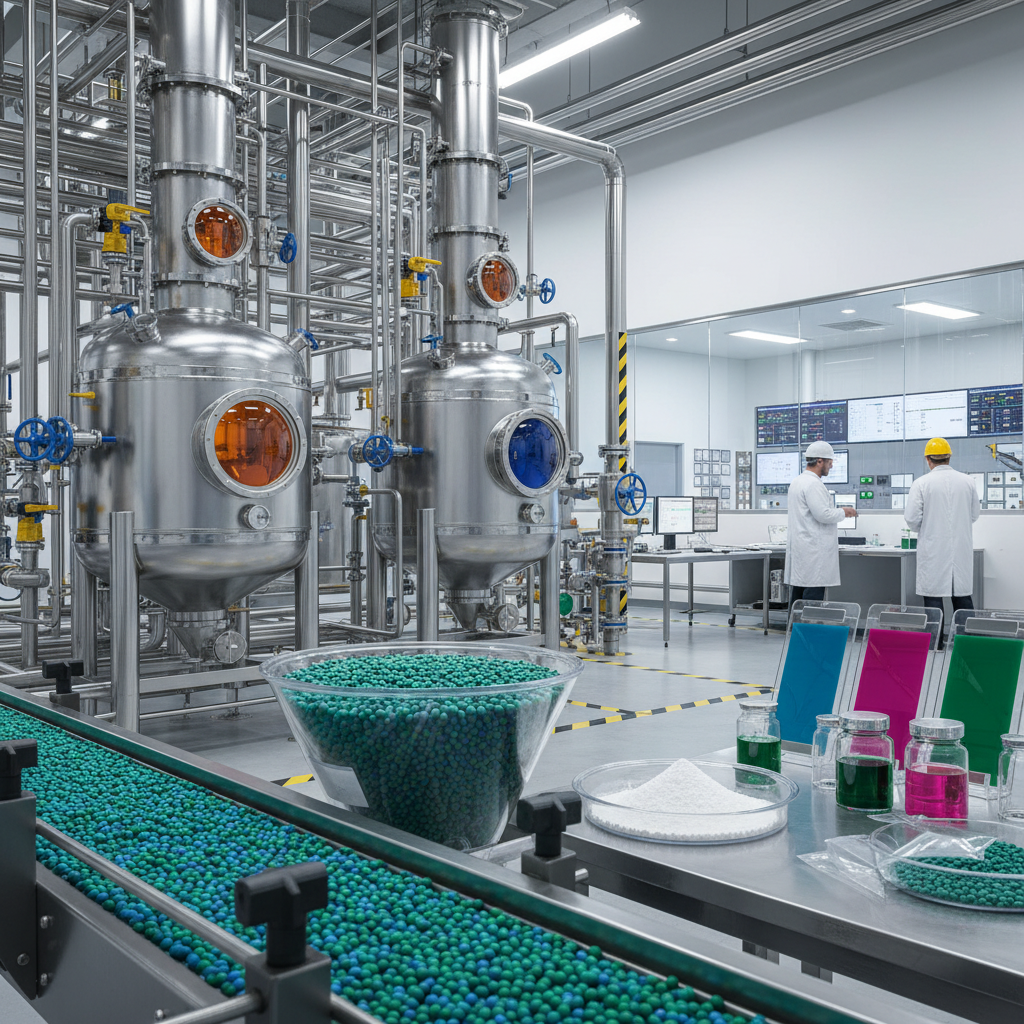
For wholesale procurement, the supplier's ability to maintain batch-to-batch consistency is the most critical factor. A professional manufacturer must possess advanced fermentation technology and sterile processing environments to prevent contamination. The presence of an international-standard R&D center ensures that the peptide sequences and microbial strains are optimized for the target climate and soil type.
Hebei Dongfeng Chemical Technology Co., Ltd utilizes a high-tech integration of R&D and production, focusing on the intensive cultivation of chemical and agro-industrial raw materials. Their capacity to manage complex pesticide intermediates and plant health products provides the necessary technical foundation to produce stable, high-efficacy bio-composites that meet international quality standards.
Risk Mitigation in Biological Sourcing
Biological products are inherently more volatile than synthetic chemicals. The primary risks in wholesale sourcing include loss of microbial viability during shipping, enzymatic denaturation due to temperature fluctuations, and regulatory non-compliance regarding the introduction of non-native microbial strains. Buyers must demand stability data and shelf-life tests under various storage conditions.
To mitigate these risks, it is advisable to source from manufacturers who provide comprehensive technical data sheets (TDS) and certificates of analysis (COA) for every batch. Ensuring the product is compatible with existing pesticide application accessories and tank-mix partners is also essential to avoid crop phytotoxicity or product separation.
Procurement Decision Matrix for Agro-Industrial Raw Materials
Selecting the right composite requires a balanced evaluation of technical performance, stability, and cost-effectiveness. The following framework compares the three most common approaches to biological soil enhancement to help procurement officers make an informed decision.
| Approach | Key Mechanism | Best Use Case | Main Limitation |
|---|---|---|---|
| Pure Microbial | Symbiotic Colonization | Long-term soil health | Slow initial onset |
| Enzyme Only | Rapid Nutrient Release | Acute nutrient deficiency | Short-term efficacy |
| Peptide Composite | Signaling & Activation | Stress recovery | Higher production cost |
| Full Bio-Composite | Synergistic Metabolic Boost | Intensive crop cycles | Complex stabilization |
| Conventional Chem | Direct Nutrient Supply | Rapid biomass growth | Soil degradation risk |
| Hybrid Integrated | Combined Bio-Chemical | Transition farming | Compatibility issues |
For industrial-scale operations, the Full Bio-Composite offers the highest ROI by simultaneously addressing immediate nutrient availability and long-term soil biological health, provided the supplier can guarantee the stability of the microbial and enzymatic components.
Frequently Asked Questions
A simple inoculant only provides beneficial microorganisms. A peptide composite adds signaling peptides and plant enzymes that accelerate the colonization process and provide immediate metabolic benefits, reducing the lag time before the microbes become active.
They should be stored in a cool, dry environment, typically between 4°C and 15°C, away from direct sunlight and strong chemical fumes, to prevent enzymatic denaturation and microbial dormancy or death.
It depends on the fungicide's mode of action. Some broad-spectrum fungicides may inhibit the microbial components. A compatibility test (jar test) is always recommended before large-scale tank mixing.
Check for microbial CFU counts per unit, enzymatic activity levels (U/mg), peptide purity percentage, pH levels, and the absence of pathogenic contaminants.
The composite can be applied via foliar spray or seed treatment. Because it contains enzymes for immediate action, foliar application provides a quick boost, while seed treatment ensures long-term root colonization.
When used at recommended wholesale dosages, the risk is minimal. The enzymes are biodegradable and act as catalysts, meaning they are not consumed in the reaction and do not accumulate in the soil like synthetic salts.
Conclusion
Transitioning to microbial inoculant peptide composite plant enzyme wholesale solutions represents a sophisticated move toward sustainable, high-efficiency agriculture. By integrating biological activity with enzymatic catalysis, these products offer a superior alternative to traditional bio-stimulants, providing both immediate metabolic support and long-term soil regeneration. Success in procurement depends on verifying microbial viability, enzymatic stability, and the manufacturing rigor of the supplier.
For organizations evaluating these advanced agro-industrial raw materials, detailed technical specifications and application guidelines can be found at www.hbdfchempest.com to ensure optimal integration into crop protection programs.