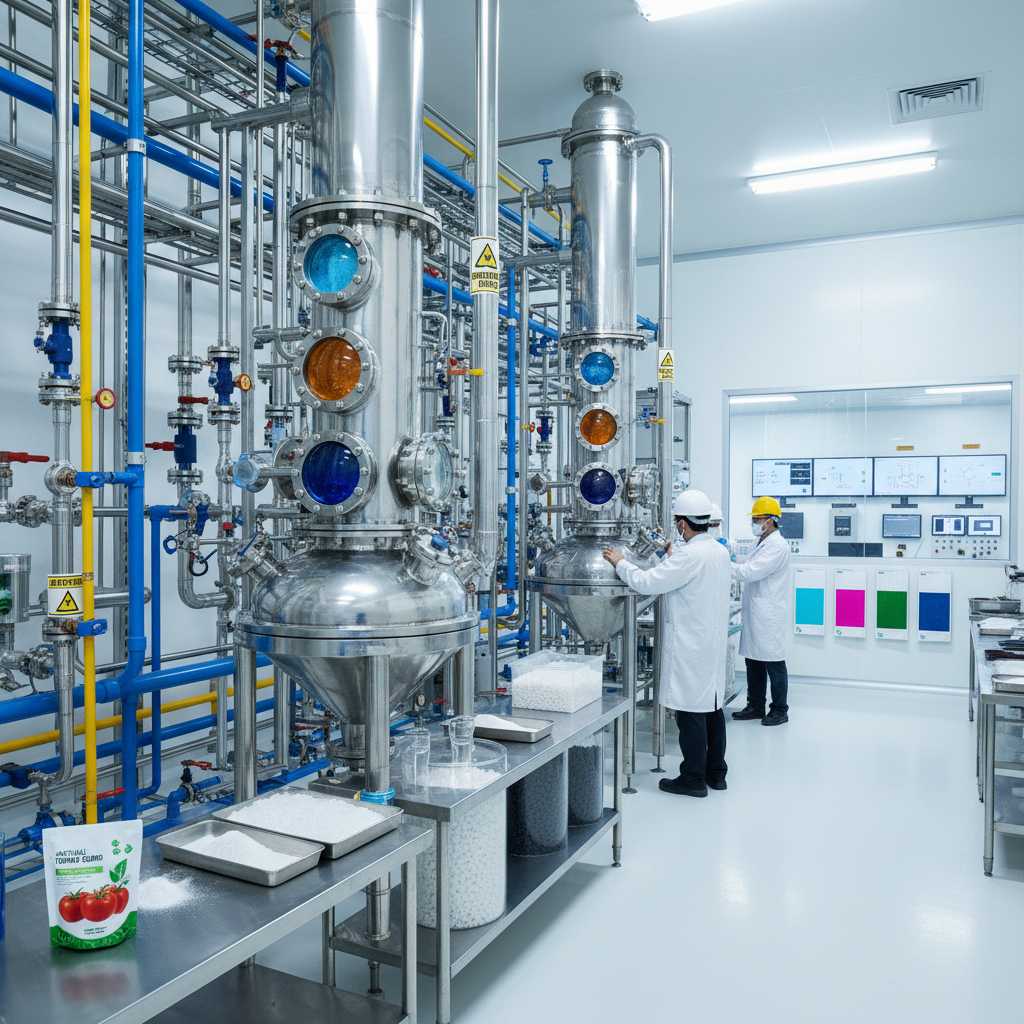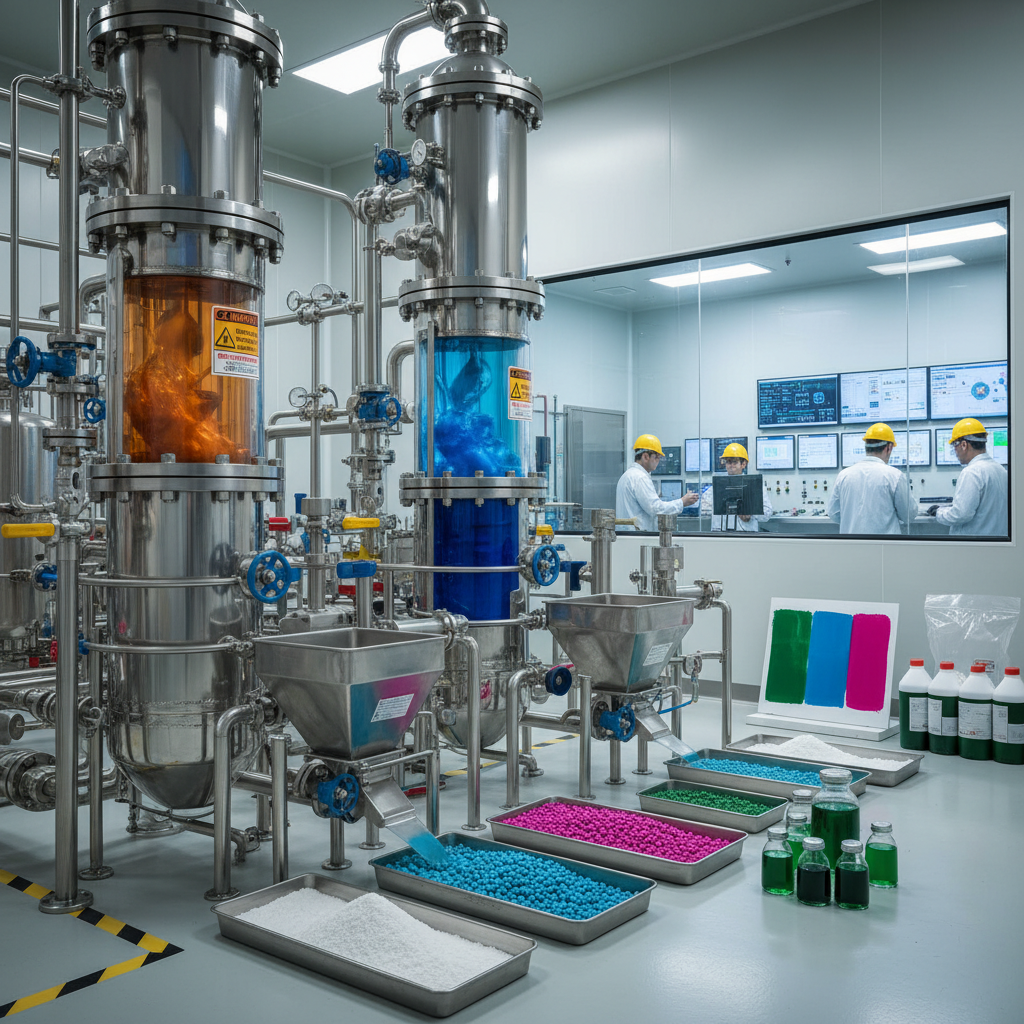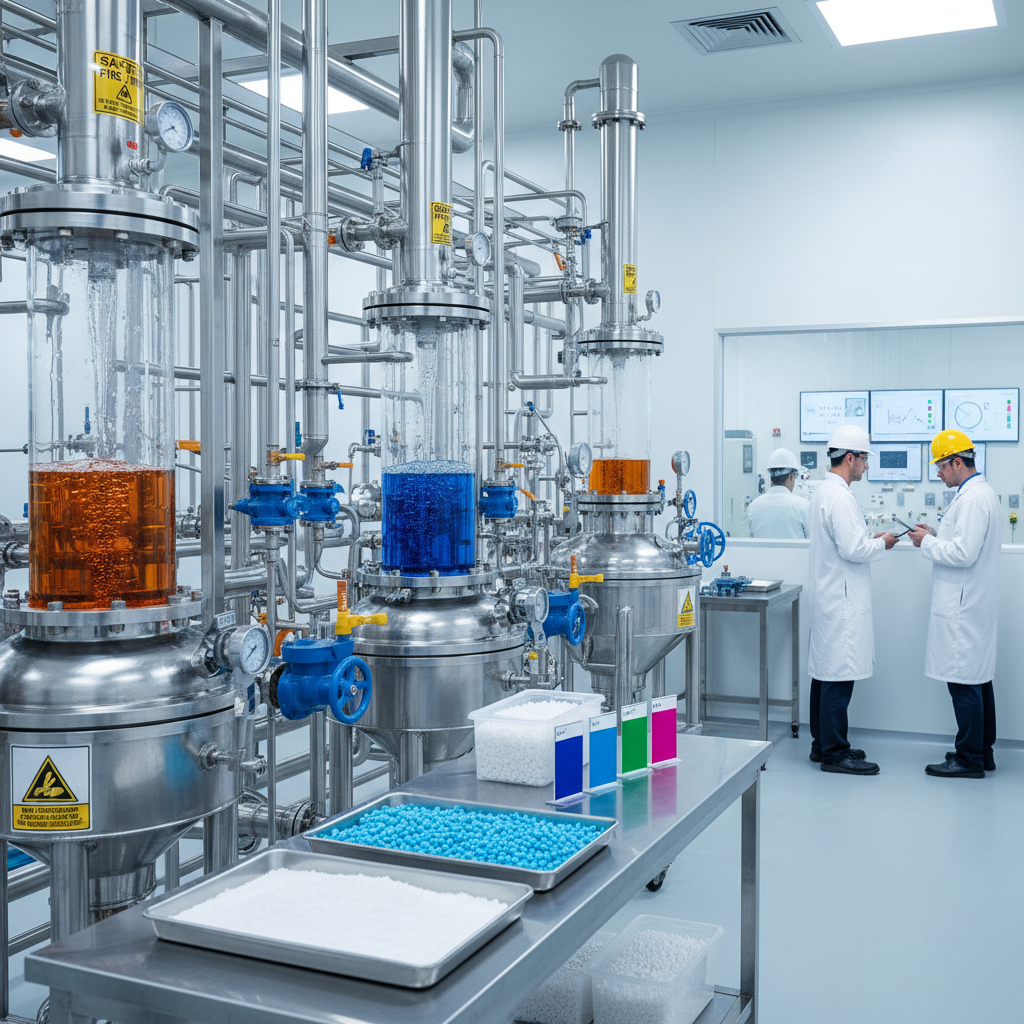
Optimizing soil vitality through the strategic use of biological catalysts has become a focal point for large-scale agricultural operations seeking sustainable yield increases. When organizations consider a bulk purchase agricultural plant enzyme inoculant, they are moving beyond simple fertilization toward a sophisticated biological management of the rhizosphere.
These enzyme inoculants function by accelerating the breakdown of organic matter and enhancing the bioavailability of locked nutrients, effectively reducing the reliance on synthetic chemical inputs. For commercial growers, the transition to bio-enzyme systems represents a critical shift in managing soil health and plant nutrition at an industrial scale.
Navigating the procurement of these complex biological agents requires a deep understanding of enzyme stability, strain compatibility, and the logistics of large-volume distribution to ensure consistent field performance across diverse climatic zones.

The Mechanics of Bio-Enzymatic Soil Stimulation

Agricultural plant enzyme inoculants are specialized formulations containing proteins that act as biological catalysts, lowering the activation energy required for essential chemical reactions in the soil. Unlike traditional fertilizers that provide raw nutrients, these inoculants enhance the plant's intrinsic ability to acquire minerals from the environment.
The primary mechanism involves the secretion of enzymes such as phosphatases, cellulases, and proteases. These catalysts break down complex organic polymers into simpler, absorbable forms—such as converting organic phosphorus into inorganic orthophosphate—thereby solving the common problem of nutrient fixation in alkaline or acidic soils.
For enterprises managing thousands of hectares, this process creates a more resilient ecosystem. By improving the soil's biological activity, these inoculants foster a synergistic relationship between the root system and the microbial community, which is essential for maintaining long-term land productivity.
Critical Technical Parameters for Industrial Inoculants
Evaluating the quality of an enzyme inoculant requires a shift from simple concentration metrics to activity-based benchmarks. The effectiveness of a bulk purchase depends heavily on the enzyme's stability during storage and its persistence once introduced into the soil matrix.
Key technical indicators include the pH tolerance range and thermal stability. Since enzymes are proteins, they can denature if exposed to extreme temperatures or incompatible chemical additives. Procurement officers must verify the stabilization technology used—such as encapsulation or lyophilization—to ensure the product remains active from the warehouse to the field.
Furthermore, the compatibility of the inoculant with other agrochemical raw materials is paramount. In integrated pest management systems, the enzyme must remain functional even when applied alongside certain fungicides or herbicides, requiring precise formulation engineering to prevent antagonistic reactions.
Application Frameworks for Large Scale Crop Systems
Implementing bio-enzyme systems across vast acreages requires a precise application strategy to avoid waste and ensure uniform distribution. The method of delivery—whether via seed coating, soil drenching, or fertigation—significantly impacts the colonization rate of the inoculant.
In seed treatment, the enzyme is applied as a thin film, providing immediate biological support during the critical germination phase. This approach minimizes the total volume of product required and ensures that the catalyst is present exactly where the primary root emerges, maximizing the early-stage nutrient uptake.
For established crops, integration into existing irrigation systems allows for periodic "booster" applications. However, this requires filtration systems capable of handling biological formulations without shearing the enzyme molecules, necessitating a coordinated effort between the agronomy team and the equipment operators.
Comparative Performance Metrics in Nutrient Uptake
The value proposition of enzyme inoculants is best observed through the lens of Nutrient Use Efficiency (NUE). When comparing standard chemical regimes with bio-enhanced systems, the difference lies in the reduction of nutrient leaching and the increase in actual plant absorption.
By facilitating the conversion of insoluble minerals into soluble forms, enzyme inoculants allow plants to utilize a larger percentage of the existing soil bank, effectively reducing the amount of external fertilizer needed to achieve the same biomass target.
bulk purchase agricultural plant enzyme inoculant Performance Metrics
The data suggests that while traditional methods rely on high-dose saturation, enzymatic stimulation promotes a steady-state supply of nutrients, which prevents the "burn" associated with over-fertilization and supports more balanced plant growth cycles.
Strategic Procurement and Supply Chain Logistics
Procuring biologicals in bulk is fundamentally different from purchasing raw chemical salts. The "shelf-life" of an enzyme inoculant is a dynamic variable affected by temperature, humidity, and the integrity of the packaging.
Enterprises must prioritize suppliers who can provide detailed certificates of analysis (CoA) that include specific activity assays rather than just purity percentages. Cold-chain logistics may be necessary depending on the formulation, making the geographical proximity of the distribution center a critical cost factor.
Moreover, lead times for biological production are typically longer than for synthetic chemicals due to the fermentation and stabilization cycles. Strategic procurement requires a forecasting model that accounts for these biological production timelines to avoid application delays during the planting window.
Evolutionary Trends in Agricultural Bio-Catalysis
The industry is currently moving toward "precision bio-stimulation," where enzyme cocktails are customized based on the specific mineral deficiencies of a particular soil type. This shift replaces the one-size-fits-all approach with targeted enzymatic interventions.
We are likely to see an increase in the integration of nano-materials as delivery vehicles for enzymes. Nano-encapsulation could potentially protect the catalysts from premature degradation and allow for a slow-release mechanism that aligns with the plant's growth stages, further increasing efficiency.
Additionally, the convergence of plant nutrition and plant health is creating a demand for multi-functional inoculants that provide both enzymatic catalysts and protective biological agents, reducing the number of passes required across the field and lowering the overall carbon footprint of the operation.
Decision Matrix for Inoculant Selection and Sourcing
Selecting the right inoculant for bulk application requires a balanced evaluation of technical efficacy, stability, and logistical feasibility. The following matrix provides a framework for comparing different approach models based on common operational requirements.
Decision makers should weigh the immediate cost against the long-term soil health benefits and the projected reduction in synthetic fertilizer expenditure.
| Inoculant Type | Primary Target | Stability Level | Logistical Demand |
|---|---|---|---|
| Liquid Concentrate | Fast Nutrient Release | Moderate | Cold-Chain Required |
| Lyophilized Powder | Long-Term Storage | High | Ambient Shipping |
| Encapsulated Beads | Slow-Release/Targeted | Very High | Standard Logistics |
| Seed-Coating Film | Early Root Growth | High | Specialized Equipment |
| Mixed Bio-Cocktail | General Soil Health | Moderate | Controlled Temp |
| Customized Enzyme | Specific Soil Deficiency | Variable | Direct Manufacturer |
Ultimately, the choice depends on the existing infrastructure of the farm; for instance, those with advanced fertigation systems may prefer liquid concentrates, while those focusing on seed-stage efficiency will prioritize coating technologies.
Frequently Asked Questions
Conclusion
Transitioning to a bio-enzymatic approach in large-scale agriculture is a strategic move toward sustainability and efficiency. By focusing on the biological catalysts that drive nutrient availability, producers can optimize their inputs and improve crop resilience against environmental stress.
For procurement professionals and agronomists evaluating options for a bulk purchase agricultural plant enzyme inoculant, the focus must remain on technical stability and activity benchmarks. Those seeking detailed specifications and high-capacity supply solutions can review the relevant product and company information available through www.hbdfchempest.com.