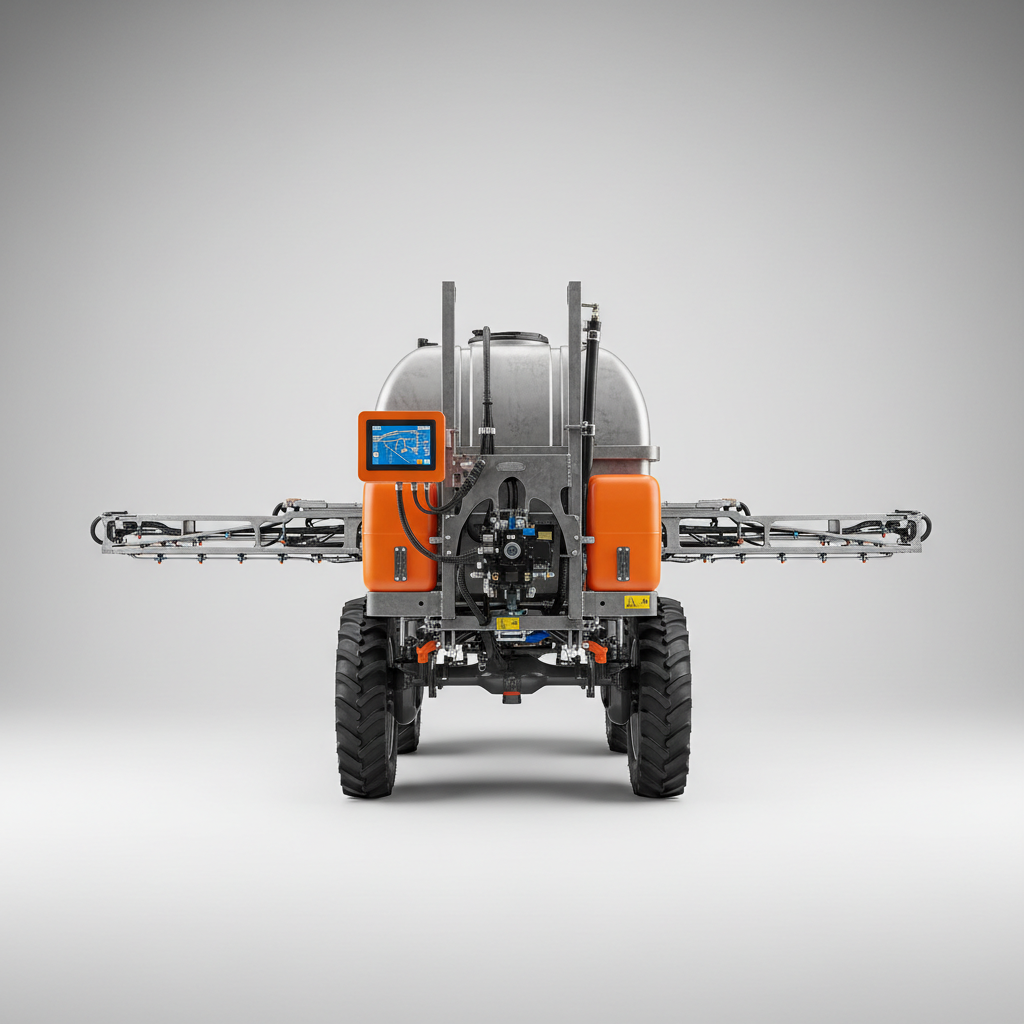
A factory direct plant nutrient solution is a professional-grade formulation of essential macro and micro-nutrients delivered directly from the manufacturer to the end-user. By eliminating intermediaries, these solutions ensure high purity and precise chemical concentrations required for optimal plant metabolism, bridging the gap between industrial chemical production and agricultural application.
In modern agriculture and hydroponics, the primary challenge is maintaining consistent nutrient availability without compromising soil health or water quality. Many commercially available retail products contain fillers or unstable compounds that lead to nutrient lockout, reducing crop yields and increasing operational costs for large-scale growers.
This technical analysis explores the operational advantages of sourcing nutrients directly from the factory, evaluating how purity levels, customized formulation, and cost-efficiency impact agricultural ROI. Readers will gain a comprehensive understanding of the selection criteria and technical specifications necessary for professional plant nutrition.

1Fundamental Principles of Direct Nutrient Sourcing

Sourcing a factory direct plant nutrient solution involves procuring raw chemical inputs or pre-mixed formulations directly from the manufacturing plant. This process ensures that the chain of custody is minimized, reducing the risk of contamination and ensuring that the chemical stability of the nutrients—such as Nitrogen, Phosphorus, and Potassium—is maintained from the point of synthesis to the point of application.
The core benefit lies in the ability to control the raw material grade. Industrial manufacturers can provide varying levels of purity depending on the crop's sensitivity, allowing growers to avoid heavy metal contamination often found in lower-grade agricultural fertilizers.
Furthermore, factory-direct models facilitate a tighter feedback loop between the grower and the chemist, allowing for iterative adjustments to the nutrient ratio based on real-time plant response and soil analysis.
2Key Technical Specifications and Purity Standards
The efficacy of a factory direct plant nutrient solution is measured by its solubility and the bioavailability of its components. High-grade solutions utilize chelated minerals, which prevent nutrients from reacting with other elements in the soil, thereby ensuring they remain available for root uptake across a wider pH range.
Purity standards are governed by the absence of inert fillers. While retail products often use bulking agents to reduce shipping costs, factory-direct concentrated solutions maximize active ingredient density, significantly lowering the volume of product required per hectare.
Stability testing is another critical specification. Professional formulations undergo accelerated aging tests to ensure that the components do not separate or degrade when stored in large industrial drums over several months.
3Application Scenarios in High-Yield Agriculture
In greenhouse environments, the precision of a factory direct plant nutrient solution allows for the implementation of "fertigation" systems. By injecting precise doses of nutrients into the irrigation water, growers can synchronize nutrient delivery with the specific growth stages of the plant, such as vegetative growth or flowering.
For open-field industrial farming, the use of high-purity nutrients reduces the risk of soil salinity buildup. Since these solutions are formulated without unnecessary salts or low-grade fillers, the osmotic pressure on the roots is minimized, promoting deeper root penetration.
Additionally, these solutions are critical for organic-certified operations that require stringent documentation of raw material origins to meet international compliance and certification standards.
4Performance Metrics and Quantitative Analysis
Quantifying the impact of direct nutrient sourcing requires a comparison of nutrient uptake efficiency (NUE). Data suggests that high-purity factory formulations increase the percentage of applied nutrients actually absorbed by the plant, reducing leaching into groundwater.
The relationship between chemical purity and crop yield is typically linear up to a certain saturation point. By eliminating impurities, plants experience fewer toxicity shocks, leading to more consistent growth cycles and predictable harvest windows.
factory direct plant nutrient solution Performance Metrics
As shown in the performance metrics, the direct solution consistently outperforms industry averages in root development and yield stability, primarily due to the absence of antagonistic ions that usually accompany lower-grade products.
5Procurement Strategies for Industrial Growers
Successful procurement of a factory direct plant nutrient solution begins with a comprehensive soil and water analysis. This data allows the manufacturer to customize the formula to compensate for existing deficiencies in the local environment, rather than using a generic "one-size-fits-all" approach.
Growers should evaluate the Total Cost of Ownership (TCO) rather than just the price per liter. While shipping concentrated factory solutions may require specialized storage, the reduction in application frequency and the increase in yield often result in a lower overall cost per unit of produce.
Establishing long-term contracts with manufacturers like Hebei Dongfeng Chemical Technology Co., Ltd ensures a stable supply chain and protects the grower from the price volatility associated with retail markets.
6Future Trends in Plant Nutrition Technology
The industry is moving toward "intelligent nutrition," where factory direct plant nutrient solutions are integrated with IoT sensors. These sensors monitor nutrient levels in the soil in real-time, triggering automated dosing systems that adjust the formula dynamically based on plant needs.
Another emerging trend is the development of nano-encapsulated nutrients. By wrapping essential elements in a nano-scale protective layer, manufacturers can create slow-release solutions that provide a steady stream of nutrition over several weeks, further reducing waste and environmental runoff.
Sustainability is also driving the shift toward bio-based chelating agents, replacing synthetic EDTA with biodegradable alternatives to minimize the long-term chemical footprint in the soil.
7Selection Comparison: Factory Direct vs. Retail
Choosing between factory-direct and retail solutions depends on the scale of the operation and the required level of precision. For hobbyists, retail is convenient; however, for commercial ventures, the technical superiority of direct sourcing is indispensable.
The following table compares the critical decision factors when evaluating nutrient procurement paths for professional agricultural production.
| Feature | Retail Products | Factory Direct Solution | Impact on Grower |
|---|---|---|---|
| Purity Level | Variable/Mixed | High/Consistent | Reduced Toxicity Risk |
| Formulation | Generic | Customizable | Targeted Growth |
| Cost Structure | High Markup | Wholesale Pricing | Improved ROI |
| Documentation | Basic Label | Full COA/TDS | Quality Assurance |
| Volume Efficiency | Diluted | Highly Concentrated | Lower Shipping Cost |
| Support | Third-party Retailer | Direct Chemical Experts | Technical Optimization |
Ultimately, the transition to a factory direct plant nutrient solution represents a move toward scientific farming, where every input is measured, justified, and optimized for maximum biological efficiency.
Frequently Asked Questions
Conclusion
Transitioning to a factory direct plant nutrient solution is a strategic decision for any agricultural operation aiming for professional-grade precision and scalability. By focusing on chemical purity, customized formulations, and the elimination of retail inefficiencies, growers can significantly enhance their nutrient use efficiency and overall crop quality.
For procurement teams and industrial growers seeking high-performance nutrient solutions and technical support, detailed product specifications and available formulations can be reviewed at www.hbdfchempest.com to ensure optimal alignment with specific agricultural goals.