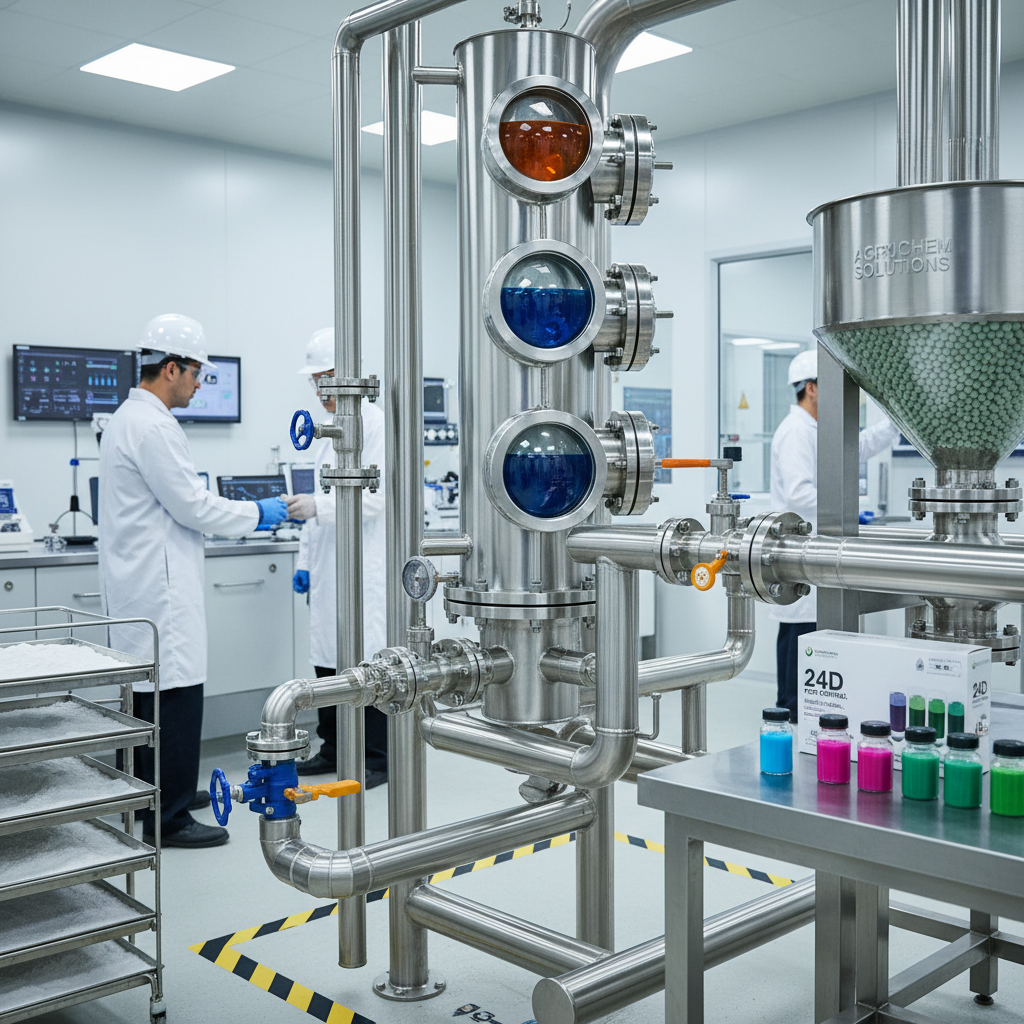
When managing large-scale agricultural operations, the ability to secure a stable supply of specialized materials is often the difference between a successful harvest and a costly failure. Many operators struggle with off-the-shelf products that do not align with their specific pest pressures or environmental conditions, leading to inefficiencies in crop protection. This is where the strategic shift toward long term agricultural materials customization becomes essential for maintaining operational stability and maximizing yield across diverse terrains.
The integration of customized materials into a broader agrochemical strategy allows for a more precise application of Agricultural Insecticides and Plant Nutrition products. By tailoring the chemical composition and delivery mechanisms—such as the specific attractants used in fly traps or the stability of pesticide intermediates—producers can reduce chemical waste and environmental impact. This level of precision is particularly critical when dealing with specialized needs in Public Health Pest Control or the application of Nano Materials for enhanced delivery.
Navigating the complexities of chemical procurement requires a partner who understands both the molecular science and the practical field requirements. This guide analyzes how long term agricultural materials customization optimizes the lifecycle of crop protection, from the raw materials used in Agrochemical Raw Materials to the final deployment of finished pesticides, providing a framework for making informed purchasing decisions.


Customization in agricultural materials refers to the technical adjustment of raw chemical ingredients and finished products to suit specific environmental variables, pest species, and crop types. Rather than relying on generic formulations, this approach focuses on the synergy between Agro Industrial Raw Materials and the end-user's local ecological conditions. For example, the efficacy of a pest trap is not just about the bag material, but the specific formulation of the attractant to target local fly populations.
At its core, this process involves an iterative cycle of R&D where pesticide intermediates are modified to improve stability or target specificity. By controlling the purity and composition of Chemical Raw Materials, manufacturers can ensure that the final product—whether a fungicide or a herbicide—performs consistently under varying temperature and humidity levels, which is the primary goal of any long-term supply agreement.
The longevity and effectiveness of customized agricultural materials depend heavily on the quality of the base polymers and chemical additives. In the case of plastic fly traps, the use of PE for the bag and PP for plastic parts ensures a durable structure that can withstand outdoor exposure. When the material is designed for long-term use, the resistance to UV degradation and thermal expansion becomes a critical technical metric to prevent premature failure in the field.
Material synergy is the key insight: the effectiveness of a customized solution is determined by how well the active chemical bait—such as yeast powder and fish bone meal—interacts with the physical containment system to maintain attraction over several months.
Furthermore, the solubility and activation rate of the components are vital. For products that require water activation, the precision of the dissolve-rate ensures that the attractant is released steadily rather than all at once. This controlled release is what allows a single customized unit to capture up to 50,000 flies, reducing the frequency of replacement and labor costs for the operator.
Transitioning from generic to customized materials shifts the economic focus from the initial purchase price to the total cost of ownership (TCO). While customized formulations may carry a higher upfront cost, they significantly reduce the volume of material required per hectare. By increasing the "capture rate" or "kill rate" through specialized chemistry, users can deploy fewer units and spend less time on maintenance.
Precision design converts chemical expenditure into operational ROI by minimizing "waste application"—the use of expensive agrochemicals in areas where they provide no marginal benefit due to poor material compatibility.
Additionally, the durability of customized materials, such as those capable of being used for several years, offers a massive reduction in recurring procurement costs. When a supplier optimizes the PE/PP blend for longevity, the cost per season drops, making the investment in long term agricultural materials customization a strategic financial decision rather than a simple expense.
When evaluating the performance of standard materials against customized versions, the most telling metric is the "effective duration" before the product loses its primary function. Standard materials often suffer from rapid degradation of active ingredients or physical failure of the housing, whereas customized solutions are engineered for the specific temperature ranges of the target region.
The following data represents a relative comparison of performance metrics across five key indicators. The "Customized" approach consistently shows higher values in durability and attraction efficiency, directly correlating to the specialized use of high-grade chemical raw materials and precision molding.
The application of customized materials varies significantly depending on the environment. In high-temperature outdoor settings, the focus is on thermal stability and fermentation acceleration. For instance, fly traps that utilize high-temperature fermentation to attract pests are most effective in direct sunlight, where the heat promotes the evaporation of the lure scent, drawing insects from a wider radius.
In contrast, integrated pest management in public health or greenhouse settings requires materials that are non-toxic and biodegradable to avoid contaminating food crops. The use of 100% biodegradable attractants ensures that the customization meets strict environmental regulations while maintaining high capture efficiency, proving that professional-grade chemical engineering can balance power with sustainability.
The trend in agricultural materials is moving toward "smart" customization, where nano-materials are used to create time-released active ingredients. This reduces the need for frequent re-application and minimizes the leaching of chemicals into the soil. Future systems are likely to integrate these nano-coatings into the physical structures of pest control devices to extend their lifespan even further.
Sustainability is no longer an optional feature but a core requirement. The shift toward bio-based polymers for containers and organic-based baits reflects a broader industry move toward circular chemistry. Manufacturers are now focusing on materials that not only perform their function but decompose completely without leaving microplastic residues in the agricultural land.
Ultimately, the goal is to create a closed-loop system where customized materials are tailored to the specific biological needs of the plant and the weaknesses of the pest. This evolution in Agrochemical Raw Materials will lead to a reduction in overall chemical loads on the environment while increasing the security of the global food supply chain.
Sourcing customized chemical materials often presents challenges related to lead times and quality consistency. To mitigate these risks, buyers must establish long-term partnerships with manufacturers who possess an integrated R&D and production base. This ensures that the transition from a lab-scale customized formula to mass production does not result in a loss of efficacy.
Quality management is the second major hurdle. When materials are customized, standard "off-the-shelf" testing protocols may not be sufficient. A dedicated testing process for each customized batch is necessary to verify that the specific parameters—such as bait solubility or plastic tensile strength—meet the agreed-upon specifications before shipment.
Finally, the logistical complexity of transporting hazardous chemical ingredients requires specialized knowledge. Choosing a supplier who can handle the full chain, from the production of pesticide intermediates to the final delivery of finished accessories, simplifies the procurement process and reduces the risk of material degradation during transit.
| Evaluation Metric | Standard Material | Customized Solution | Impact on ROI |
|---|---|---|---|
| Service Life | Single Season | Multi-Year Use | High Savings |
| Target Accuracy | Broad Spectrum | Species Specific | Lower Waste |
| Env. Impact | Moderate Residue | Biodegradable | Regulatory Ease |
| Install Labor | Frequent Setup | Single Deployment | Reduced Labor |
| Initial Cost | Low | Moderate/High | Amortized Value |
| Performance | Variable | Consistent/High | Yield Security |
It is the process of engineering agrochemical products and their physical delivery systems—such as the composition of baits, the polymers of traps, or the purity of intermediates—to meet the specific environmental and biological needs of a particular farming operation over an extended period. This ensures higher efficacy and longer product lifespans compared to generic alternatives.
Customization improves efficiency by matching the attractants and active ingredients to the local pest population. For example, by adjusting the fermentation components in a fly trap, the lure becomes significantly more attractive to the specific species present in a region, leading to higher capture rates (up to 50,000 flies per unit) and fewer required deployments.
No, it is generally more cost-effective. While the initial procurement cost may be higher, the extended lifespan of the materials (some usable for several years) and the reduction in labor for installation and replacement result in a lower total cost of ownership and a higher overall return on investment.
High-durability traps typically utilize Polyethylene (PE) for the flexible bag components to ensure tear resistance and weatherability, while Polypropylene (PP) is used for the rigid plastic parts to maintain structural integrity. These materials are chosen for their ability to withstand outdoor UV exposure and temperature fluctuations.
Yes, when designed correctly. Professional customization often prioritizes non-toxic, biodegradable attractants (such as yeast and fish bone meal) that do not contain harmful pesticides. This ensures that the products provide effective pest control without polluting the soil or affecting the health of the crops.
Look for a manufacturer that integrates R&D, production, and sales. A supplier with an international-level R&D center and a modern production base can ensure that the customized specifications are technically feasible and consistently reproducible. Verify their experience with pesticide intermediates and finished crop protection products.
The strategic adoption of long term agricultural materials customization represents a move toward a more scientific and sustainable approach to crop protection. By aligning the molecular properties of chemical raw materials with the physical demands of the field, operators can achieve unprecedented levels of efficiency and durability. The transition from generic supplies to precision-engineered solutions not only secures higher yields but also protects the long-term health of the agricultural ecosystem.
For organizations seeking to optimize their agrochemical supply chain and reduce operational waste, partnering with a technically proficient manufacturer is the first step. By focusing on material synergy and durability, you can ensure your operations remain resilient against evolving pest pressures. To explore high-efficiency, customized solutions for your specific needs, you may visit https://www.hbdfchempest.com for further professional guidance.